
BANDA: INDONESIA IN MINIATURE
As the colonial era neared its end, Banda once again stood at a crossroads in Indonesian history when several independence fighters—including the first Vice President, Mohammad Hatta, and the first Prime Minister, Sutan Sjahrir—were exiled there.
Their time in exile in Banda became a formative period for these founding fathers to envision Indonesia’s future. At that time, the idea of pluralism, which would go on to be the foundational principle of Indonesia itself, was already a lived reality in Banda’s society. In addition to foreign settlers, the people of Banda included both indigenous inhabitants and migrants from across the archipelago—brought in by the Dutch to work on nutmeg plantations. Banda was home to a wide variety of ethnic groups, races, and cultures, yet they united as one people with a shared goal: to defeat the colonial rulers.
This space reflects the idea of Banda as a miniature Indonesia, an inspiration, and tells the story of these islands’ ignificant role in the nation’s struggle for independence.
Note: The Rumah Budaya Banda collection combines objects and artefacts from a range of sources, many of which have been selected to represent historical change in Banda. They may not directly originate from the time periods associated with the archive. We are working to expand the collection and confirm historical data of individual objects. If you have additional information or inputs regarding any of the objects and artefacts in the collection, we invite you to join our open-source curatorial initiative using the input form at the bottom of this page and contribute to Rumah Budaya Banda’s ongoing revitalisation.
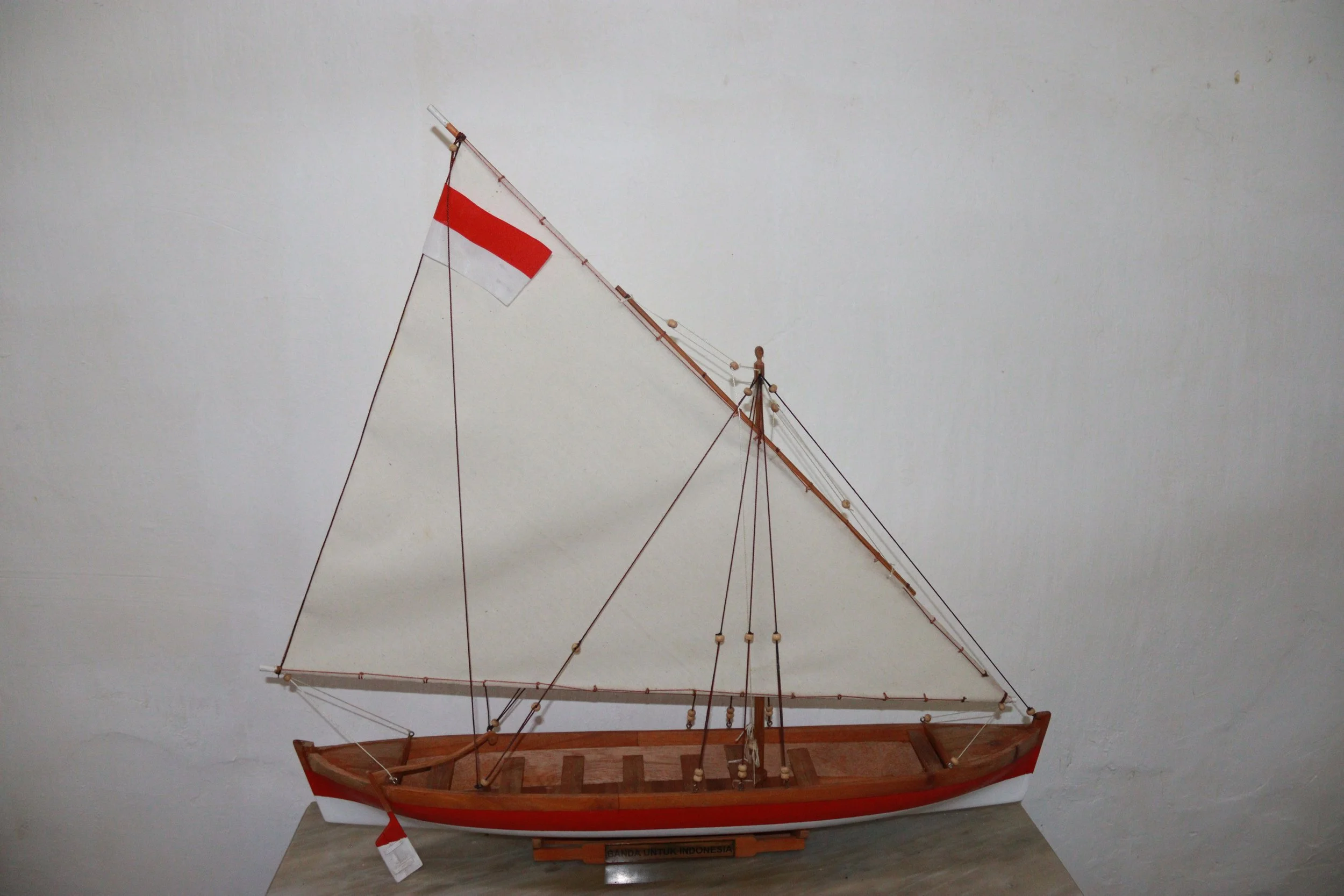
archive number: r-5-001 object reference: The Boat Named "Indonesia" origin: Banda date: - notes: This ship represents two boats, owned by Mohammad Hatta and Sutan Syahrir, which they commissioned while in exile in Banda. Syahrir's boat was given the name "Indonesia," in one of the earliest recorded uses of that name, as he wanted to represent the unity of the territory rather than one specific ethnic group. Hatta's boat was painted in the red and white colours which would one day be adopted as the Indonesian flag
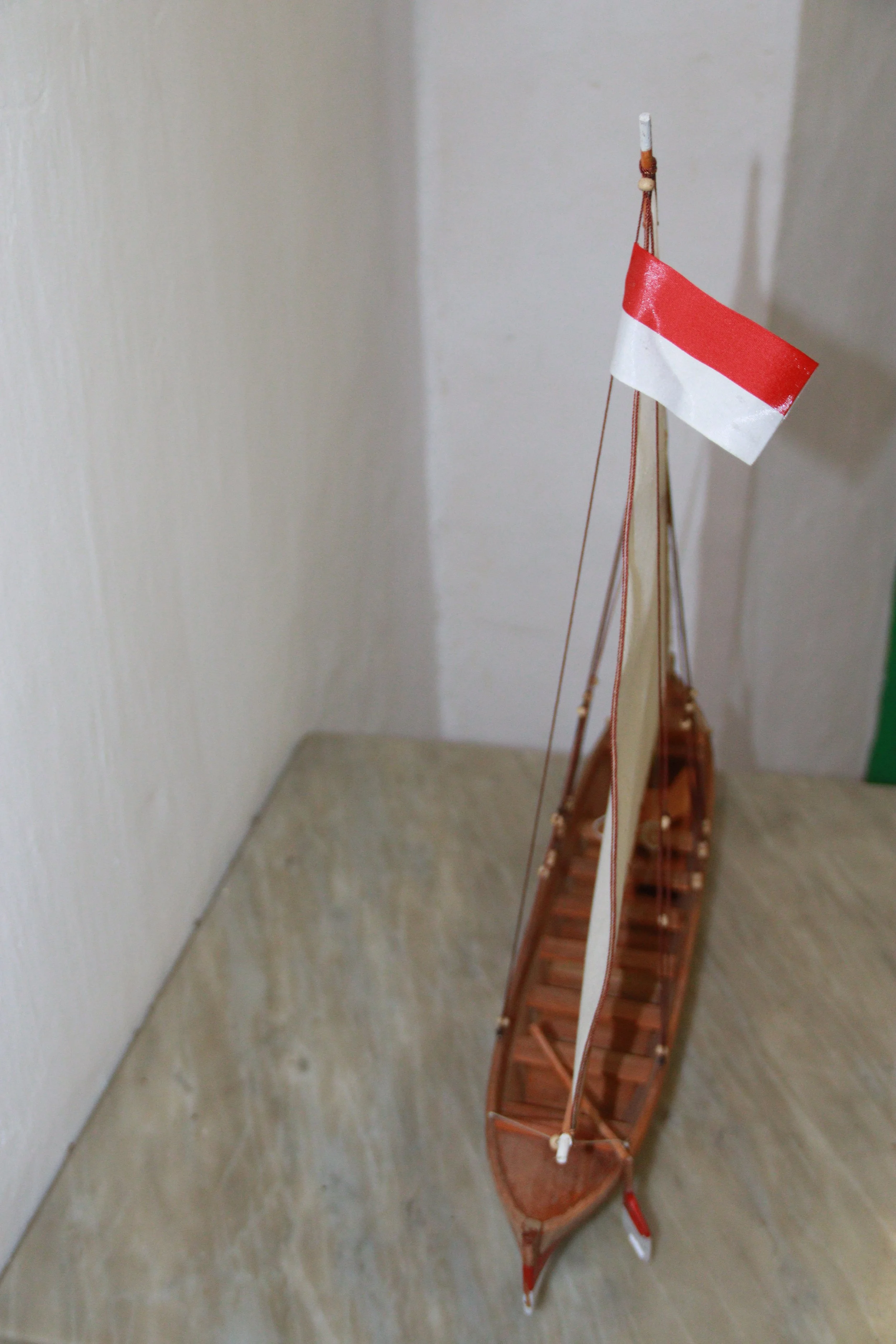
archive number: r-5-001 object reference: The Boat Named "Indonesia" origin: Banda date: - notes: This ship represents two boats, owned by Mohammad Hatta and Sutan Syahrir, which they commissioned while in exile in Banda. Syahrir's boat was given the name "Indonesia," in one of the earliest recorded uses of that name, as he wanted to represent the unity of the territory rather than one specific ethnic group. Hatta's boat was painted in the red and white colours which would one day be adopted as the Indonesian flag
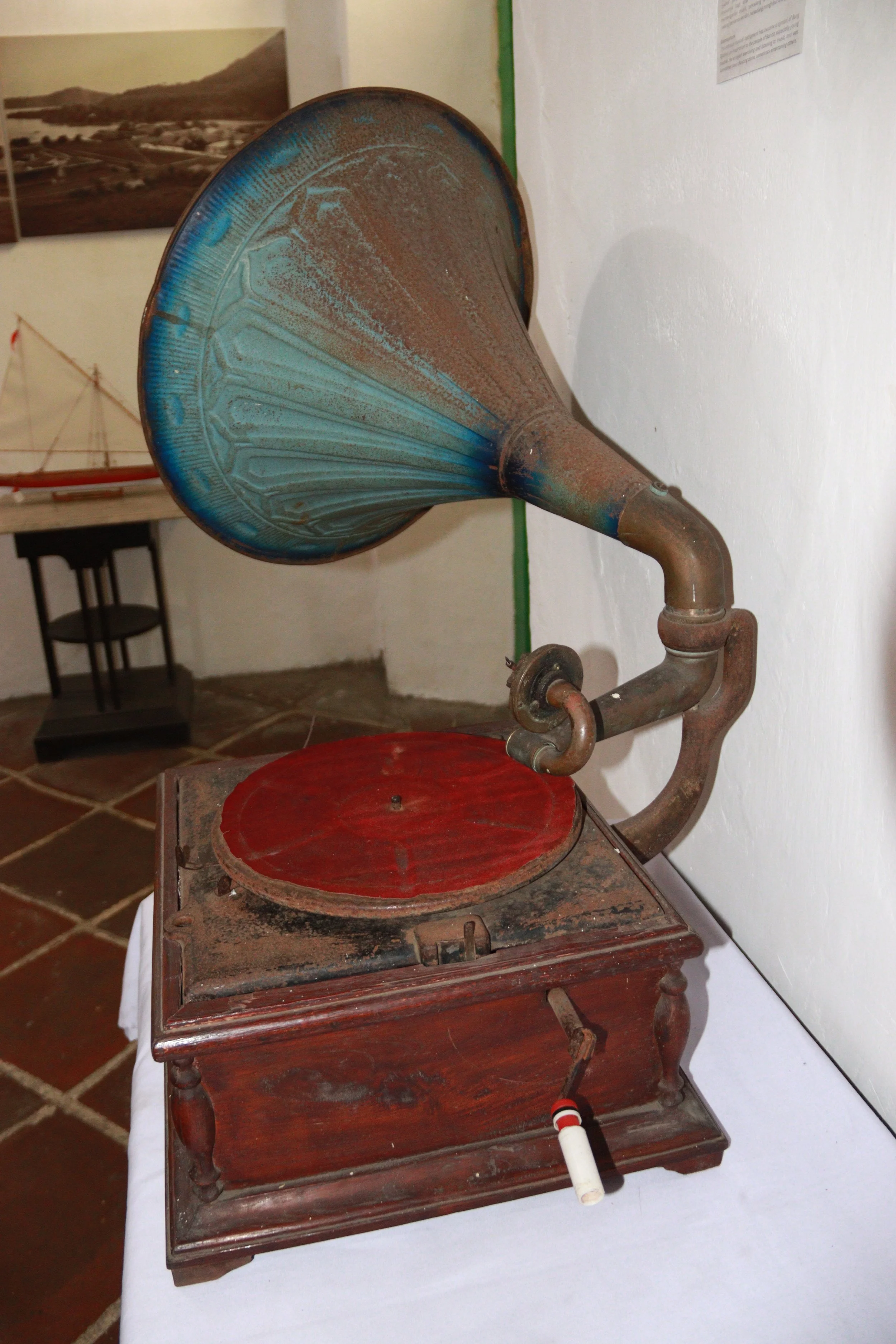
archive number: r-5-002 object reference: Record Player origin: - date: - notes: This record player is displayed to symbolise Sutan Syahrir, who was famous for his love of music and entertaining local people during his exile in Banda
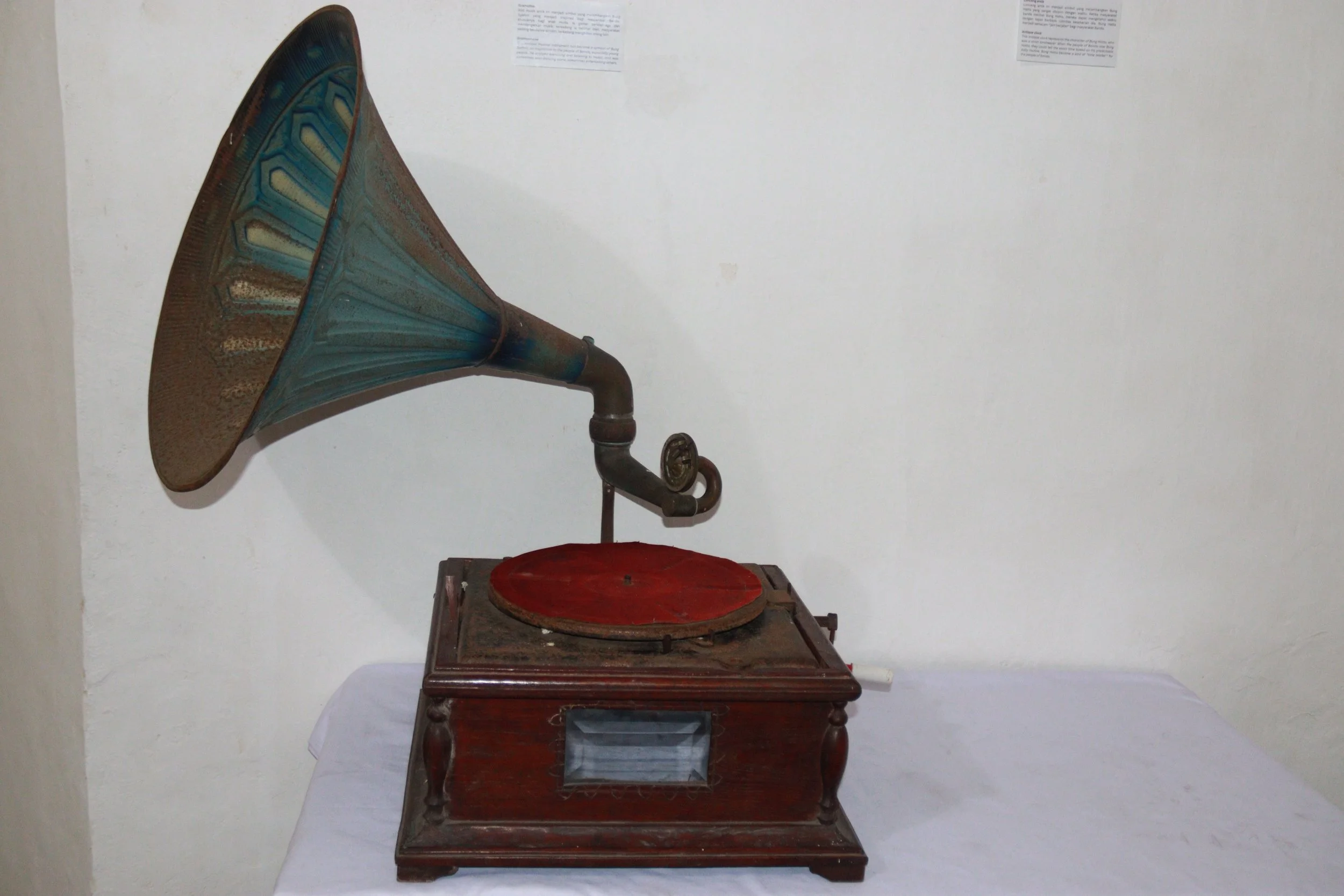
archive number: r-5-002 object reference: Record Player origin: - date: - notes: This record player is displayed to symbolise Sutan Syahrir, who was famous for his love of music and entertaining local people during his exile in Banda
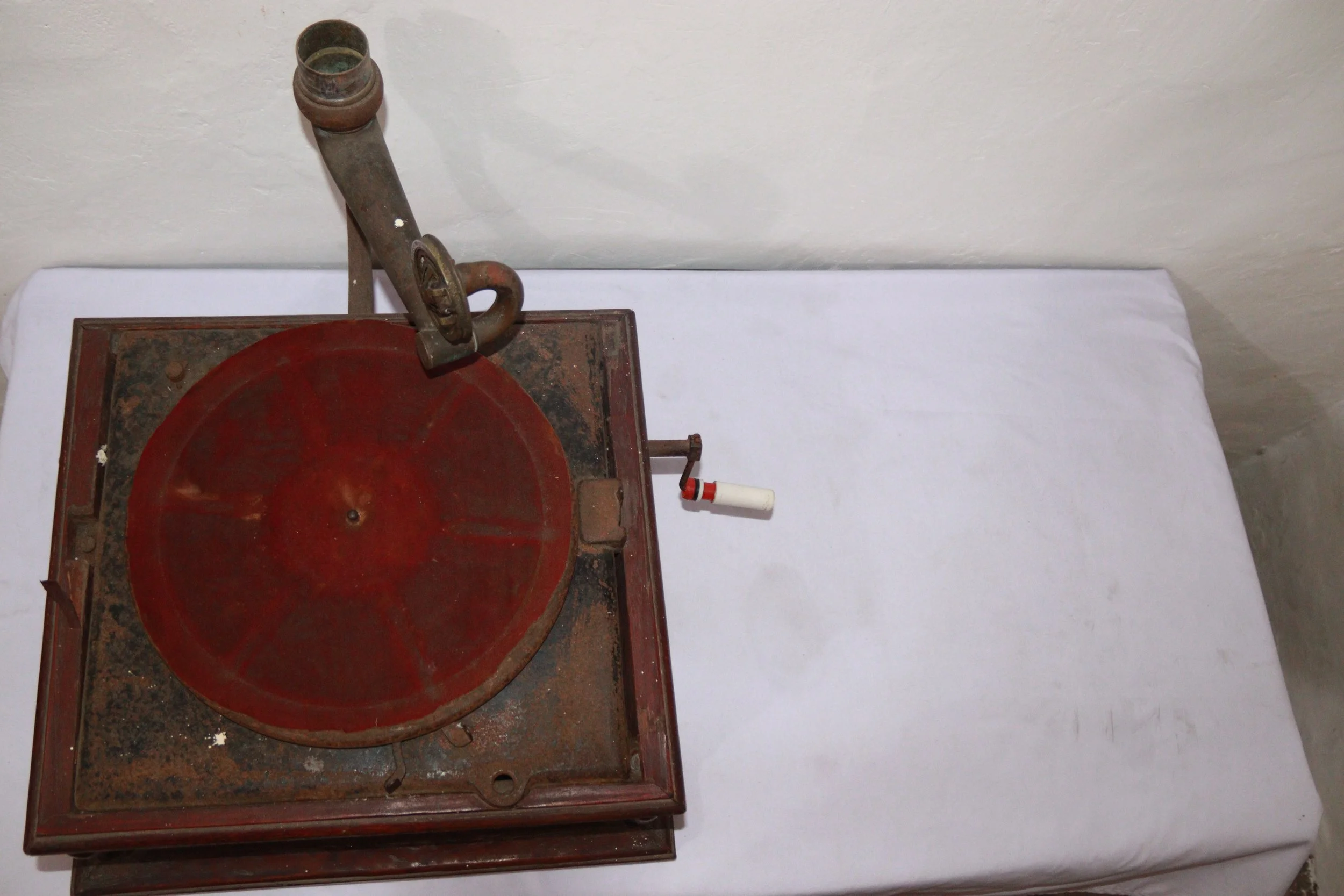
archive number: r-5-002 object reference: Record Player origin: - date: - notes: This record player is displayed to symbolise Sutan Syahrir, who was famous for his love of music and entertaining local people during his exile in Banda
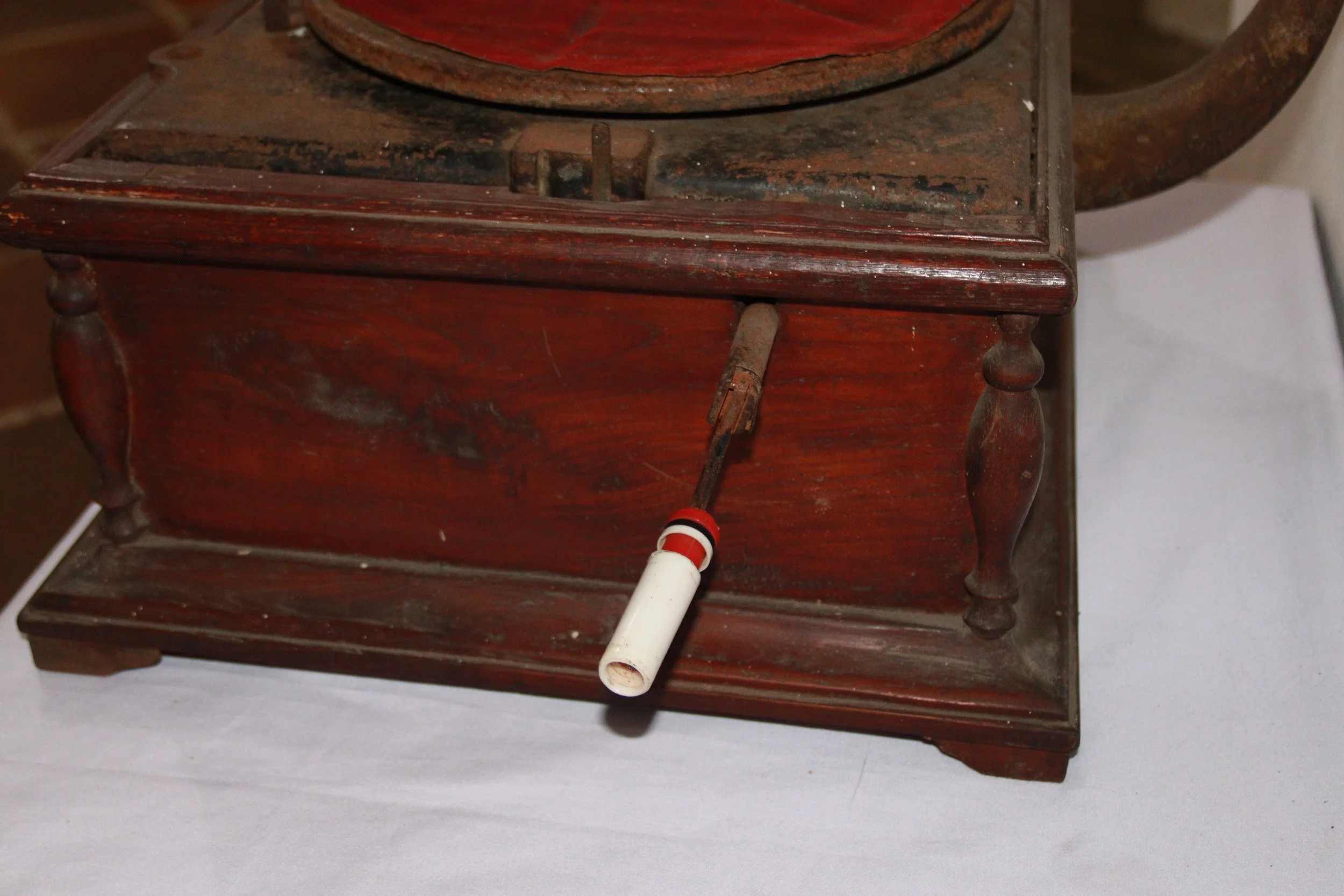
archive number: r-5-002 object reference: Record Player origin: - date: - notes: This record player is displayed to symbolise Sutan Syahrir, who was famous for his love of music and entertaining local people during his exile in Banda
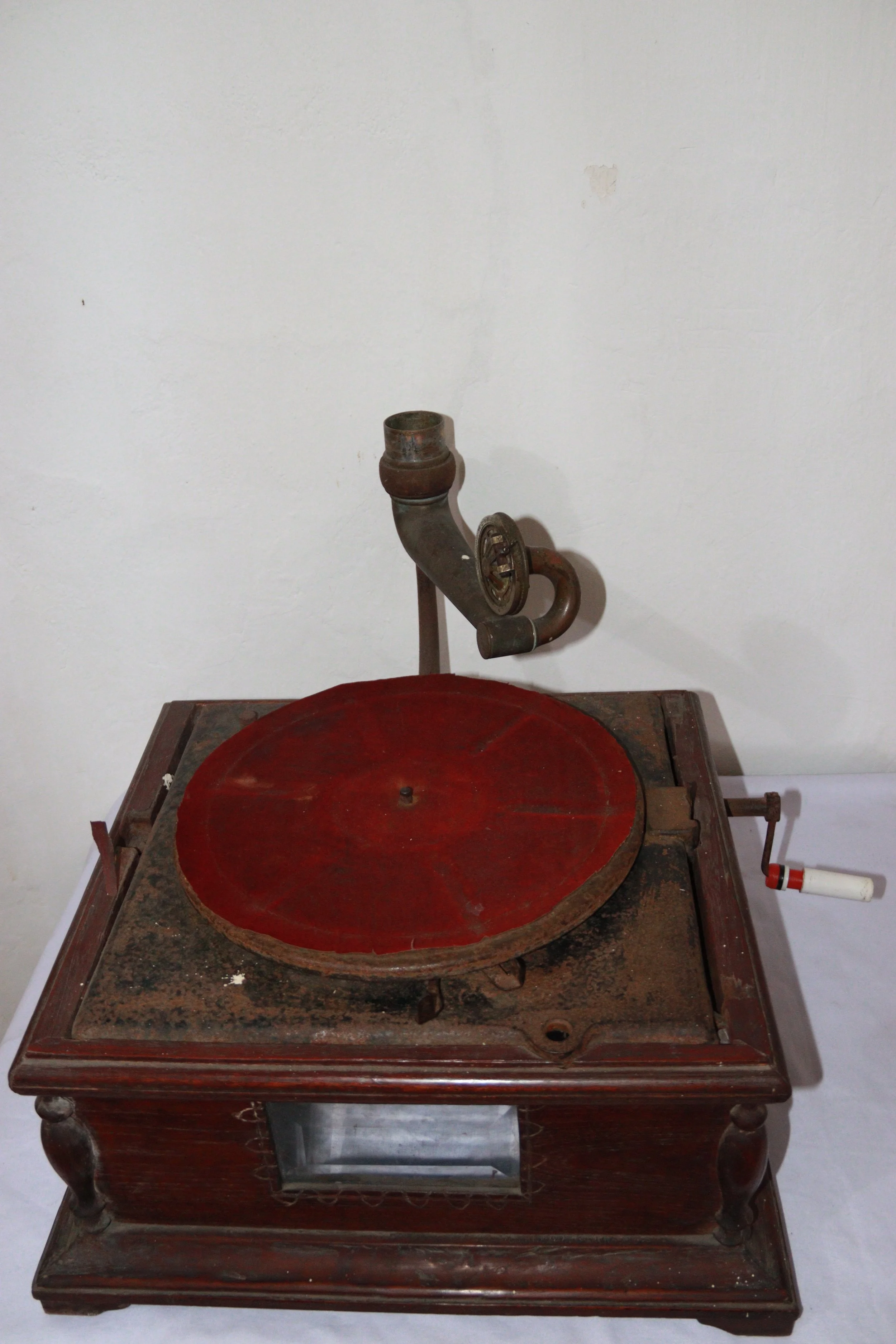
archive number: r-5-002 object reference: Record Player origin: - date: - notes: This record player is displayed to symbolise Sutan Syahrir, who was famous for his love of music and entertaining local people during his exile in Banda
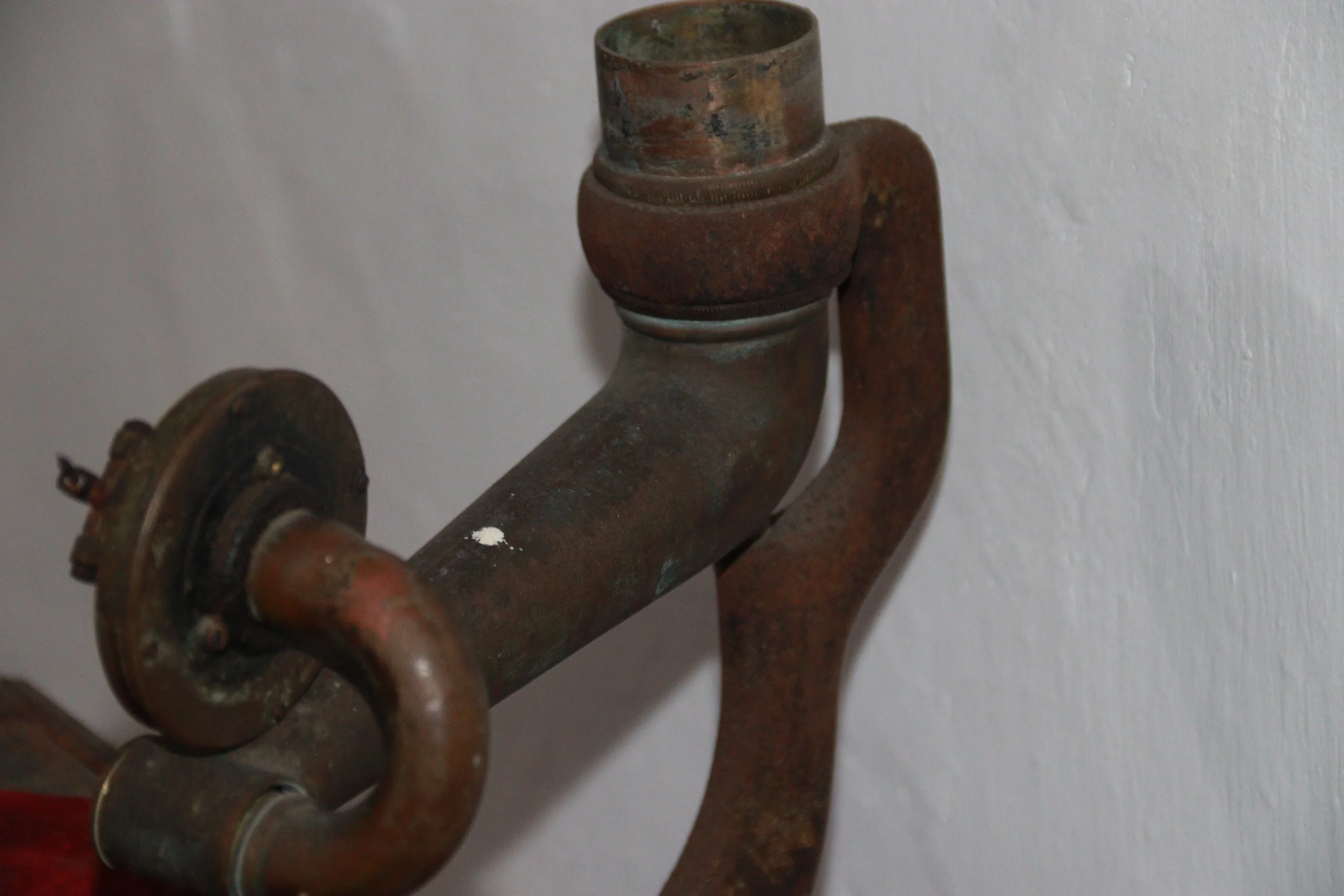
archive number: r-5-002 object reference: Record Player origin: - date: - notes: This record player is displayed to symbolise Sutan Syahrir, who was famous for his love of music and entertaining local people during his exile in Banda
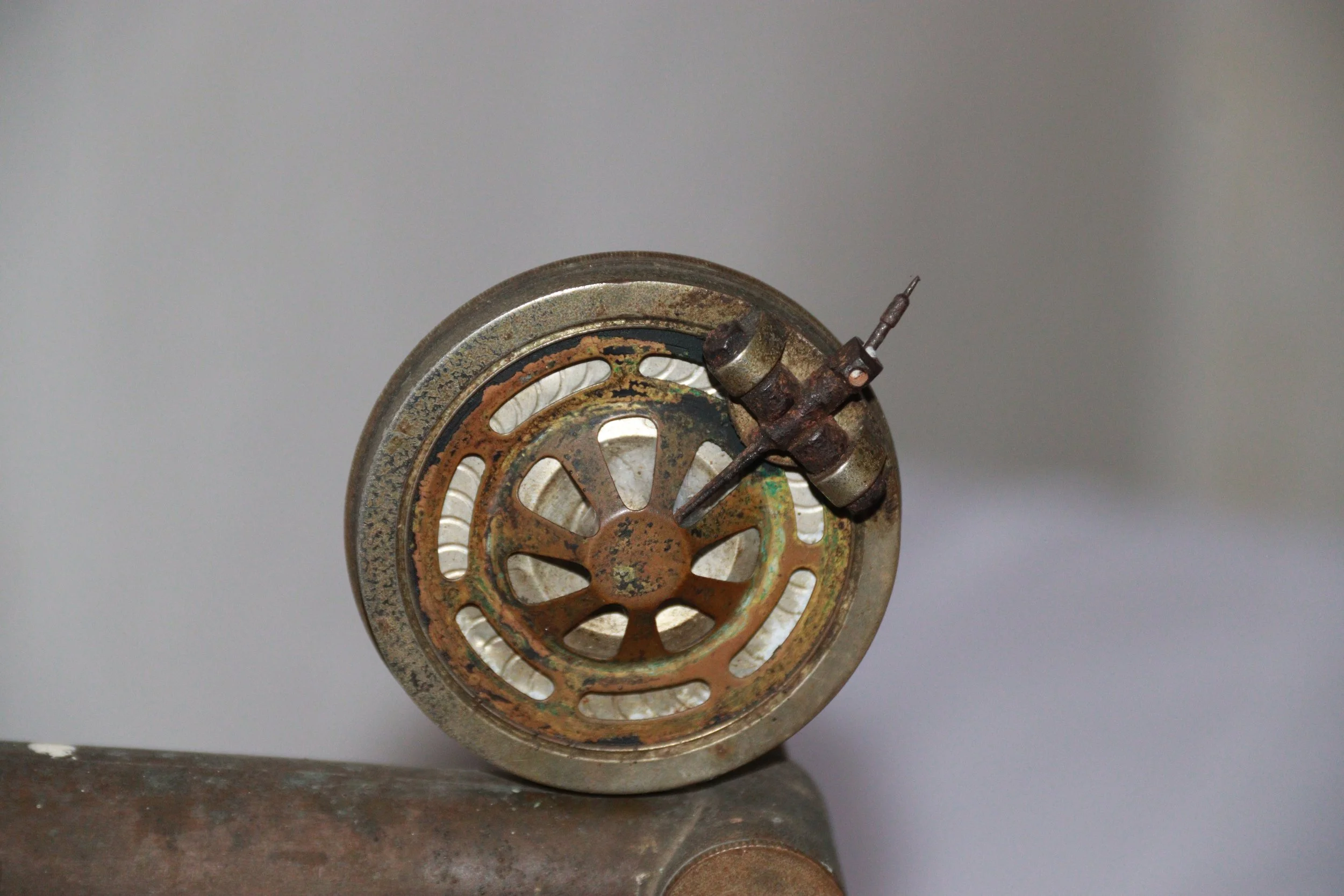
archive number: r-5-002 object reference: Record Player origin: - date: - notes: This record player is displayed to symbolise Sutan Syahrir, who was famous for his love of music and entertaining local people during his exile in Banda
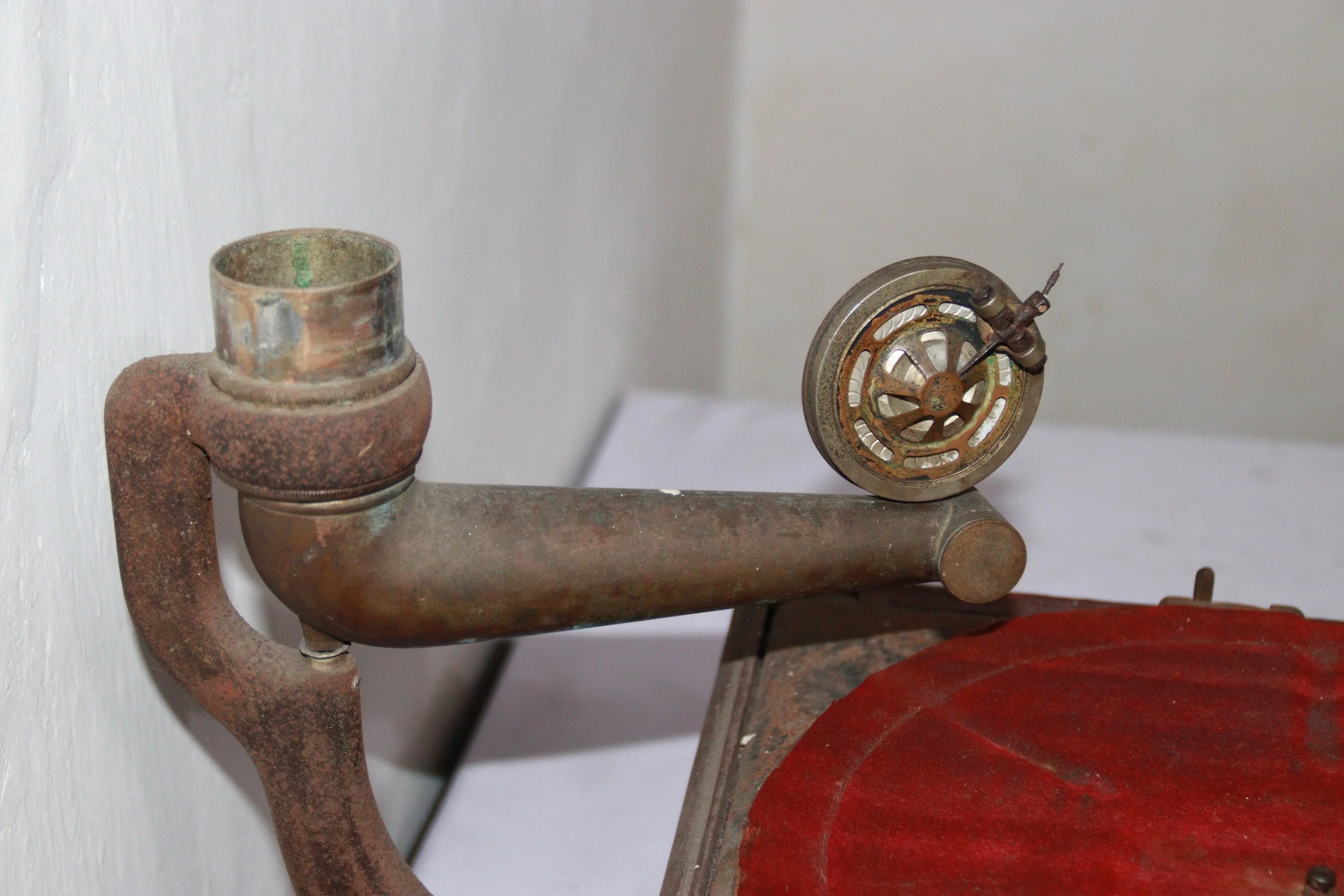
archive number: r-5-002 object reference: Record Player origin: - date: - notes: This record player is displayed to symbolise Sutan Syahrir, who was famous for his love of music and entertaining local people during his exile in Banda
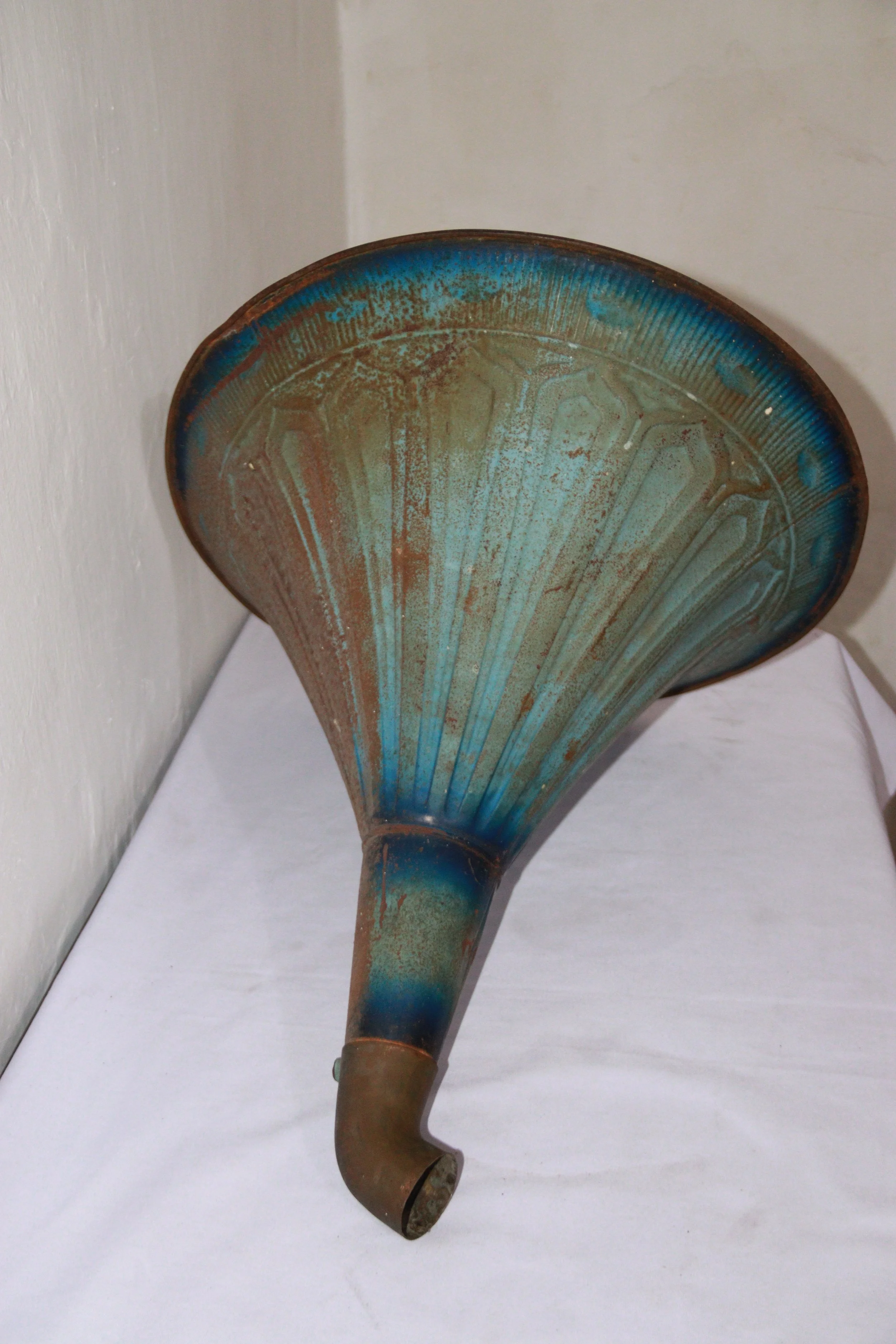
archive number: r-5-002 object reference: Record Player origin: - date: - notes: This record player is displayed to symbolise Sutan Syahrir, who was famous for his love of music and entertaining local people during his exile in Banda
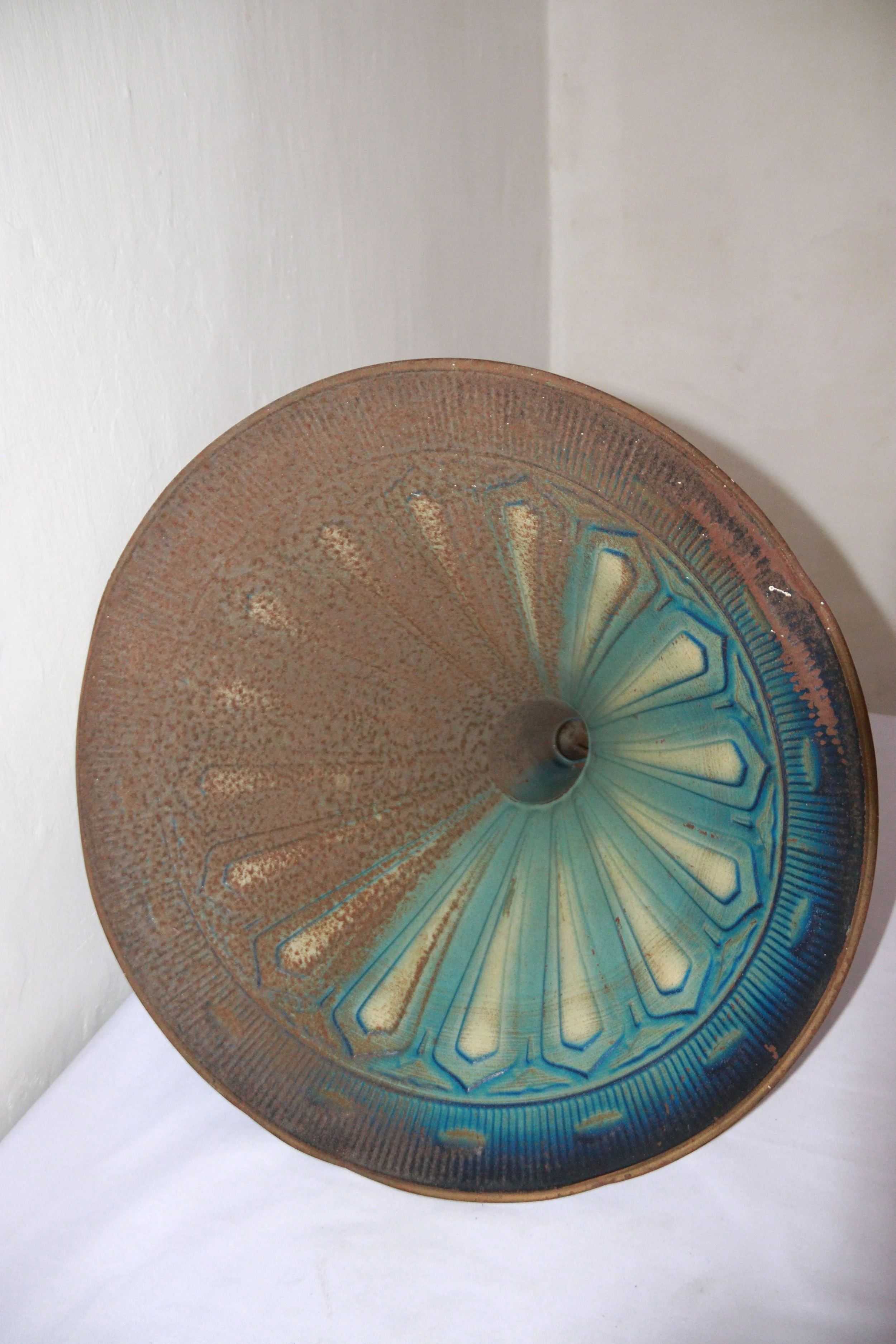
archive number: r-5-002 object reference: Record Player origin: - date: - notes: This record player is displayed to symbolise Sutan Syahrir, who was famous for his love of music and entertaining local people during his exile in Banda
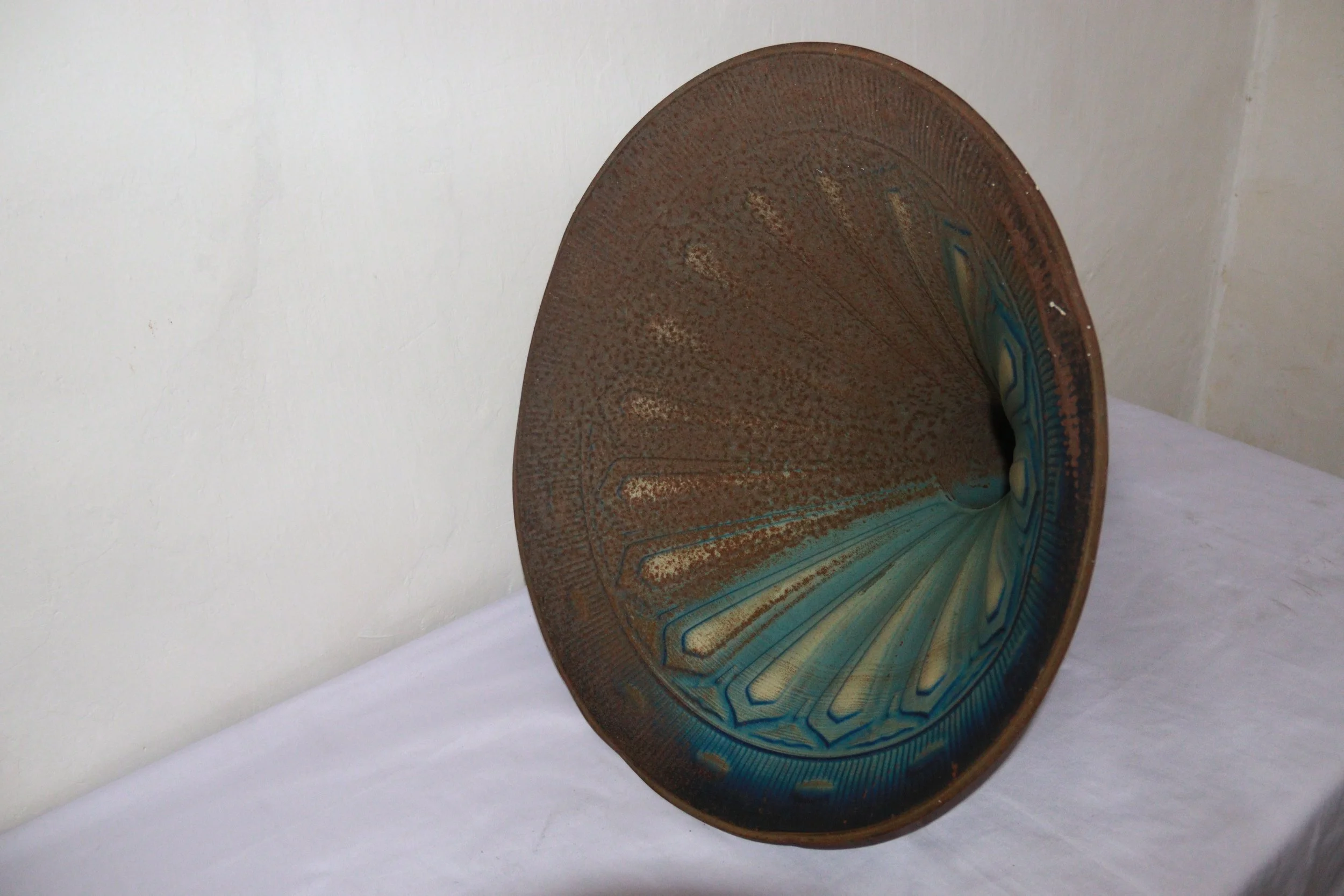
archive number: r-5-002 object reference: Record Player origin: - date: - notes: This record player is displayed to symbolise Sutan Syahrir, who was famous for his love of music and entertaining local people during his exile in Banda
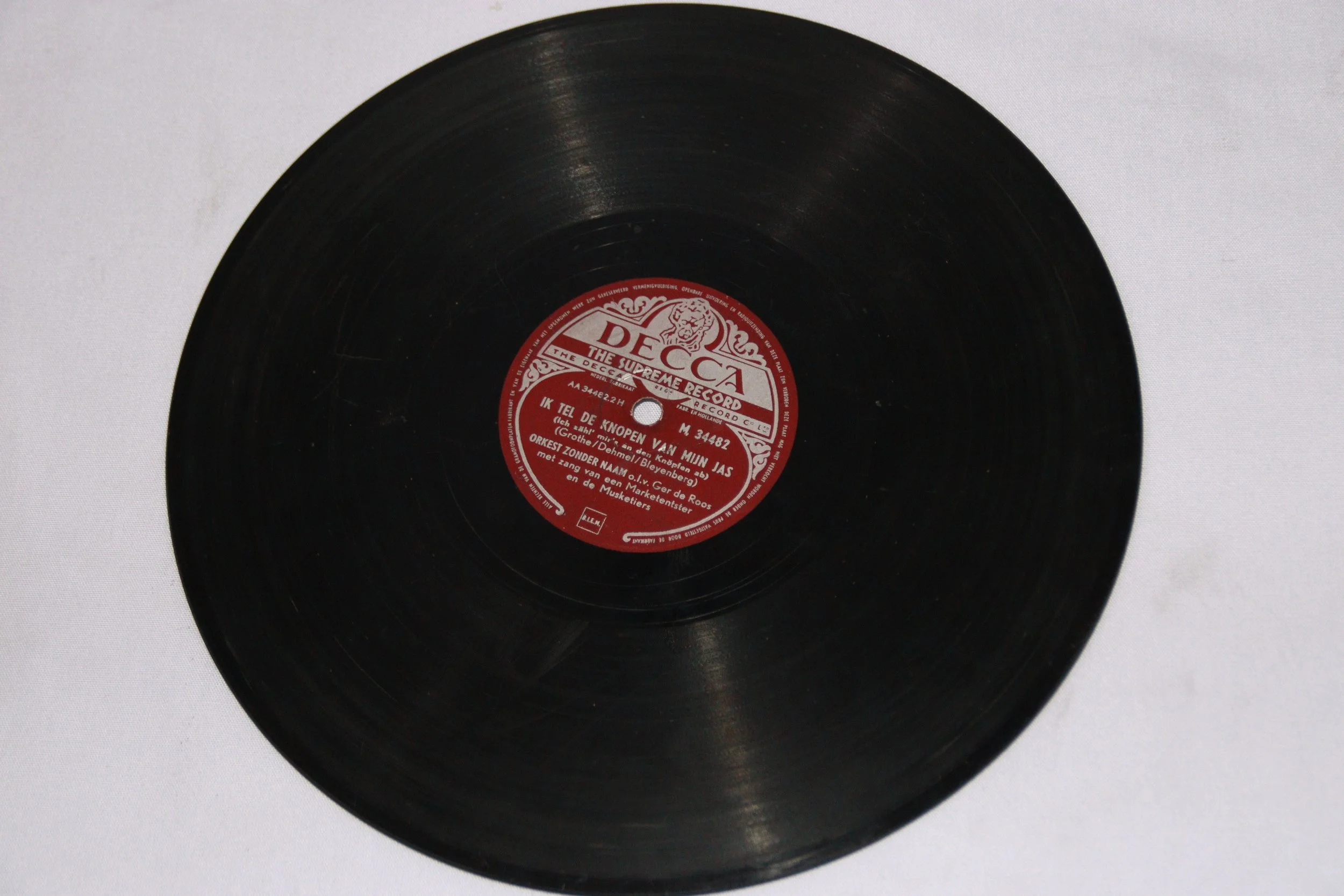
archive number: r-5-003 object reference: Record - Ik tel de knopen van mijn jas origin: The Netherlands date: 1952 notes: This record is from Des Alwi's personal collection
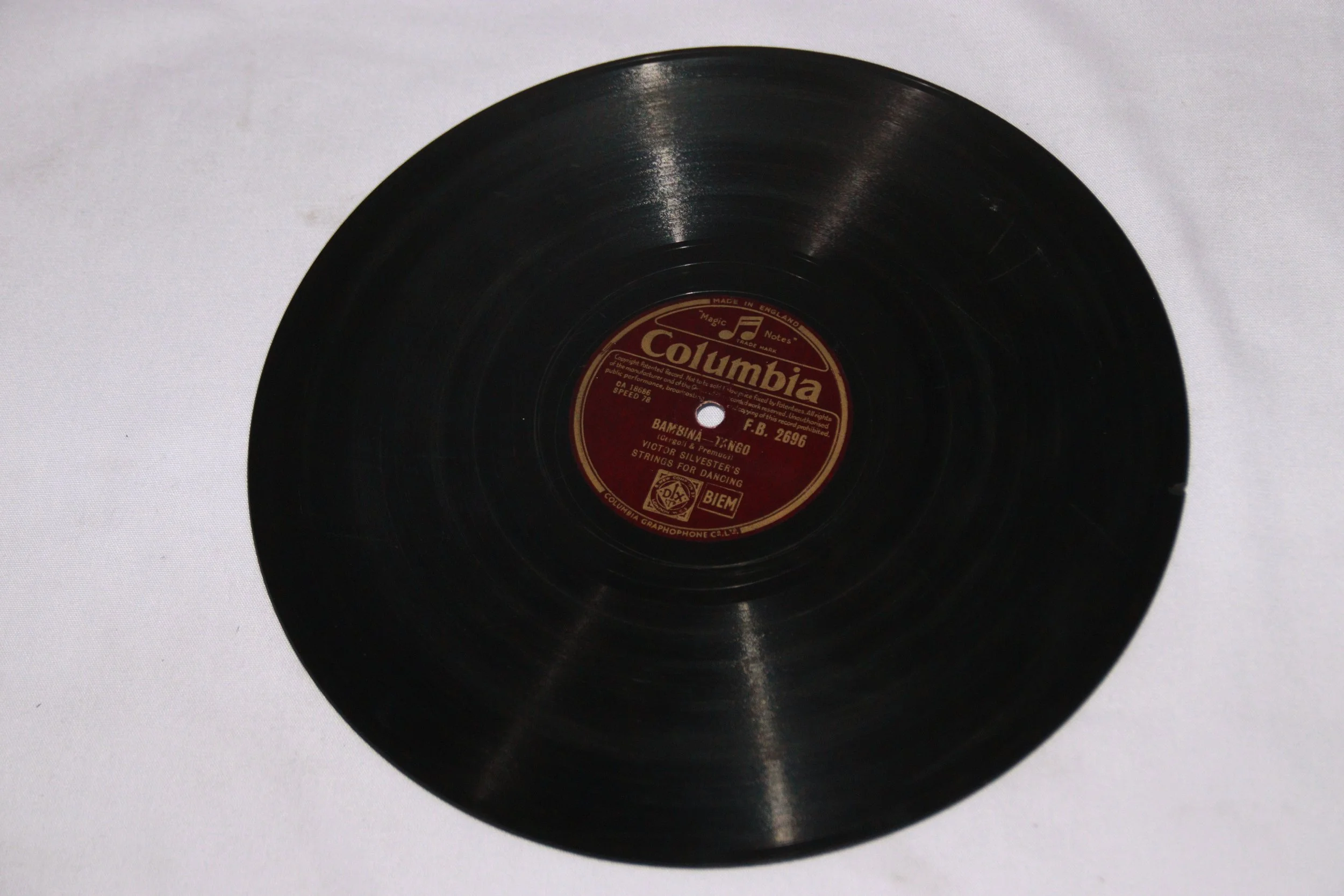
archive number: r-5-004 object reference: Record - "Victor Silvester's Strings For Dancing – Tell Me I'm Forgiven / Bambina" origin: UK date: 1941 notes: This record is from Des Alwi's personal collection
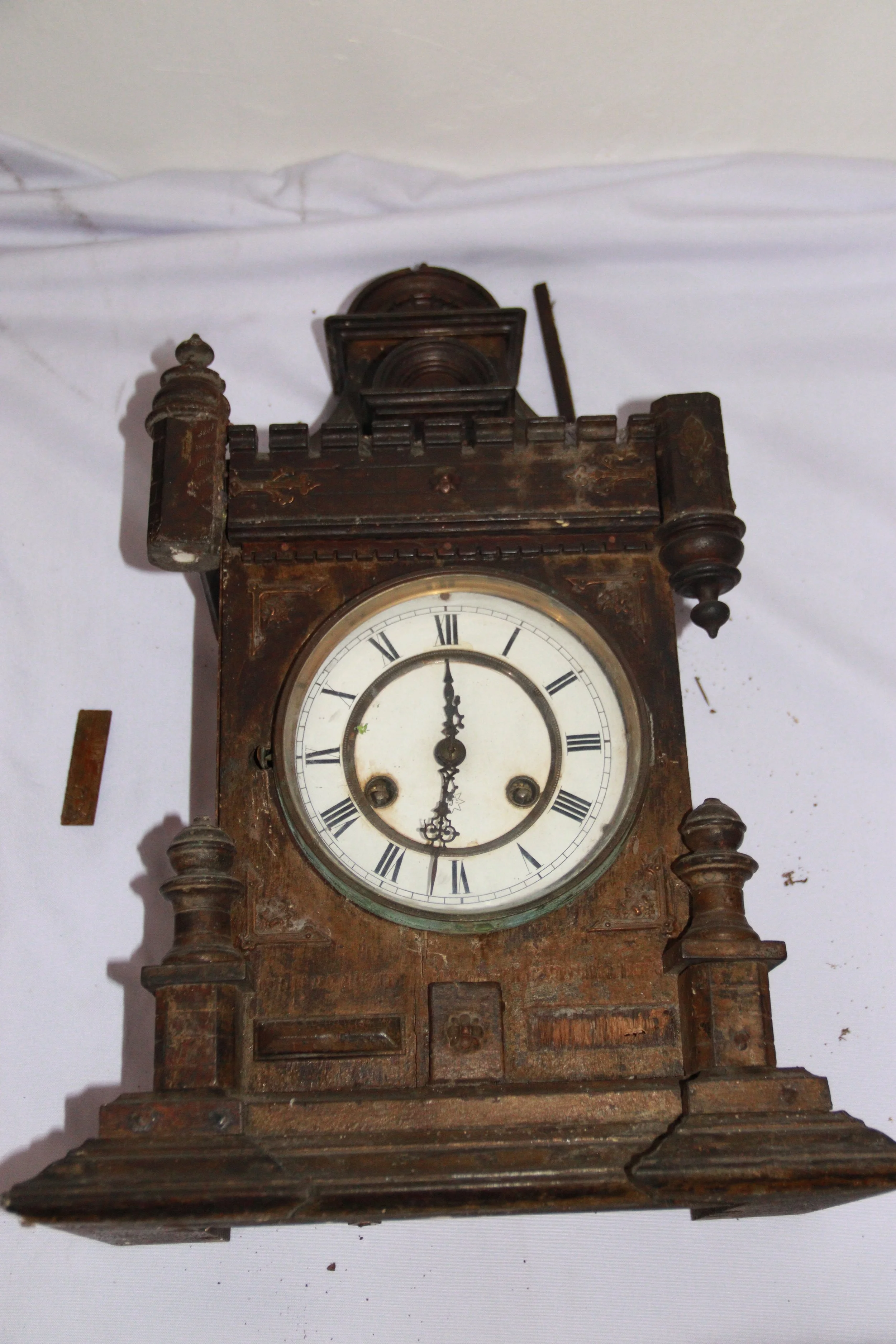
archive number: r-5-005 object reference: Antique Clock origin: - date: - notes: This antique clock represents the character of Bung Hatta, who was a strict timekeeper. When the people of Banda saw Bung Hatta, they could tell the exact time based on his predictable daily routine. Bung Hatta became a kind of "time marker" for the people of Banda.
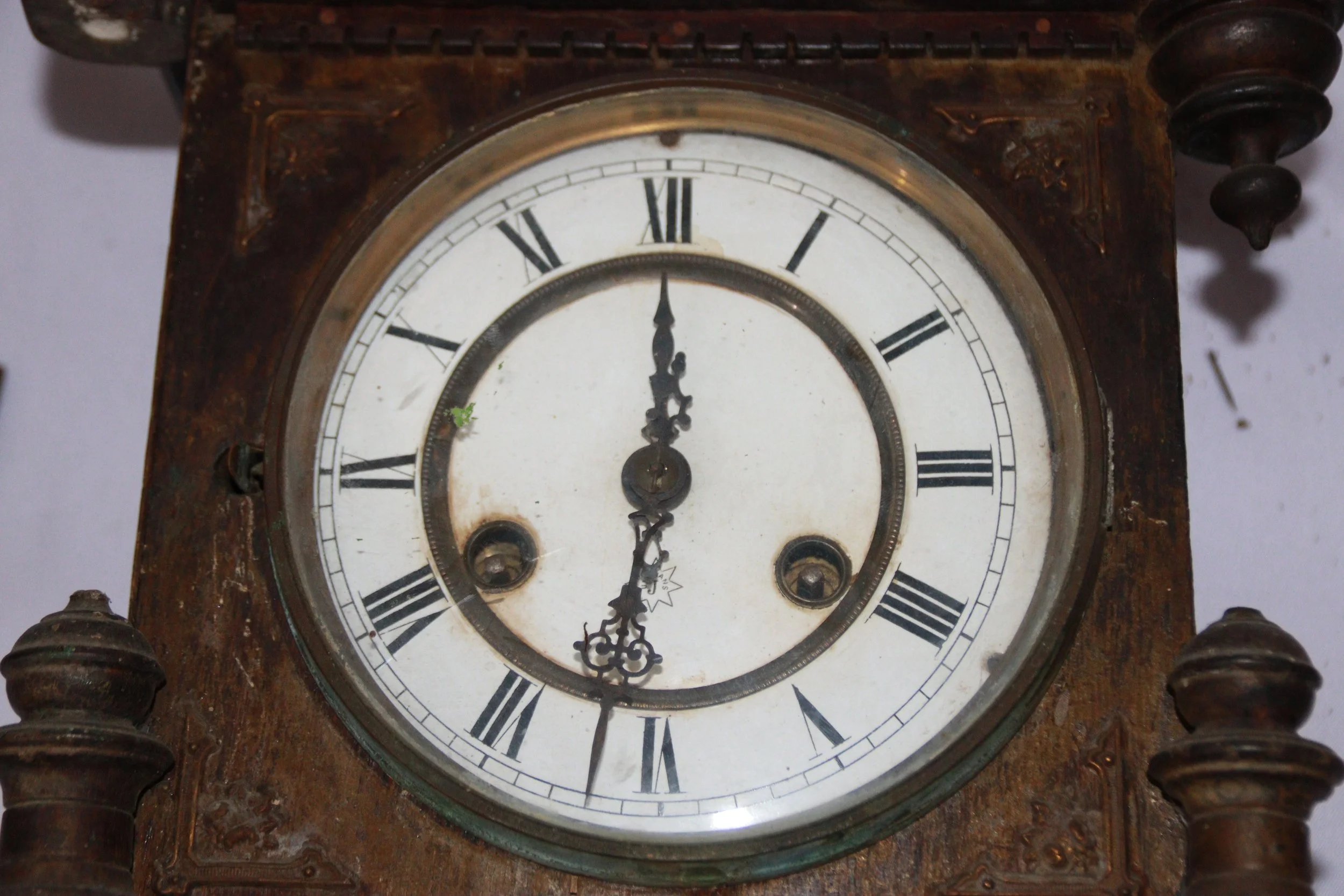
archive number: r-5-005 object reference: Antique Clock origin: - date: - notes: This antique clock represents the character of Bung Hatta, who was a strict timekeeper. When the people of Banda saw Bung Hatta, they could tell the exact time based on his predictable daily routine. Bung Hatta became a kind of "time marker" for the people of Banda.
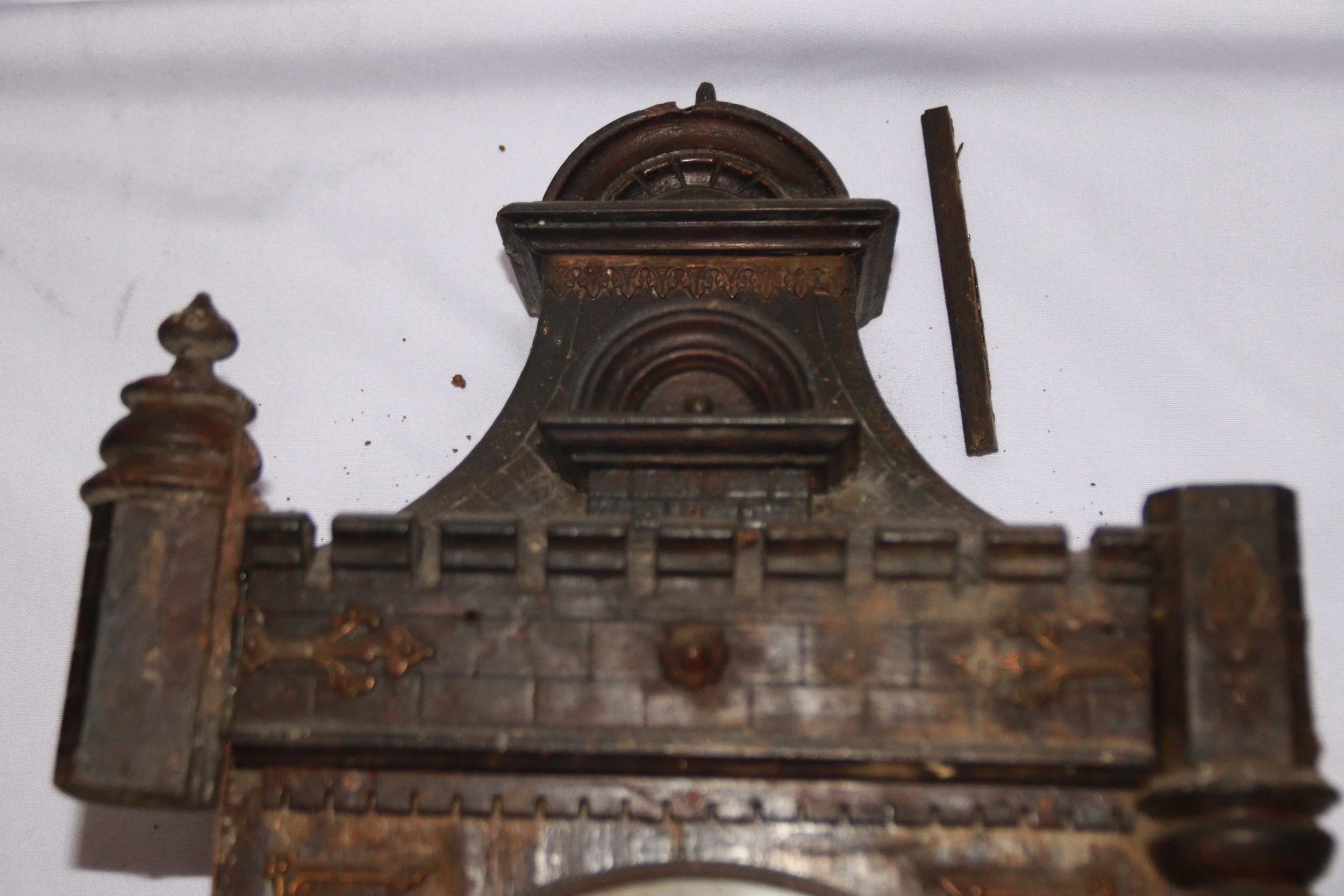
archive number: r-5-005 object reference: Antique Clock origin: - date: - notes: This antique clock represents the character of Bung Hatta, who was a strict timekeeper. When the people of Banda saw Bung Hatta, they could tell the exact time based on his predictable daily routine. Bung Hatta became a kind of "time marker" for the people of Banda.
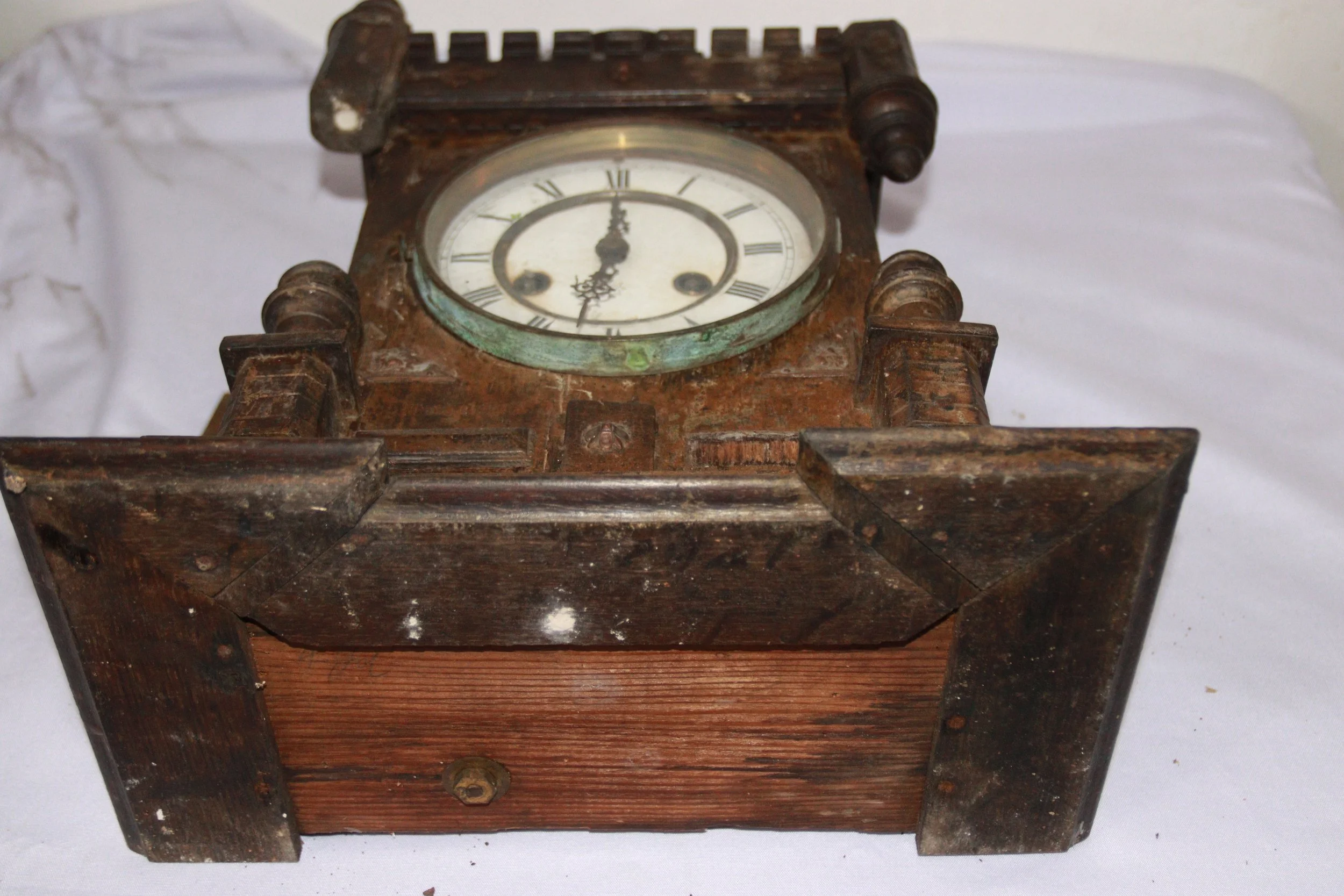
archive number: r-5-005 object reference: Antique Clock origin: - date: - notes: This antique clock represents the character of Bung Hatta, who was a strict timekeeper. When the people of Banda saw Bung Hatta, they could tell the exact time based on his predictable daily routine. Bung Hatta became a kind of "time marker" for the people of Banda.
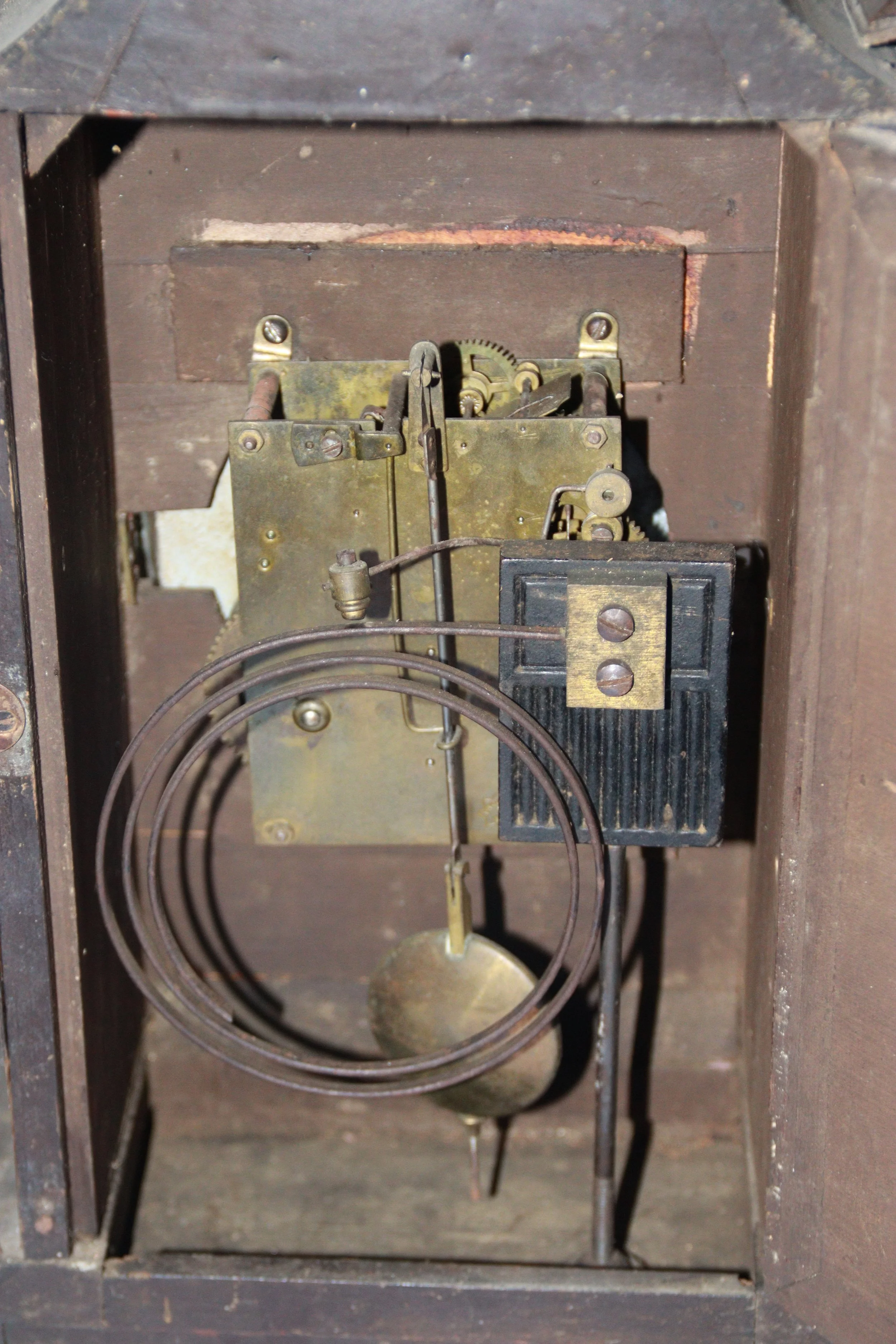
archive number: r-5-005 object reference: Antique Clock origin: - date: - notes: This antique clock represents the character of Bung Hatta, who was a strict timekeeper. When the people of Banda saw Bung Hatta, they could tell the exact time based on his predictable daily routine. Bung Hatta became a kind of "time marker" for the people of Banda.
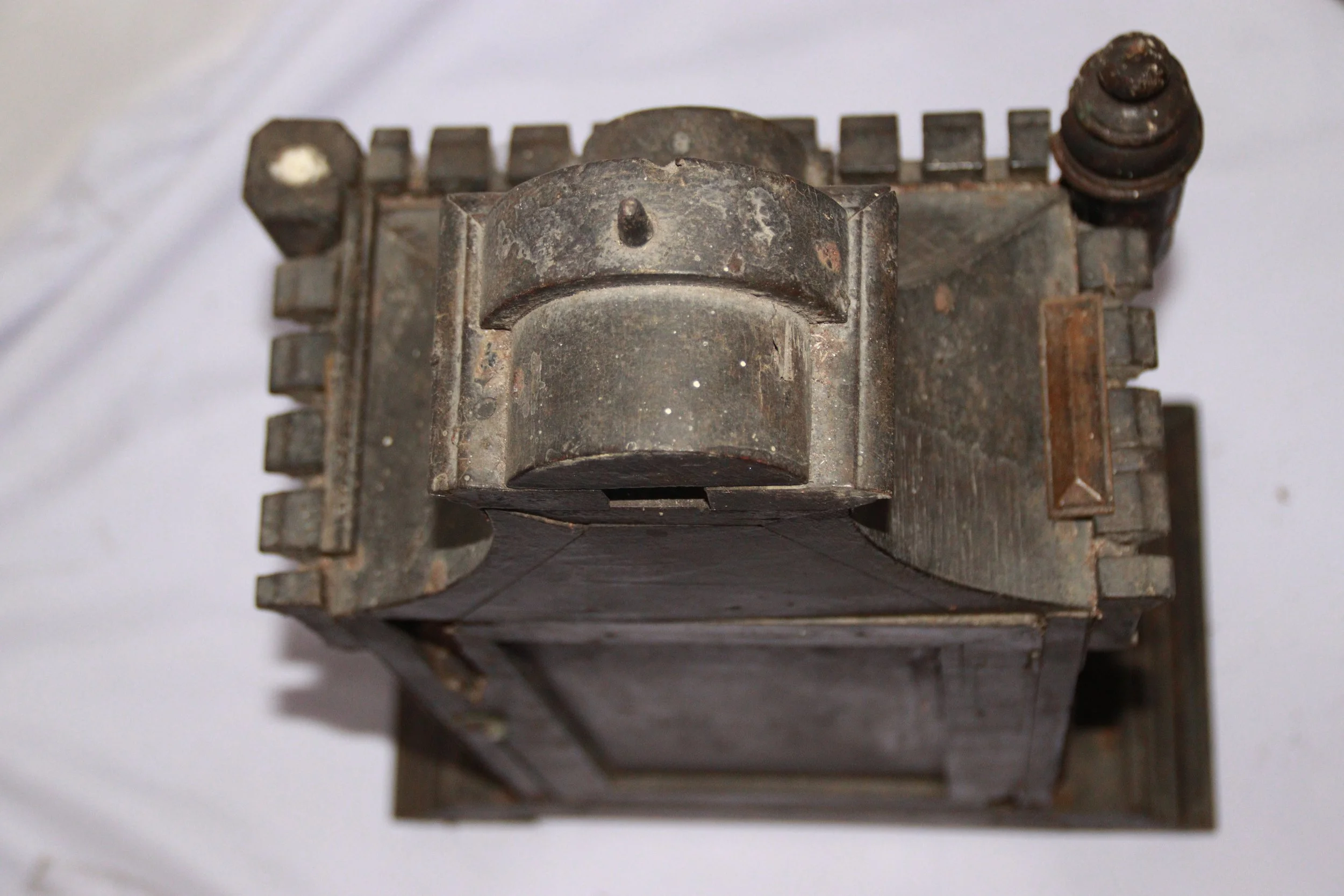
archive number: r-5-005 object reference: Antique Clock origin: - date: - notes: This antique clock represents the character of Bung Hatta, who was a strict timekeeper. When the people of Banda saw Bung Hatta, they could tell the exact time based on his predictable daily routine. Bung Hatta became a kind of "time marker" for the people of Banda.
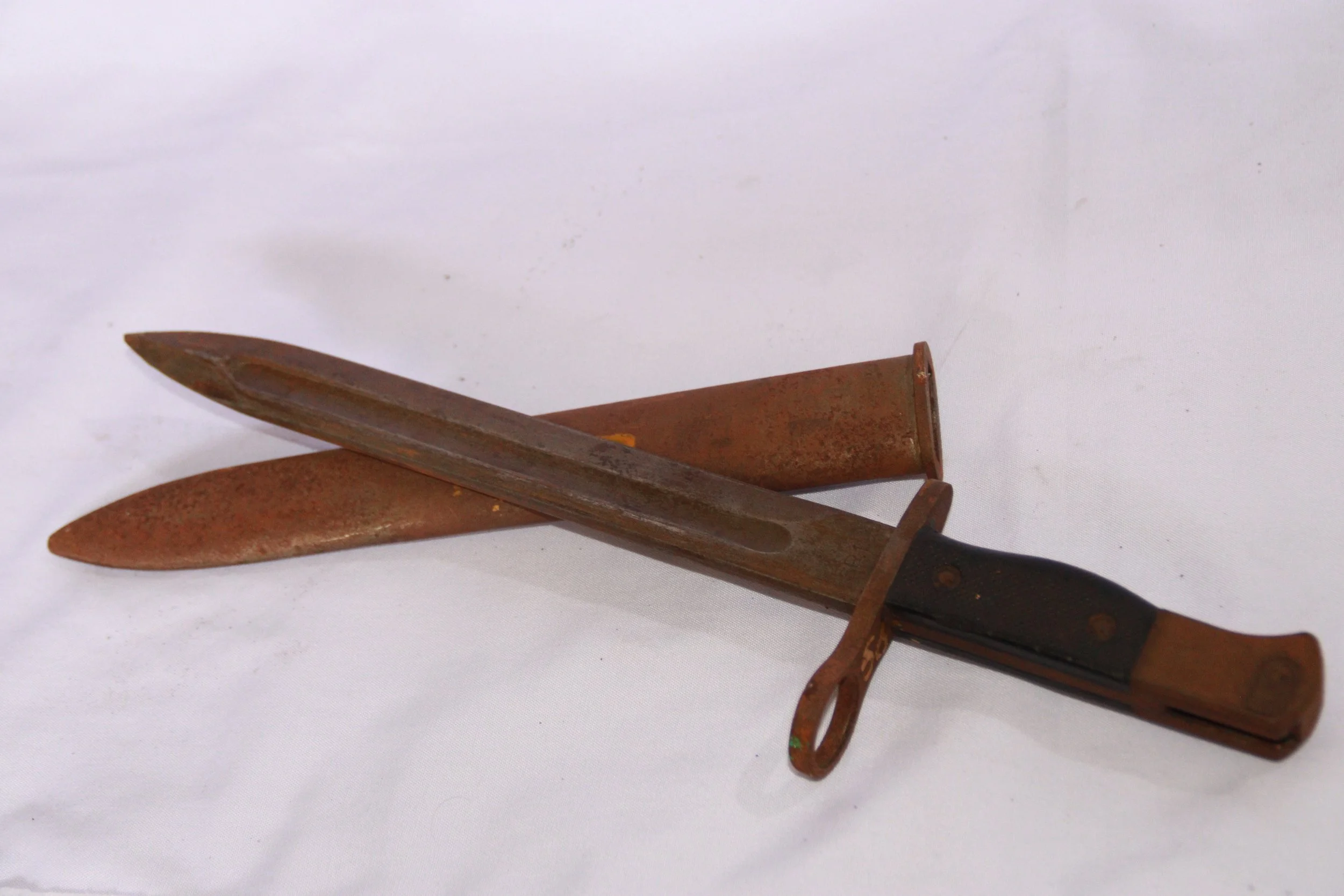
archive number: r-5-006 object reference: Bayonet (Mannlicher - presumed) origin: Austria (presumed) date: - notes: This bayonet originates from around WWII, and may have seen active service in Banda during the Japanese invasion or subsequent war for independence
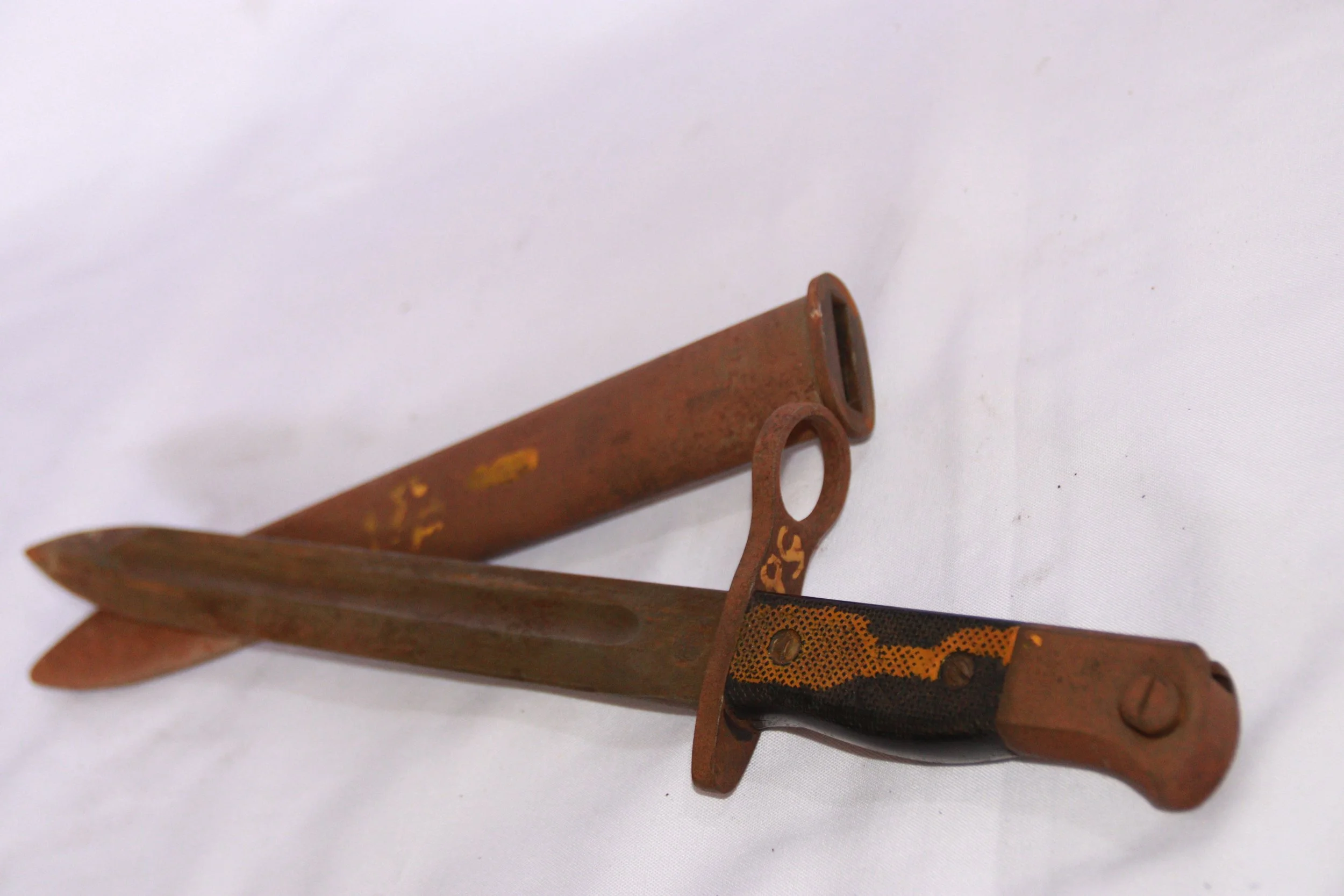
archive number: r-5-006 object reference: Bayonet (Mannlicher - presumed) origin: Austria (presumed) date: - notes: This bayonet originates from around WWII, and may have seen active service in Banda during the Japanese invasion or subsequent war for independence
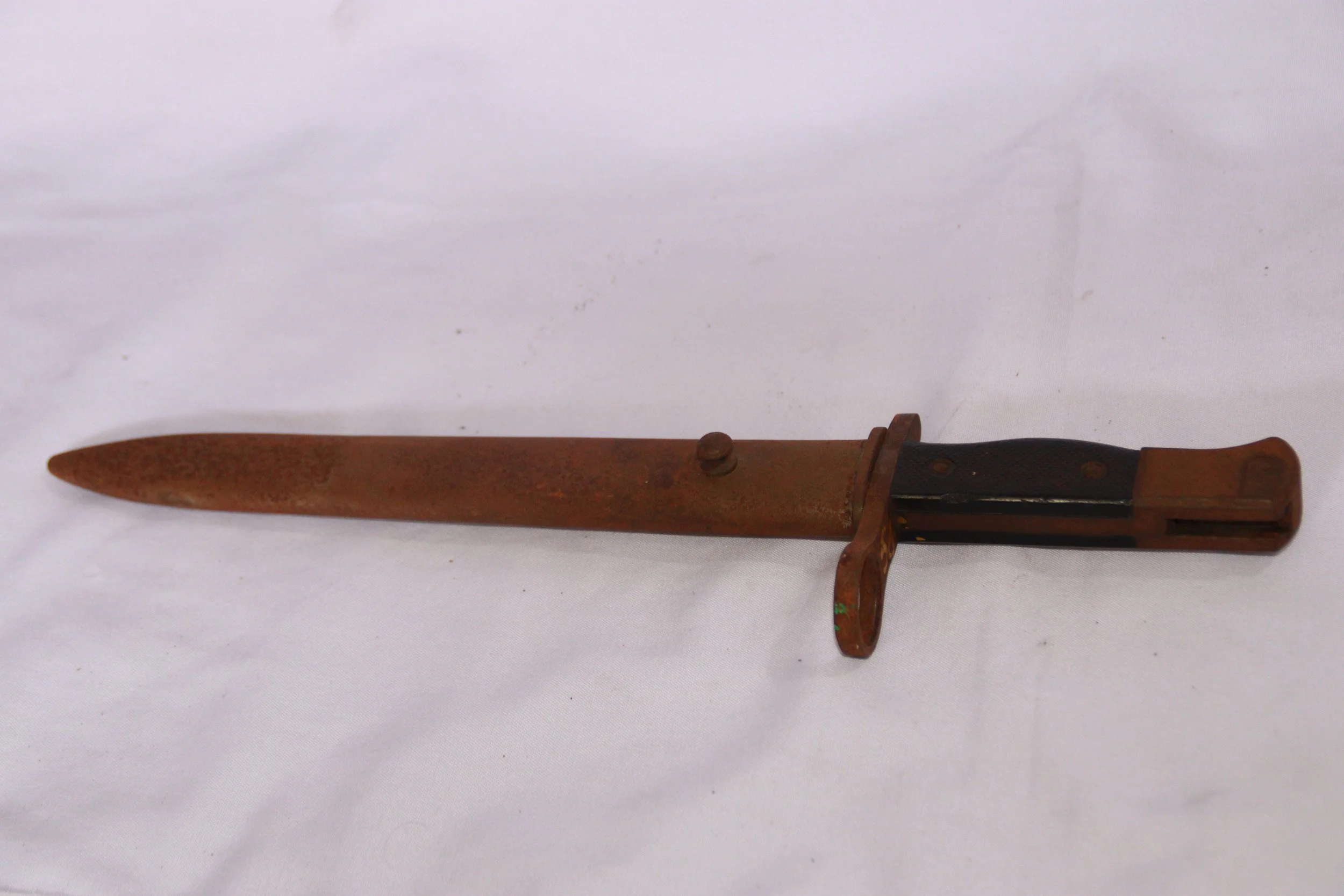
archive number: r-5-006 object reference: Bayonet (Mannlicher - presumed) origin: Austria (presumed) date: - notes: This bayonet originates from around WWII, and may have seen active service in Banda during the Japanese invasion or subsequent war for independence