
THE EARLY SPICE TRADE
The arrival of Europeans marked a new chapter in Banda’s history, and a transition from autonomous self-government to conquest and colonisation. Seeking a monopoly on the islands’ lucrative spice trade, Dutch mercantilists seized control of Banda, beginning a process of colonisation across Indonesia that would take nearly four centuries to complete.
During their colonisation of the Banda Islands, the Dutch Empire emerged as a global power, leveraging the riches of their spice monopoly to expand their territories and increase the wealth of the Netherlands at home. So much money was made from the spice trade that it changed the way we all do business, and led to the establishment of the world’s first stock market in Amsterdam. Though the importance of Banda to the Empire would gradually diminish over time, the colonial legacy is felt everywhere in Banda today.
So valuable were Bandanese spices that individual voyages were unable to meet the market demand, and a new way of doing business was born. Public trading of shares in the VOC (Dutch East India Company) meant that the company could spread its risks and send continuous expeditions, leading to the world’s first stock exchange. In 1667 the Dutch assumed full control of the Banda Islands through the Treaty of Breda, through which the British relinquished their claim to Rhun Island in exchange for the Dutch Holdings of New Amsterdam which would one day become home to the world’s premier stock exchange at Wall Street.
This archive explores how the process of colonisation reshaped the destiny of Banda and the entire world.
Note: The Rumah Budaya Banda collection combines objects and artefacts from a range of sources, many of which have been selected to represent historical change in Banda. They may not directly originate from the time periods associated with the archive. We are working to expand the collection and confirm historical data of individual objects. If you have additional information or inputs regarding any of the objects and artefacts in the collection, we invite you to join our open-source curatorial initiative using the input form at the bottom of this page and contribute to Rumah Budaya Banda’s ongoing revitalisation.
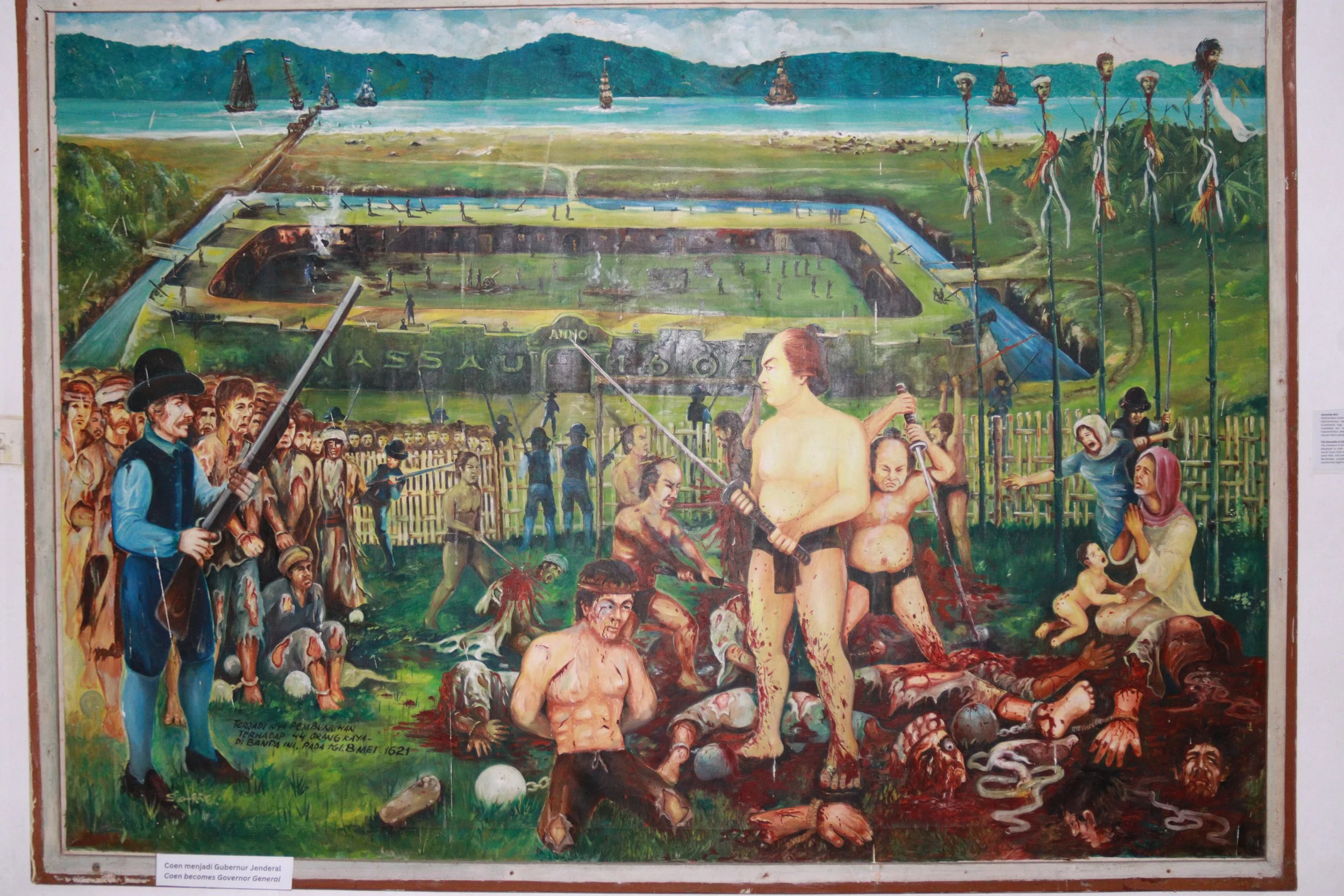
archive number: r-3-001 object reference: Banda Massacre of 1621 origin: Banda date: - notes: The massacre of prominent figures in Banda Naira was carried out publicly, displayed to their wives, children, and the community, so that everyone would know that to oppose the VOC's decision would mean suffering the same fate. This event left a lasting impression and bitter memories for the Bandanese people, reflecting on Jan Pieterszoon Coen's cruelty, and marked the beginning of hundreds of years of colonial rule in Banda.
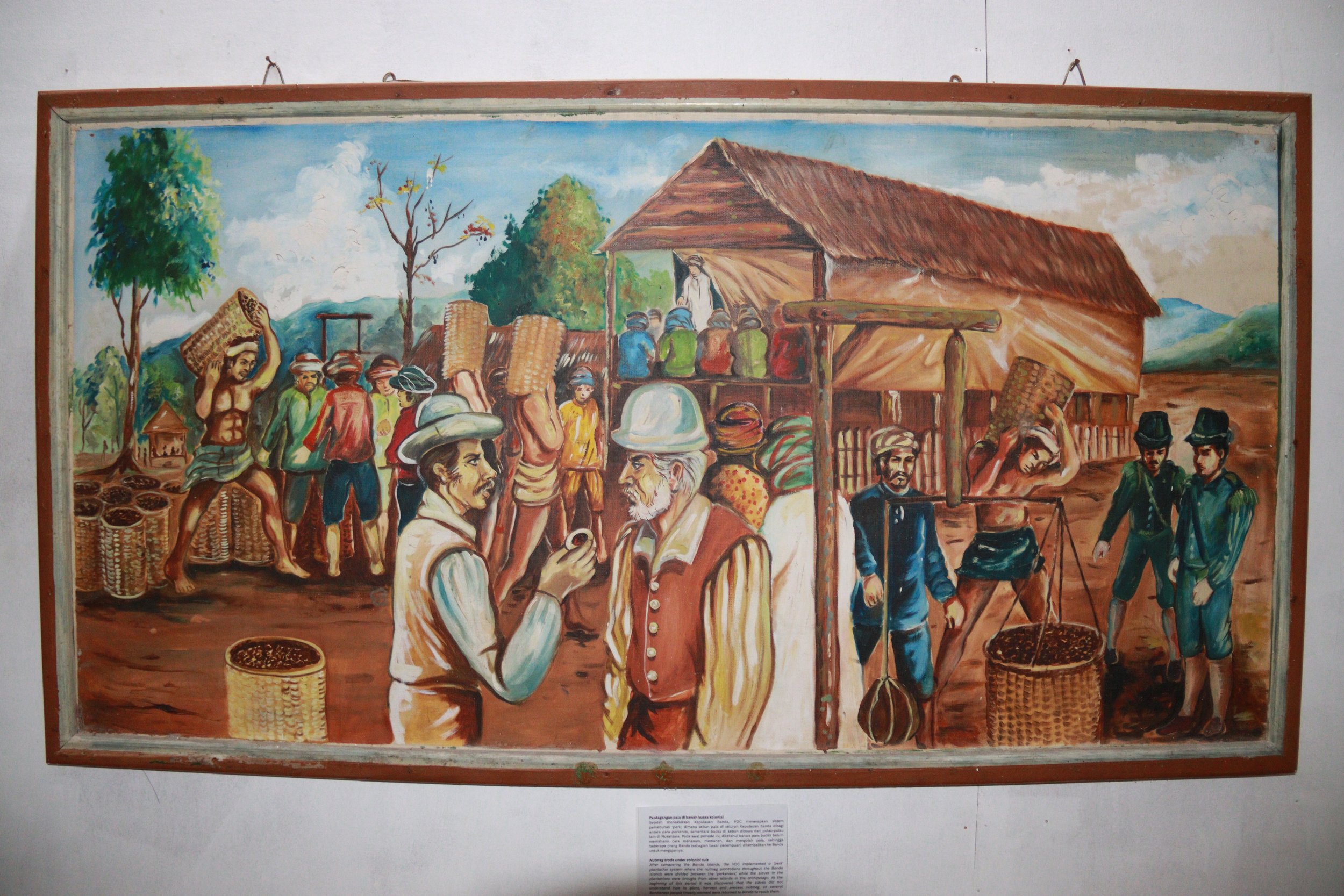
archive number: r-3-002 object reference: Nutmeg trade under colonial rule origin: Banda date: - notes: After conquering the Banda Islands, the VOC implemented a 'perk' plantation system where the nutmeg plantations throughout the Banda Islands were divided between the ‘perkeniers’, while the slaves in the plantations were brought from other islands in the archipelago. At the beginning of this period it was discovered that the slaves did not understand how to plant, harvest and process nutmeg, so several Bandanese people (mostly women) were returned to Banda to teach them.
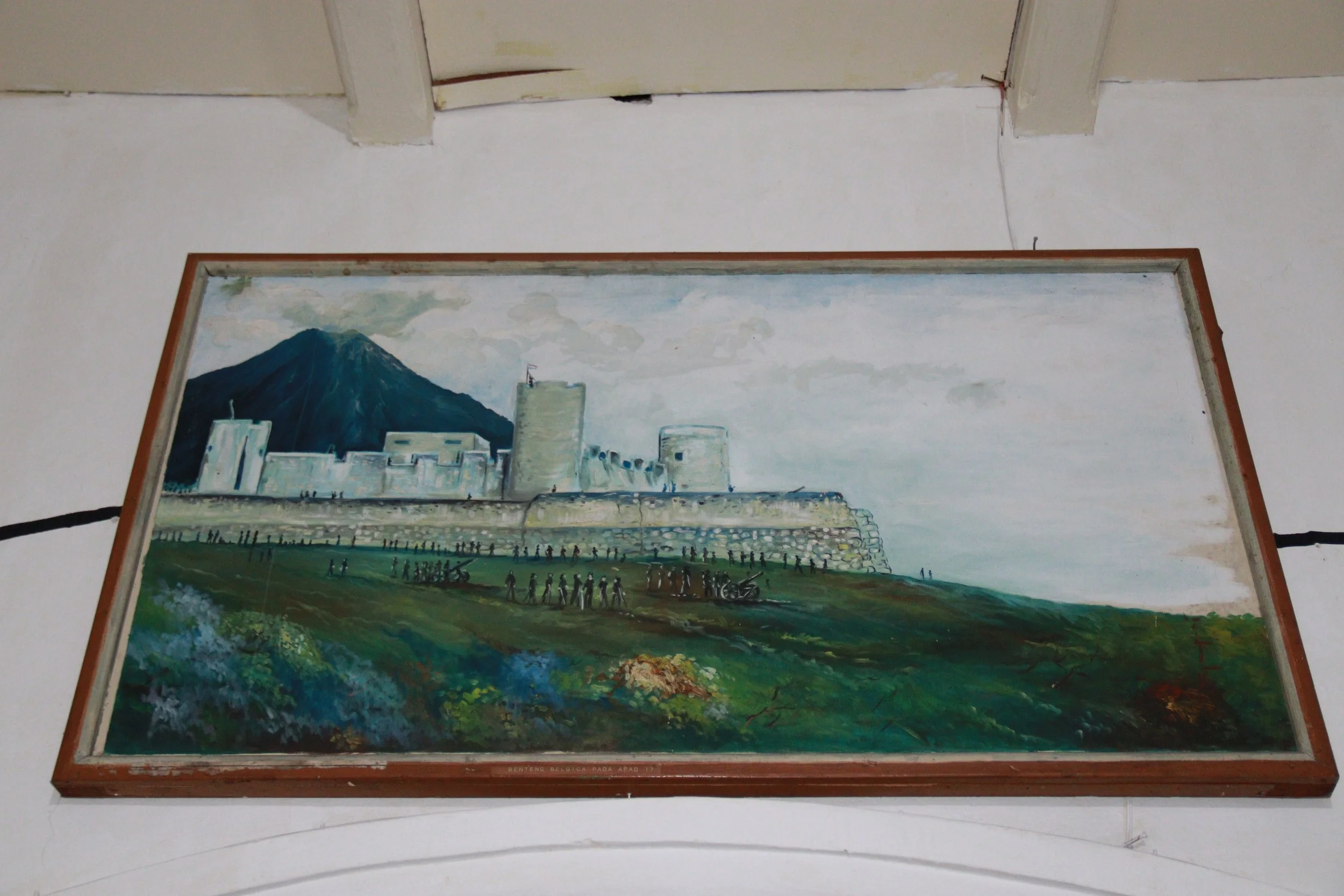
archive number: r-3-003 object reference: Belgica Fortress from the base of Mount Tabaleku origin: Banda date: - notes: To this day, Belgica Fortress remains one of Banda's iconic buildings, depicted on the 1,000 rupiah banknote. The Dutch desire to build this fort was one of the triggers for the massacre of the Bandanese people, as local residents rejected it. After the first structure was built in 1611, the massive fort that still stands today was completed in 1673 on the same site, serving as the center of military power for the Dutch East India Company (VOC) and the Dutch Empire in Banda.
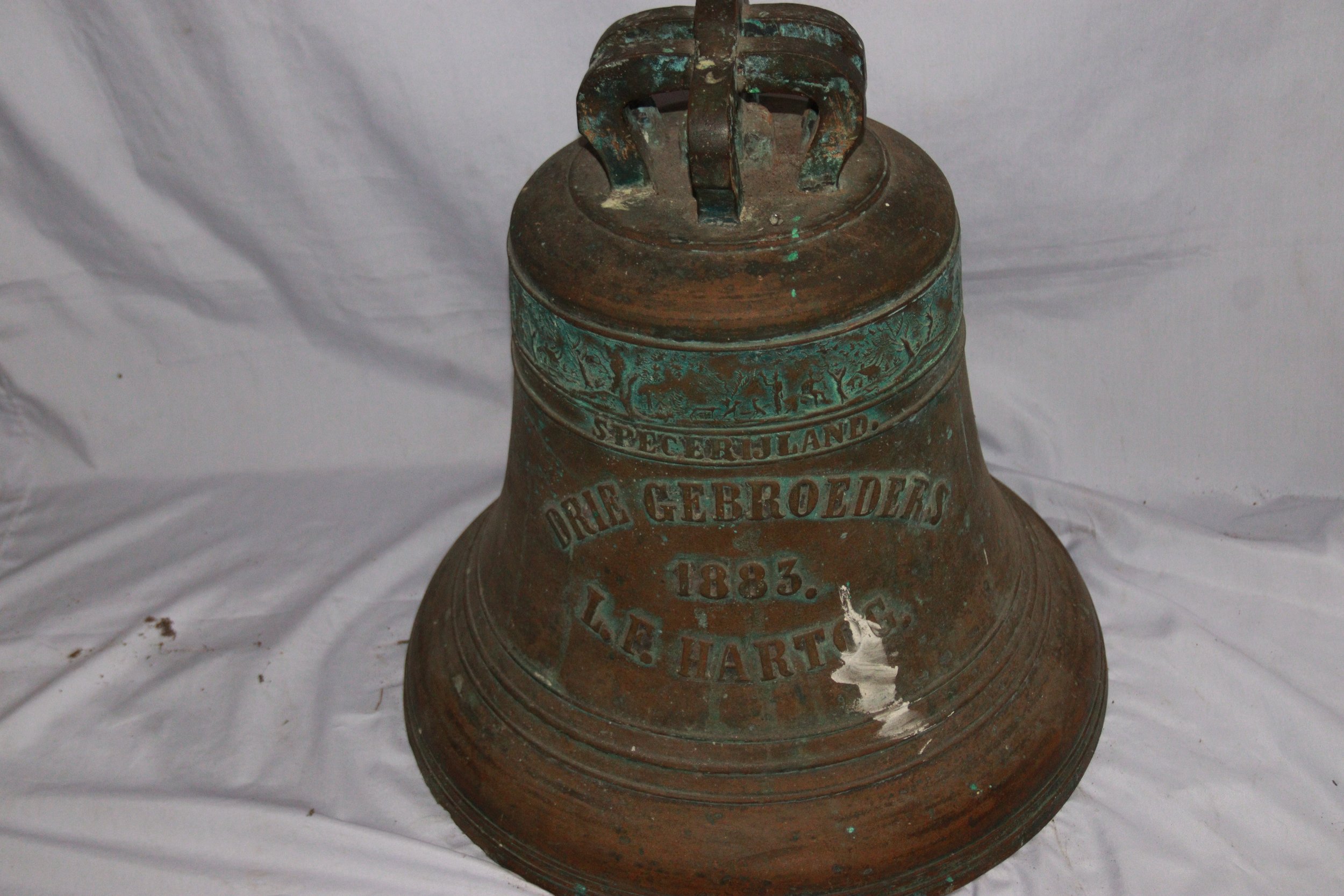
archive number: r-3-004 object reference: Drie Gebroeders Perk Bell origin: The Netherlands (Assumed) date: 1883 notes: These bells were used in nutmeg plantations in their time, to signal when the plantation labourers should begin and end their harvesting work.
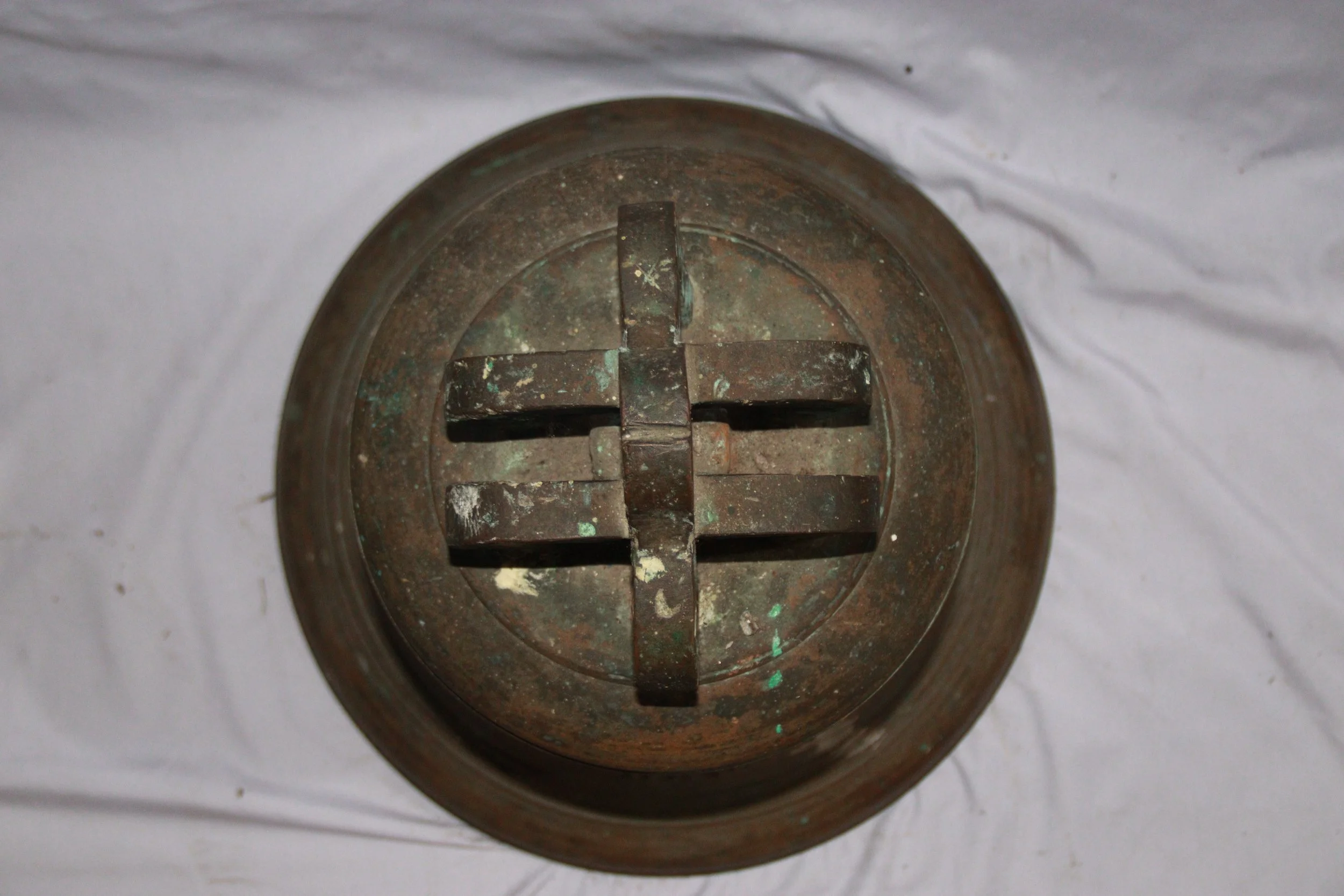
archive number: r-3-004 object reference: Drie Gebroeders Perk Bell origin: The Netherlands (Assumed) date: 1883 notes: These bells were used in nutmeg plantations in their time, to signal when the plantation labourers should begin and end their harvesting work.
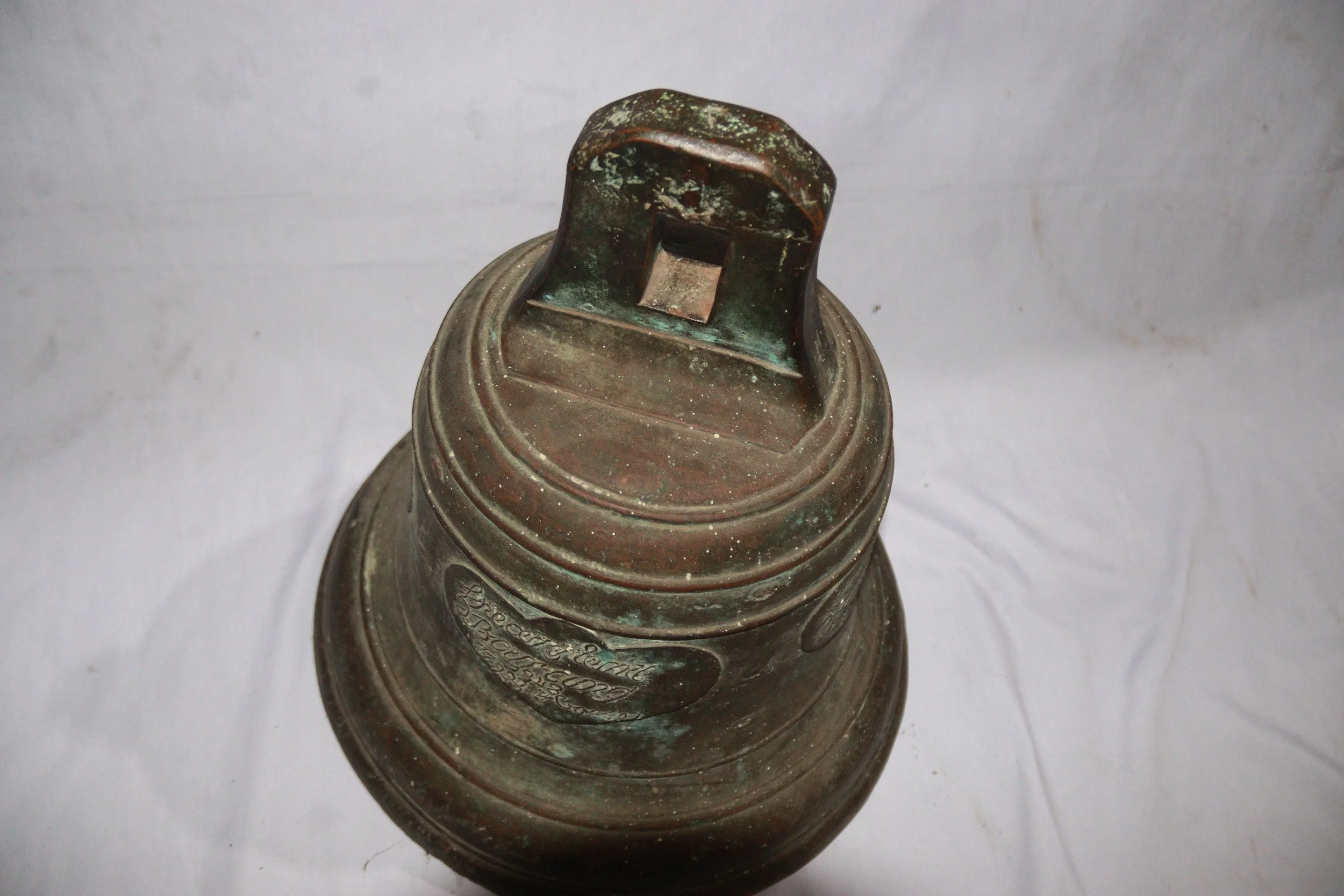
archive number: r-3-005 object reference: Perk Bell origin: The Netherlands (Assumed) date: - notes: These bells were used in nutmeg plantations in their time, to signal when the plantation labourers should begin and end their harvesting work.
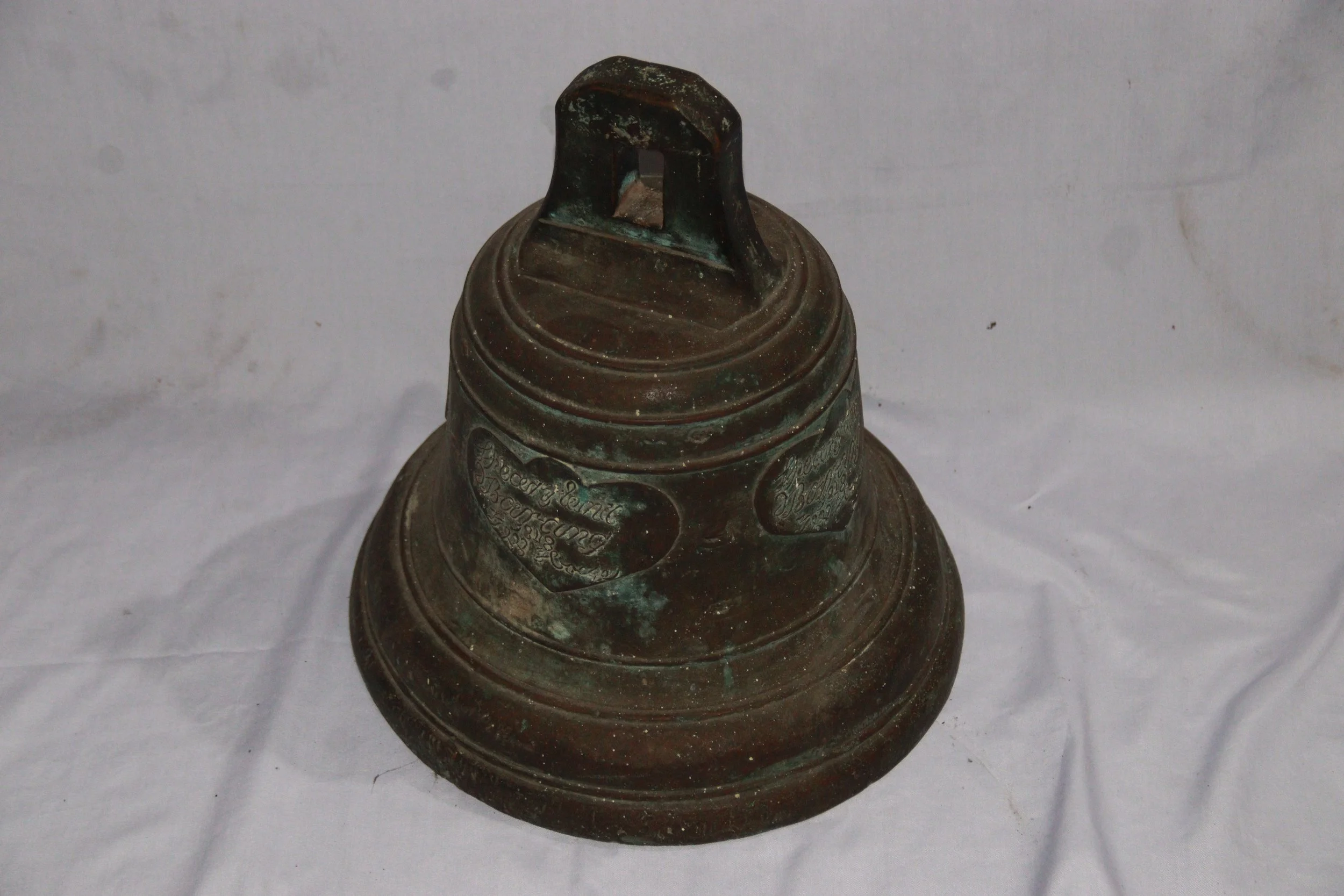
archive number: r-3-005 object reference: Perk Bell origin: The Netherlands (Assumed) date: - notes: These bells were used in nutmeg plantations in their time, to signal when the plantation labourers should begin and end their harvesting work.
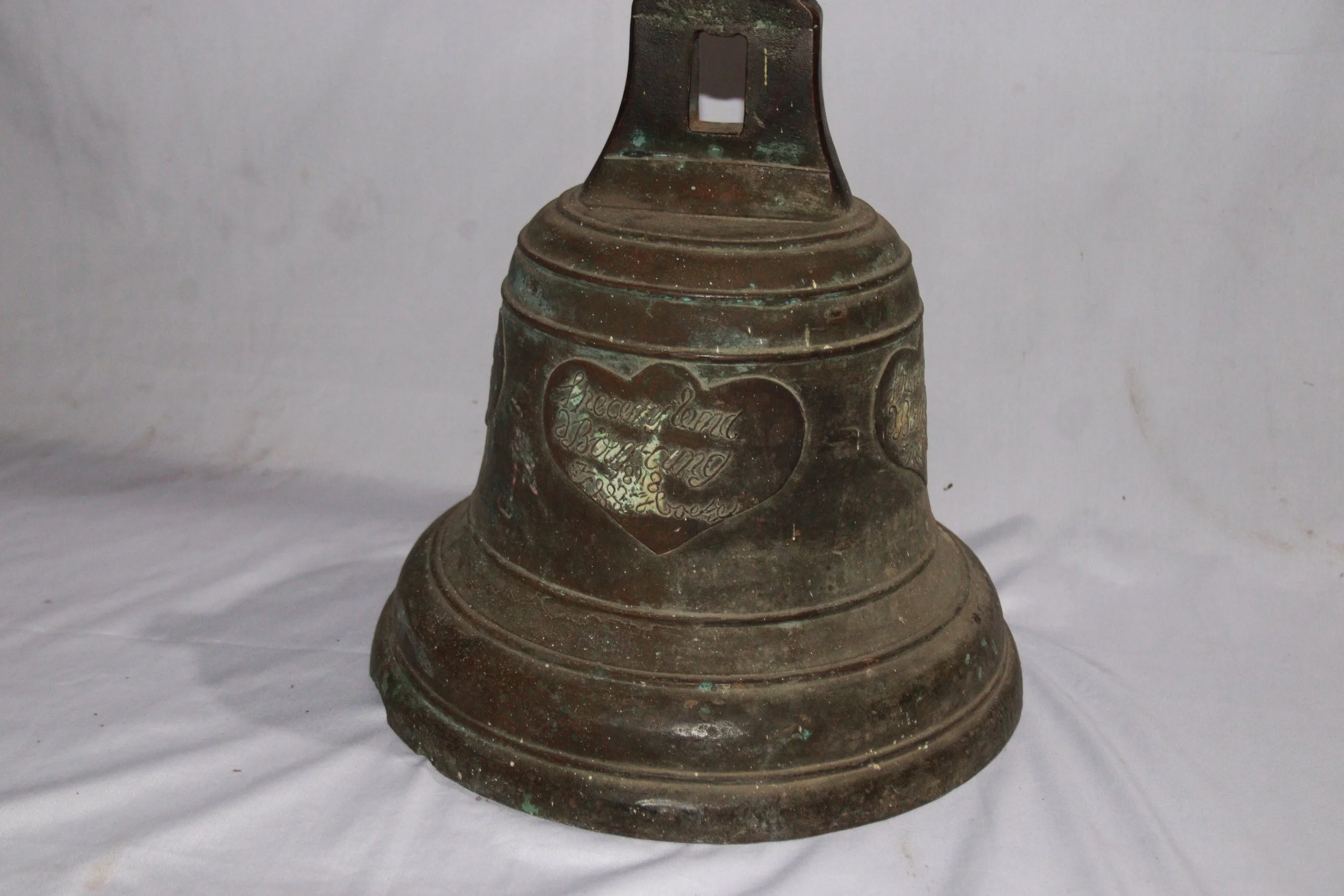
archive number: r-3-005 object reference: Perk Bell origin: The Netherlands (Assumed) date: - notes: These bells were used in nutmeg plantations in their time, to signal when the plantation labourers should begin and end their harvesting work.
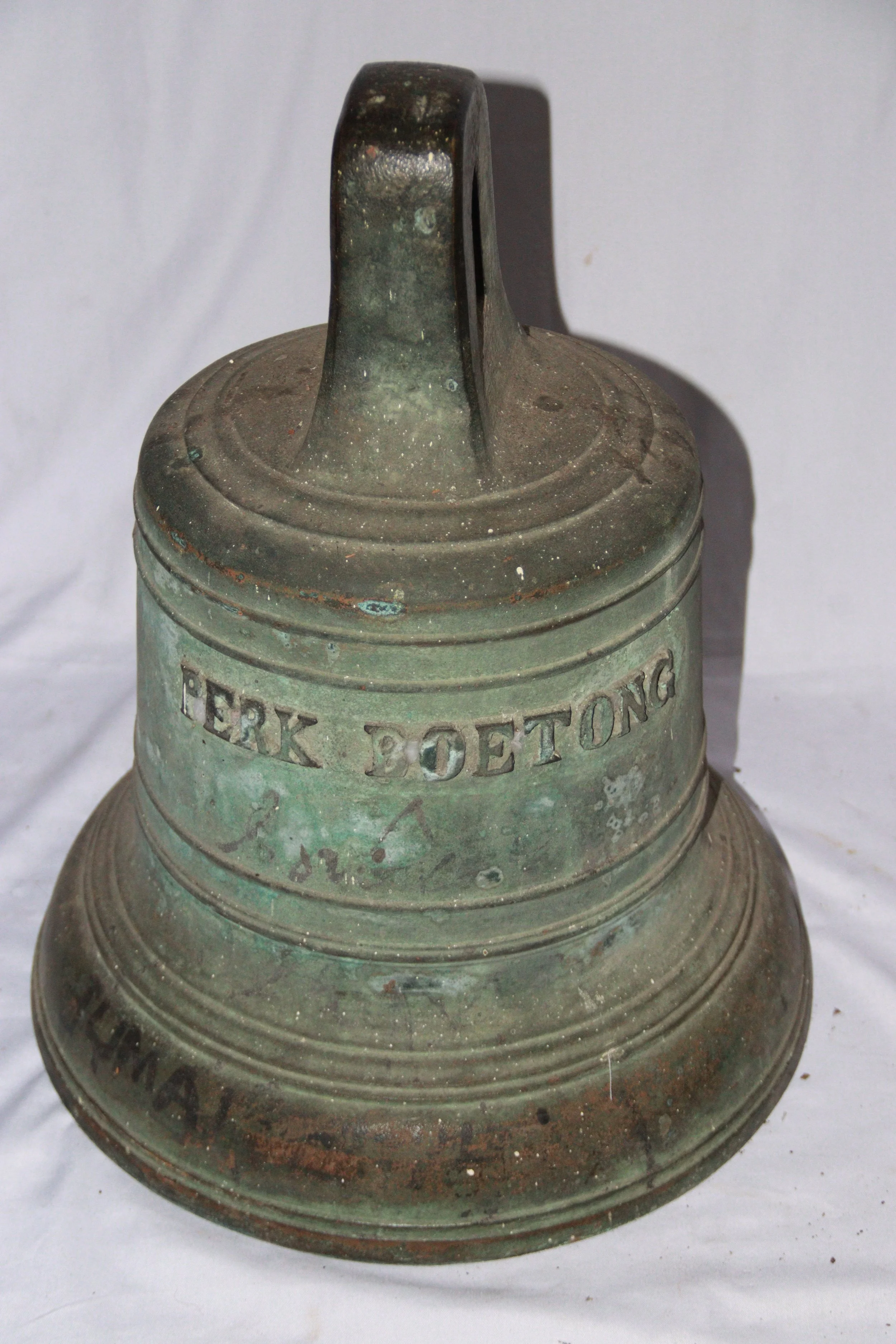
archive number: r-3-006 object reference: Boetong Perk Bell origin: The Netherlands (Assumed) date: - notes: These bells were used in nutmeg plantations in their time, to signal when the plantation labourers should begin and end their harvesting work.
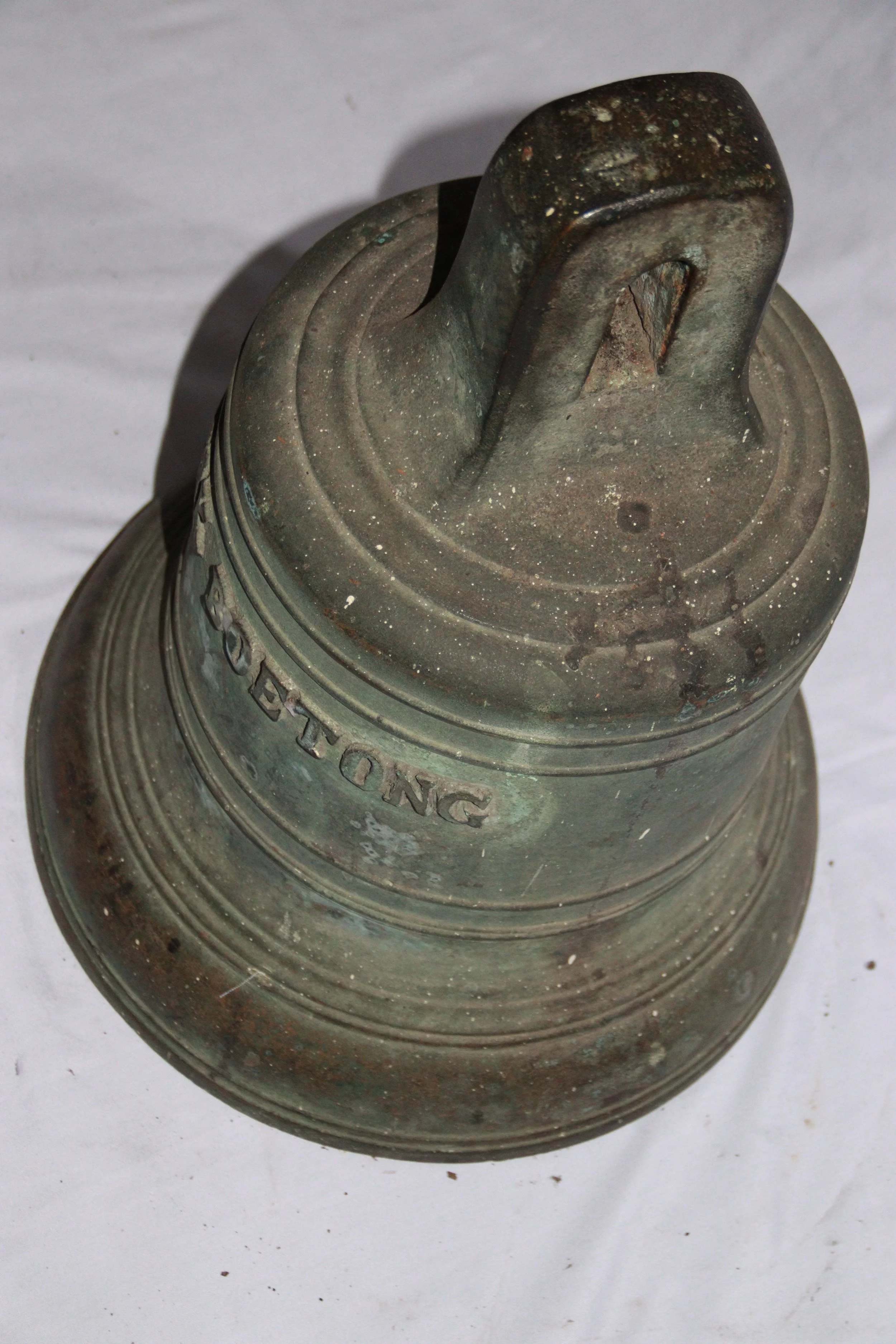
archive number: r-3-006 object reference: Boetong Perk Bell origin: The Netherlands (Assumed) date: - notes: These bells were used in nutmeg plantations in their time, to signal when the plantation labourers should begin and end their harvesting work.
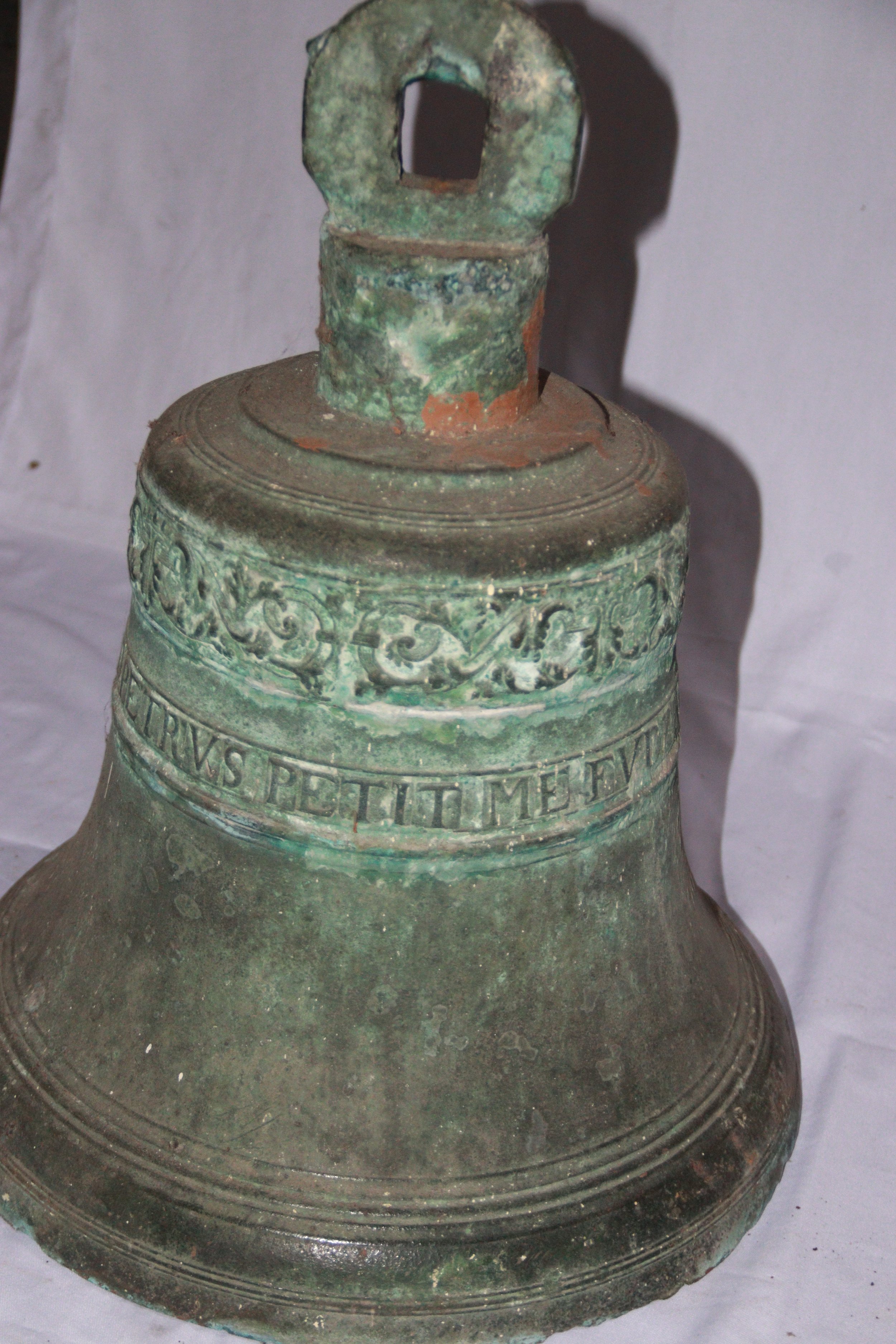
archive number: r-3-007 object reference: Perk Bell origin: The Netherlands (Assumed) date: - notes: These bells were used in nutmeg plantations in their time, to signal when the plantation labourers should begin and end their harvesting work.
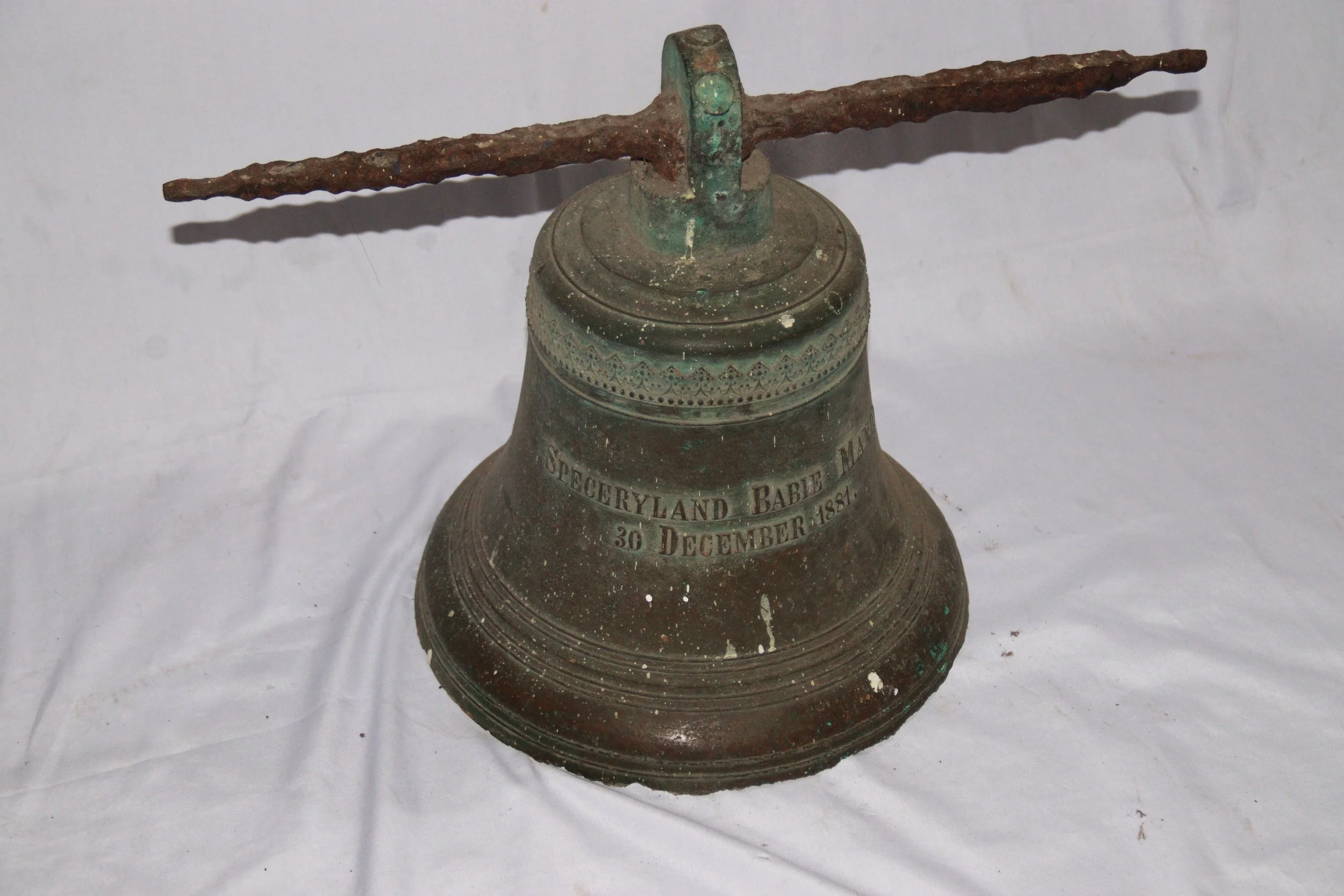
archive number: r-3-008 object reference: Speceryland Perk Bell origin: The Netherlands (Assumed) date: 1883 notes: These bells were used in nutmeg plantations in their time, to signal when the plantation labourers should begin and end their harvesting work.
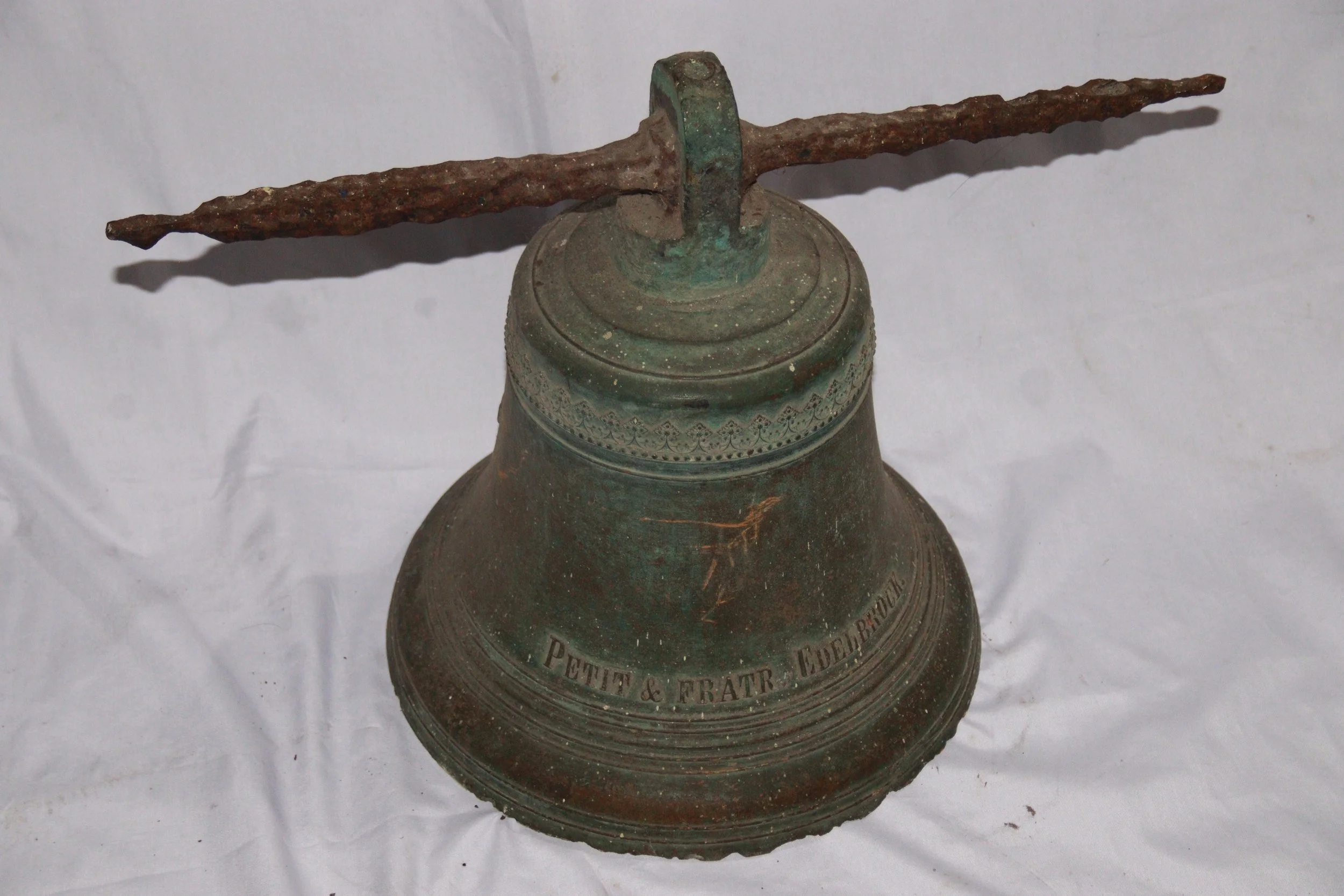
archive number: r-3-008 object reference: Speceryland Perk Bell origin: The Netherlands (Assumed) date: 1883 notes: These bells were used in nutmeg plantations in their time, to signal when the plantation labourers should begin and end their harvesting work.
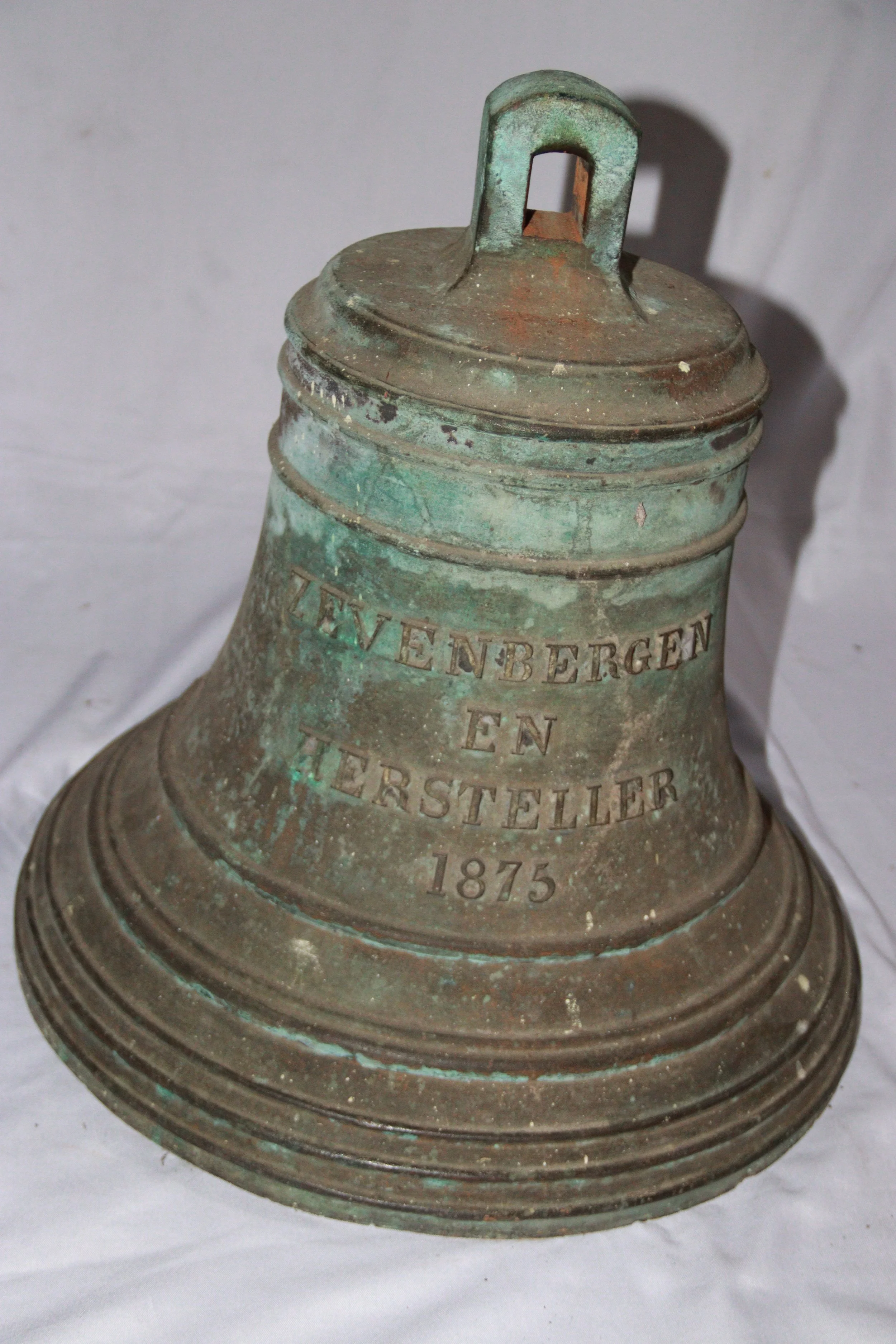
archive number: r-3-009 object reference: Perk Bell origin: The Netherlands (Assumed) date: 1875 notes: These bells were used in nutmeg plantations in their time, to signal when the plantation labourers should begin and end their harvesting work.
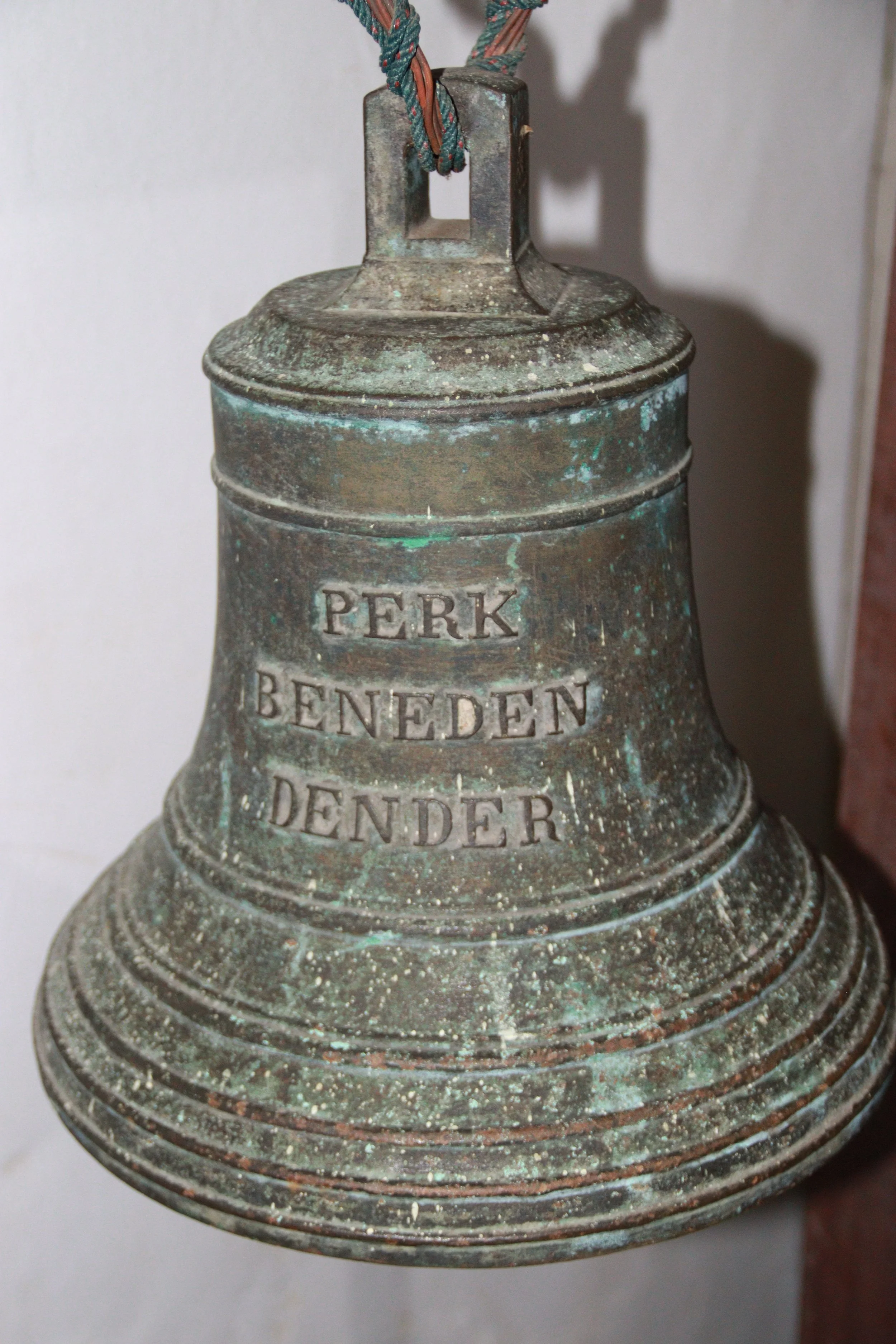
archive number: r-3-010 object reference: Dender Perk Bell origin: The Netherlands (Assumed) date: - notes: These bells were used in nutmeg plantations in their time, to signal when the plantation labourers should begin and end their harvesting work.
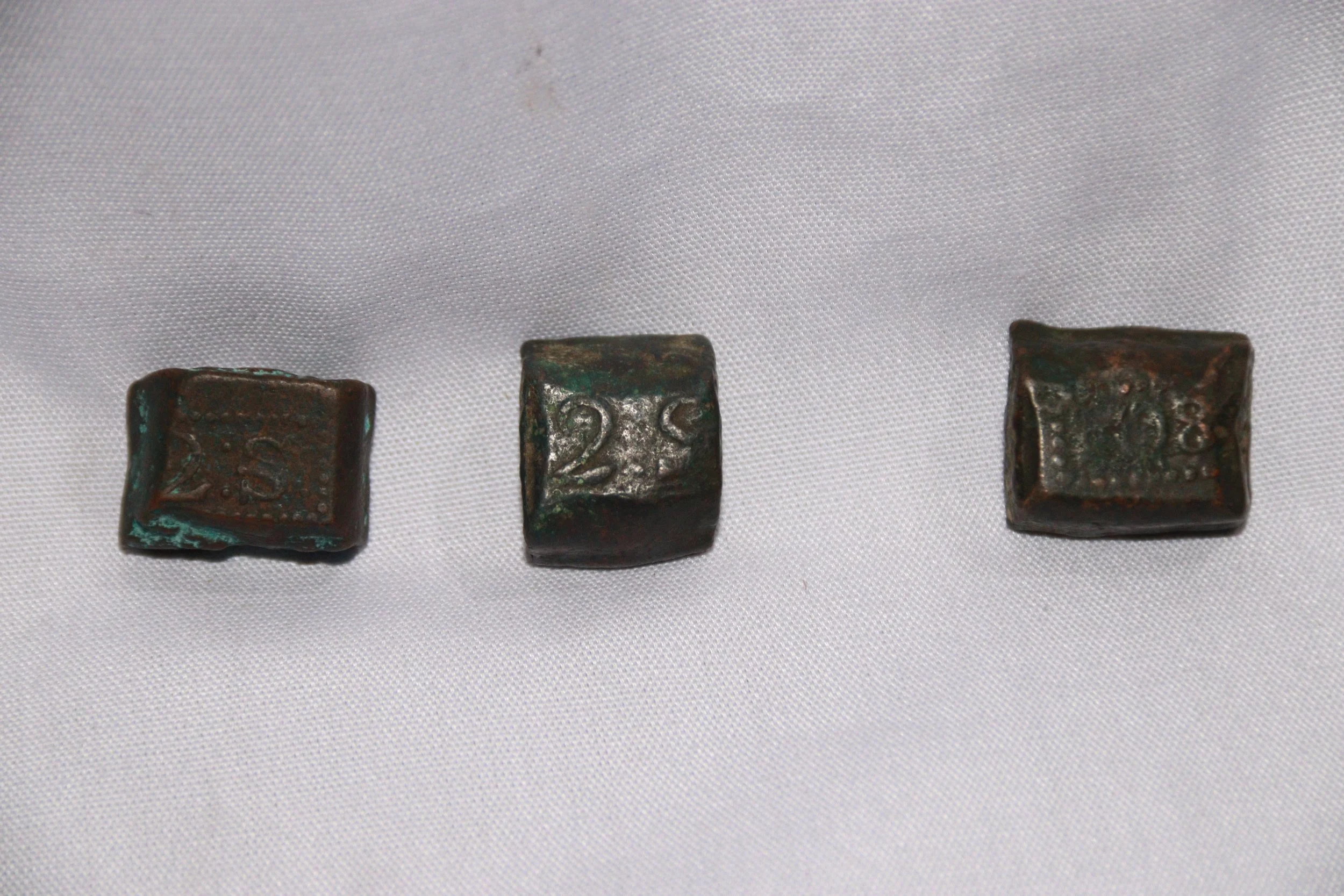
archive number: r-3-011 object reference: Bandanese 'Plantation Money' origin: Banda date: Late colonial period notes: Towards the end of the colonial era, the nutmeg economy declined due to the end of its monopoly. Therefore, 'perkeniers' began breaking bells and using them as a substitute for Dutch currency, especially in Banda.
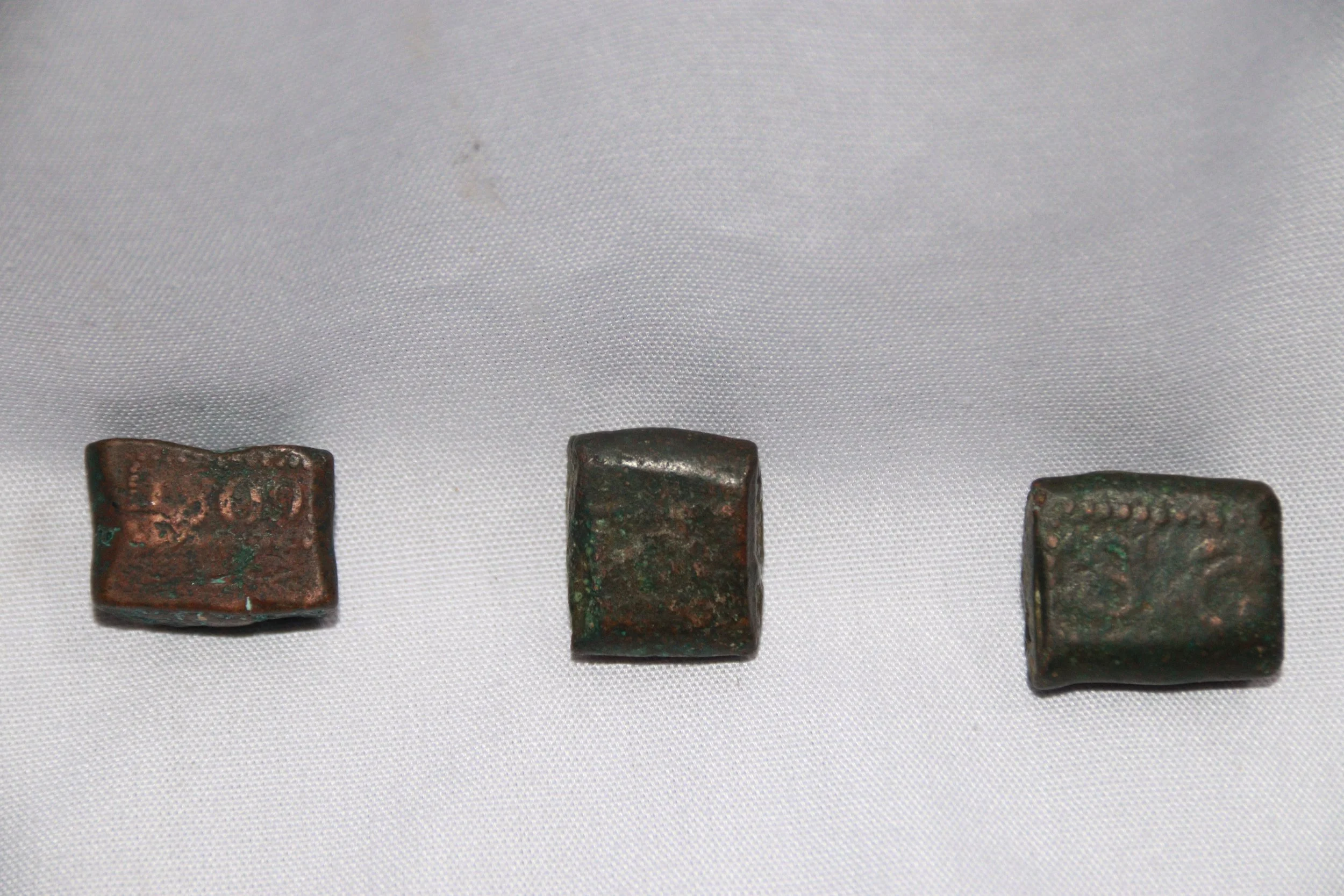
archive number: r-3-011 object reference: Bandanese 'Plantation Money' origin: Banda date: Late colonial period notes: Towards the end of the colonial era, the nutmeg economy declined due to the end of its monopoly. Therefore, 'perkeniers' began breaking bells and using them as a substitute for Dutch currency, especially in Banda.
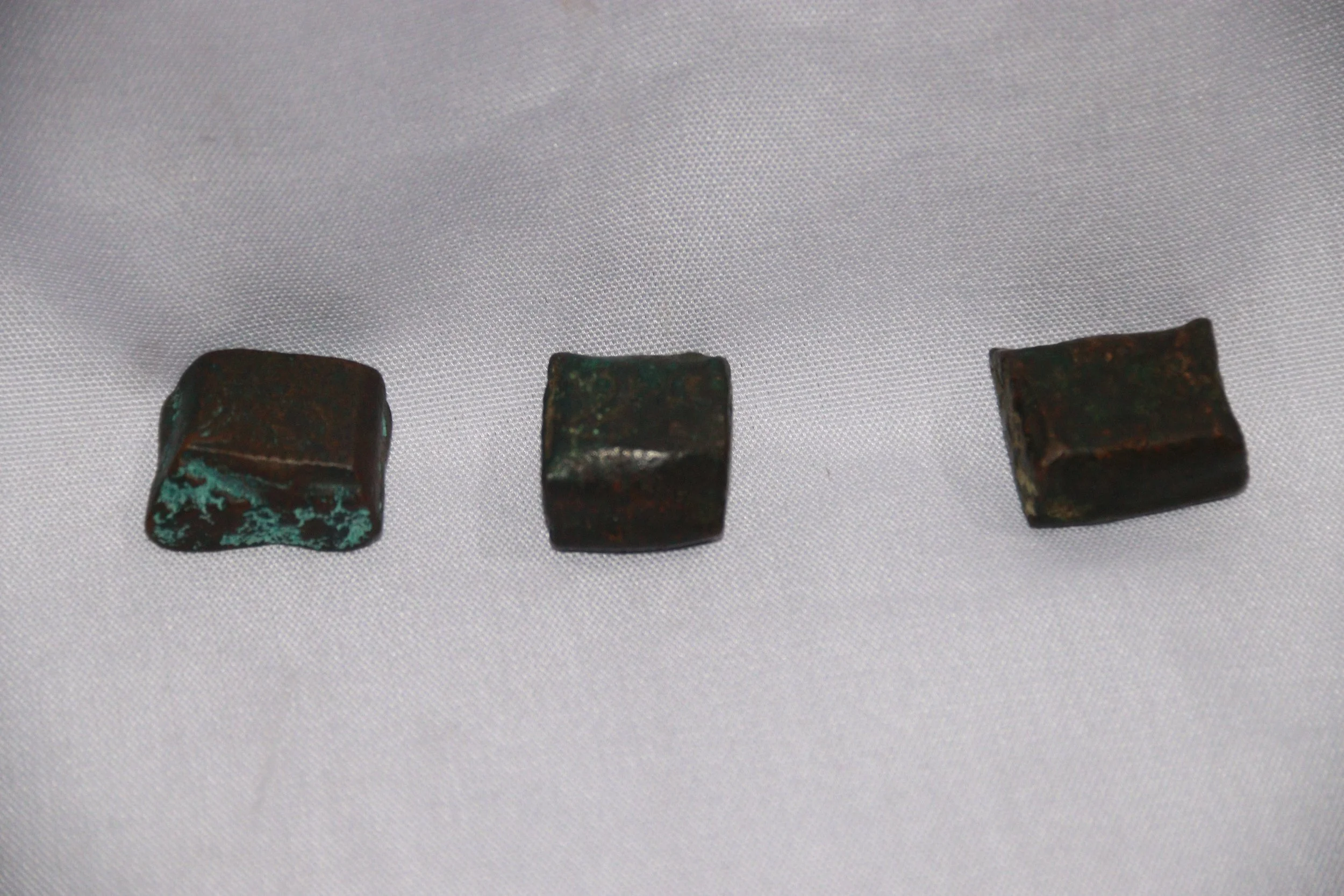
archive number: r-3-011 object reference: Bandanese 'Plantation Money' origin: Banda date: Late colonial period notes: Towards the end of the colonial era, the nutmeg economy declined due to the end of its monopoly. Therefore, 'perkeniers' began breaking bells and using them as a substitute for Dutch currency, especially in Banda.
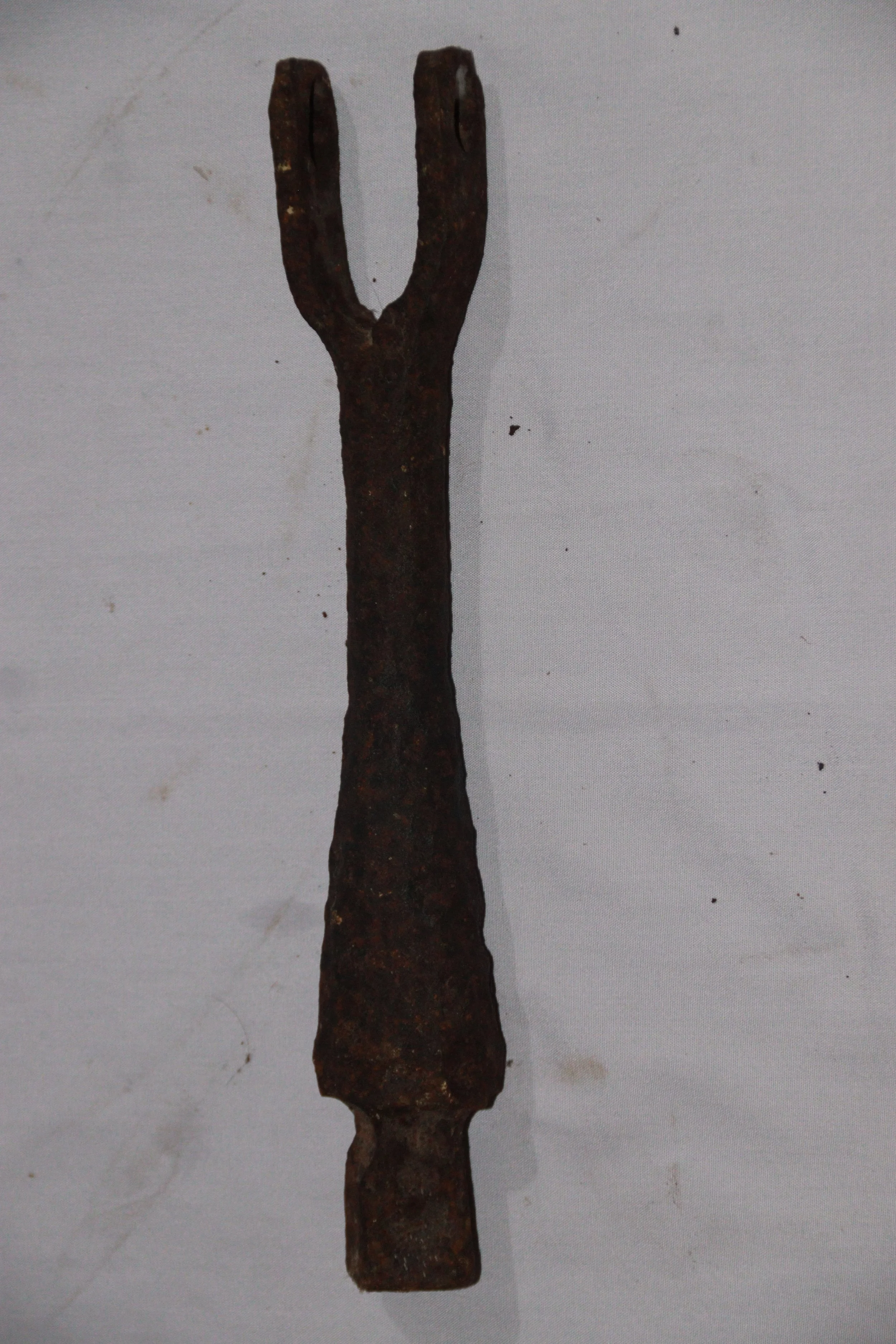
archive number: r-3-012 object reference: - origin: Banda date: - notes: -
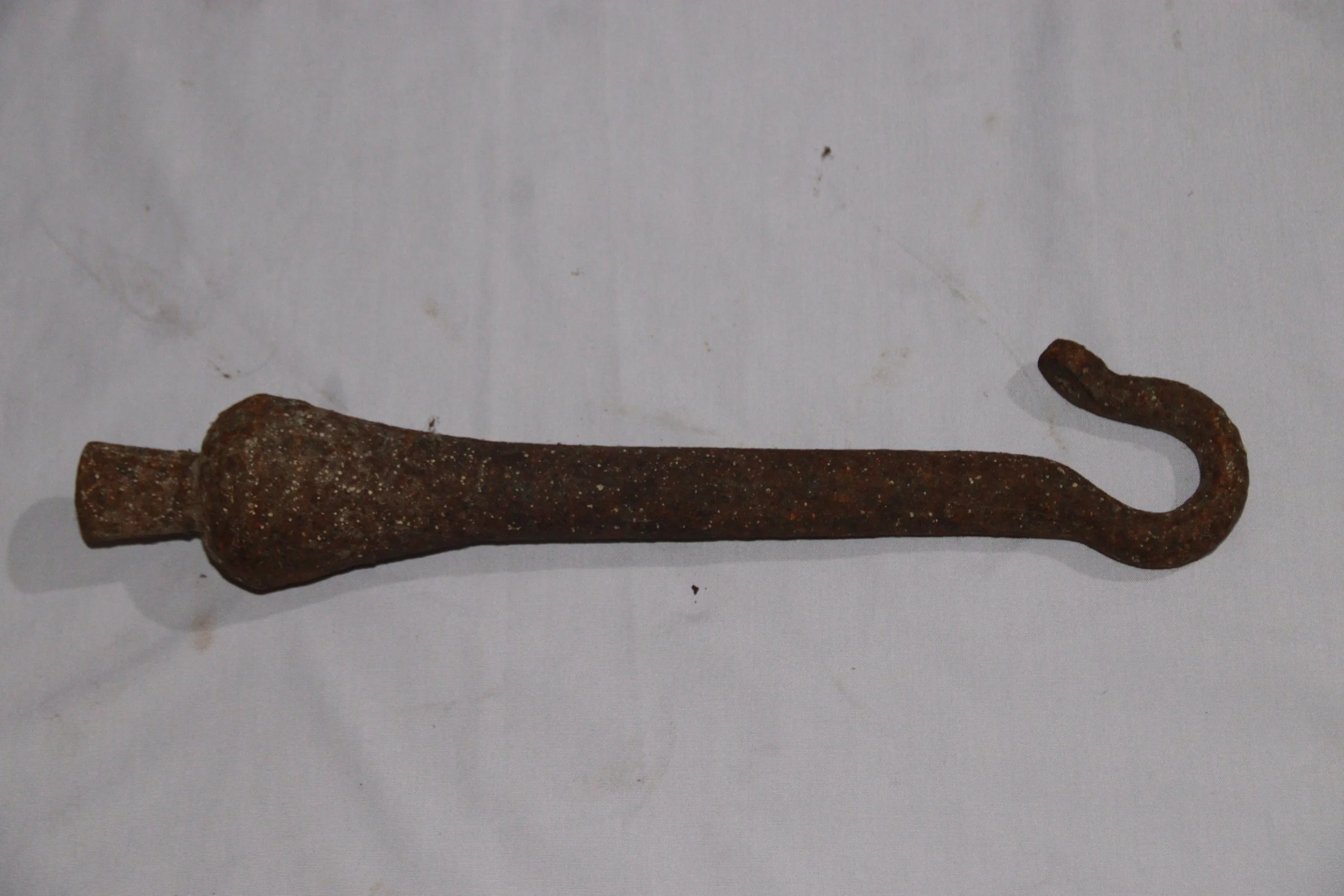
archive number: r-3-012 object reference: - origin: Banda date: - notes: -
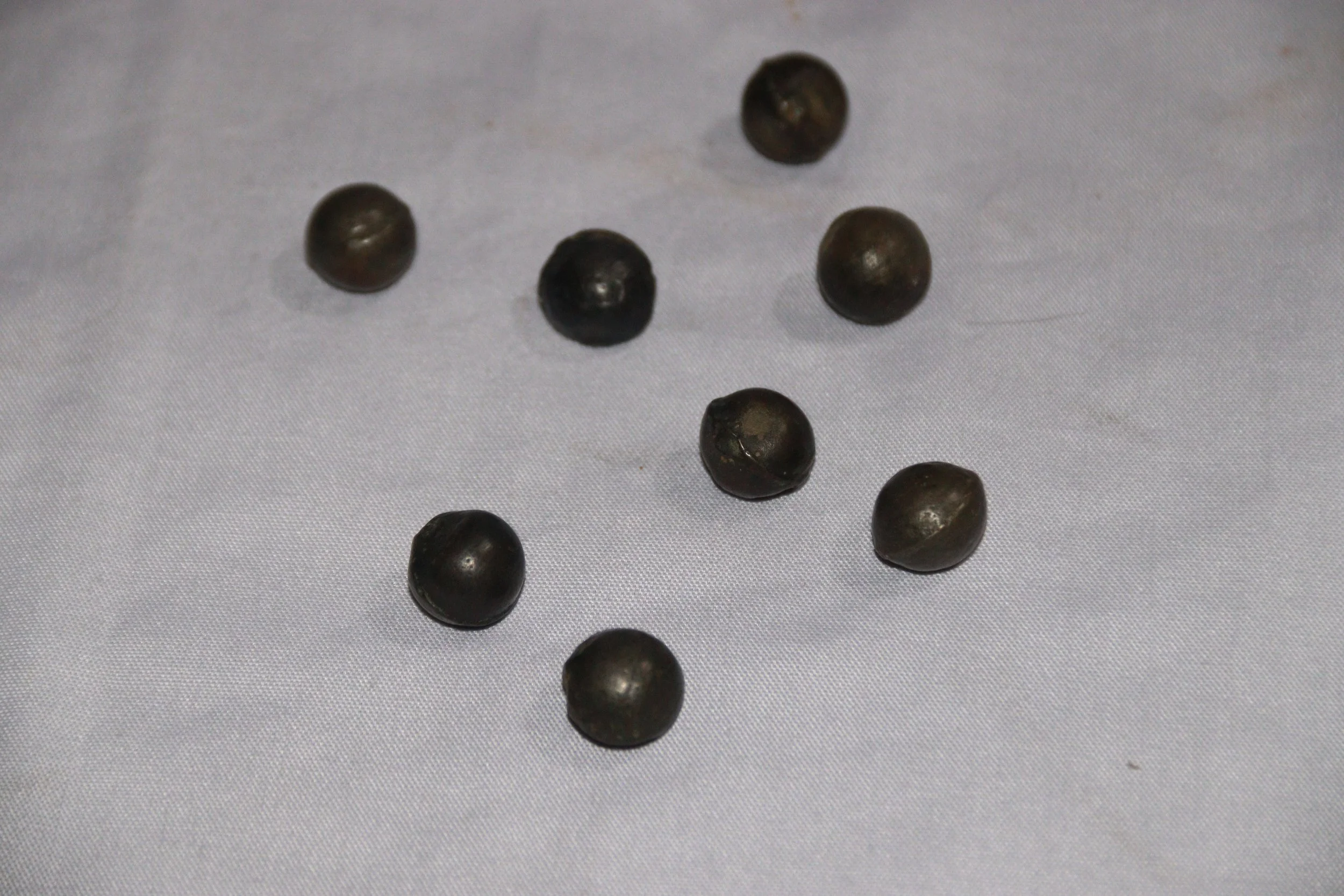
archive number: r-3-013 object reference: Musket Balls origin: Europe (assumed) date: - notes: Ammunition for blackpowder weapons
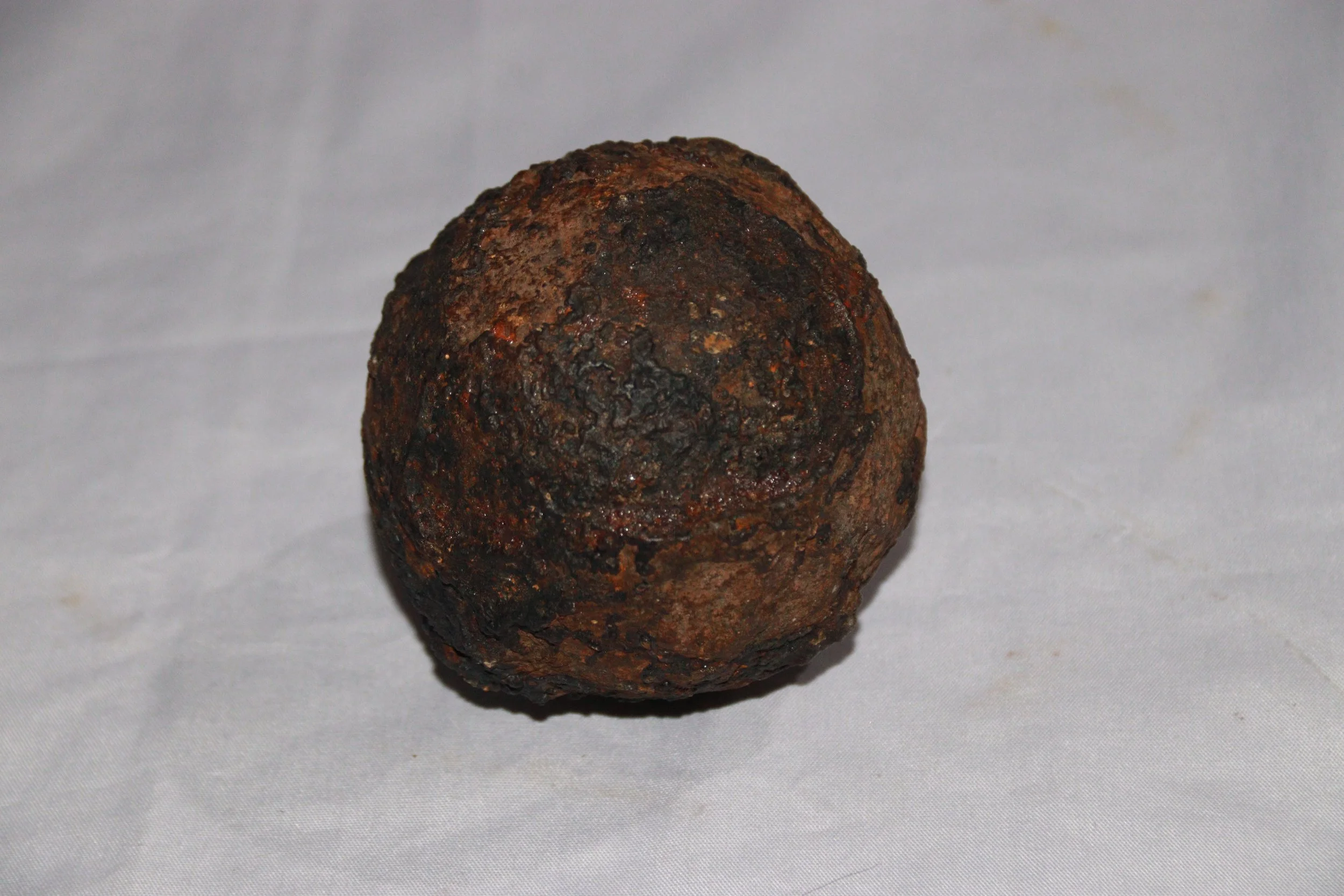
archive number: r-3-013 object reference: Cannonball origin: Europe (assumed) date: - notes: Ammunition for blackpowder cannons
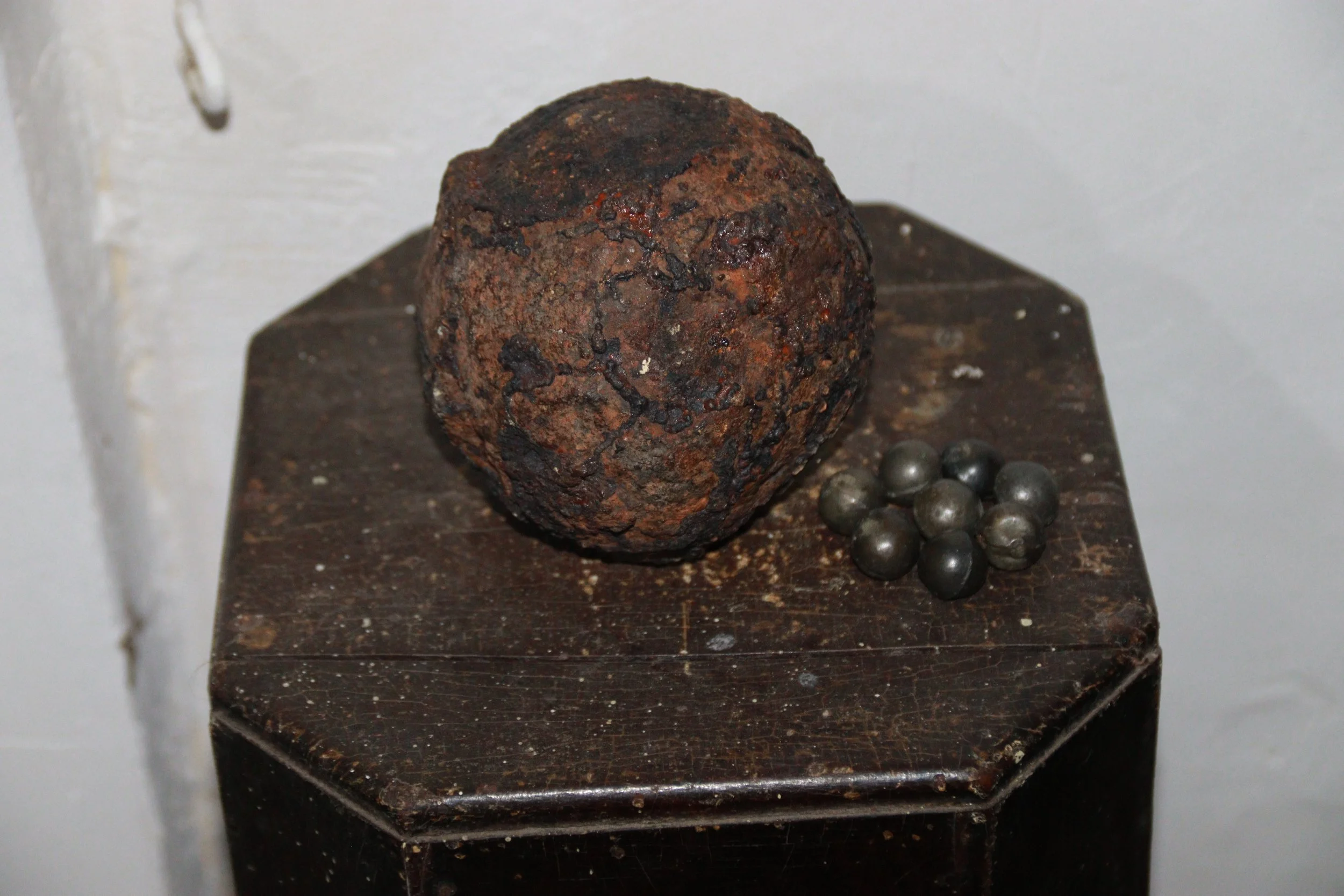
archive number: r-3-014 object reference: Gunpowder weapon ammunition origin: Europe (assumed) date: - notes: Ammunition for blackpowder weapons
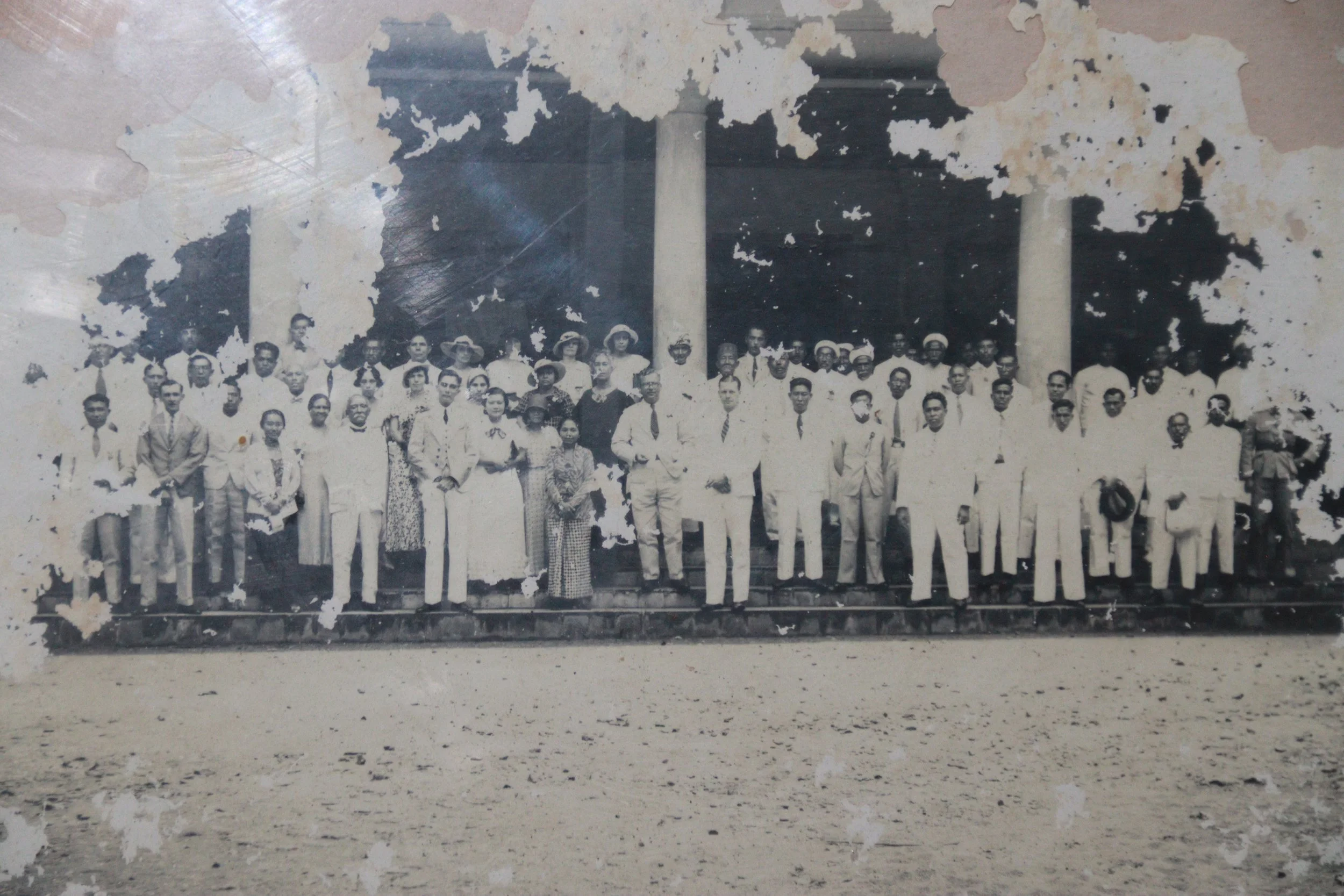
archive number: r-3-015 object reference: Dender's Perk Portrait origin: Banda date: - notes: A portrait of the Dender perkenier family and some of their slaves, presumably at their plantation estate.
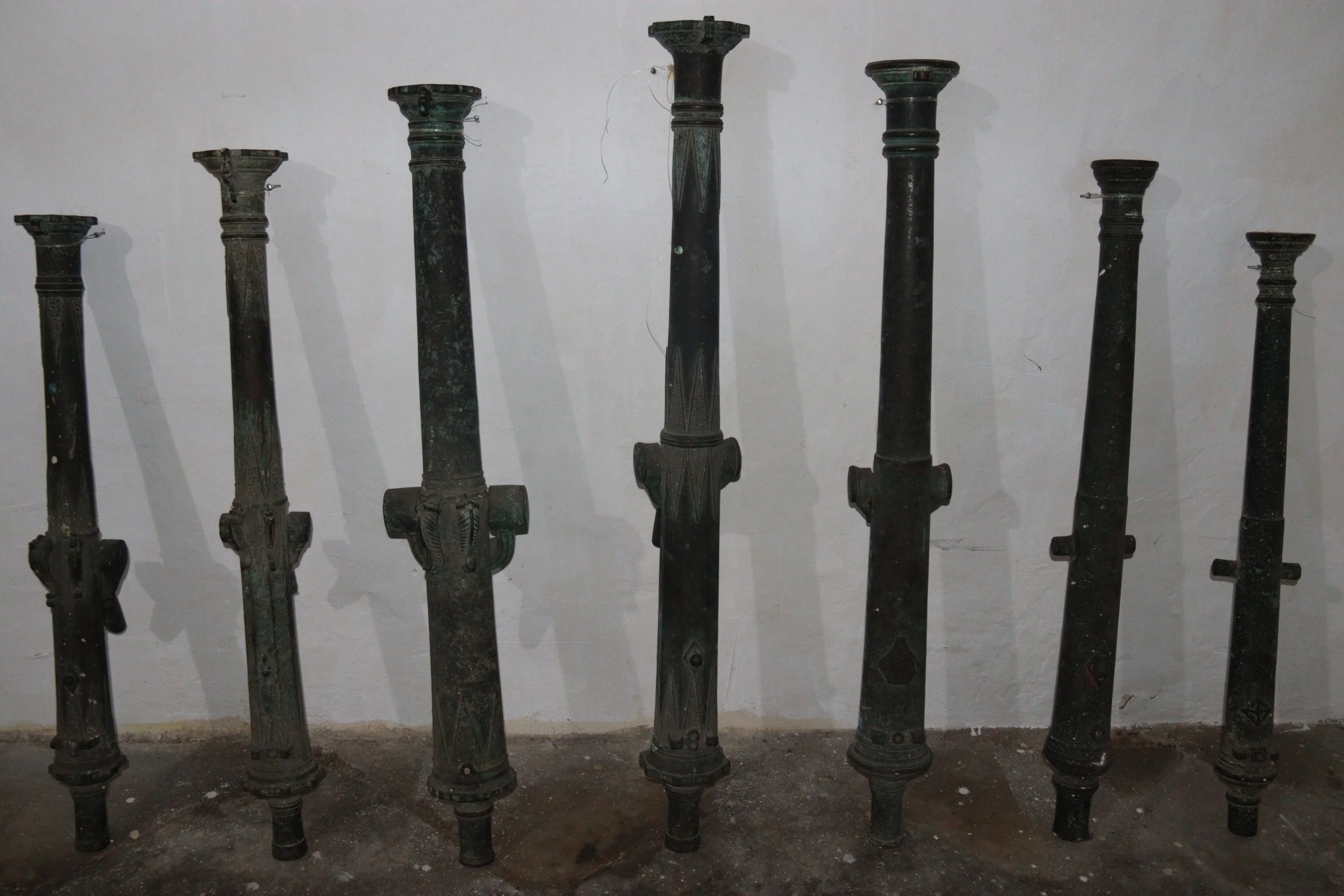
archive number: r-3-016 object reference: A Brace of Lentaka Cannons origin: Various (assumed production in Dutch East Indies) date: Various notes: The lentaka, or traditional Maluku cannon, was considered highly advanced by Europeans when they first arrived in the archipelago. Lightweight and easy to operate, the lentaka was used to defend ships and port cities from pirates and attacks. Impressed by the lentaka technology, Europeans began making their own. These lentakas include Portuguese/Dutch, Javanese/Malay, and authentic Maluku styles.
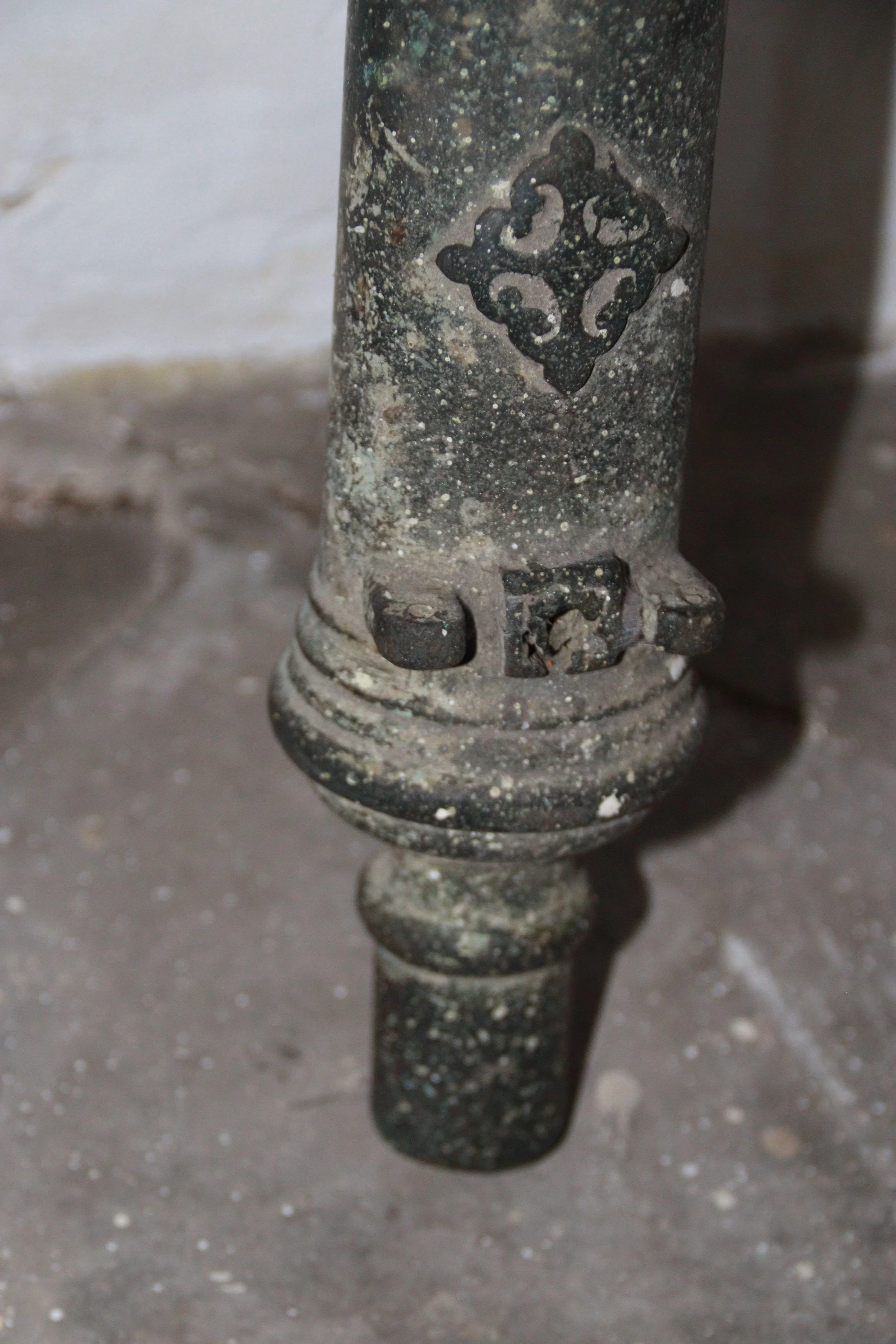
archive number: r-3-016a object reference: Lentaka (European Style) origin: Colonial Southeast Asia date: - notes: The minimal ornamentation and motif on this lentaka suggests European production.
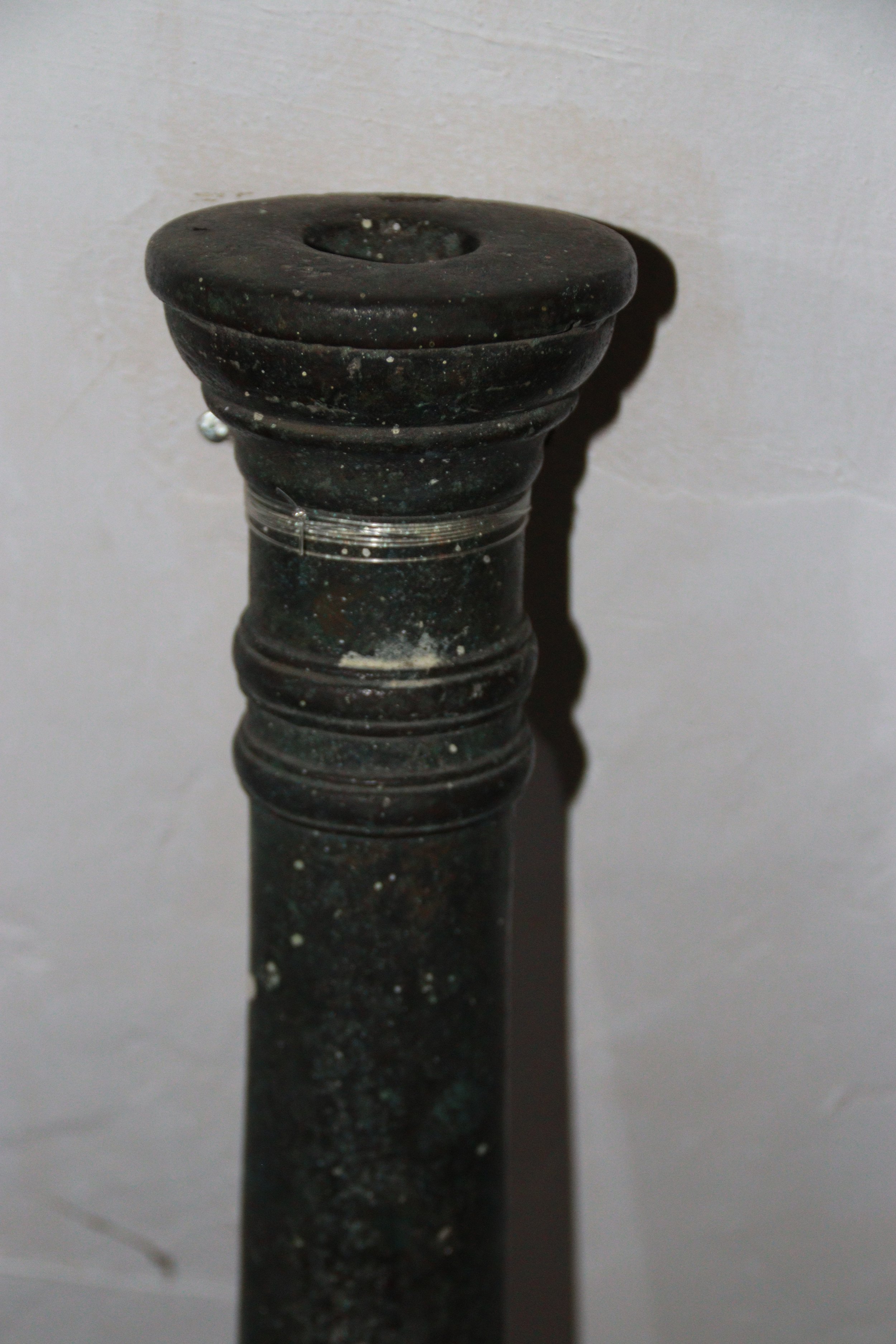
archive number: r-3-016a object reference: Lentaka (European Style) origin: Colonial Southeast Asia date: - notes: The minimal ornamentation on this lentaka suggests European production.
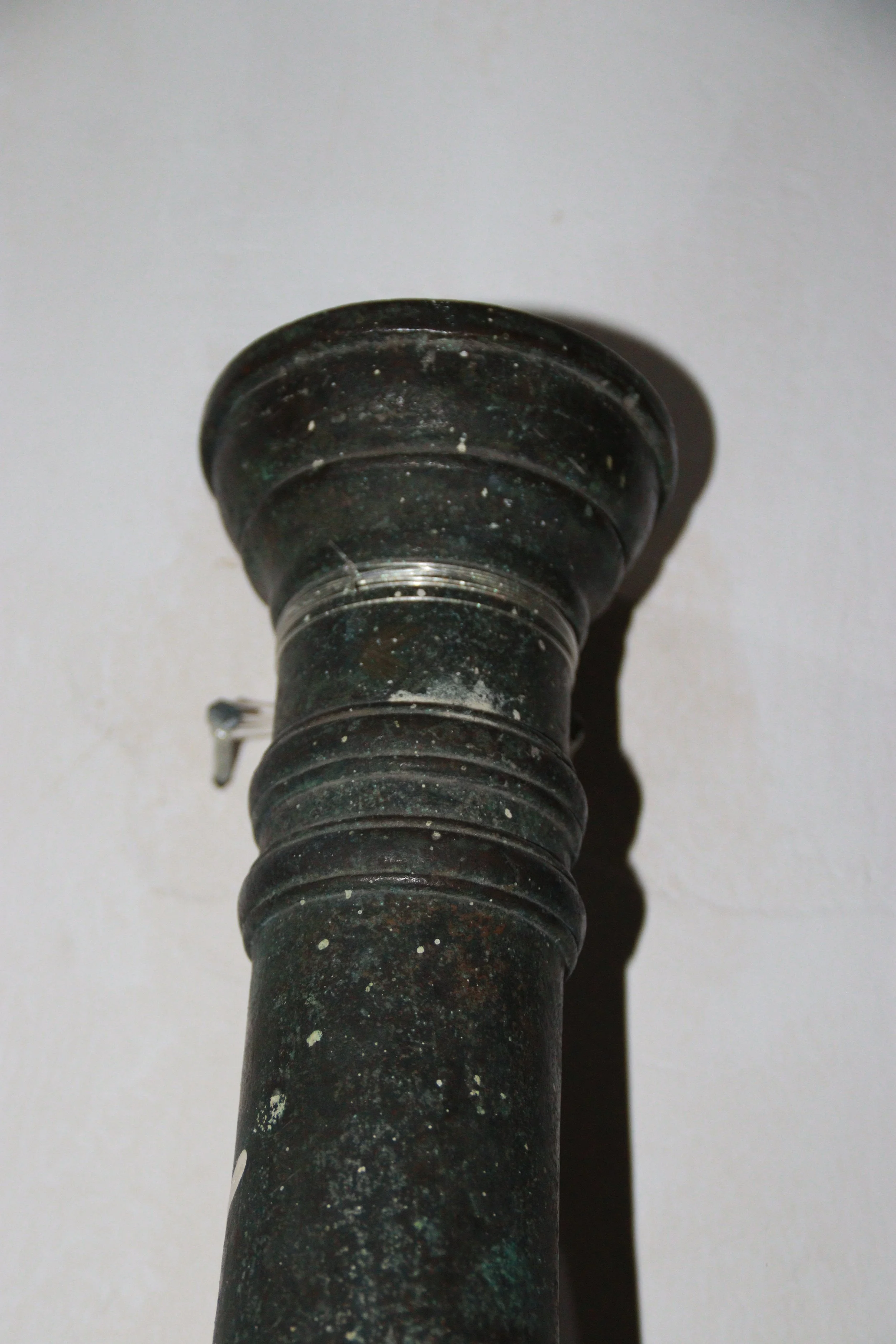
archive number: r-3-016a object reference: Lentaka (European Style) origin: Colonial Southeast Asia date: - notes: The minimal ornamentation on this lentaka suggests European production.
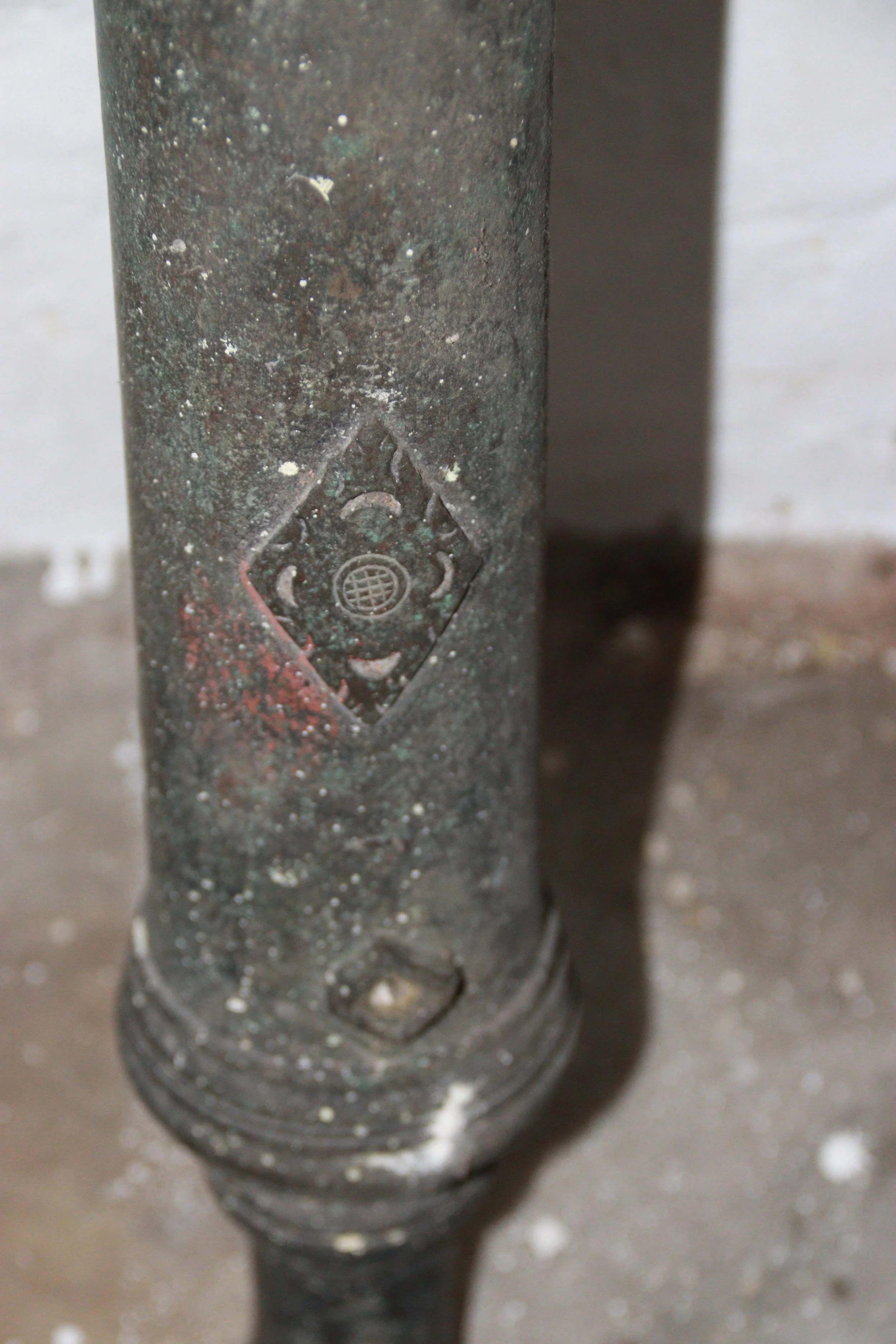
archive number: r-3-016b object reference: Lentaka (European Style) origin: Colonial Southeast Asia date: - notes: The minimal ornamentation on this lentaka suggests European production.
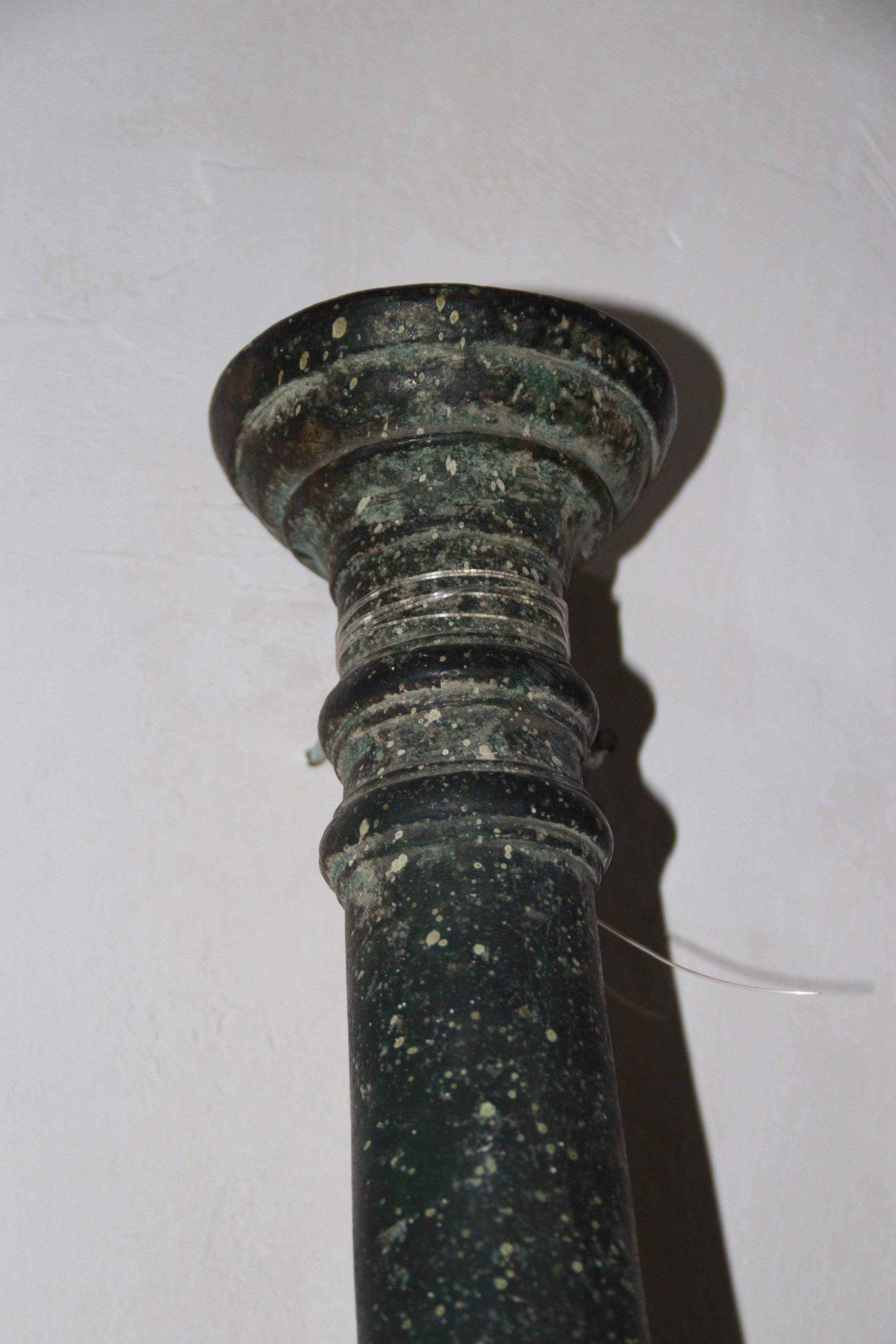
archive number: r-3-016b object reference: Lentaka (European Style) origin: Colonial Southeast Asia date: - notes: The minimal ornamentation on this lentaka suggests European production.
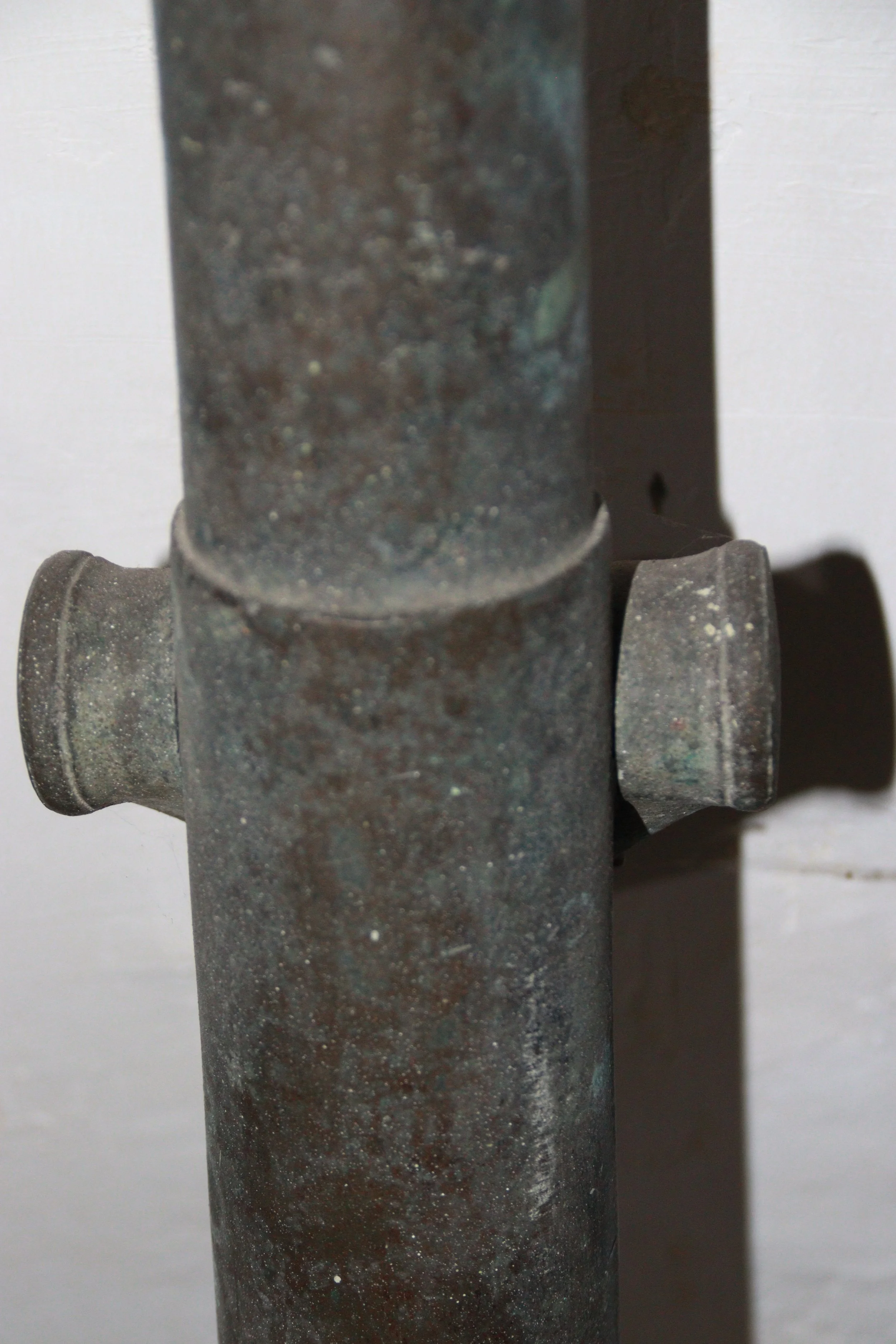
archive number: r-3-016b object reference: Lentaka (European Style) origin: Colonial Southeast Asia date: - notes: The minimal ornamentation on this lentaka suggests European production.
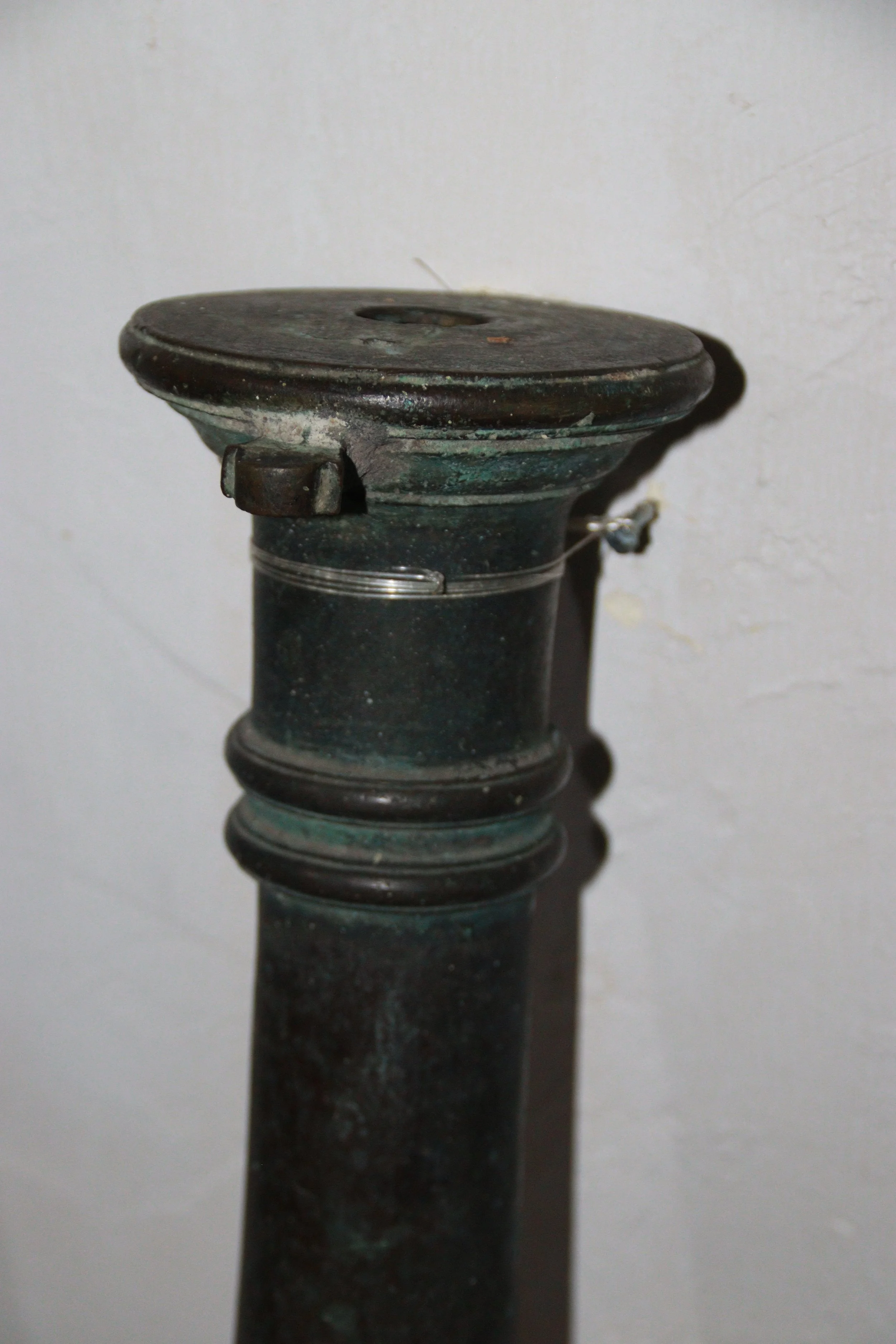
archive number: r-3-016b object reference: Lentaka (European Style) origin: Colonial Southeast Asia date: - notes: The minimal ornamentation on this lentaka suggests European production.
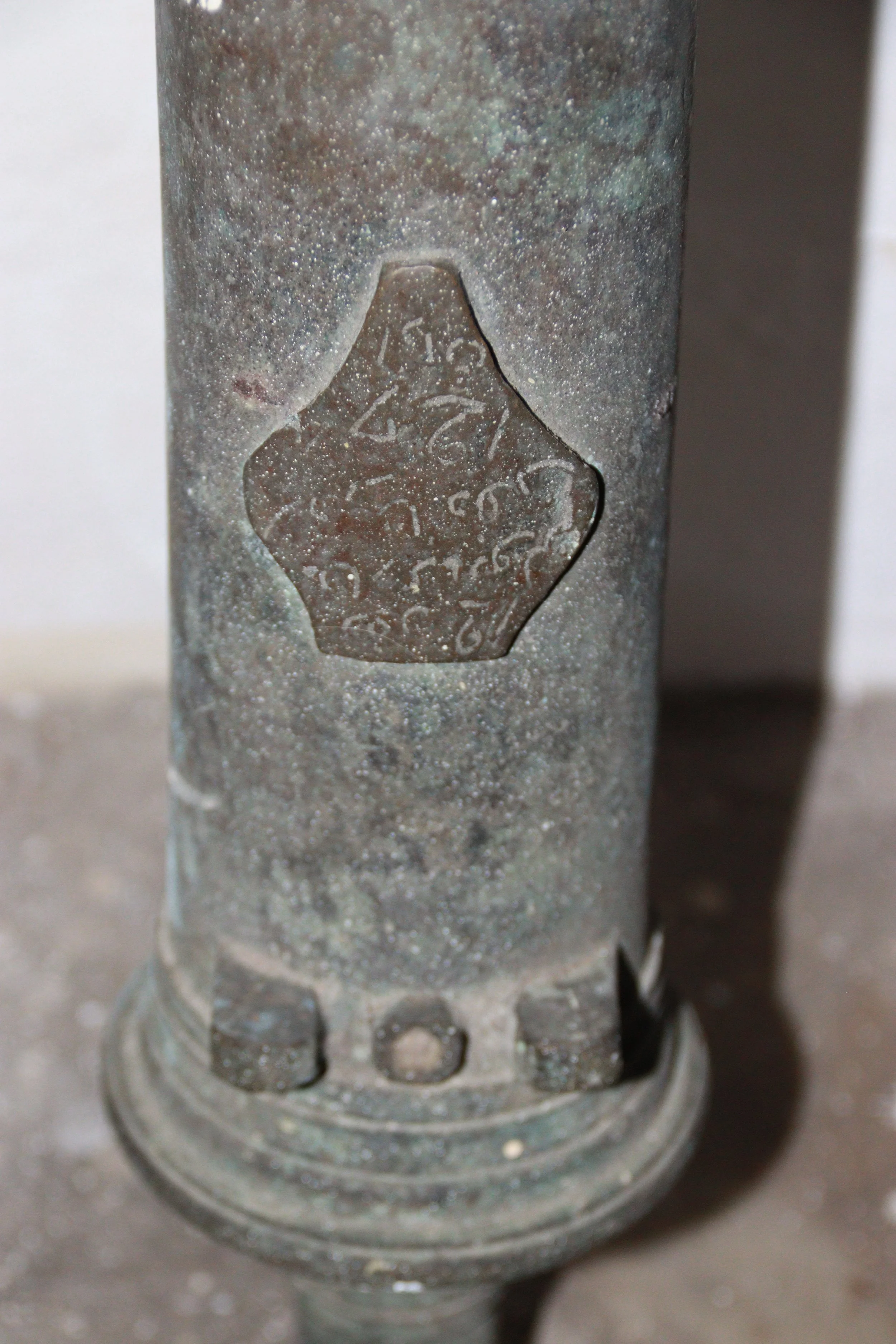
archive number: r-3-016c object reference: Lentaka (Maluku Style (assumed)) origin: Colonial Southeast Asia date: - notes: The Arabic calligraphy on this lentaka suggests an origin in Molluccan or potentially Malayu Sultanates of the early colonial era.
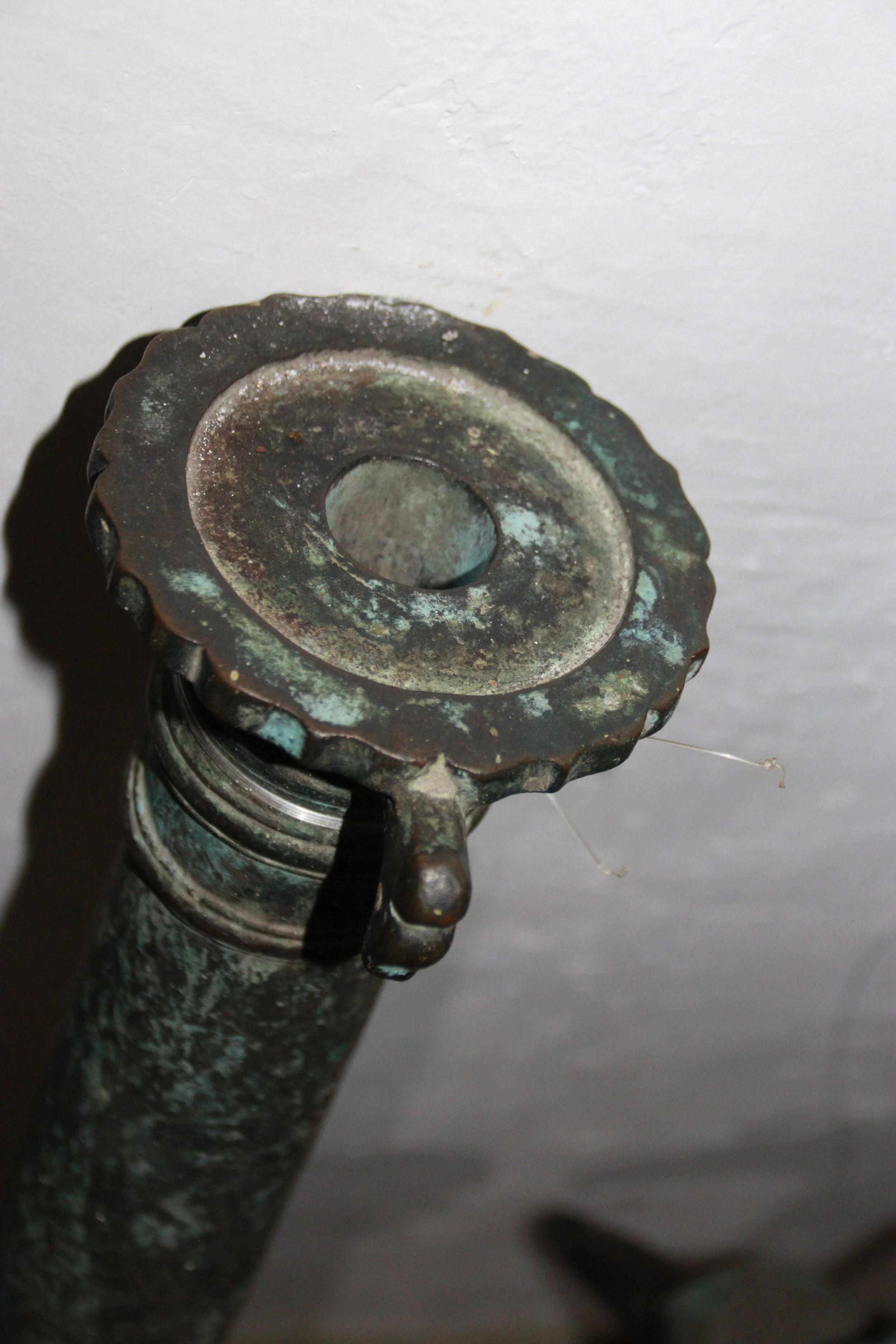
archive number: r-3-016c object reference: Lentaka (Maluku Style (assumed)) origin: Colonial Southeast Asia date: - notes: The Arabic calligraphy on this lentaka suggests an origin in Molluccan or potentially Malayu Sultanates of the early colonial era.
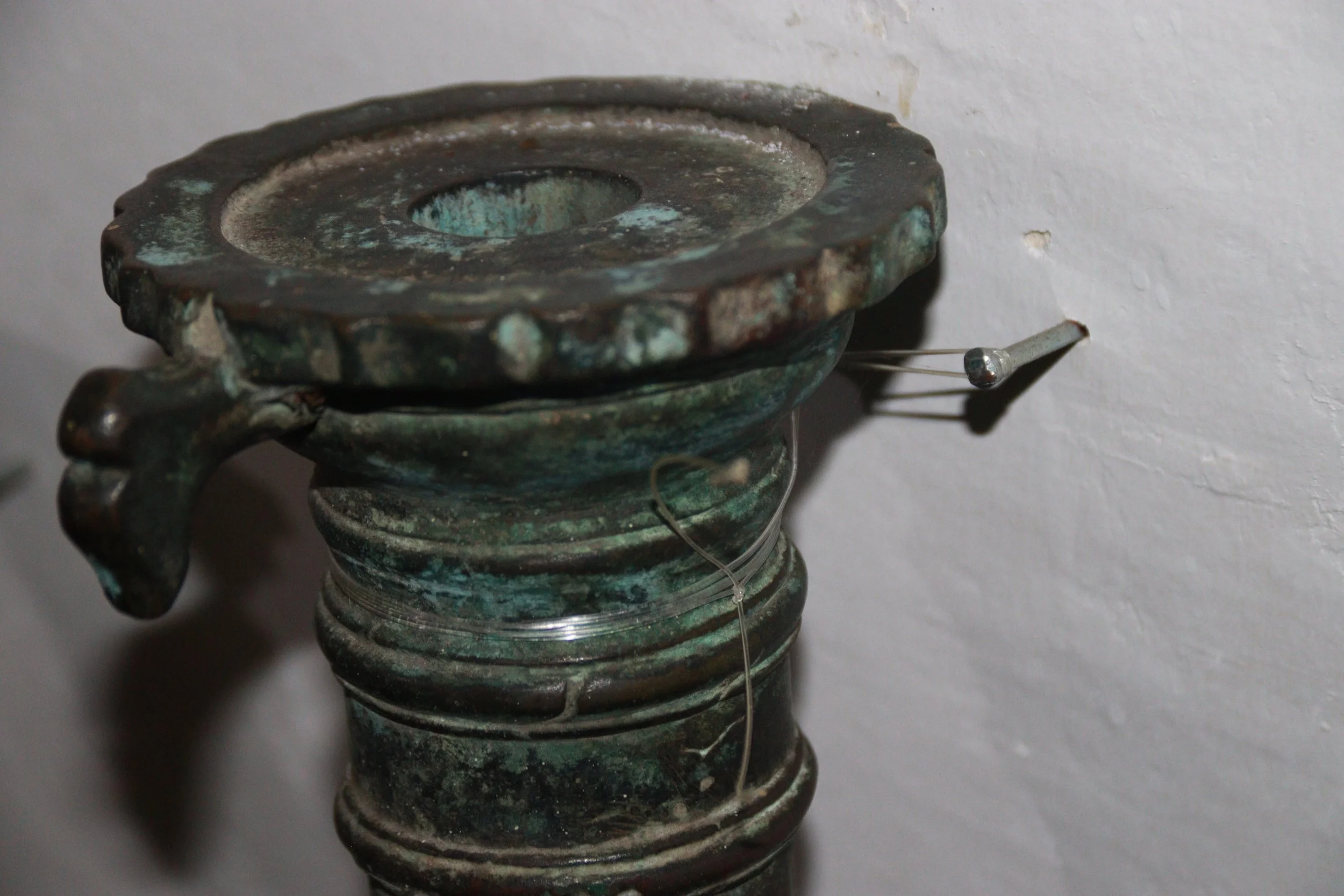
archive number: r-3-016c object reference: Lentaka (Maluku Style (assumed)) origin: Colonial Southeast Asia date: - notes: The Arabic calligraphy on this lentaka suggests an origin in Molluccan or potentially Malayu Sultanates of the early colonial era.
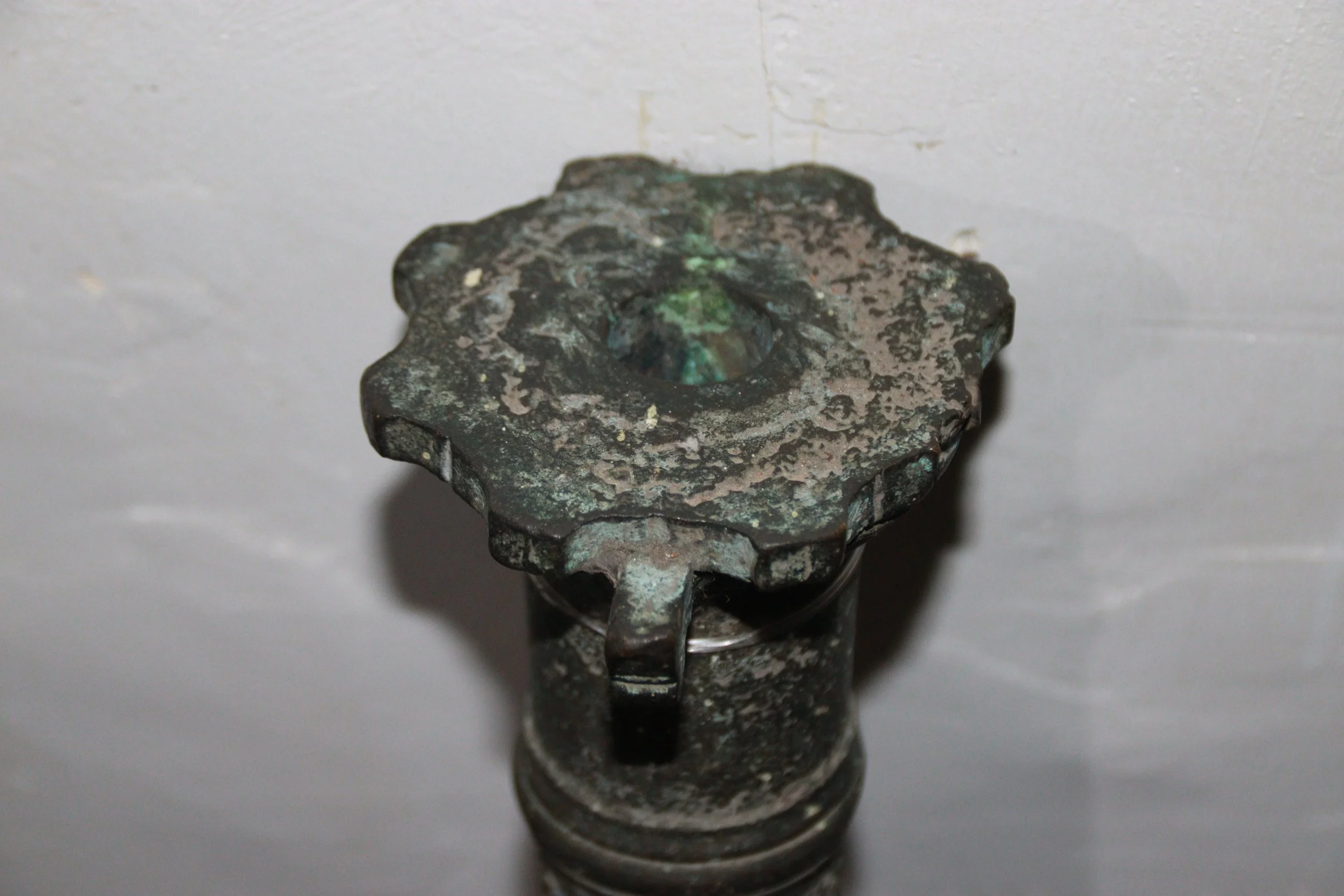
archive number: r-3-016f object reference: Lentaka (Sultanate Style) origin: Colonial Southeast Asia date: - notes: The ornamentation on this lantaka is common across many maritime sultanates in the Malay / Moluccan world, and features a crocodile motif, a powerful marine predator in the region
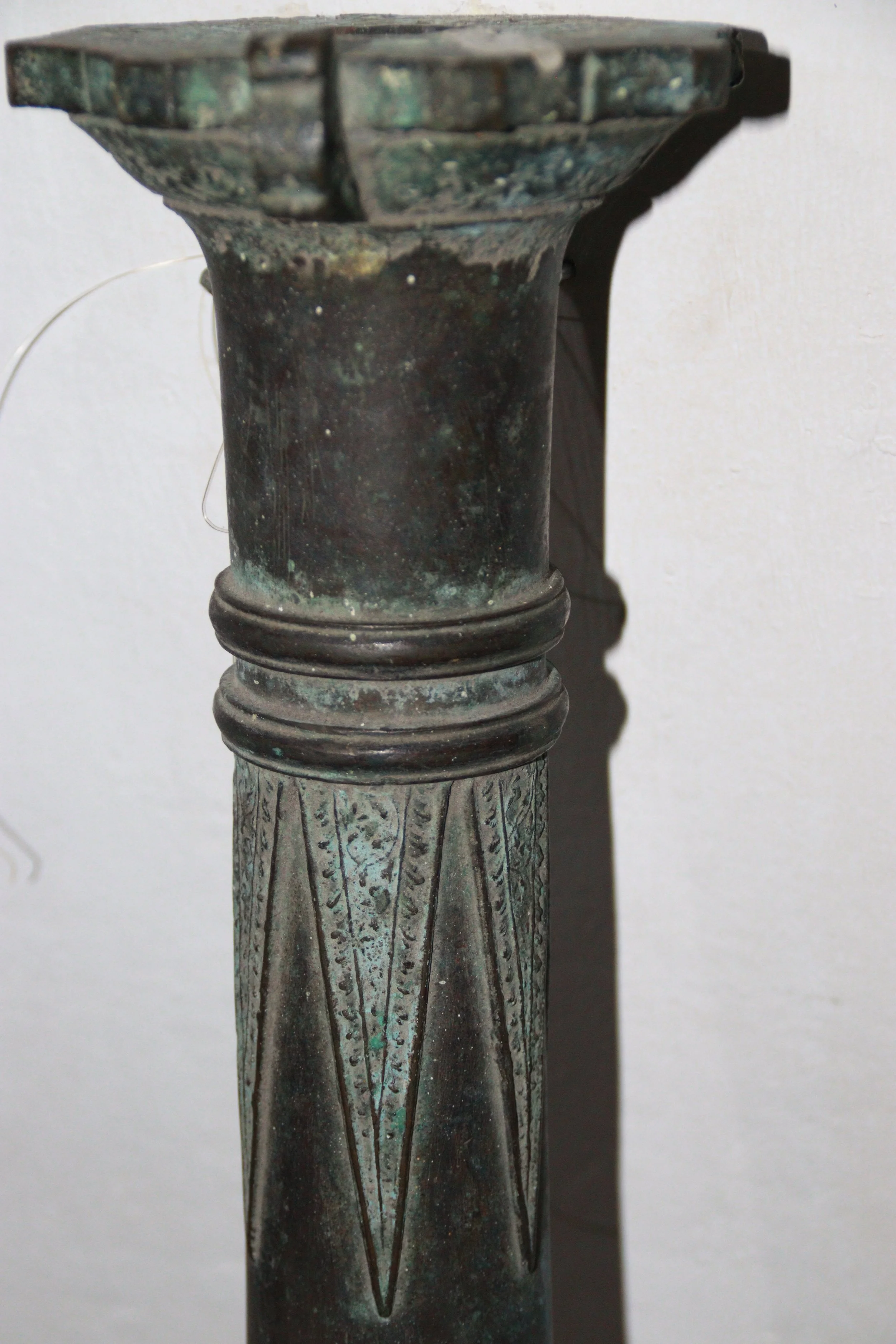
archive number: r-3-016 object reference: Lentaka (unknown origin) origin: Colonial Southeast Asia date: - notes: This lentaka appears to display a range of ornamentation which makes its origin hard to identify
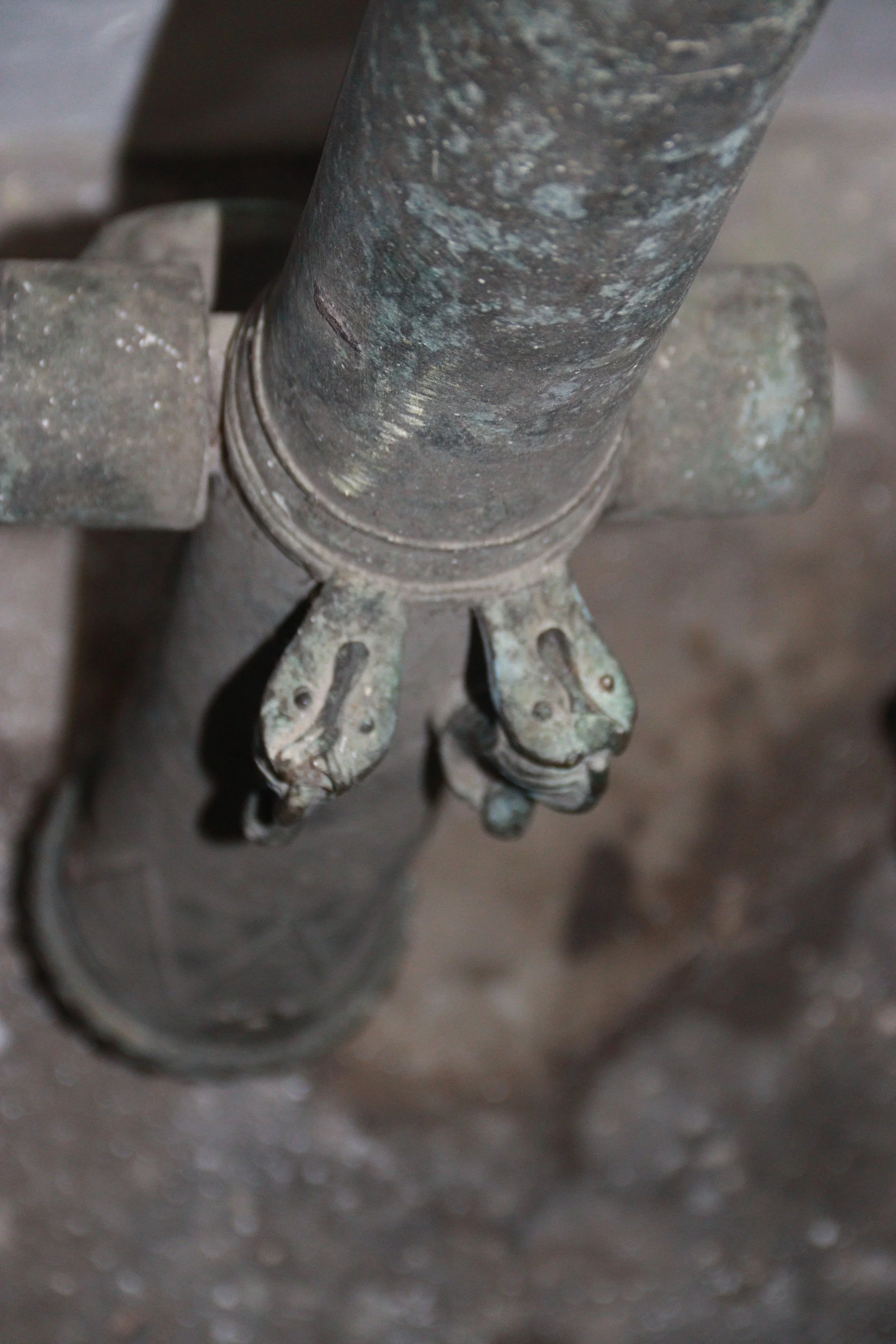
archive number: r-3-016d object reference: Lentaka (Maluku Style (assumed)) origin: Colonial Southeast Asia date: - notes: The mythical creatures on the barrel of this lentaka suggest indigenous production, though there are clear influences from colonial European design
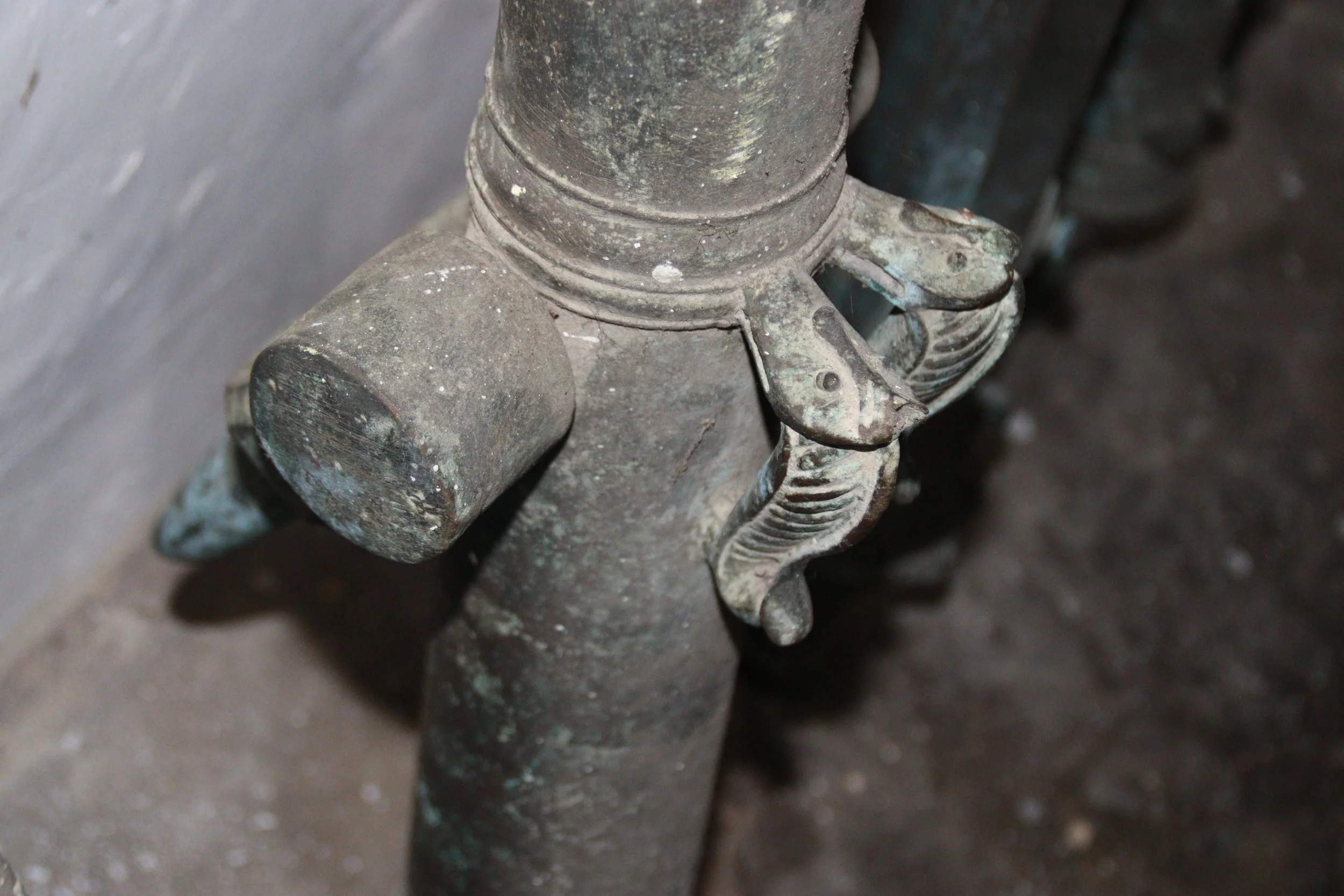
archive number: r-3-016d object reference: Lentaka (Maluku Style (assumed)) origin: Colonial Southeast Asia date: - notes: The mythical creatures on the barrel of this lentaka suggest indigenous production, though there are clear influences from colonial European design
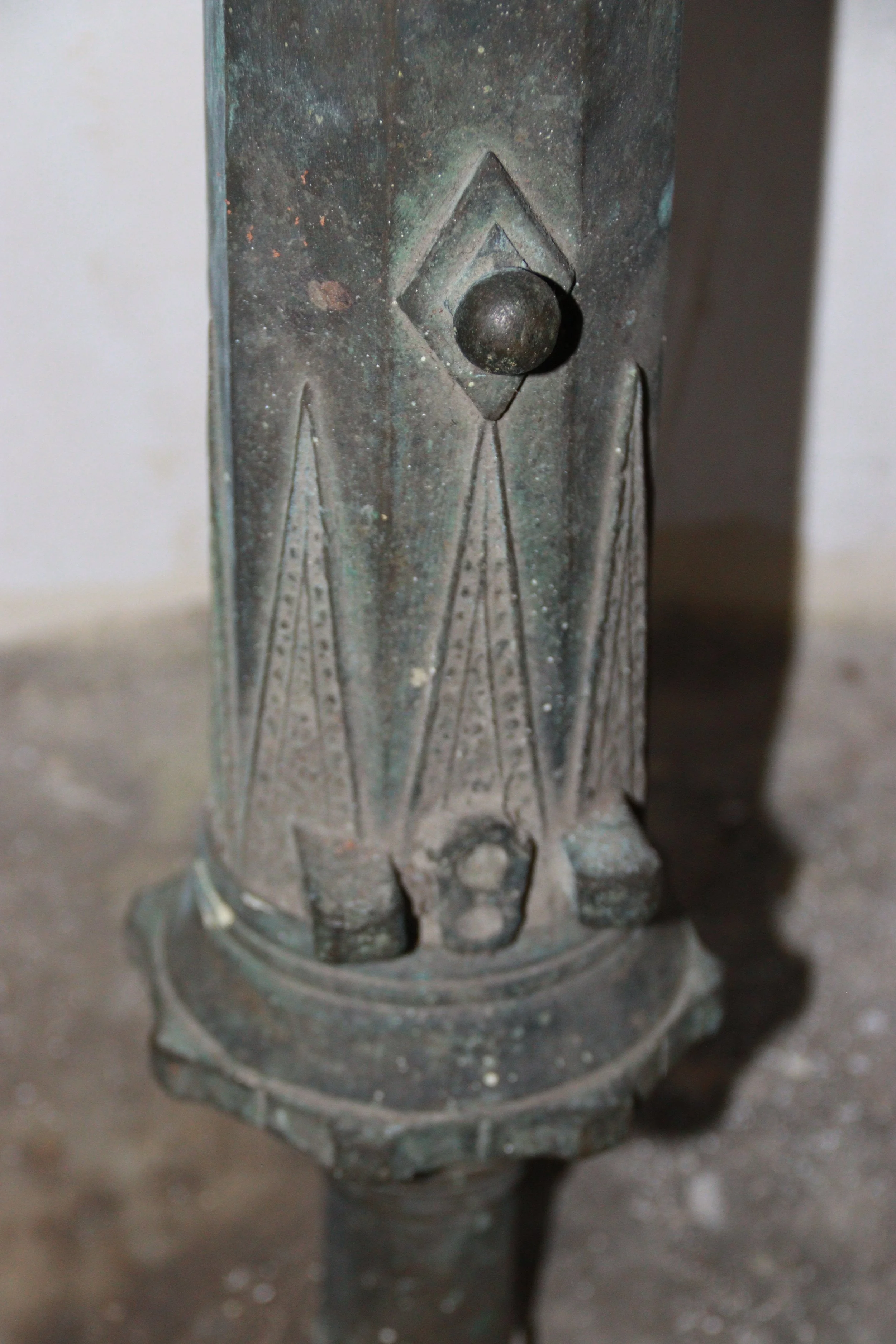
archive number: r-3-016e object reference: Lentaka (Sultanate Style) origin: Colonial Southeast Asia date: - notes: The ornamentation on this lantaka is common across many maritime sultanates in the Malay / Moluccan world, and features a crocodile motif, a powerful marine predator in the region
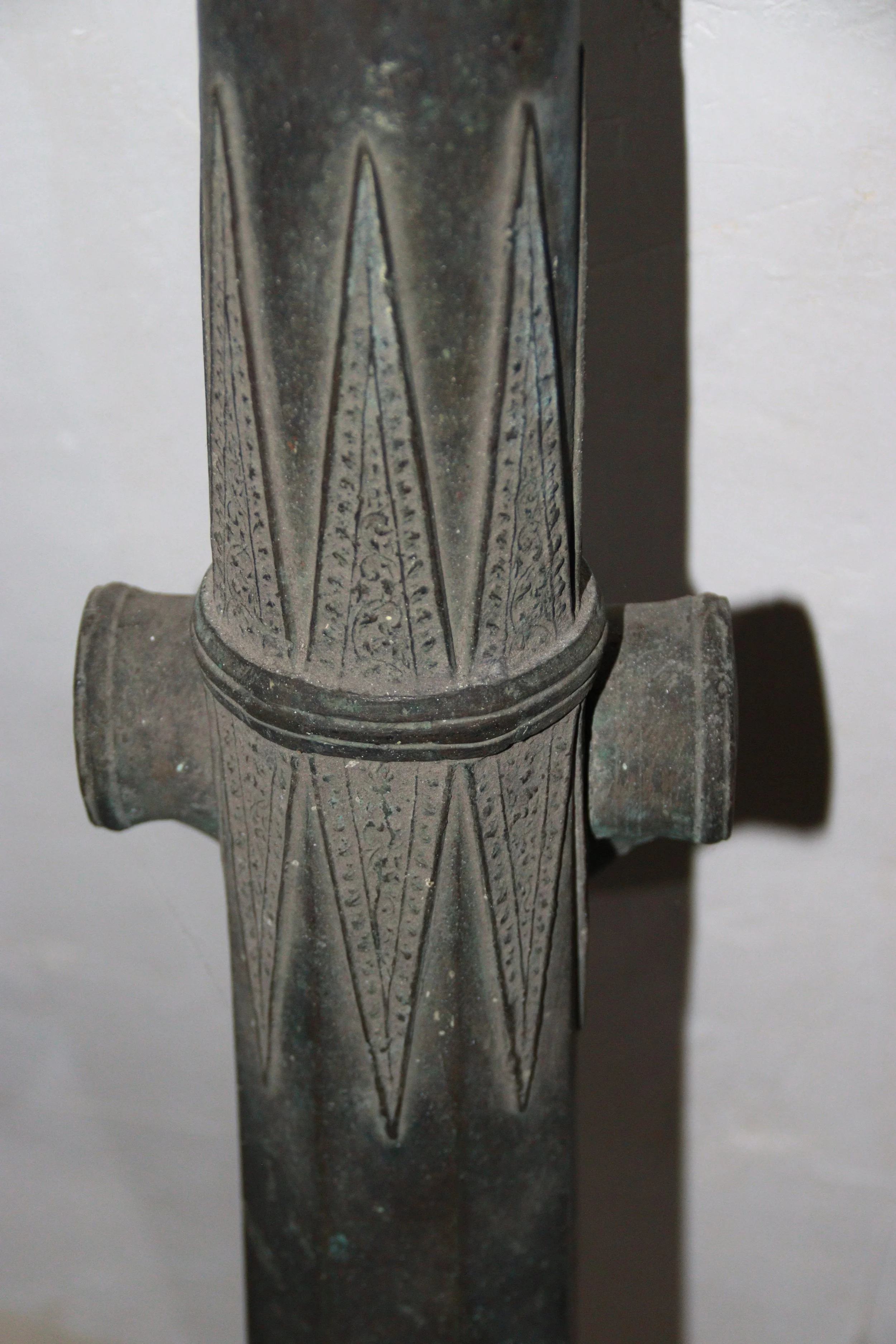
archive number: r-3-016e object reference: Lentaka (Sultanate Style) origin: Colonial Southeast Asia date: - notes: The ornamentation on this lantaka is common across many maritime sultanates in the Malay / Moluccan world, and features a crocodile motif, a powerful marine predator in the region
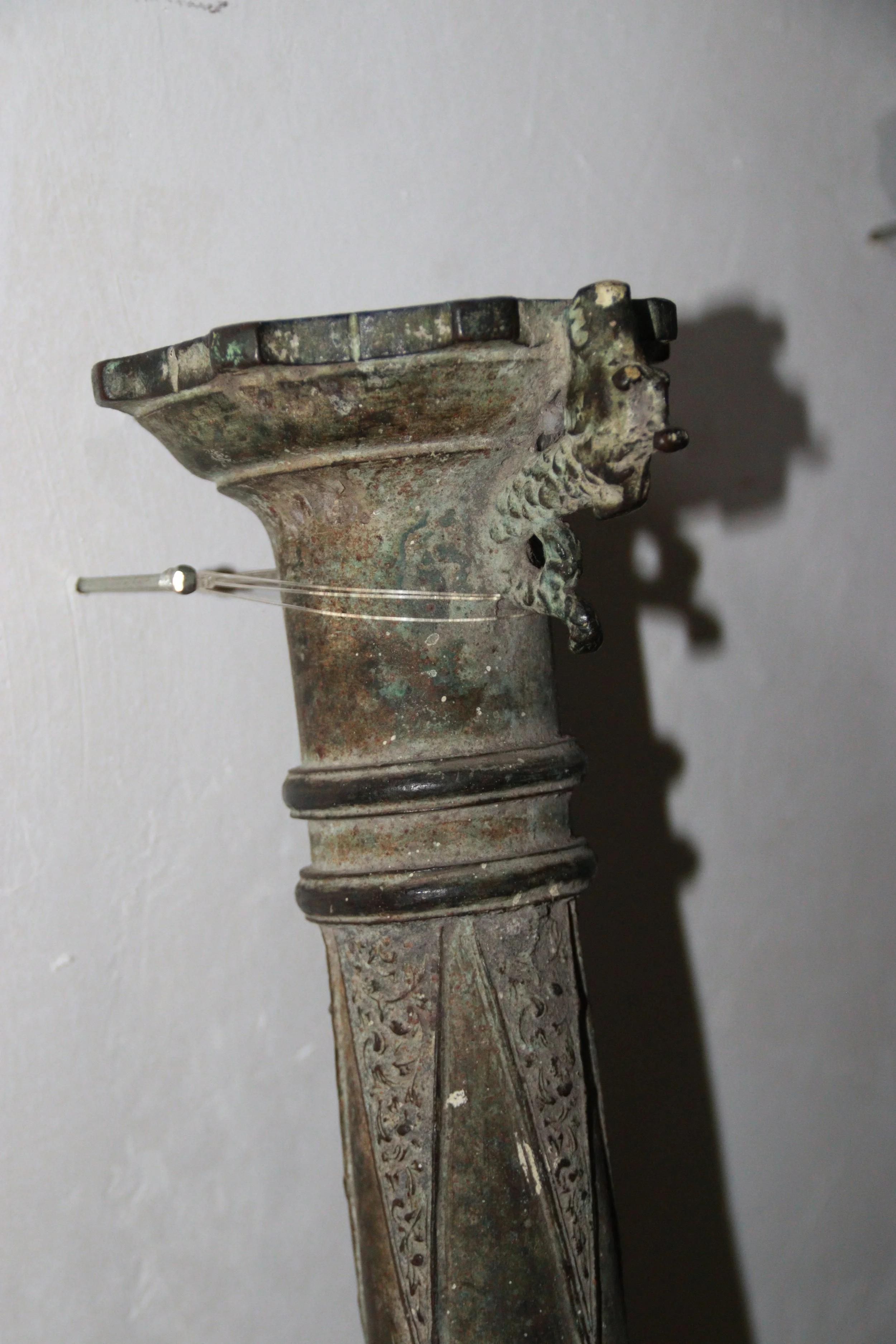
archive number: r-3-016e object reference: Lentaka (Sultanate Style) origin: Colonial Southeast Asia date: - notes: The ornamentation on this lantaka is common across many maritime sultanates in the Malay / Moluccan world, and features a crocodile motif, a powerful marine predator in the region
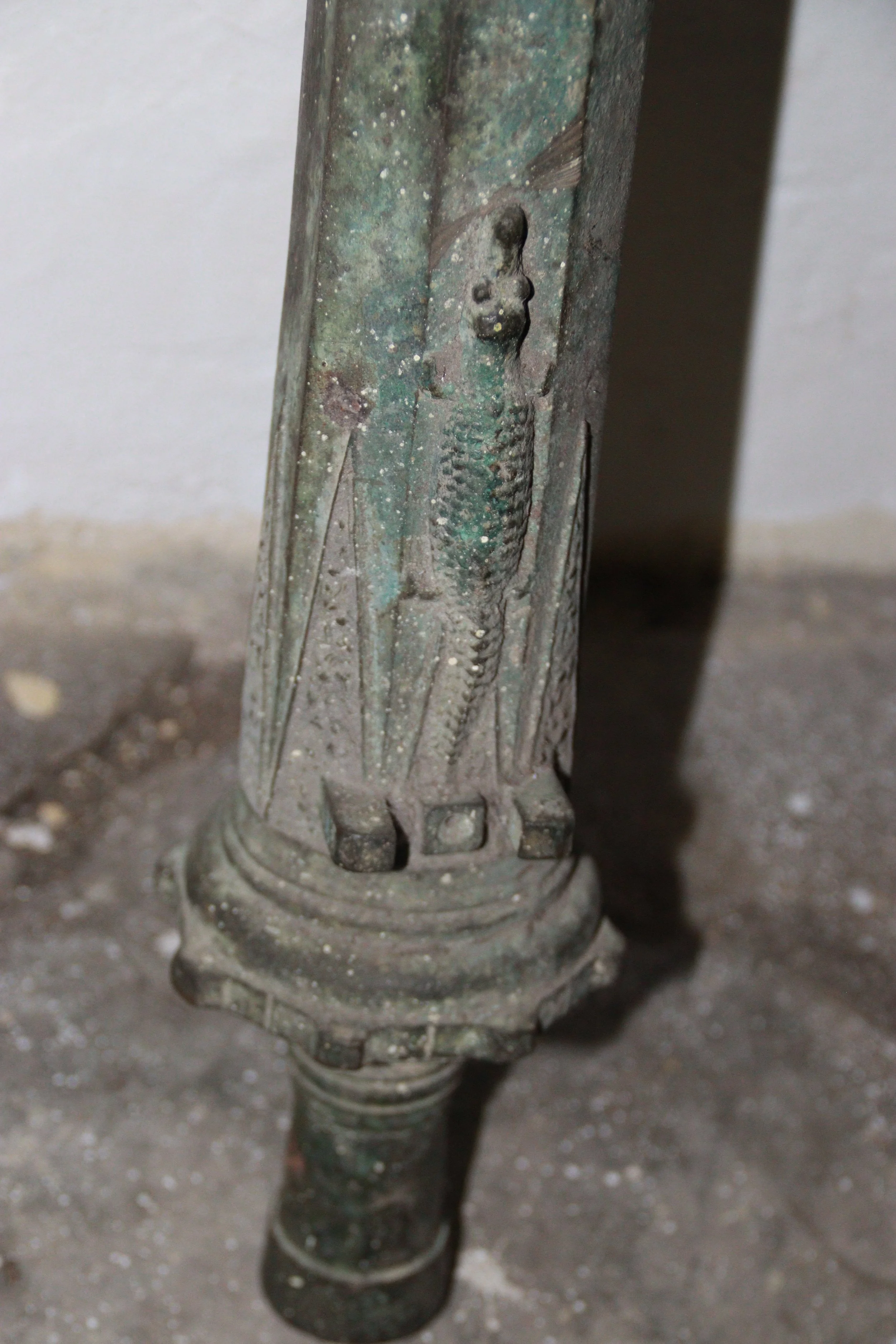
archive number: r-3-016e object reference: Lentaka (Sultanate Style) origin: Colonial Southeast Asia date: - notes: The ornamentation on this lantaka is common across many maritime sultanates in the Malay / Moluccan world, and features a crocodile motif, a powerful marine predator in the region
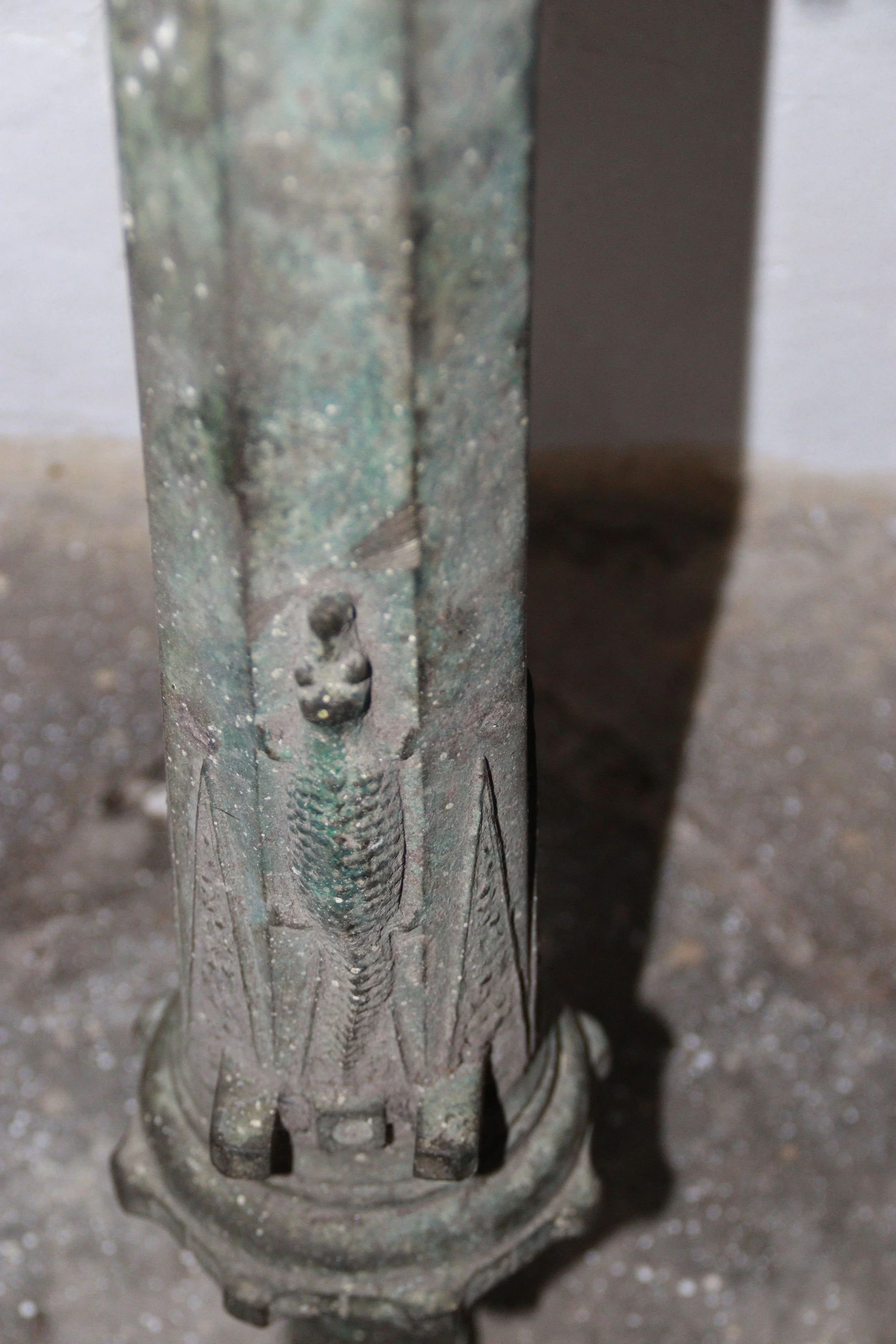
archive number: r-3-016e object reference: Lentaka (Sultanate Style) origin: Colonial Southeast Asia date: - notes: The ornamentation on this lantaka is common across many maritime sultanates in the Malay / Moluccan world, and features a crocodile motif, a powerful marine predator in the region
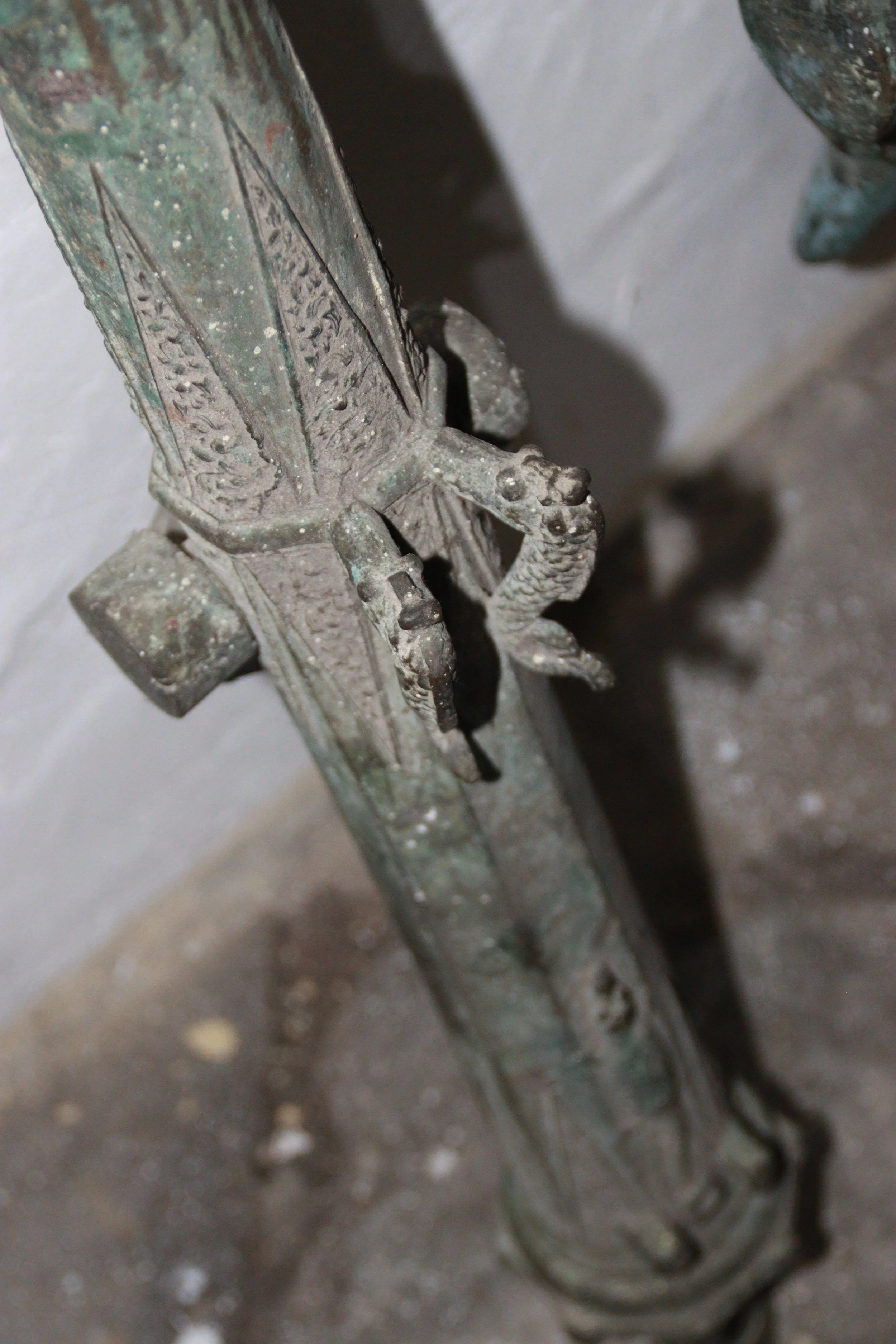
archive number: r-3-016e object reference: Lentaka (Sultanate Style) origin: Colonial Southeast Asia date: - notes: The ornamentation on this lantaka is common across many maritime sultanates in the Malay / Moluccan world, and features a crocodile motif, a powerful marine predator in the region
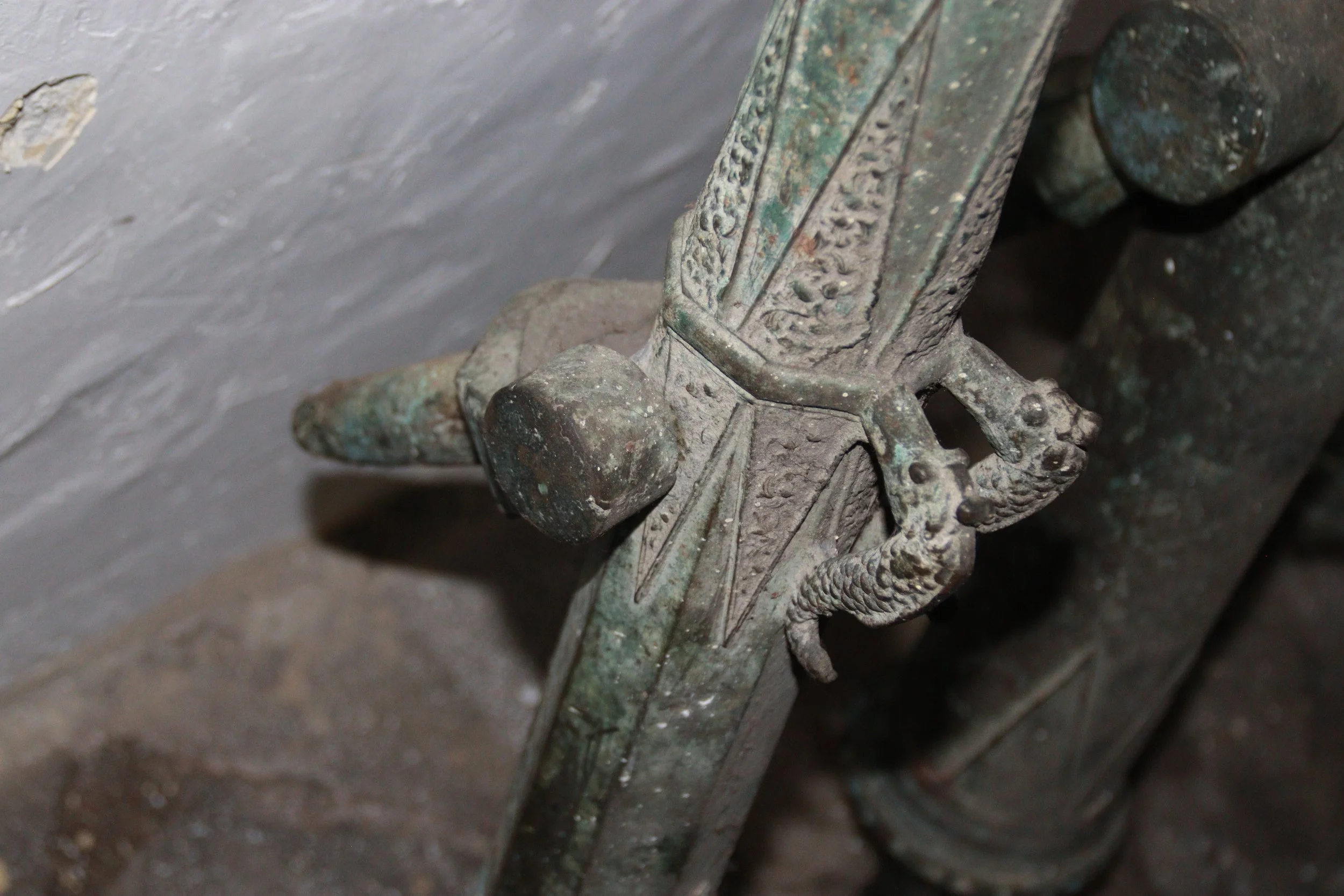
archive number: r-3-016e object reference: Lentaka (Sultanate Style) origin: Colonial Southeast Asia date: - notes: The ornamentation on this lantaka is common across many maritime sultanates in the Malay / Moluccan world, and features a crocodile motif, a powerful marine predator in the region
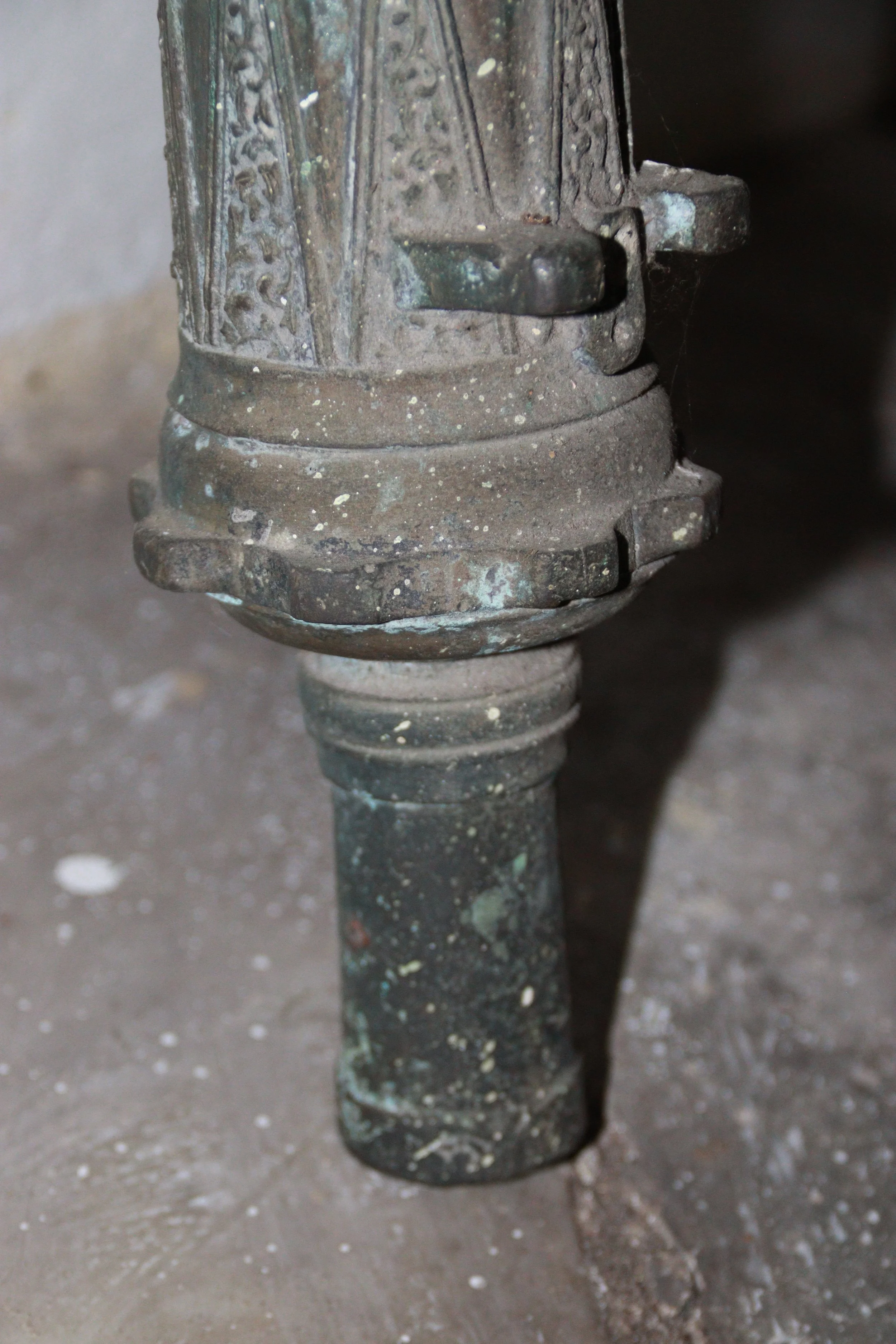
archive number: r-3-016f object reference: Lentaka (Sultanate Style) origin: Colonial Southeast Asia date: - notes: The ornamentation on this lantaka is common across many maritime sultanates in the Malay / Moluccan world, and features a crocodile motif, a powerful marine predator in the region
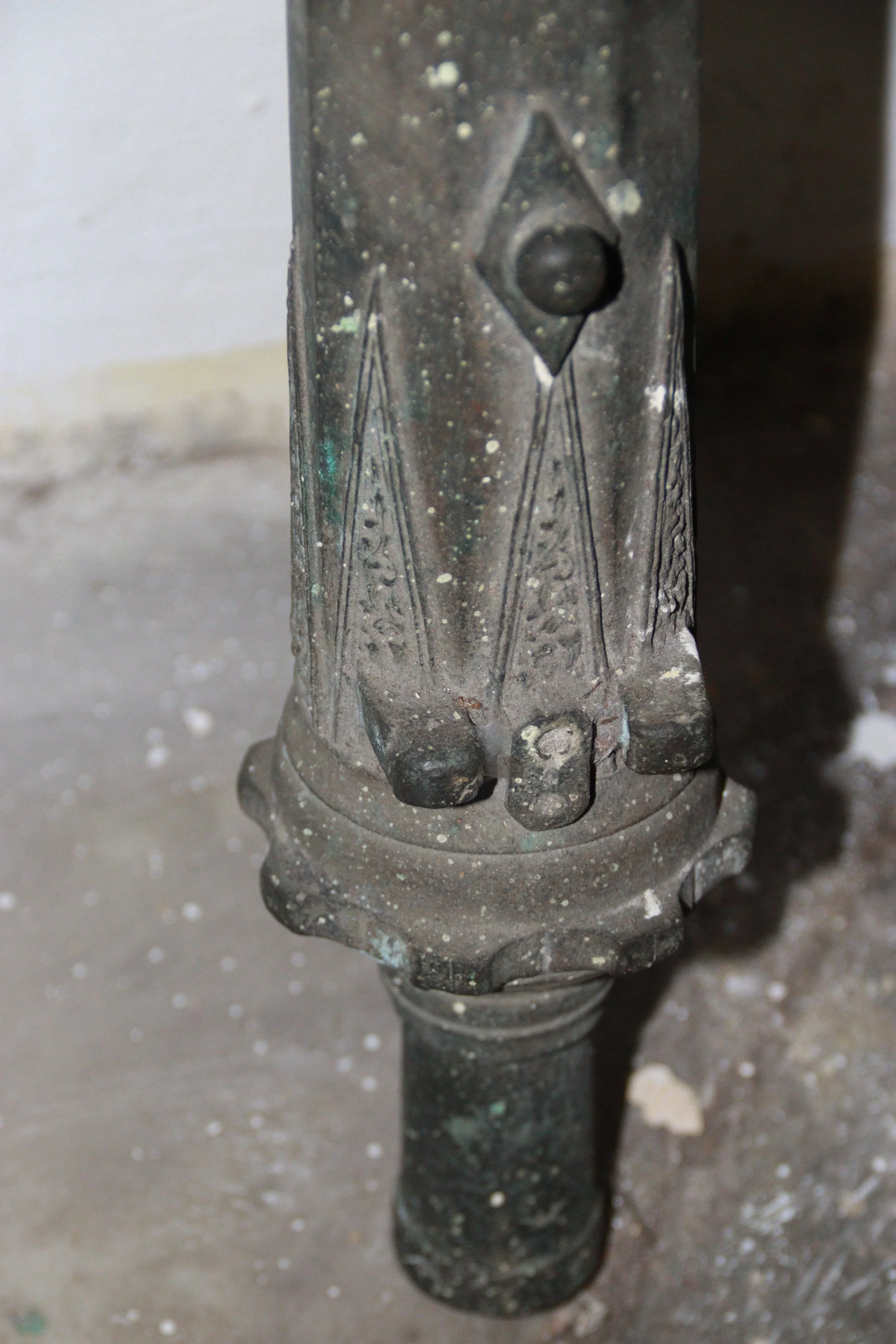
archive number: r-3-016f object reference: Lentaka (Sultanate Style) origin: Colonial Southeast Asia date: - notes: The ornamentation on this lantaka is common across many maritime sultanates in the Malay / Moluccan world, and features a crocodile motif, a powerful marine predator in the region
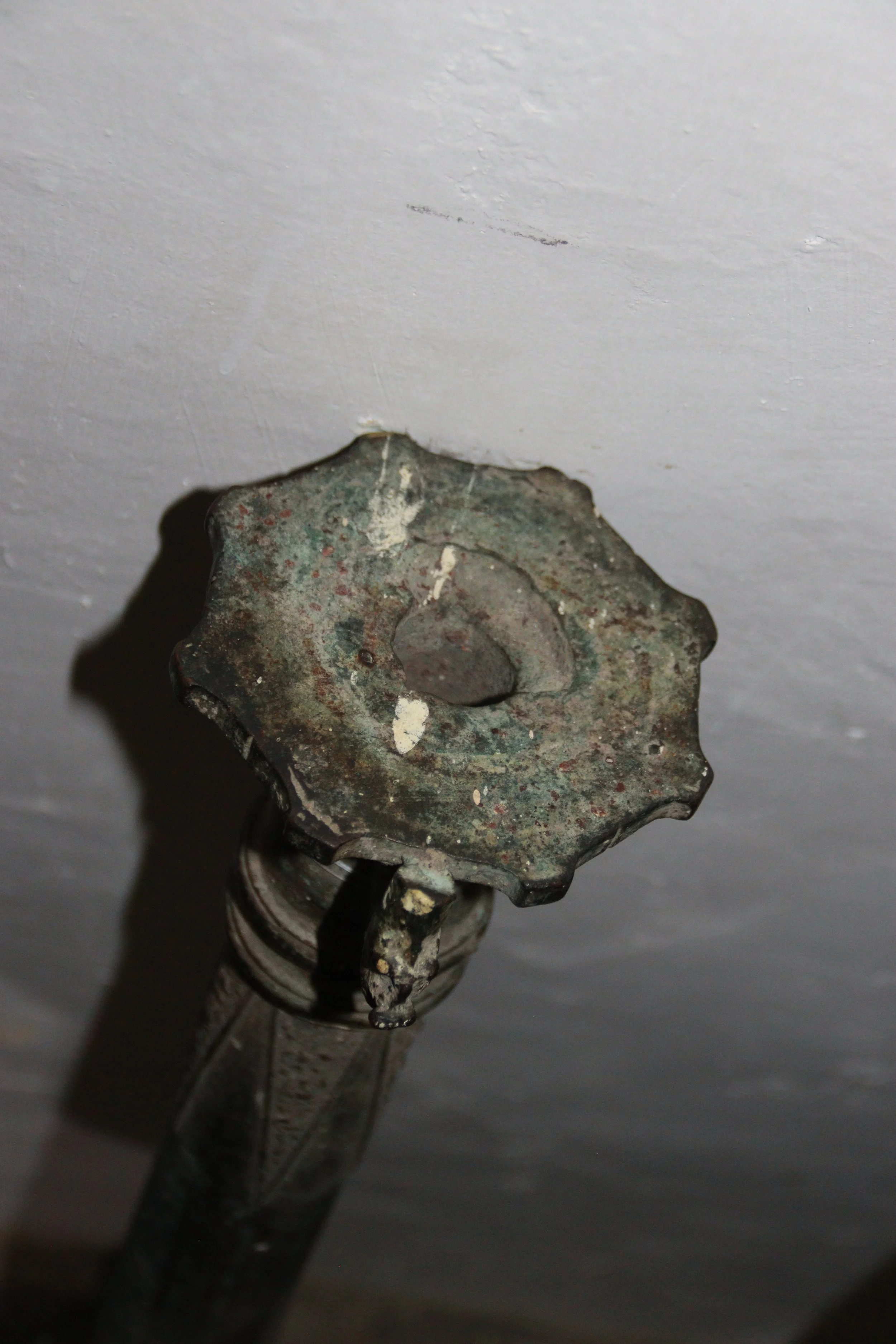
archive number: r-3-016f object reference: Lentaka (Sultanate Style) origin: Colonial Southeast Asia date: - notes: The ornamentation on this lantaka is common across many maritime sultanates in the Malay / Moluccan world, and features a crocodile motif, a powerful marine predator in the region
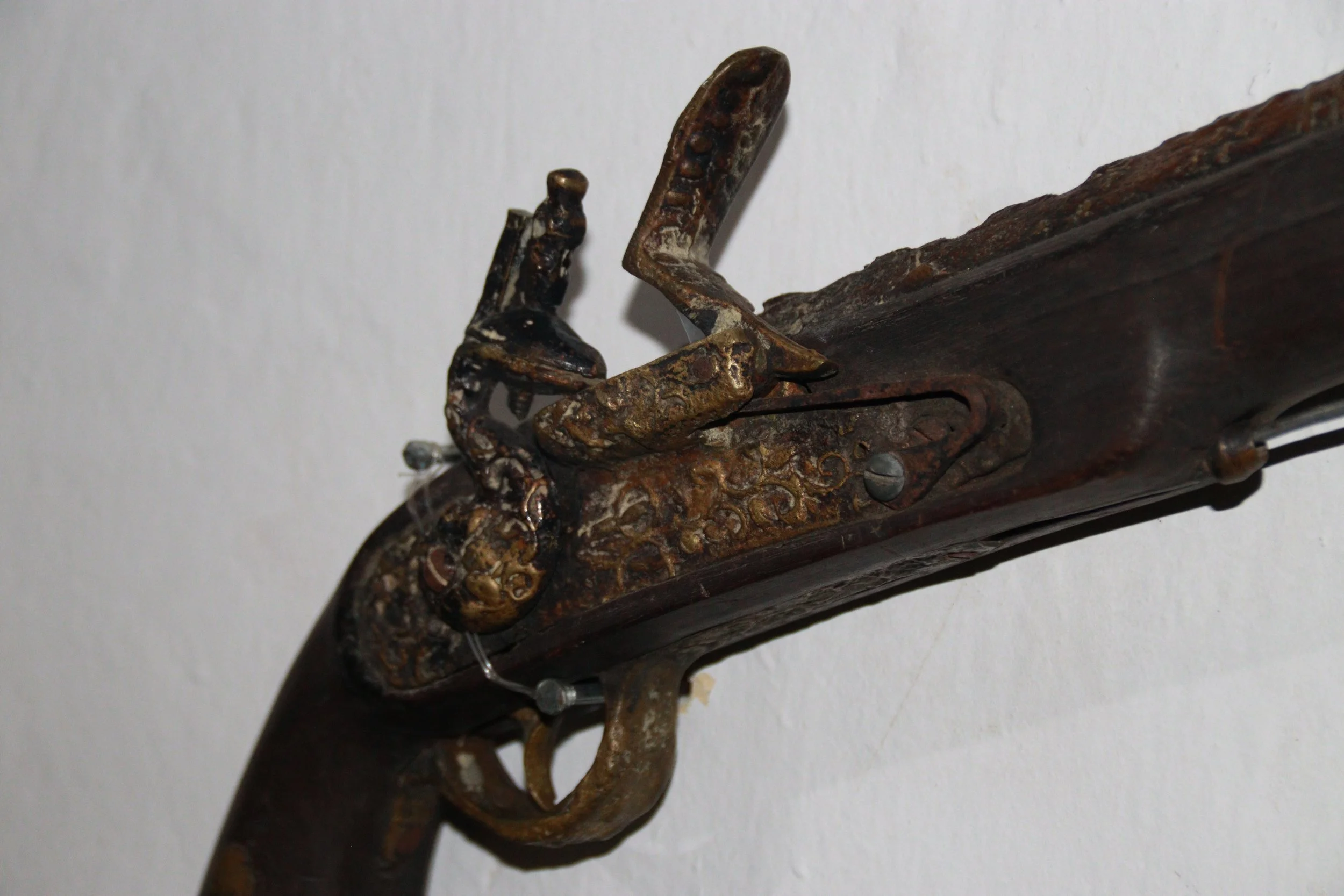
archive number: r-3-017 object reference: Flintlock pistol origin: Europe date: - notes: Flintlock pistols were common weapons for early maritime expeditions
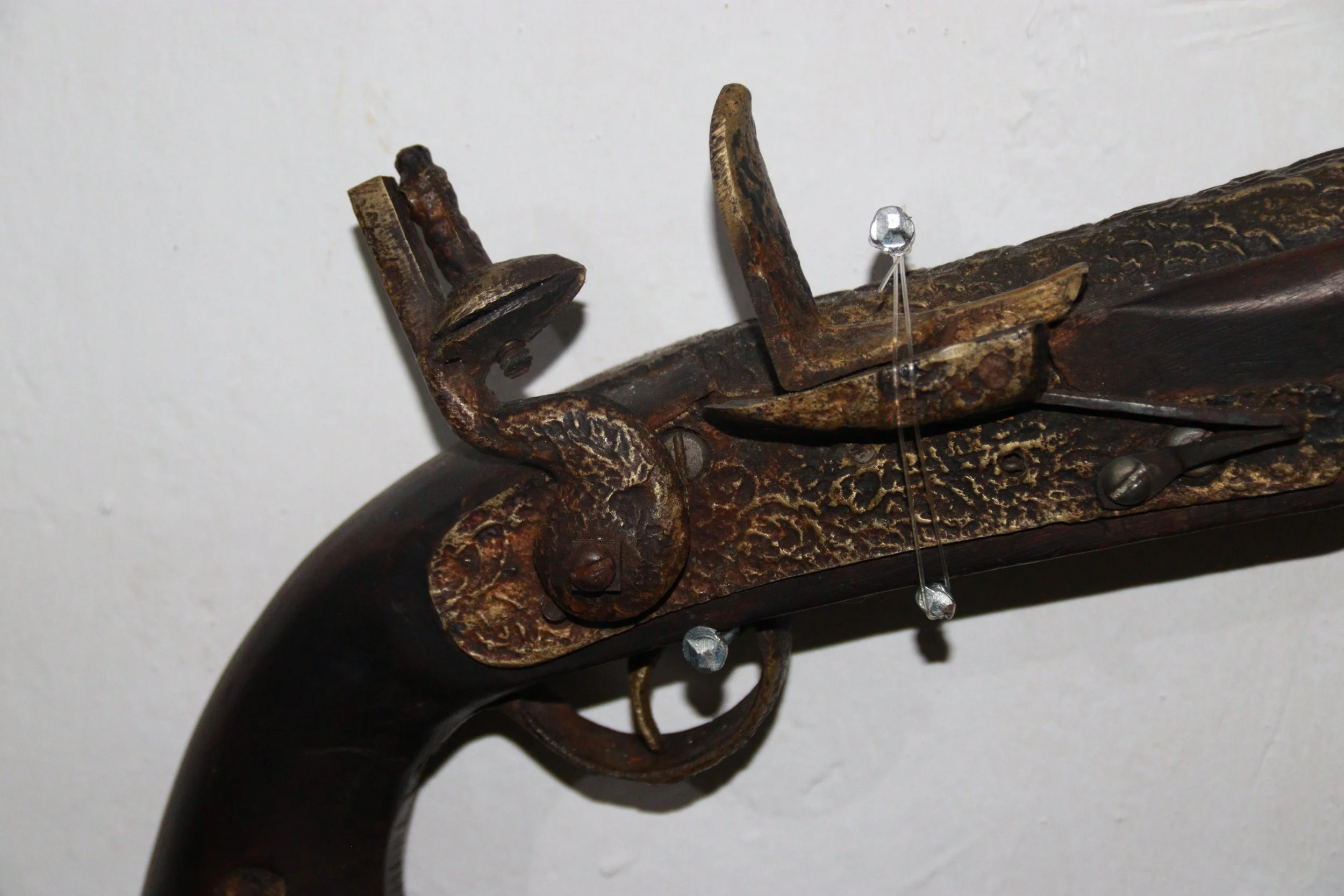
archive number: r-3-018 object reference: Flintlock pistol origin: Europe date: - notes: Flintlock pistols were common weapons for early maritime expeditions
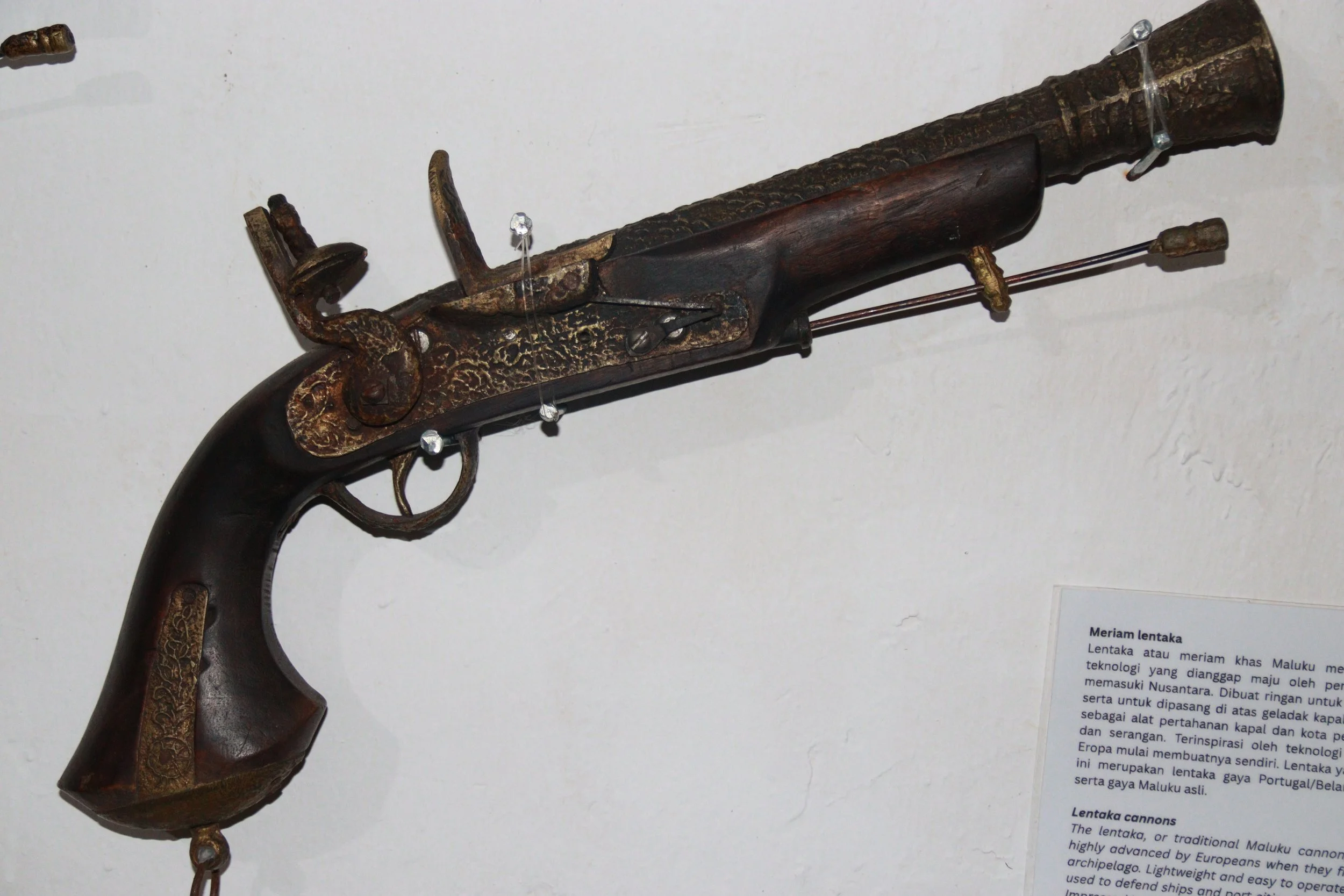
archive number: r-3-018 object reference: Flintlock pistol origin: Europe date: - notes: Flintlock pistols were common weapons for early maritime expeditions
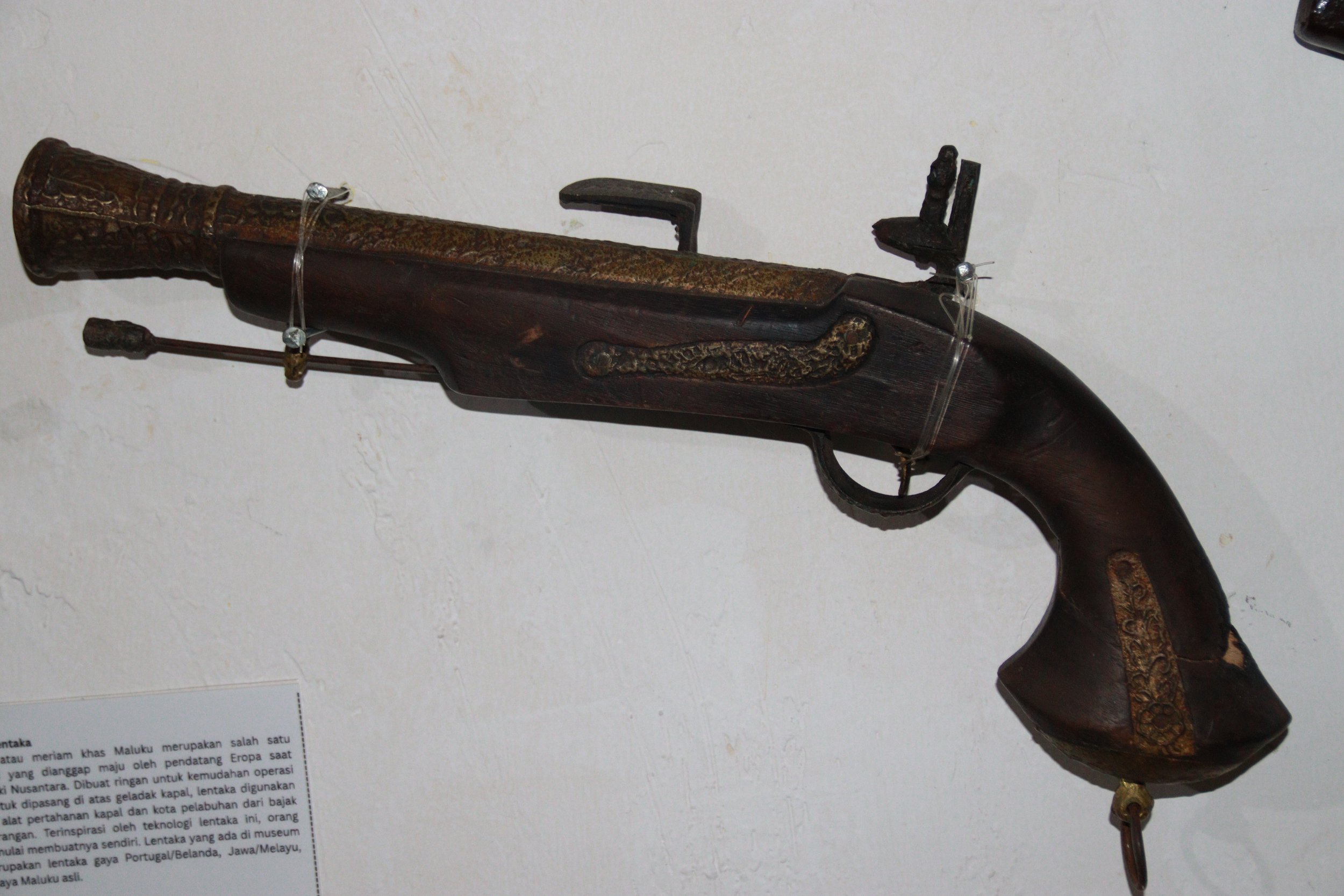
archive number: r-3-019 object reference: Flintlock pistol origin: Europe date: - notes: Flintlock pistols were common weapons for early maritime expeditions
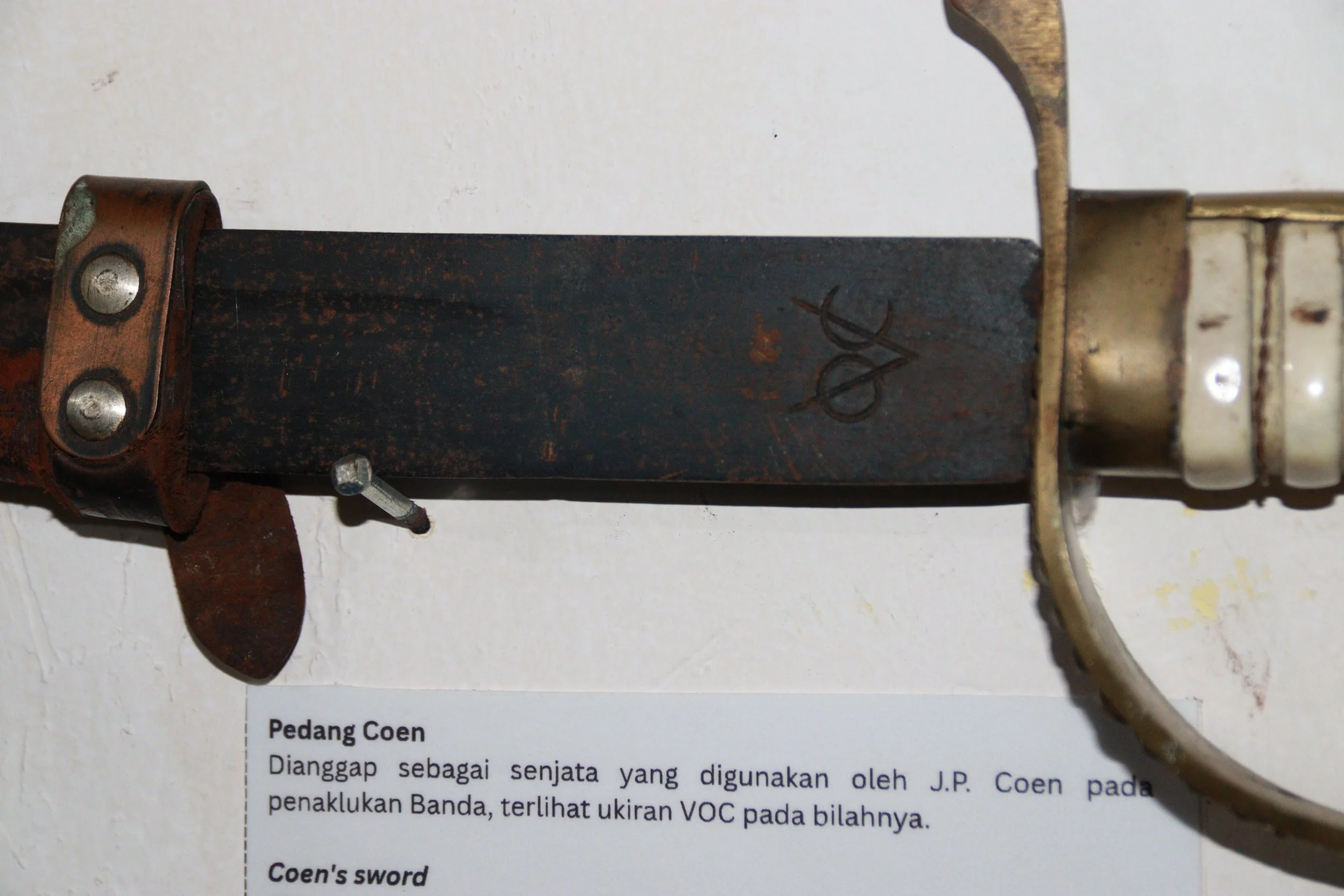
archive number: r-3-020 object reference: Coen's sword origin: Europe date: - notes: This cutlass-style sword is engraved with the VOC (Dutch East India Company) logo, and is believed to have belonged to Jan Pieterszoon Coen, the Dutch officer who enacted the Banda Genocide and would later become Governor-general of the Dutch East Indies
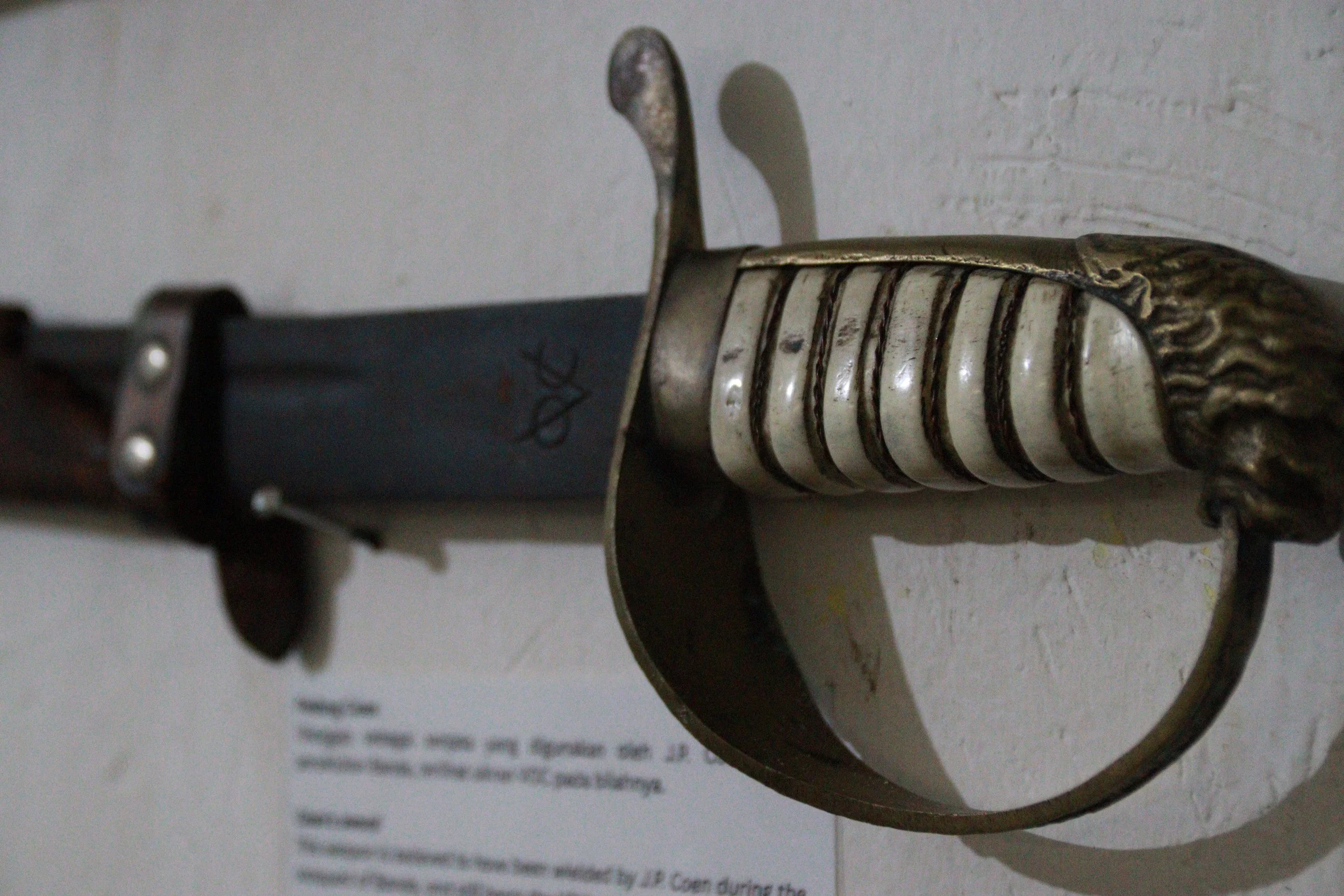
archive number: r-3-020 object reference: Coen's sword origin: Europe date: - notes: This cutlass-style sword is engraved with the VOC (Dutch East India Company) logo, and is believed to have belonged to Jan Pieterszoon Coen, the Dutch officer who enacted the Banda Genocide and would later become Governor-general of the Dutch East Indies
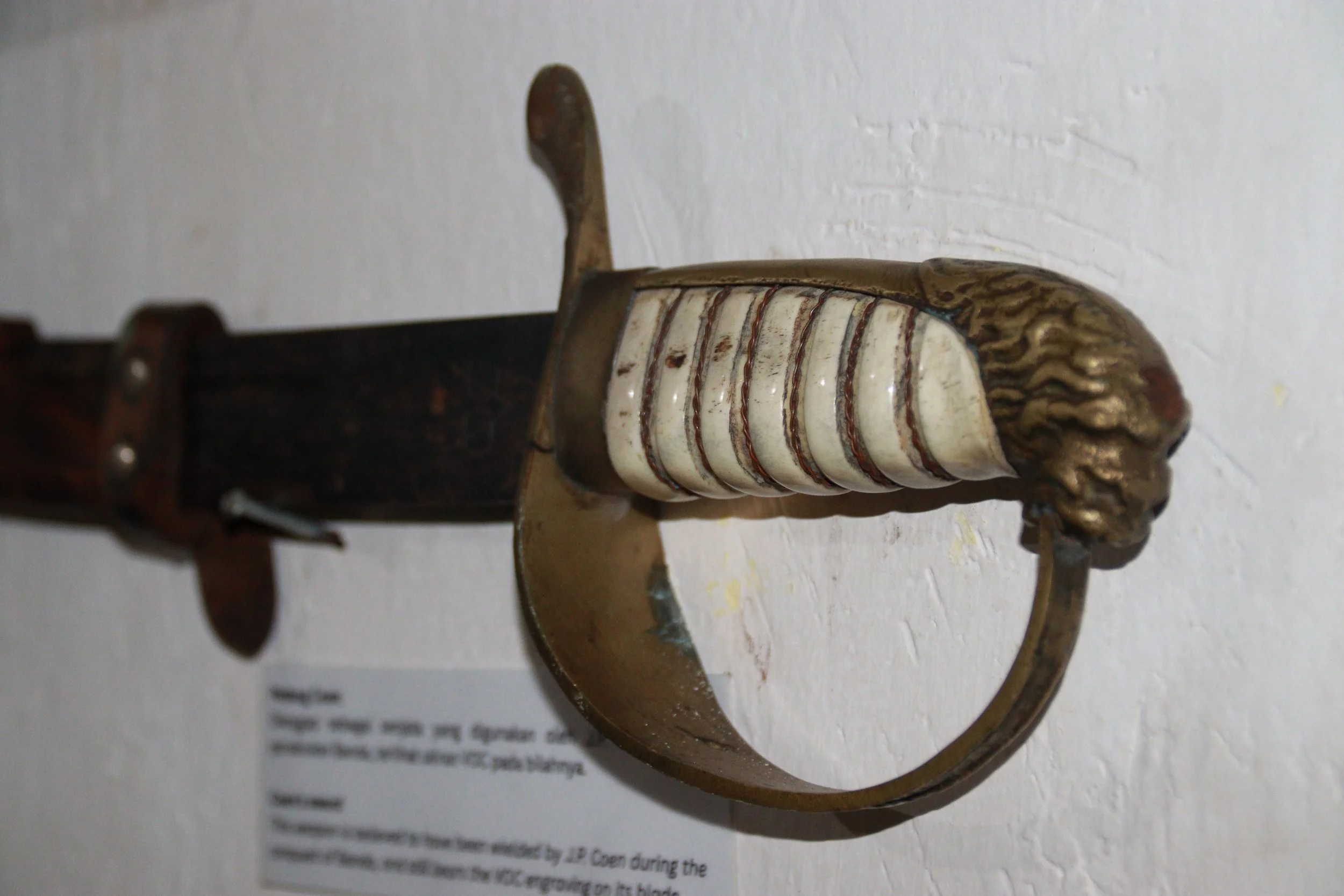
archive number: r-3-020 object reference: Coen's sword origin: Europe date: - notes: This cutlass-style sword is engraved with the VOC (Dutch East India Company) logo, and is believed to have belonged to Jan Pieterszoon Coen, the Dutch officer who enacted the Banda Genocide and would later become Governor-general of the Dutch East Indies
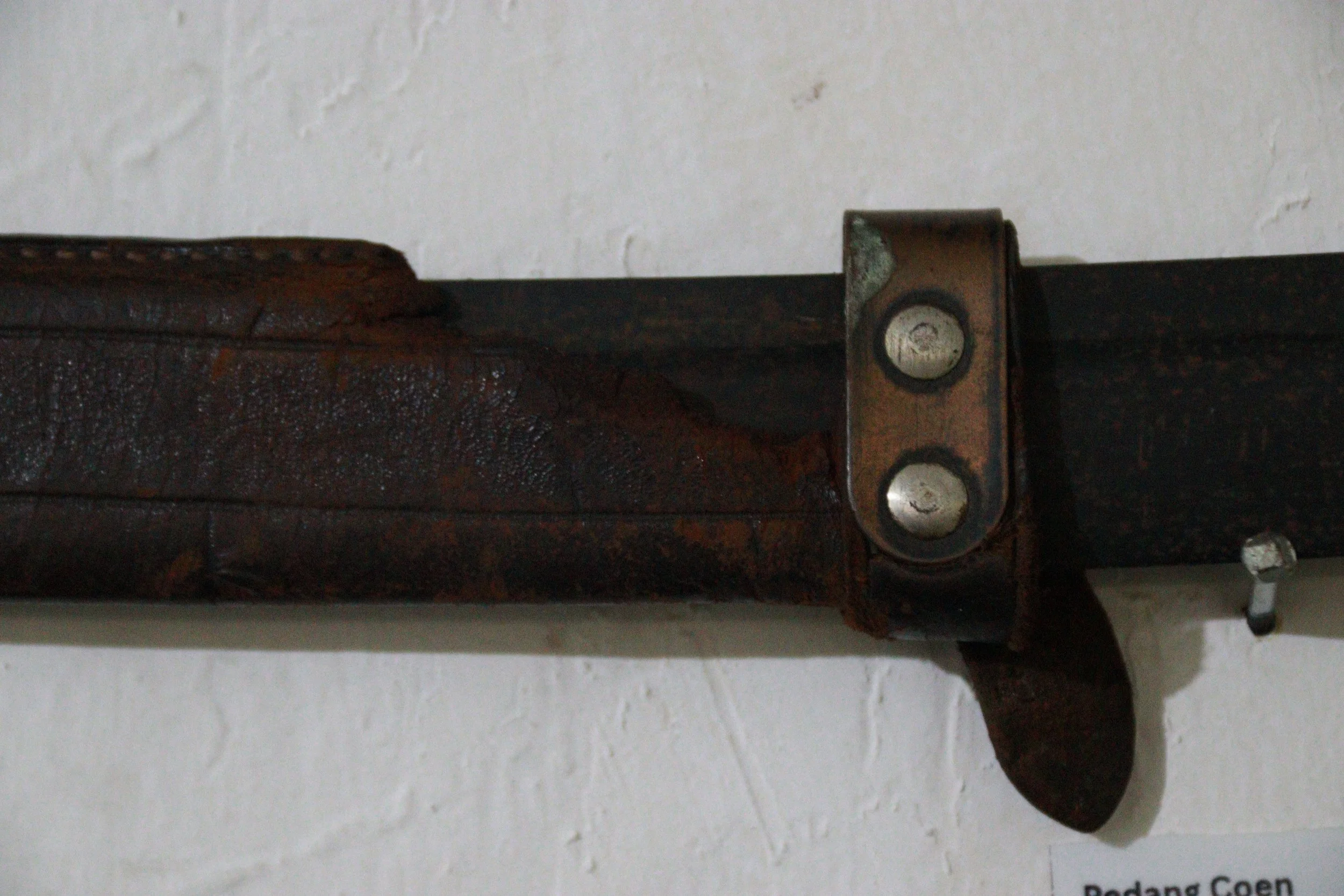
archive number: r-3-020 object reference: Coen's sword origin: Europe date: - notes: This cutlass-style sword is engraved with the VOC (Dutch East India Company) logo, and is believed to have belonged to Jan Pieterszoon Coen, the Dutch officer who enacted the Banda Genocide and would later become Governor-general of the Dutch East Indies
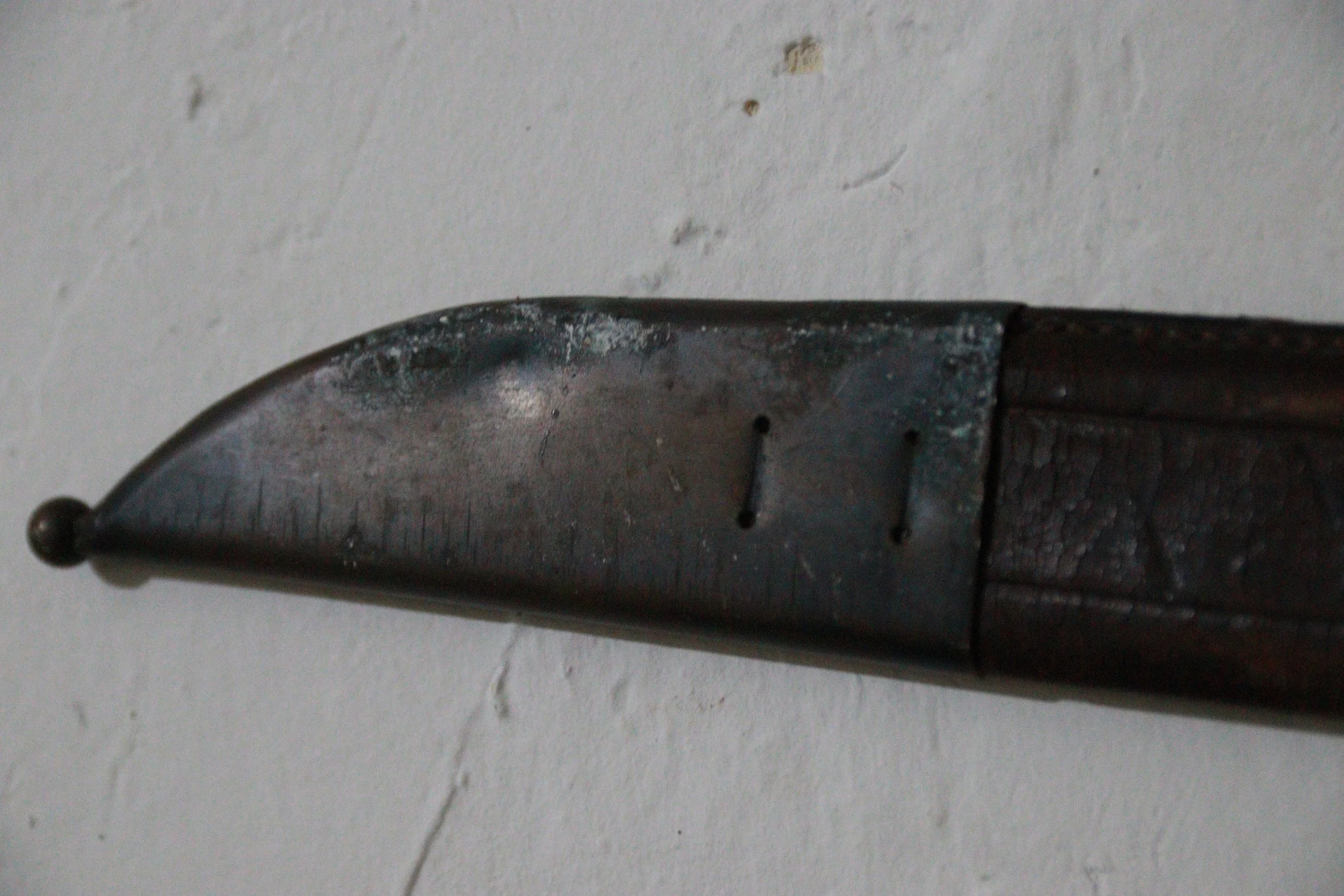
archive number: r-3-020 object reference: Coen's sword origin: Europe date: - notes: This cutlass-style sword is engraved with the VOC (Dutch East India Company) logo, and is believed to have belonged to Jan Pieterszoon Coen, the Dutch officer who enacted the Banda Genocide and would later become Governor-general of the Dutch East Indies
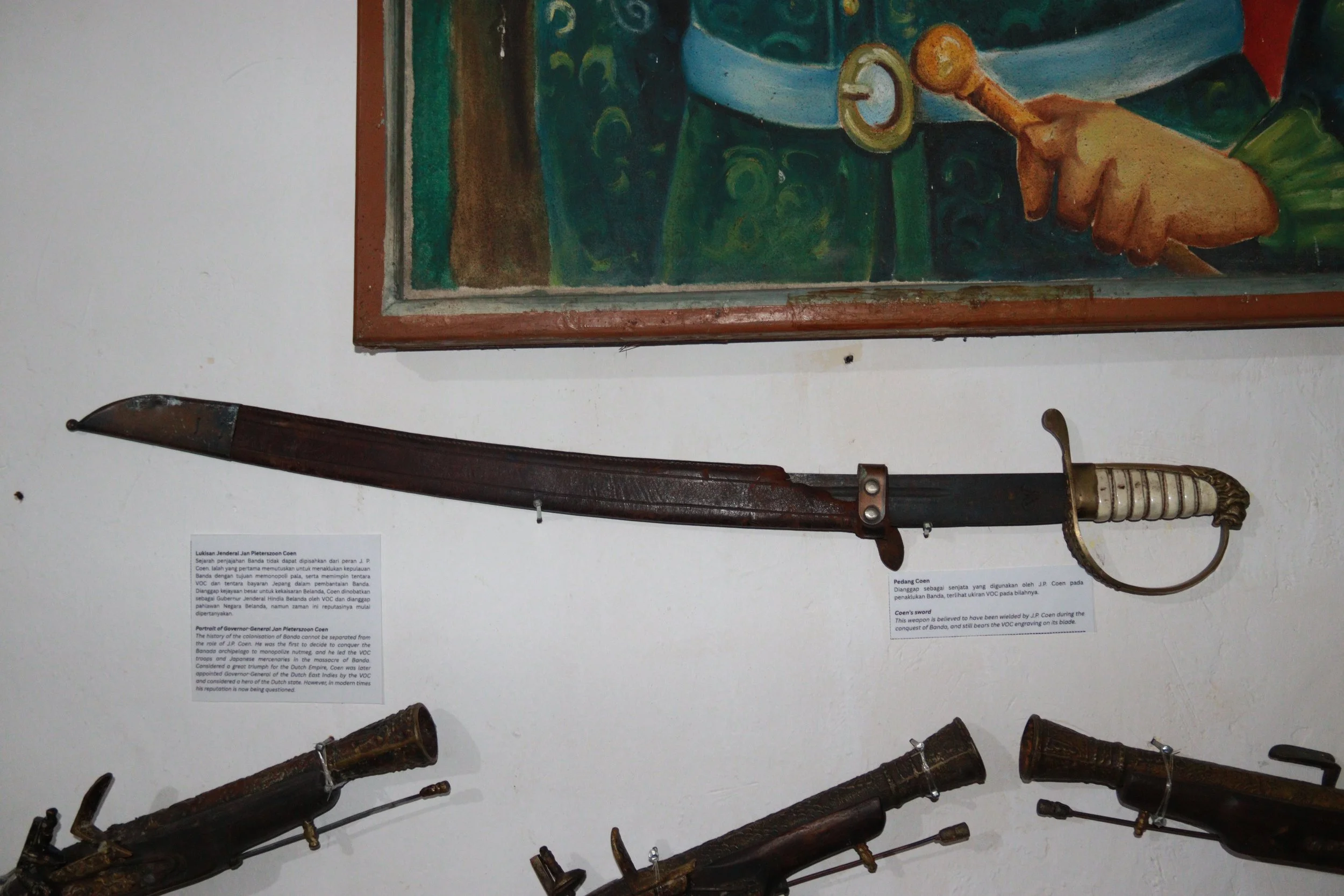
archive number: r-3-020 object reference: Coen's sword origin: Europe date: - notes: This cutlass-style sword is engraved with the VOC (Dutch East India Company) logo, and is believed to have belonged to Jan Pieterszoon Coen, the Dutch officer who enacted the Banda Genocide and would later become Governor-general of the Dutch East Indies
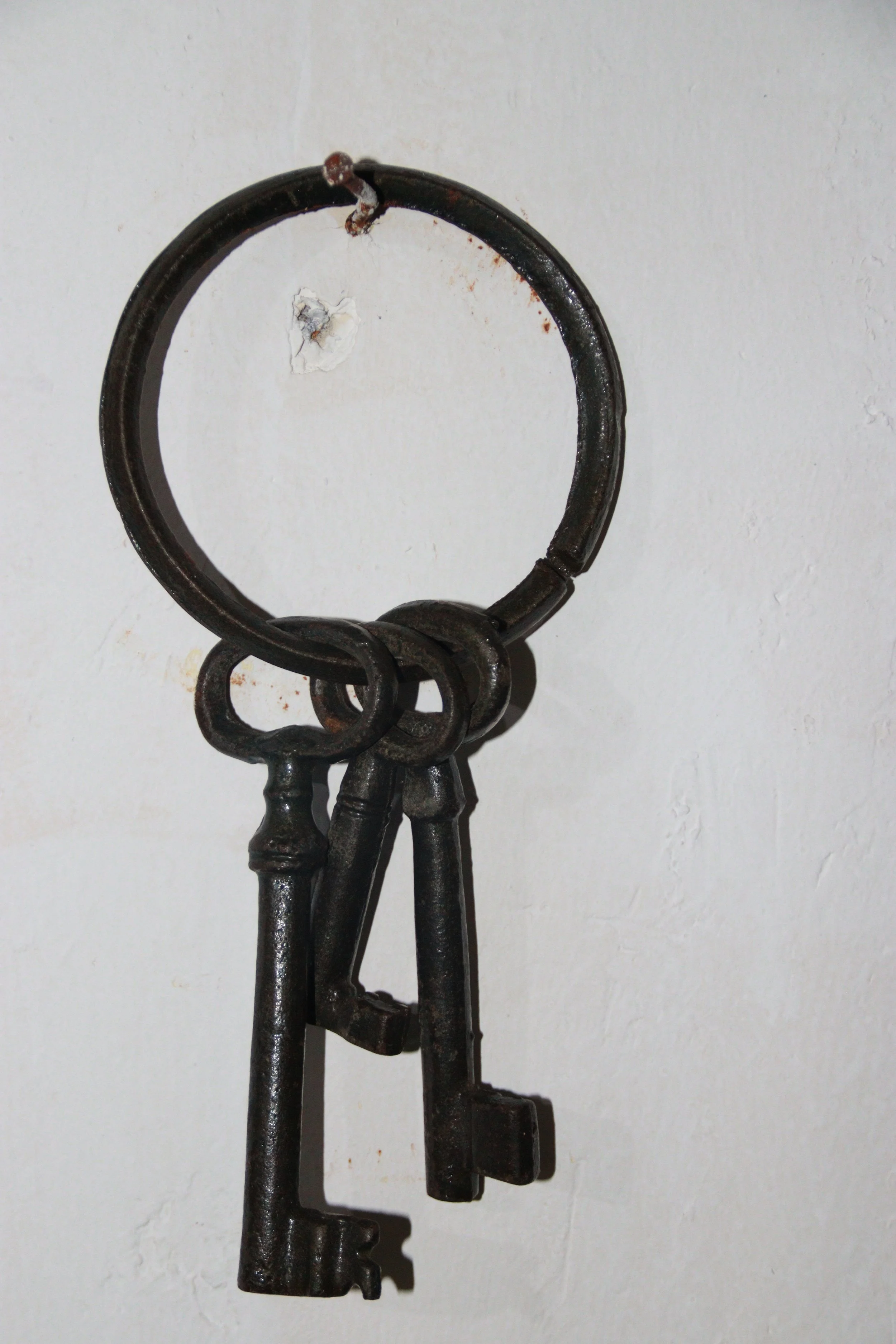
archive number: r-3-021 object reference: Iron Keys origin: - date: - notes: These heavy keys were likely used to secure important objects such as trading stock and weapons, or potentially prison cells.