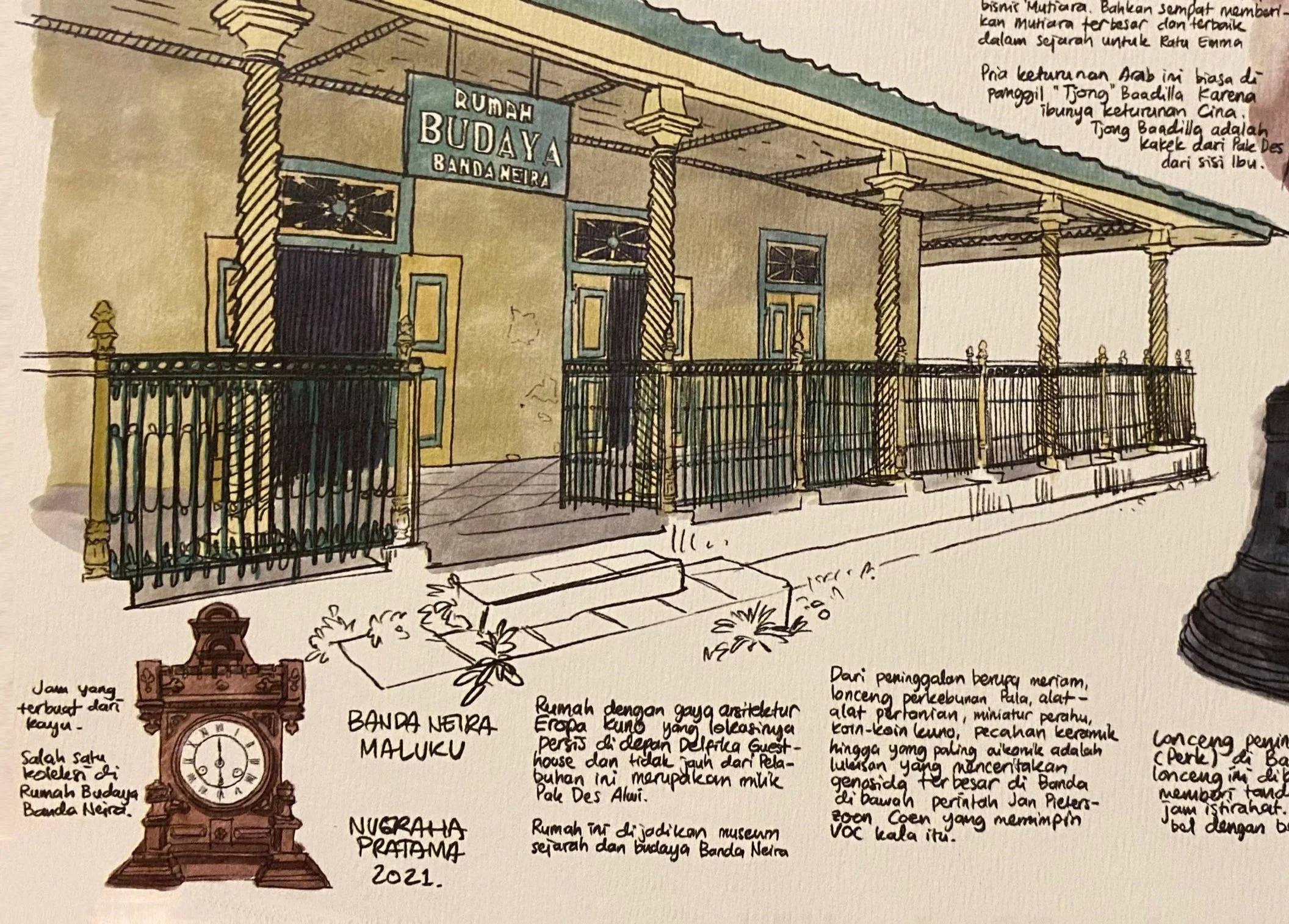

THE EARLY SPICE TRADE
Banda’s cosmopolitan history begins hundreds of years before Europeans arrived. Like other islands in Maluku, they were part of extensive trading networks connecting the coast of Papua to distant regions across Asia and the Middle East.
Over the centuries, migrant communities of Arab, Chinese, Malay and other traders made their home in Banda, bringing wealth, culture, and new ideas to the islands. This rich heritage is evident in the wealth of artefacts uncovered across Banda, and the many hybrid traditions which still influence Bandanese culture today.
While early European expeditions initially joined these trading communities, their relationship with the Banda islands would soon change.
This archive explores artefacts and influences from Banda’s multicultural past.
Note: The Rumah Budaya Banda collection combines objects and artefacts from a range of sources, many of which have been selected to represent historical change in Banda. They may not directly originate from the time periods associated with the archive. We are working to expand the collection and confirm historical data of individual objects. If you have additional information or inputs regarding any of the objects and artefacts in the collection, we invite you to join our open-source curatorial initiative using the input form at the bottom of this page and contribute to Rumah Budaya Banda’s ongoing revitalisation.
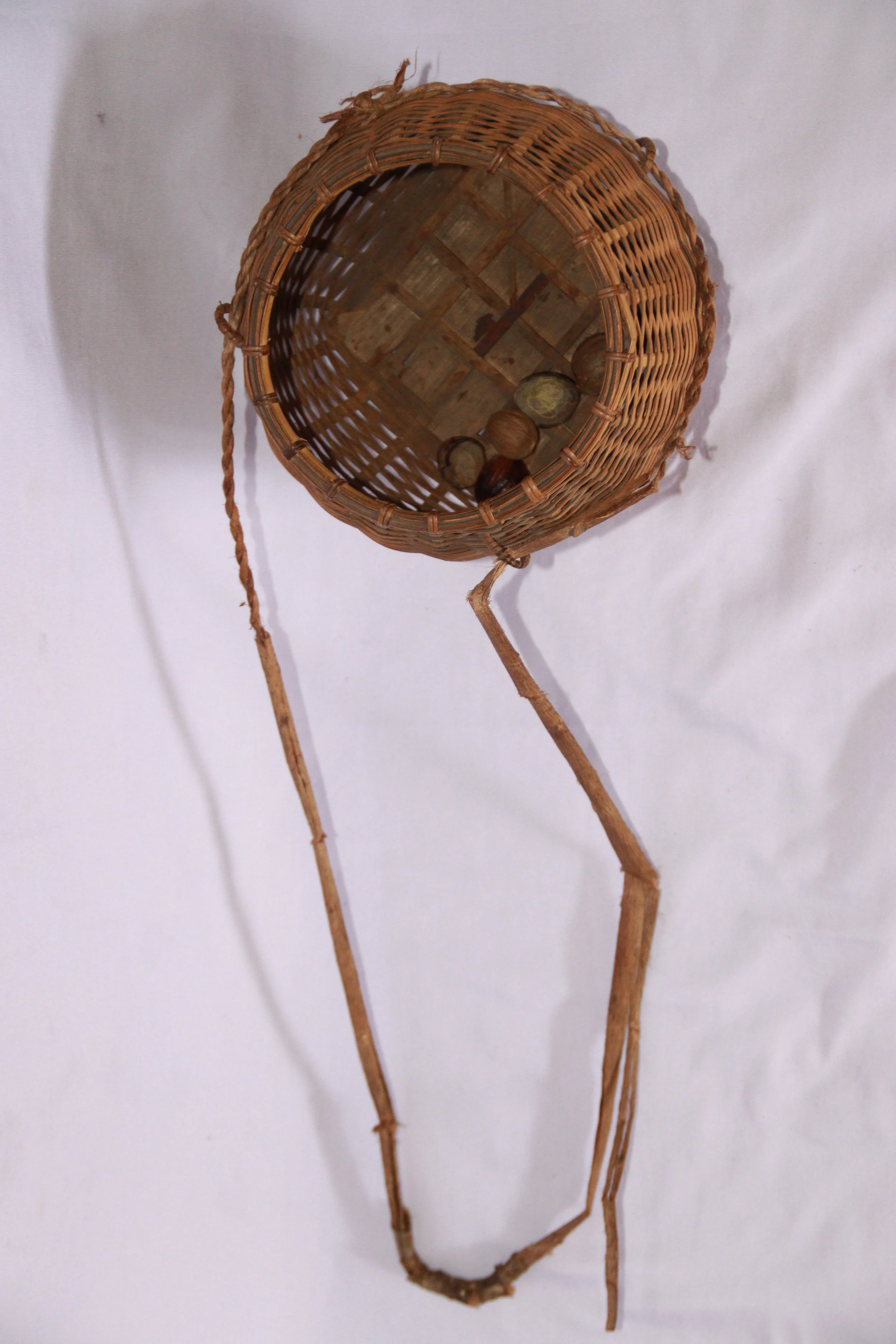
archive number: r-2-001 object reference: Takiri origin: Banda date: - notes: A semi-oval, woven bamboo container used by the Bandanese people to transport nutmeg and kenari nuts.
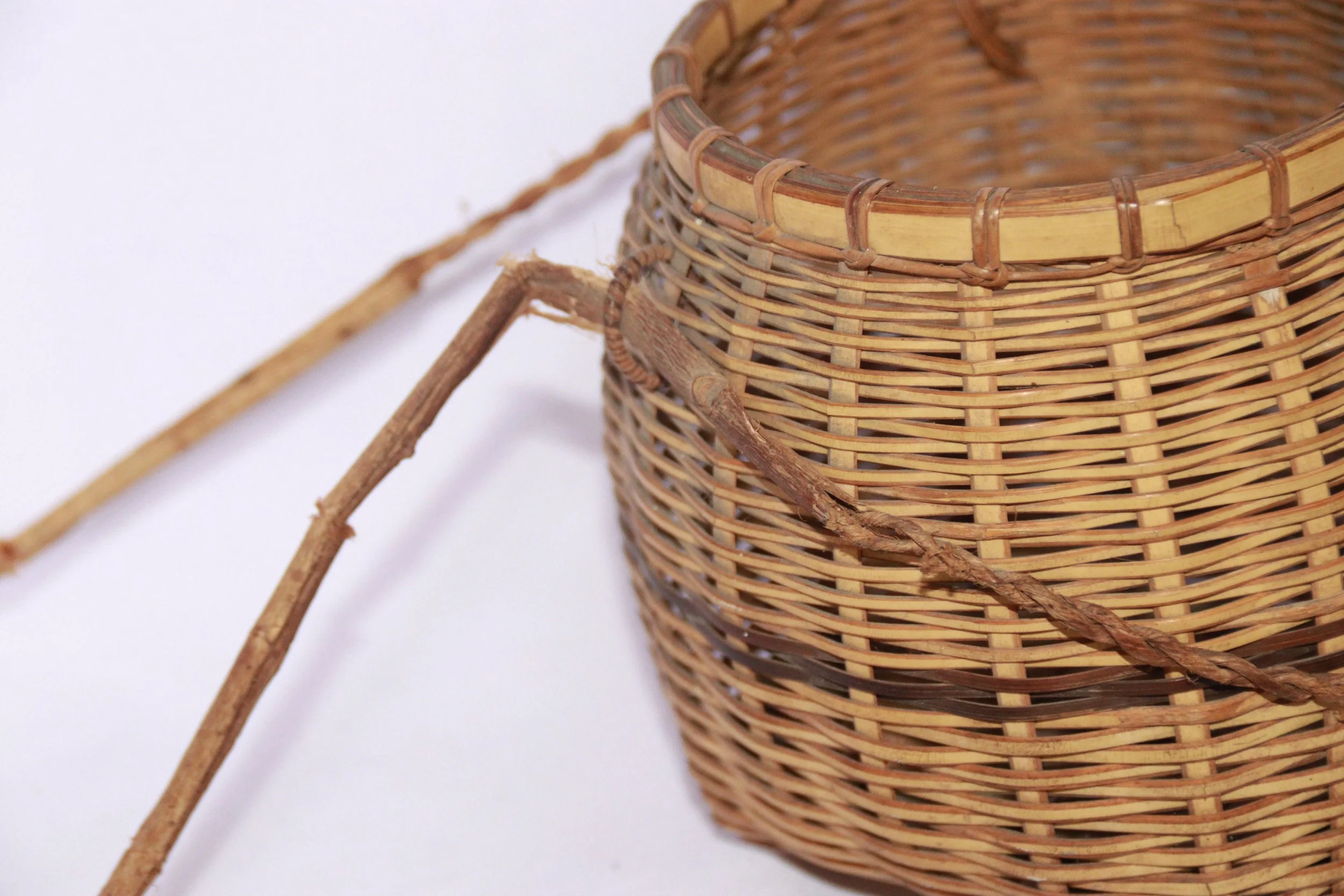
archive number: r-2-001 object reference: Takiri origin: Banda date: - notes: A semi-oval, woven bamboo container used by the Bandanese people to transport nutmeg and kenari nuts.
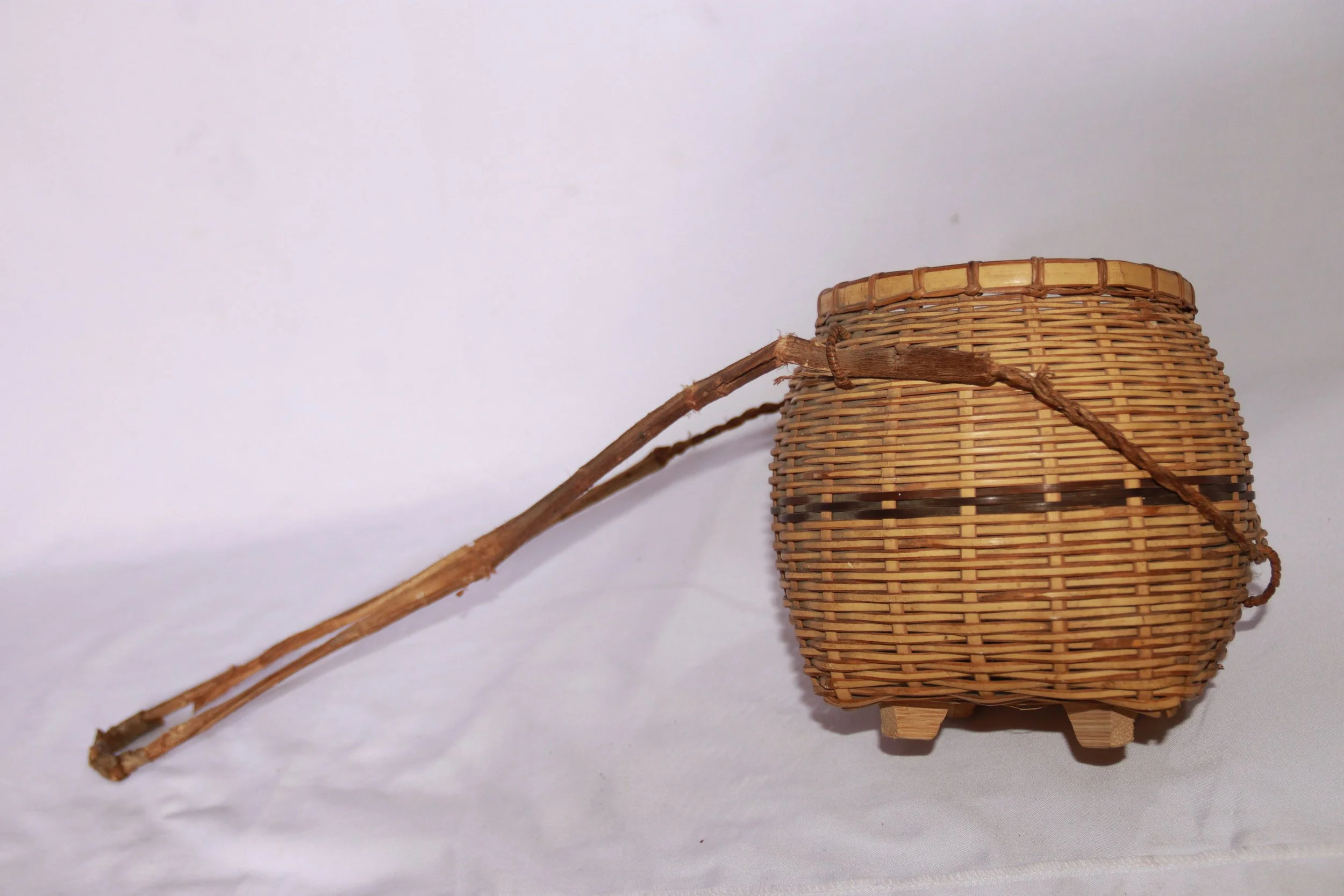
archive number: r-2-001 object reference: Takiri origin: Banda date: - notes: A semi-oval, woven bamboo container used by the Bandanese people to transport nutmeg and kenari nuts.
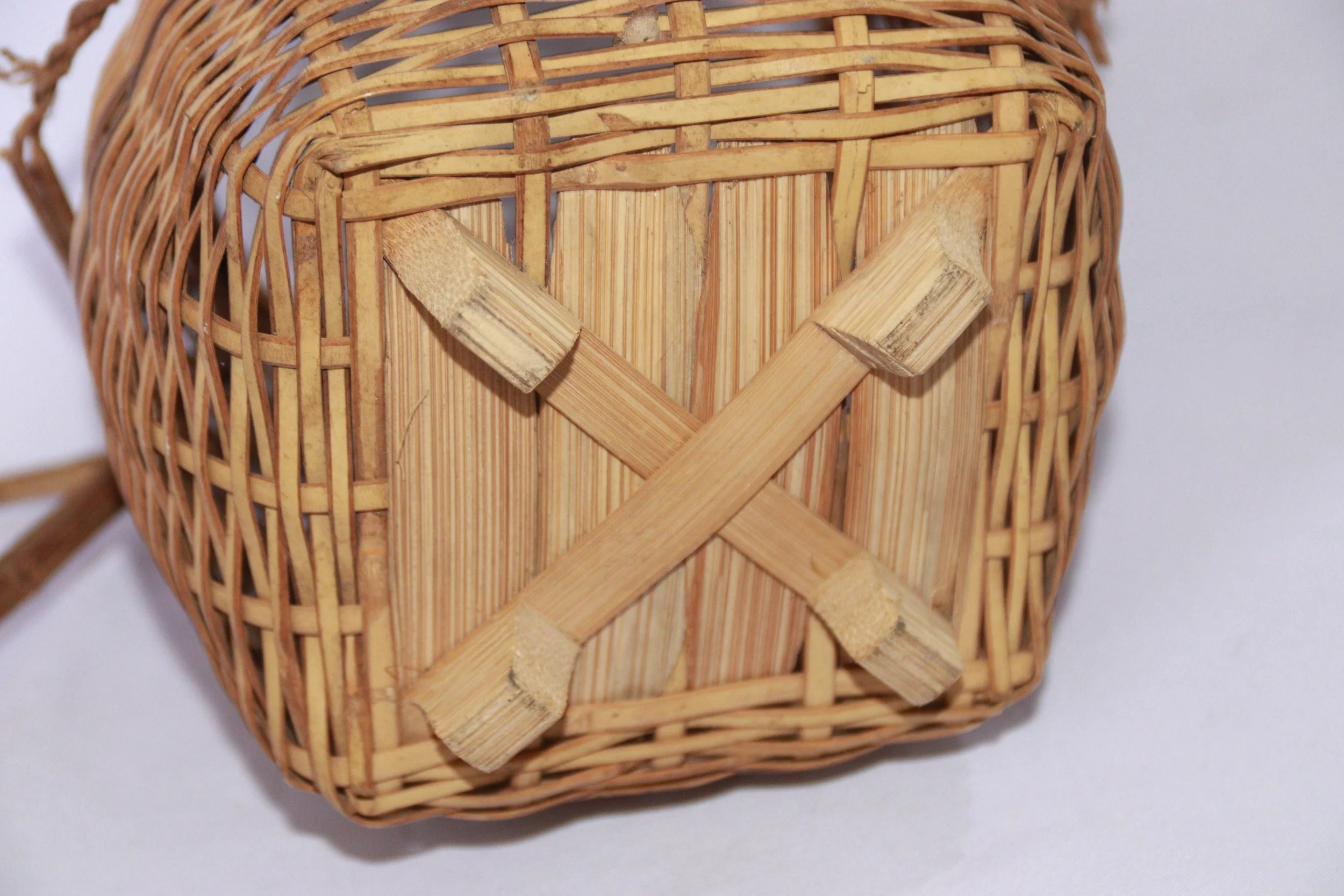
archive number: r-2-001 object reference: Takiri origin: Banda date: - notes: A semi-oval, woven bamboo container used by the Bandanese people to transport nutmeg and kenari nuts.
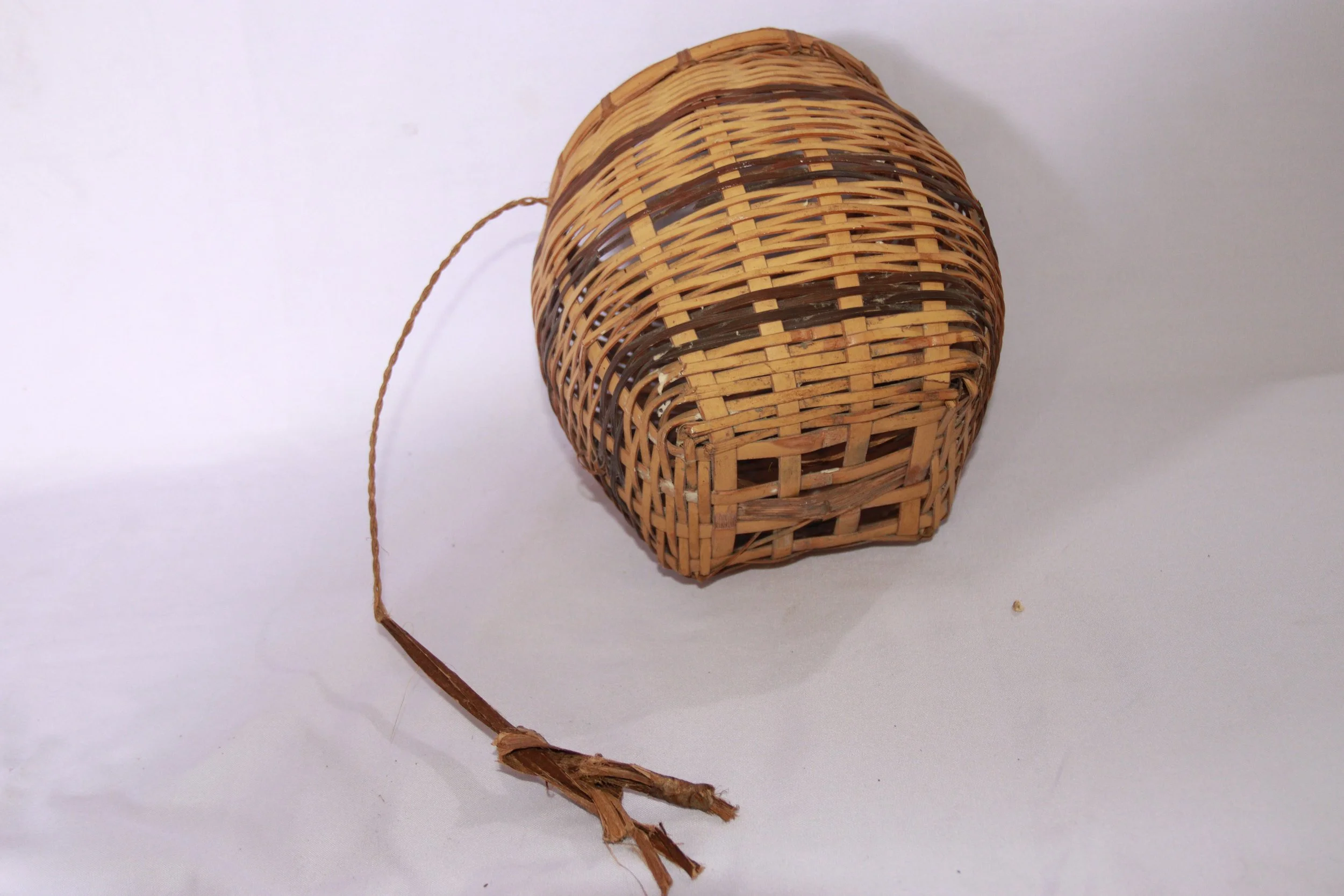
archive number: r-2-002 object reference: Takiri origin: Banda date: - notes: A semi-oval, woven bamboo container used by the Bandanese people to transport nutmeg and kenari nuts.
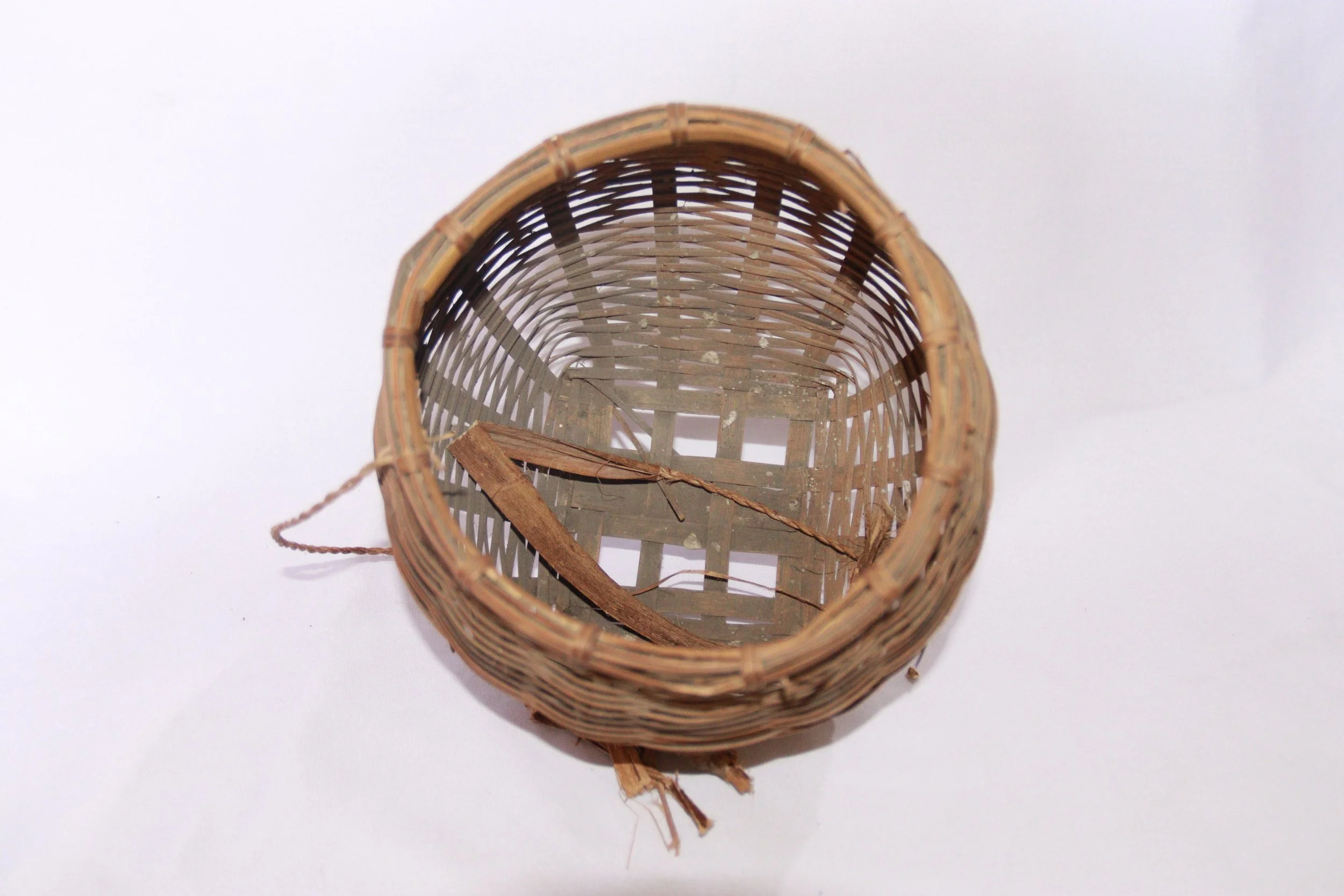
archive number: r-2-002 object reference: Takiri origin: Banda date: - notes: A semi-oval, woven bamboo container used by the Bandanese people to transport nutmeg and kenari nuts.
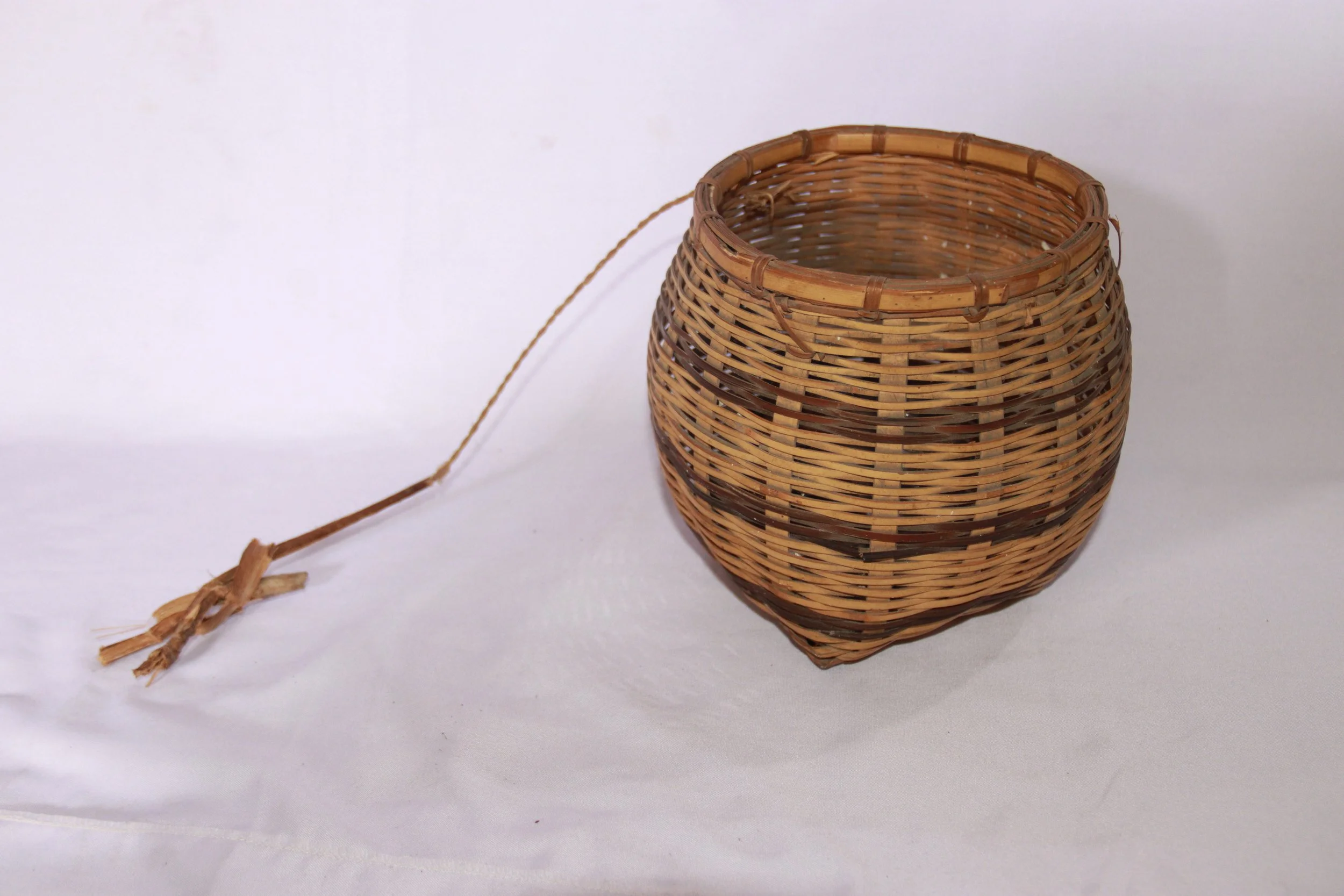
archive number: r-2-002 object reference: Takiri origin: Banda date: - notes: A semi-oval, woven bamboo container used by the Bandanese people to transport nutmeg and kenari nuts.
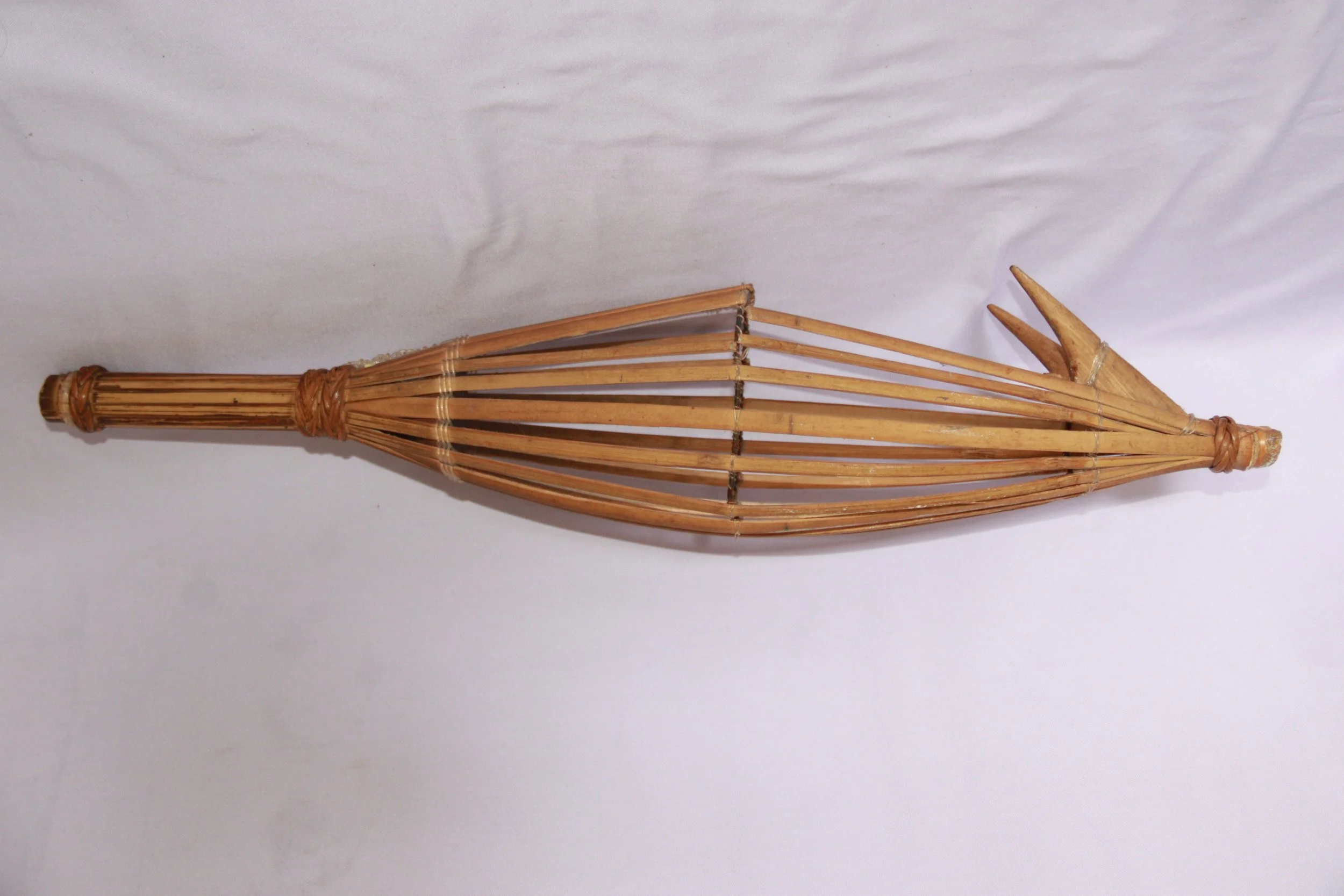
archive number: r-2-003 object reference: Maimai Bubu origin: Banda date: - notes: A traditional harvesting tool used by the Bandanese people to harvest nutmeg, walnuts, and cloves. Today, the Maimai is one of Banda's most iconic items.
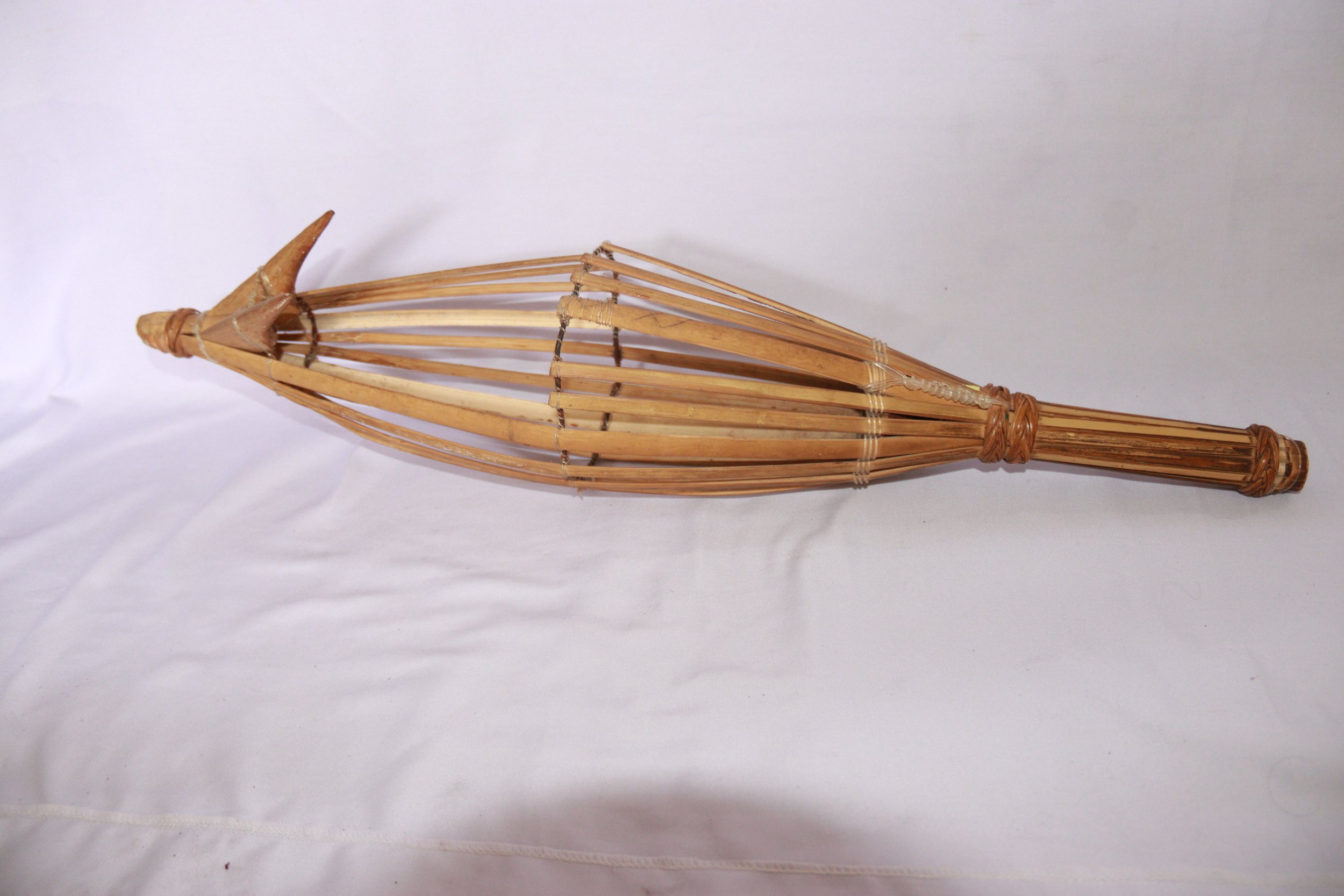
archive number: r-2-003 object reference: Maimai Bubu origin: Banda date: - notes: A traditional harvesting tool used by the Bandanese people to harvest nutmeg, walnuts, and cloves. Today, the Maimai is one of Banda's most iconic items.
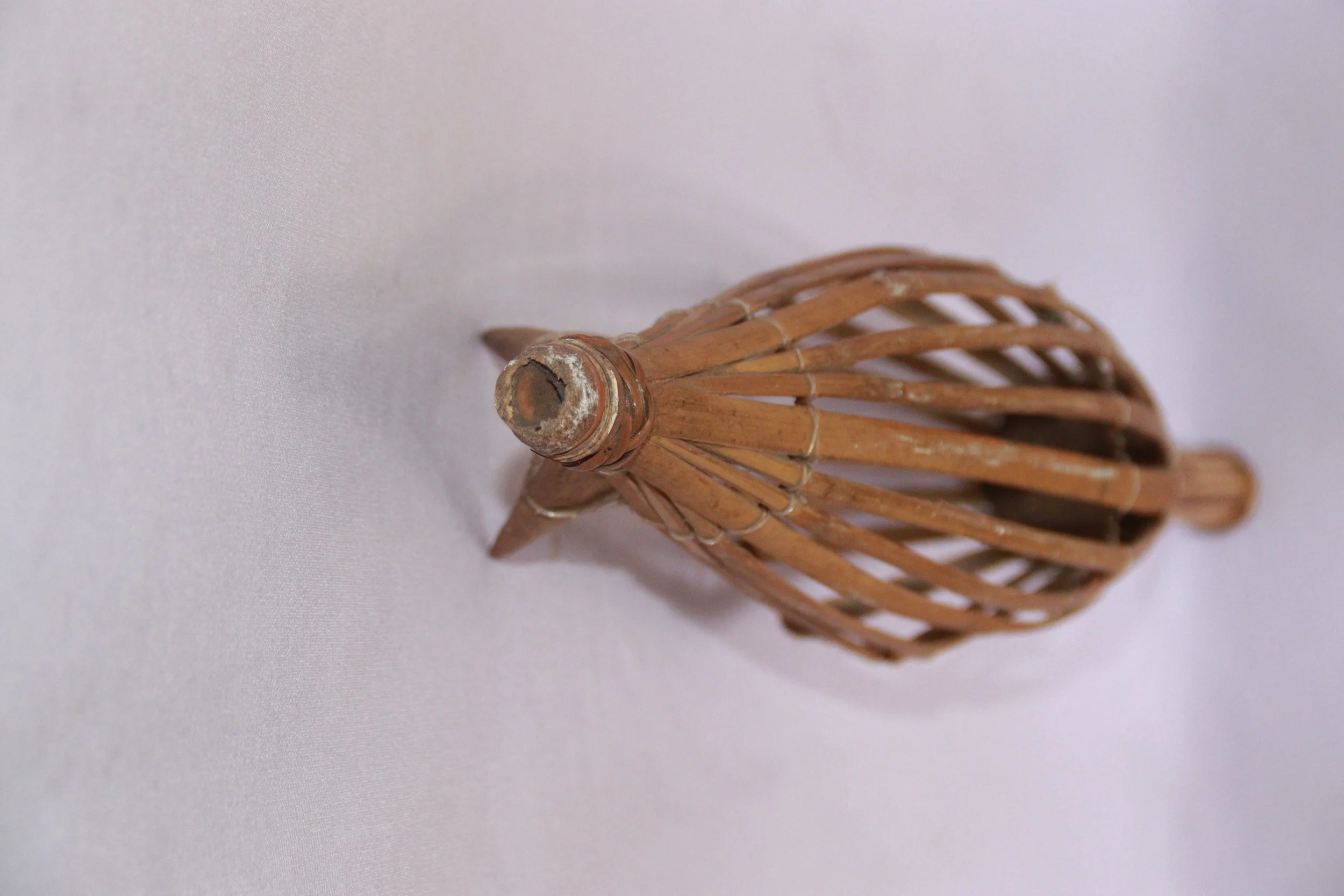
archive number: r-2-003 object reference: Maimai Bubu origin: Banda date: - notes: A traditional harvesting tool used by the Bandanese people to harvest nutmeg, walnuts, and cloves. Today, the Maimai is one of Banda's most iconic items.
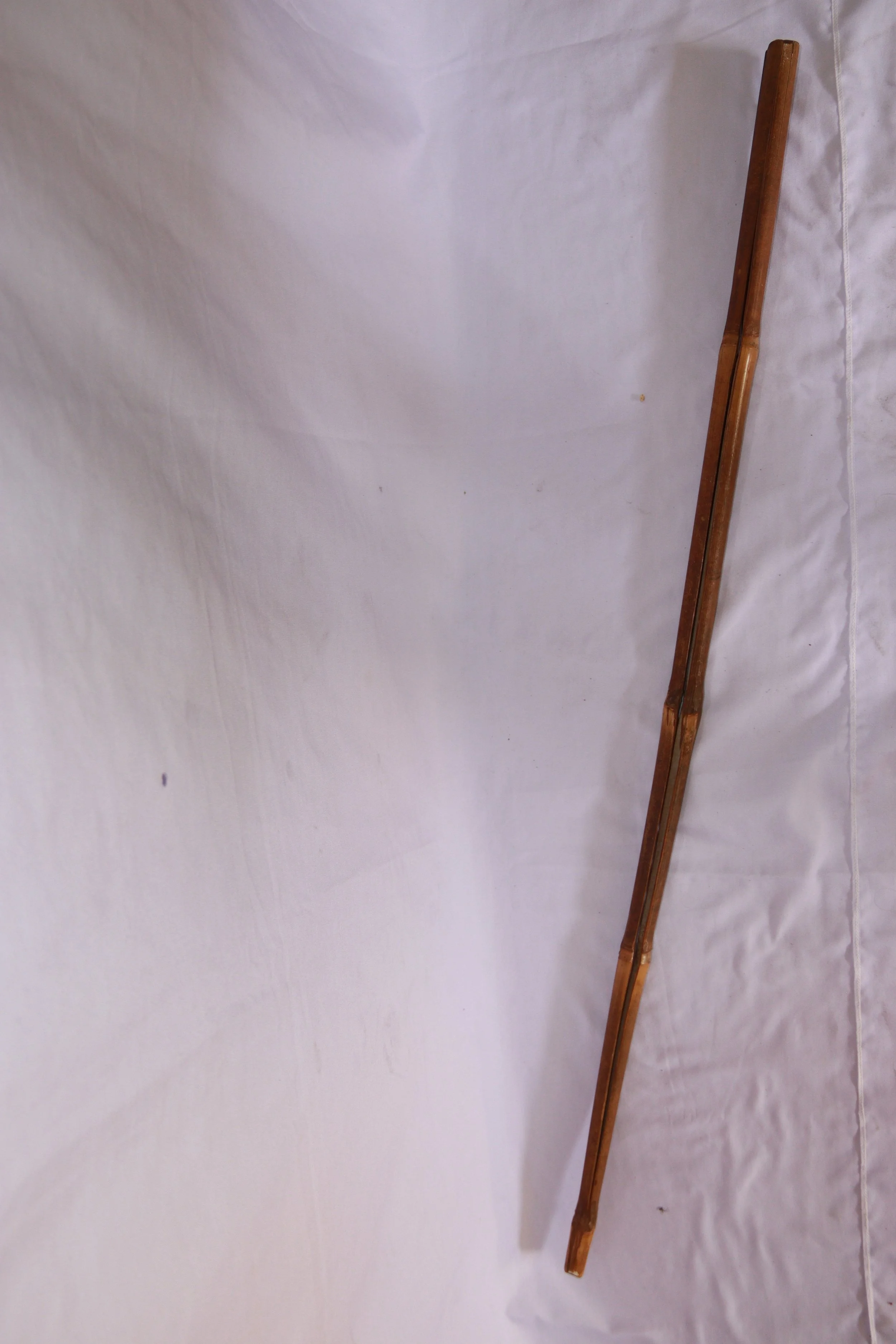
archive number: r-2-004 object reference: Kattong origin: Banda date: - notes: A split length of bamboo serving as clamps for fallen walnuts and nutmeg, so that people don't have to bend over and collect it. To this day, anyone can take fallen fruit and seeds, to avoid them going to waste if left on the ground for a long time.
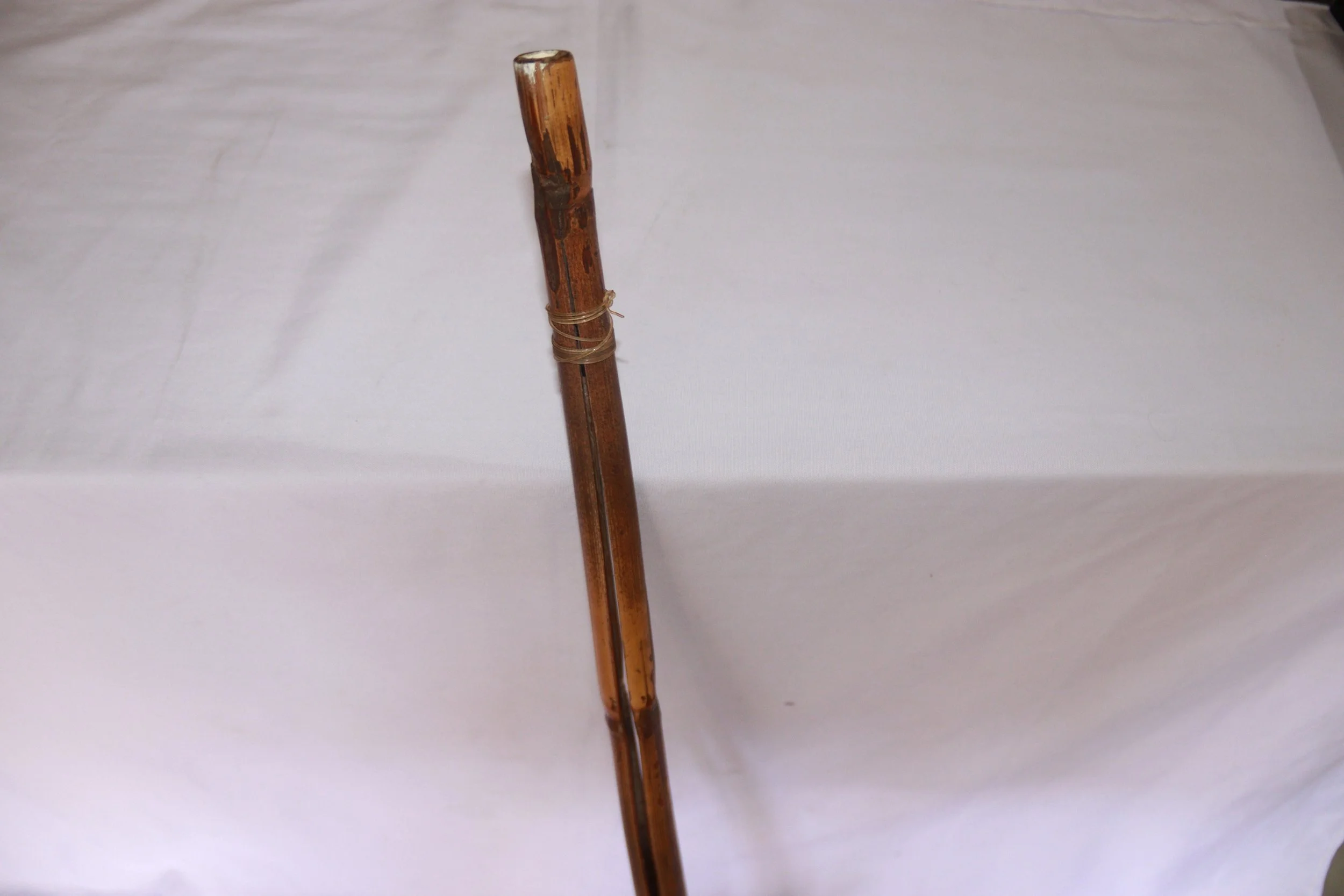
archive number: r-2-004 object reference: Kattong origin: Banda date: - notes: A split length of bamboo serving as clamps for fallen walnuts and nutmeg, so that people don't have to bend over and collect it. To this day, anyone can take fallen fruit and seeds, to avoid them going to waste if left on the ground for a long time.
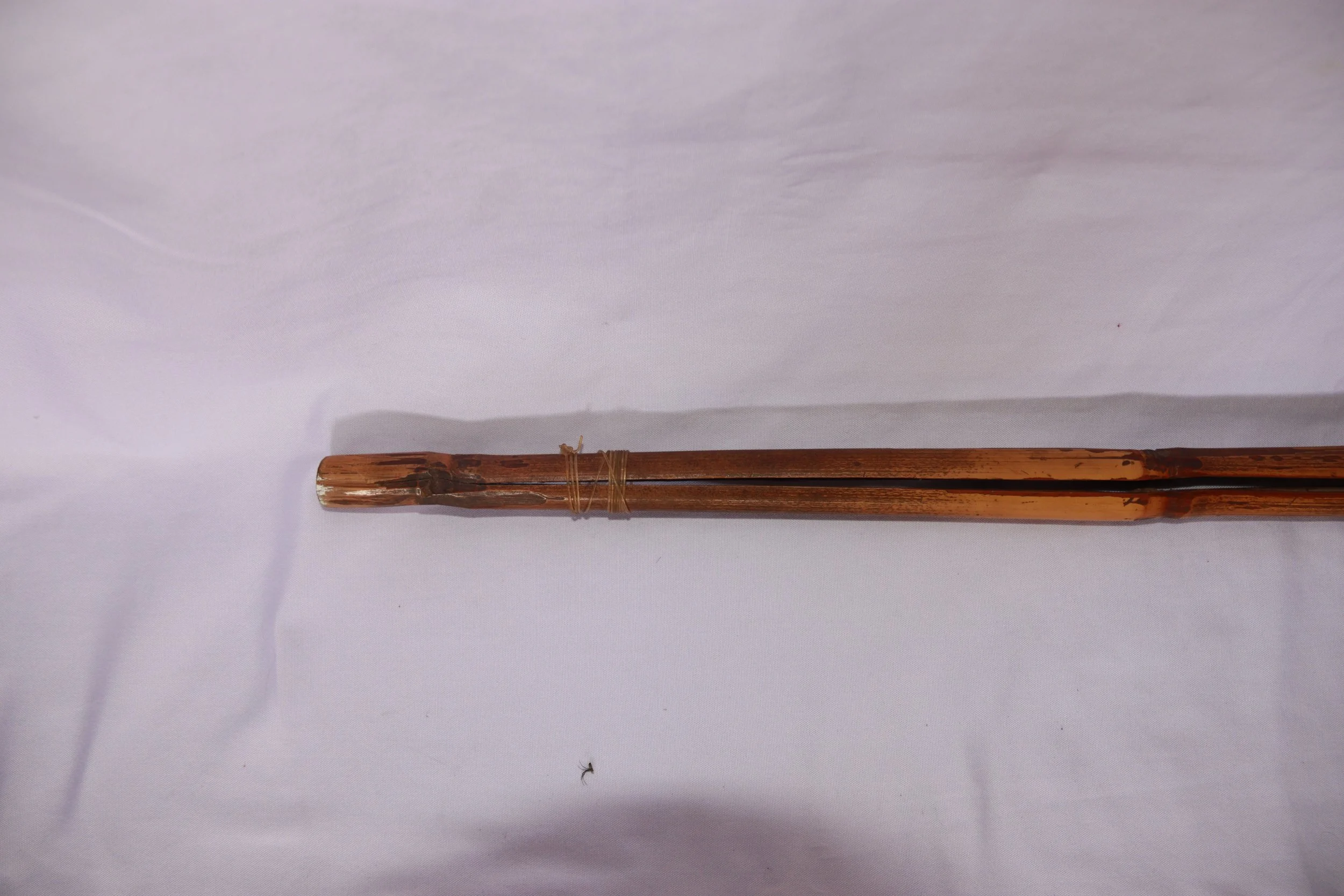
archive number: r-2-004 object reference: Kattong origin: Banda date: - notes: A split length of bamboo serving as clamps for fallen walnuts and nutmeg, so that people don't have to bend over and collect it. To this day, anyone can take fallen fruit and seeds, to avoid them going to waste if left on the ground for a long time.
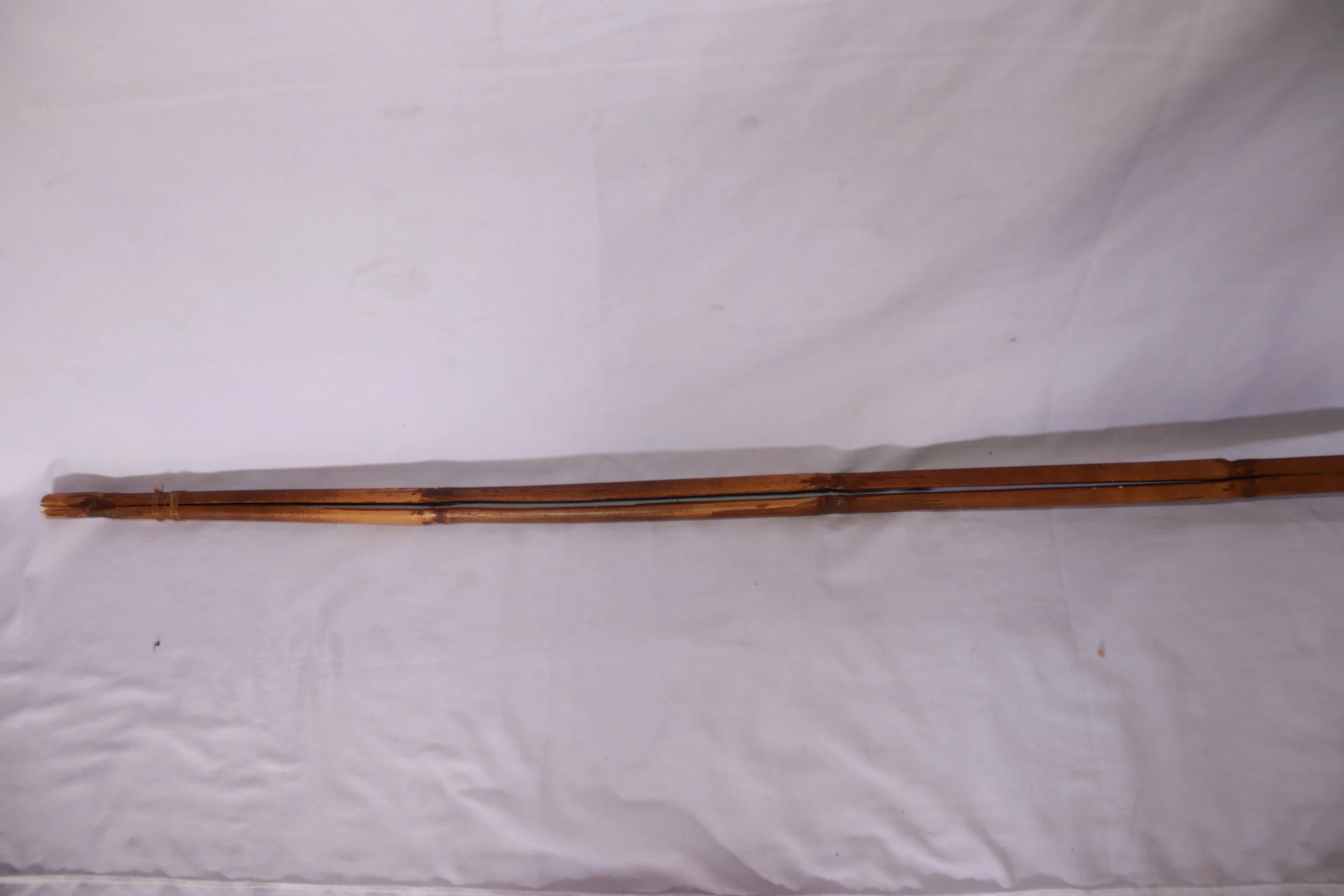
archive number: r-2-004 object reference: Kattong origin: Banda date: - notes: A split length of bamboo serving as clamps for fallen walnuts and nutmeg, so that people don't have to bend over and collect it. To this day, anyone can take fallen fruit and seeds, to avoid them going to waste if left on the ground for a long time.
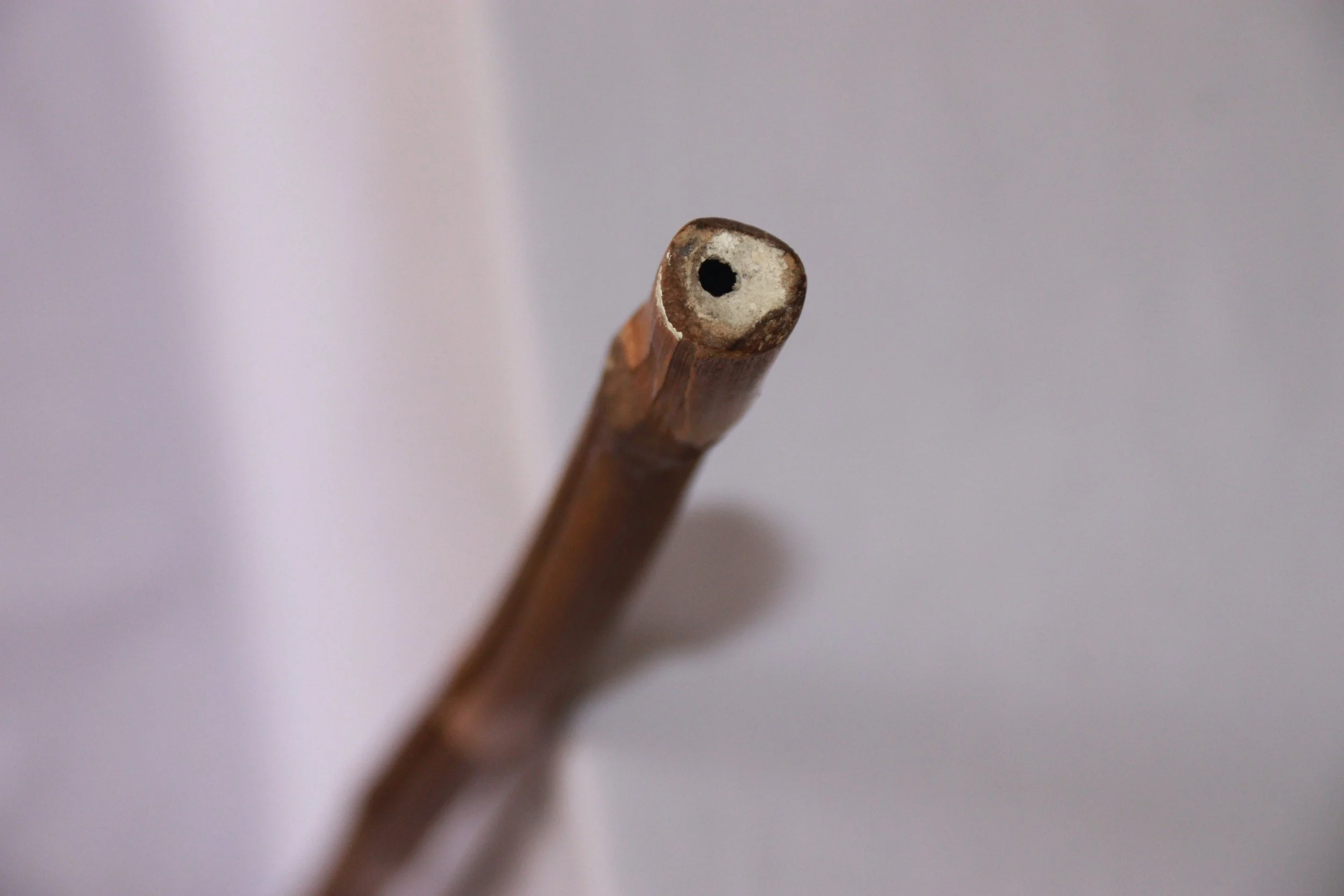
archive number: r-2-004 object reference: Kattong origin: Banda date: - notes: A split length of bamboo serving as clamps for fallen walnuts and nutmeg, so that people don't have to bend over and collect it. To this day, anyone can take fallen fruit and seeds, to avoid them going to waste if left on the ground for a long time.
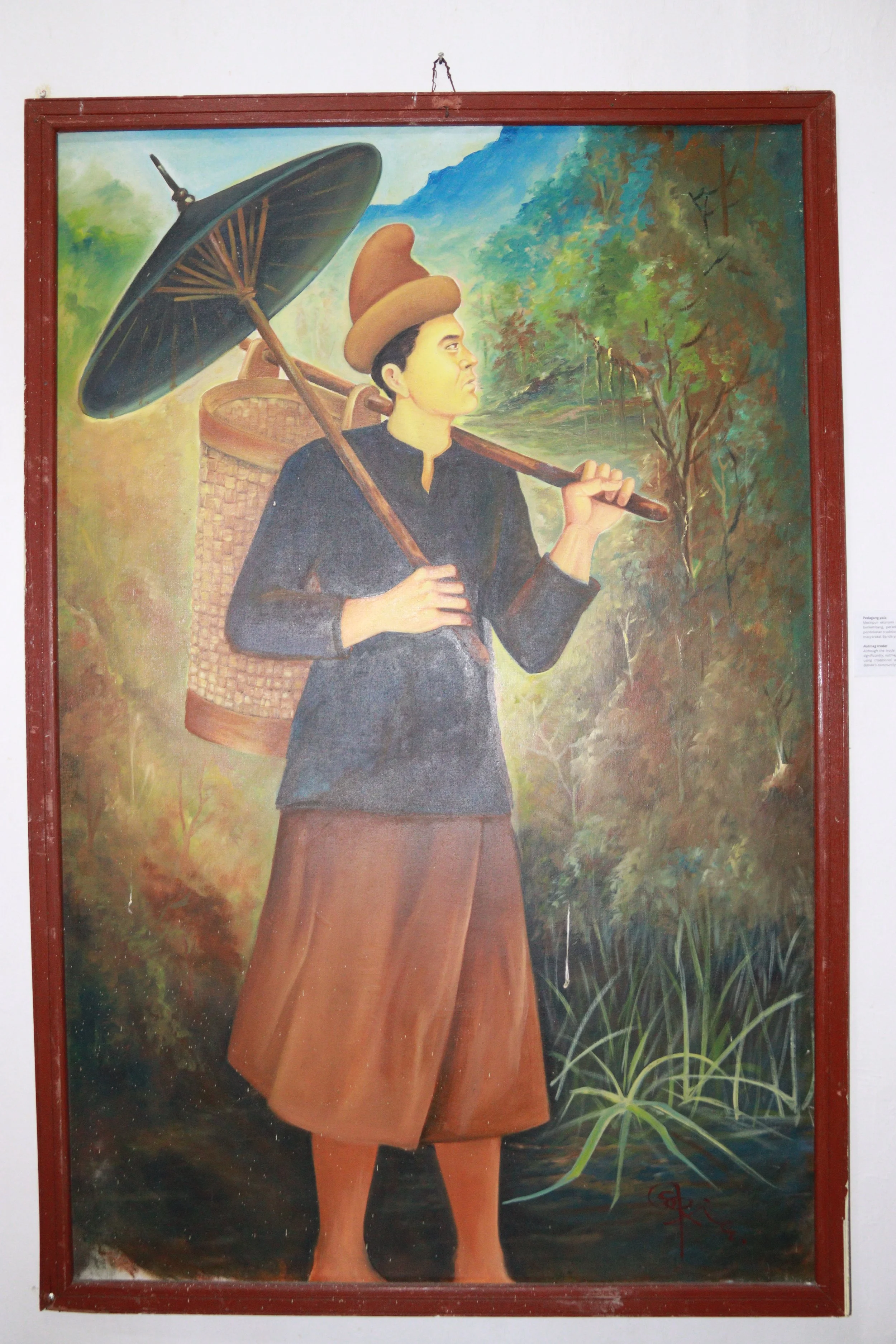
archive number: r-2-005 object reference: Nutmeg Trader Portrait origin: Banda date: - notes: Although the trade in nutmeg and other spices had developed significantly, nutmeg plantations in Banda continued to operate using traditional approaches during this era, managed by Banda’s community leaders, also known as "Orang Kaya. This portrait was commissioned by Des Alwi.
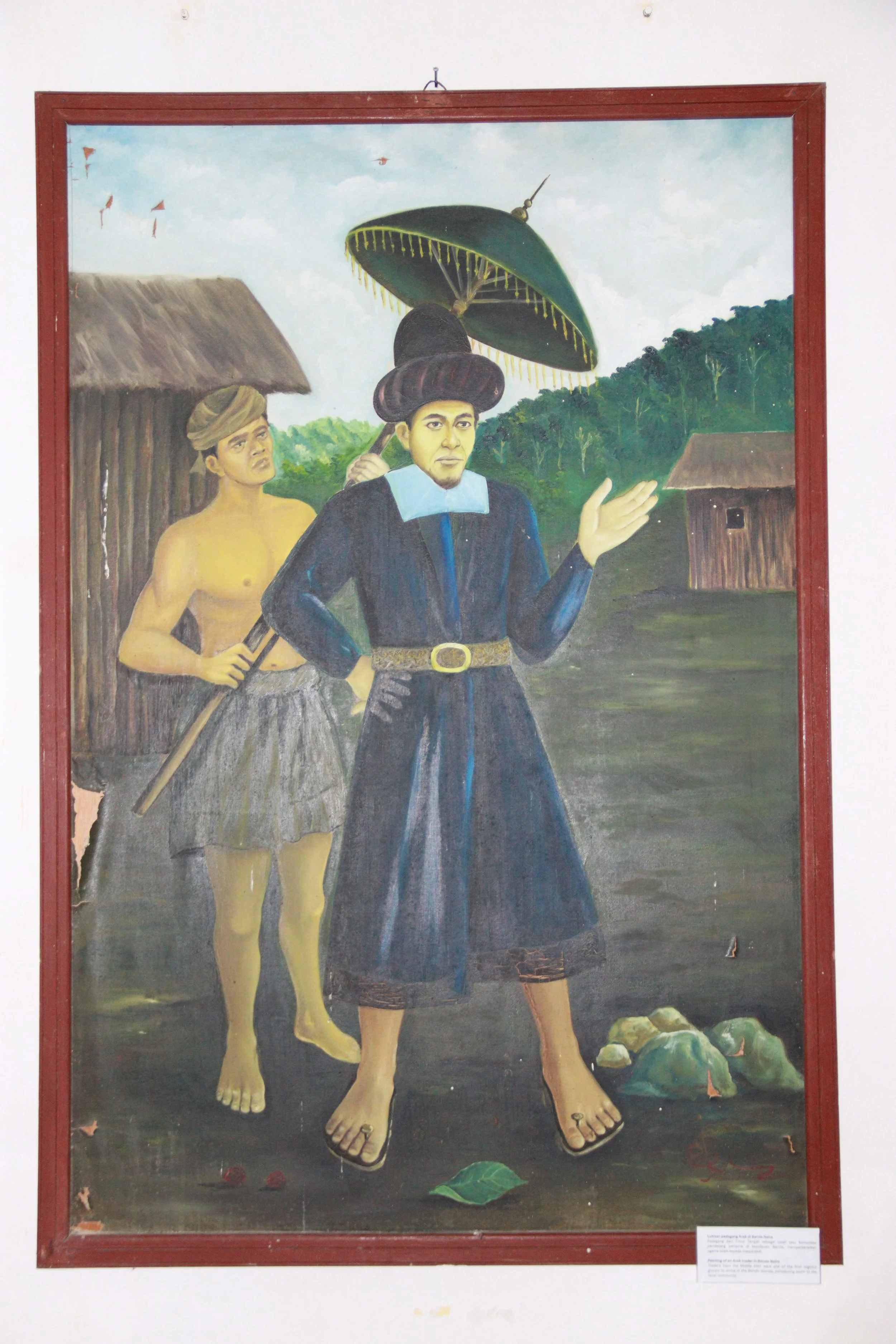
archive number: r-2-006 object reference: Nutmeg Merchant Portrait origin: Banda date: - notes: Traders from the Middle East were one of the first migrant groups to arrive in the Banda Islands, introducing Islam to the local community. This protrait is believed to depict a merchant or Bandanese resident with Middle-eastern origins, and was commissioned by Des Alwi.
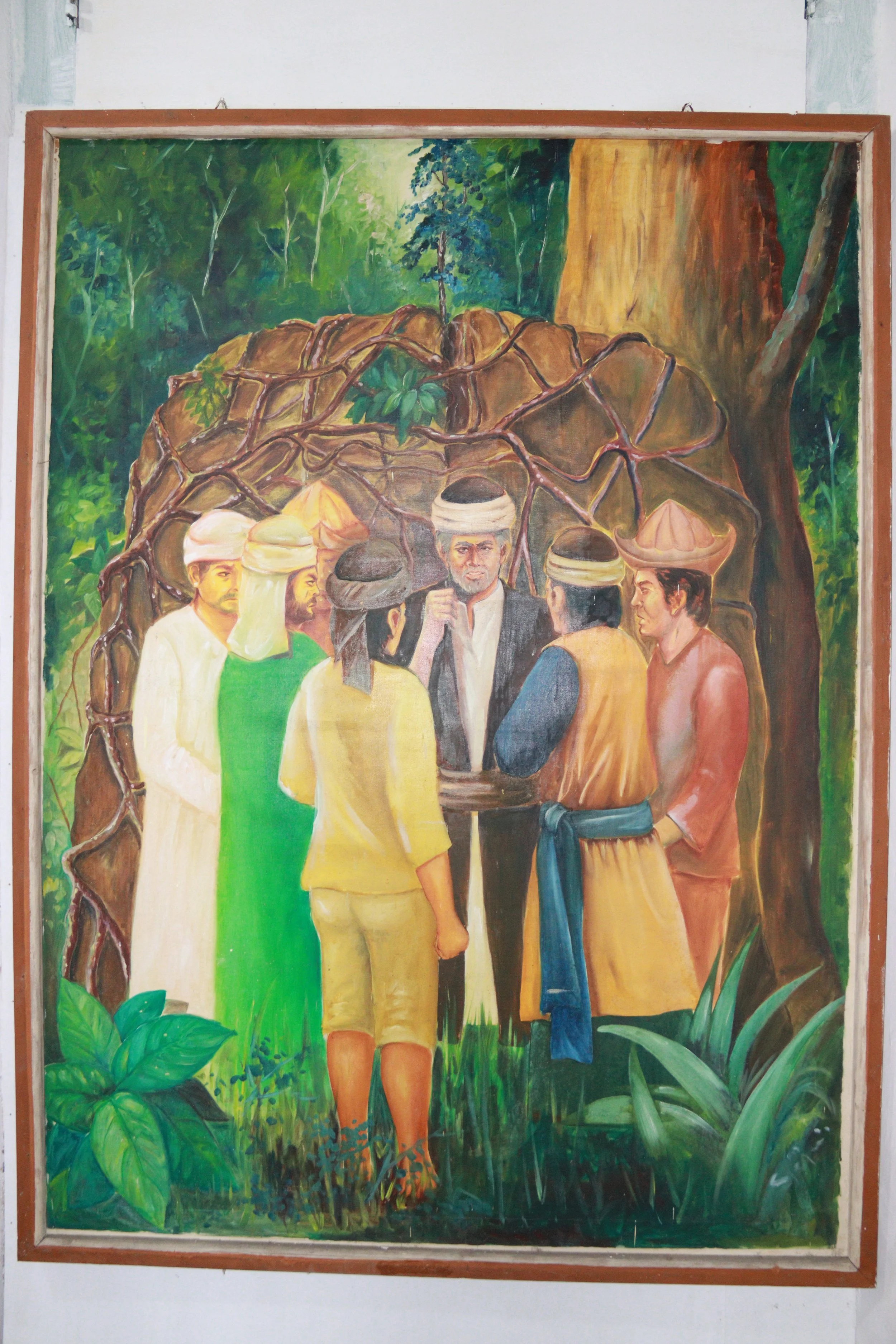
archive number: r-2-007 object reference: Deliberation of Local Leaders in Banda origin: Banda date: - notes: The Banda people's custom is to always hold deliberations with representatives from traditional, religious, and political authorities when making decisions or formulating issues. This often occurred during the colonial period, whether in terms of setting nutmeg prices, creating regulations, or agreements with the colonial powers. This portrait is believed to depict a discussion between these leaders, known as 'Orang Kaya,' and was commissioned by Des Alwi.
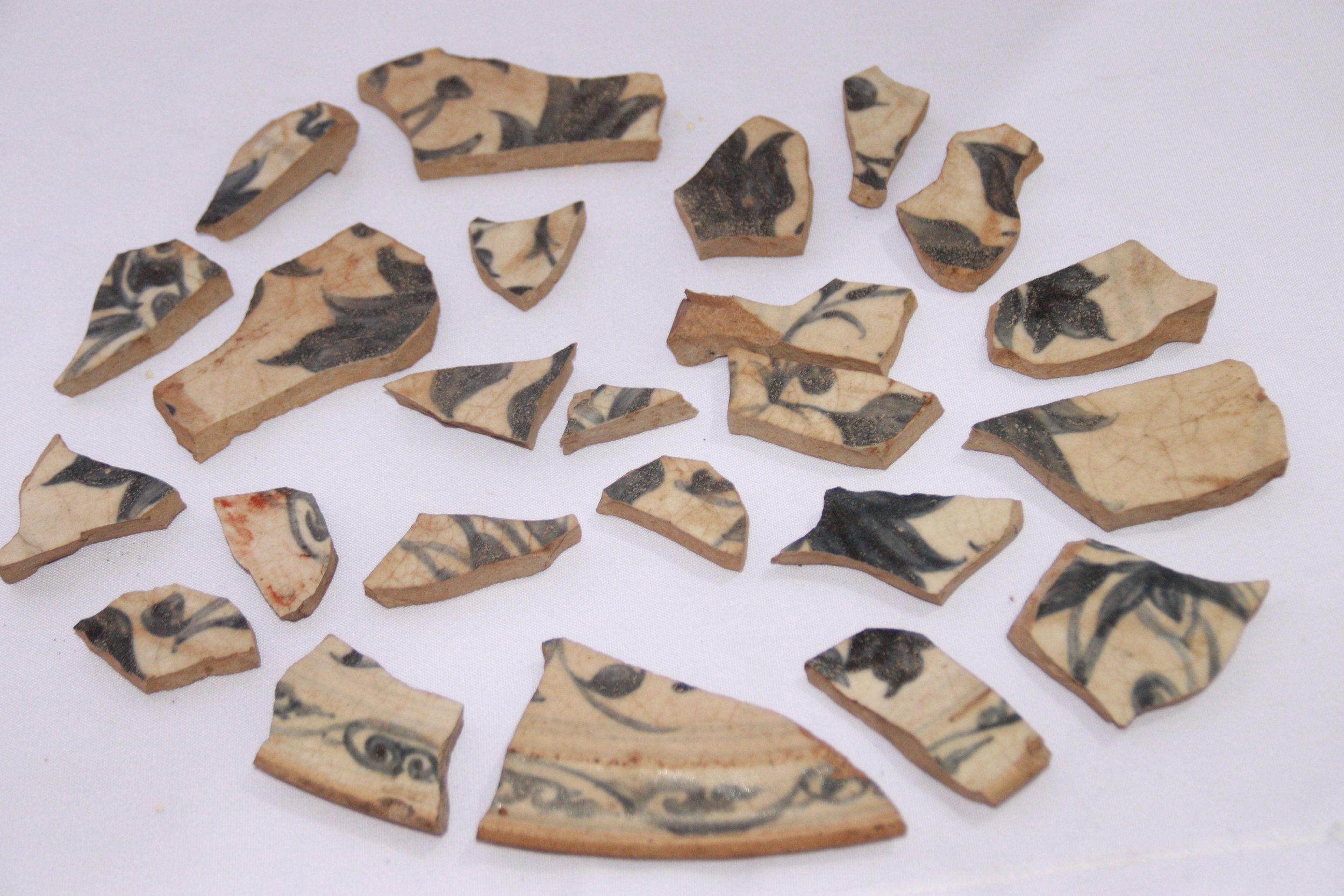
archive number: r-2-008 object reference: Ceramic fragments origin: Vietnam date: 15th Century (approx.) notes: This shattered plate is believed to originate from Vietnam in the 15th century, and is an example of Banda's position in extensive trading networks.
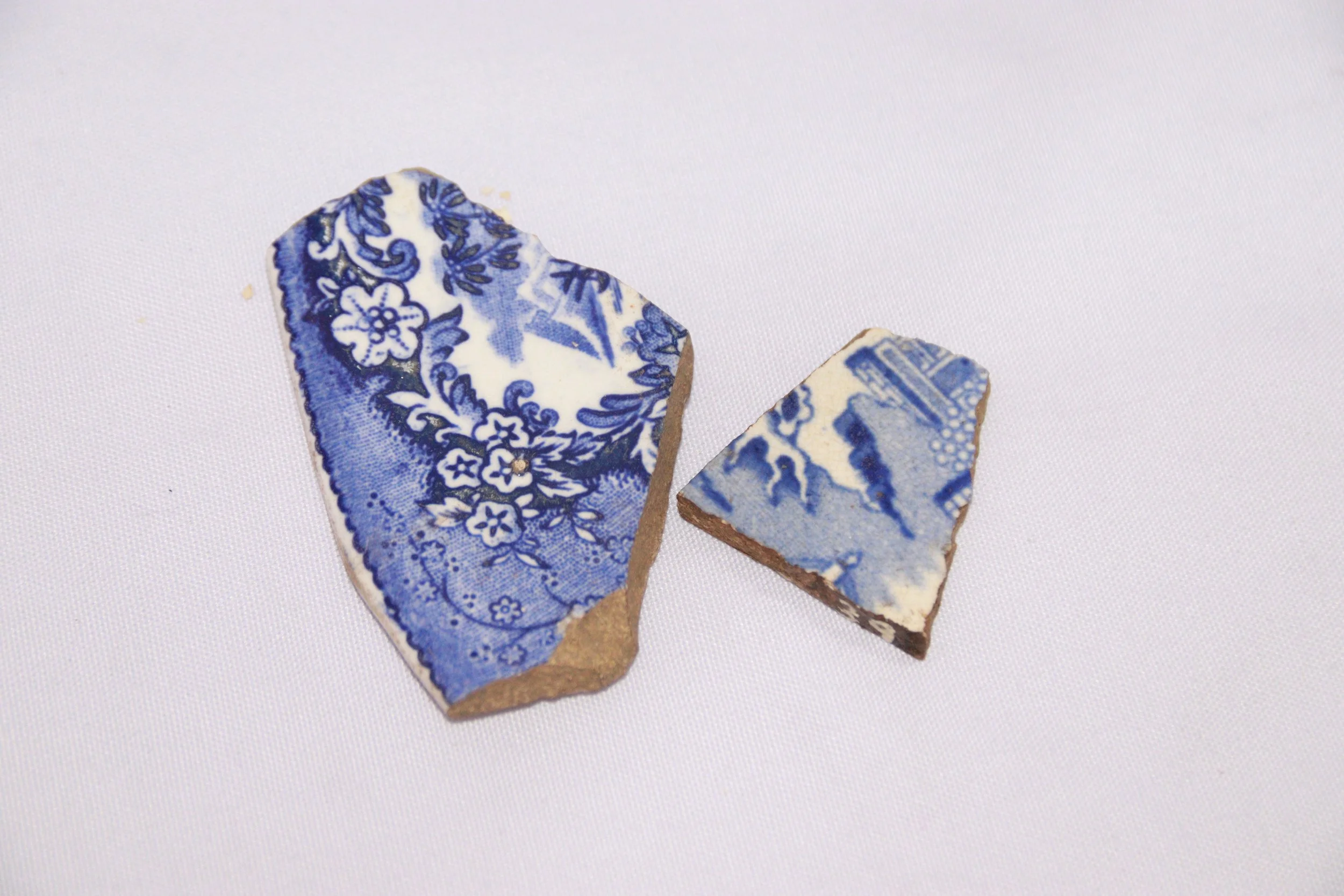
archive number: r-2-009 object reference: Ceramic fragments origin: China (Assumed) date: - notes: These fragments are believed to represent Chinese ceramics, many of which were brought to Banda by merchants in exchange for spices.
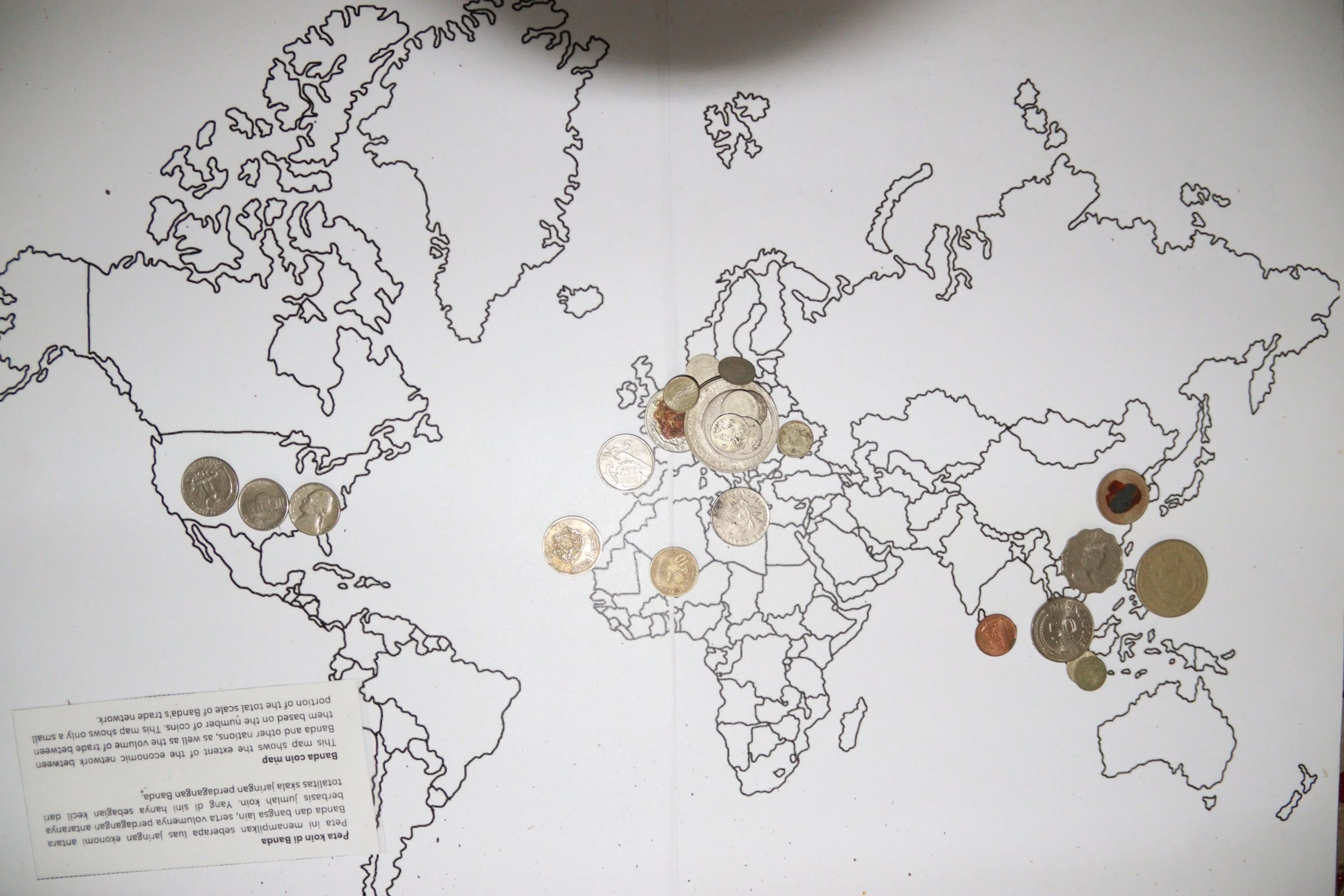
archive number: r-2-010 object reference: Coin Distribution Map origin: - date: - notes: Many varieties of minted coins have been found in Banda over the years. This map highlights some examples of the foreign currencies which made their way to Banda.
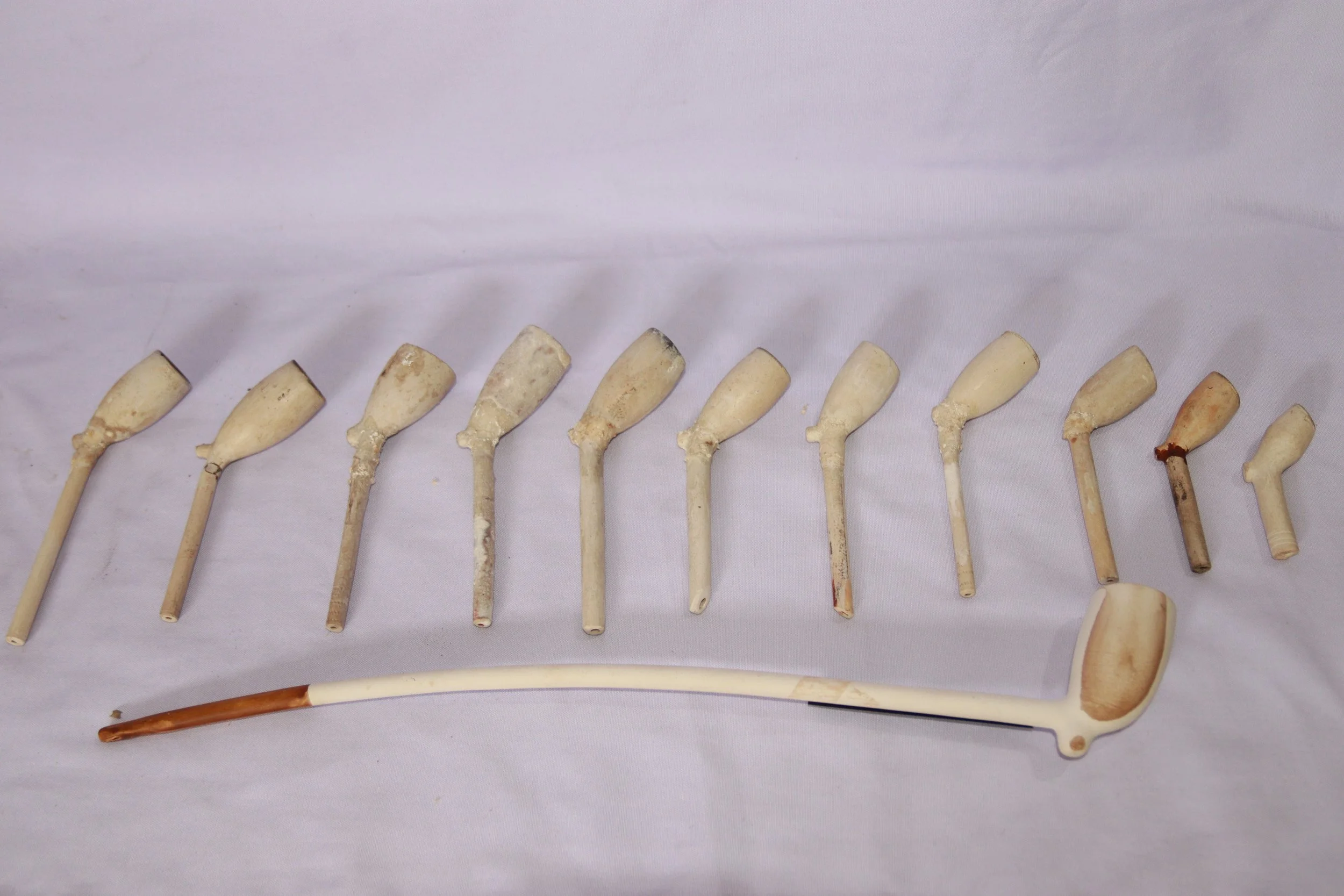
archive number: r-2-011 object reference: Ceramic Tobacco Pipes origin: Europe (assumed) date: - notes: Numerous tobacco smoking pipes, both whole and fractured, have been found in Banda, either lost or discarded by European traders, and later by colonial officials.
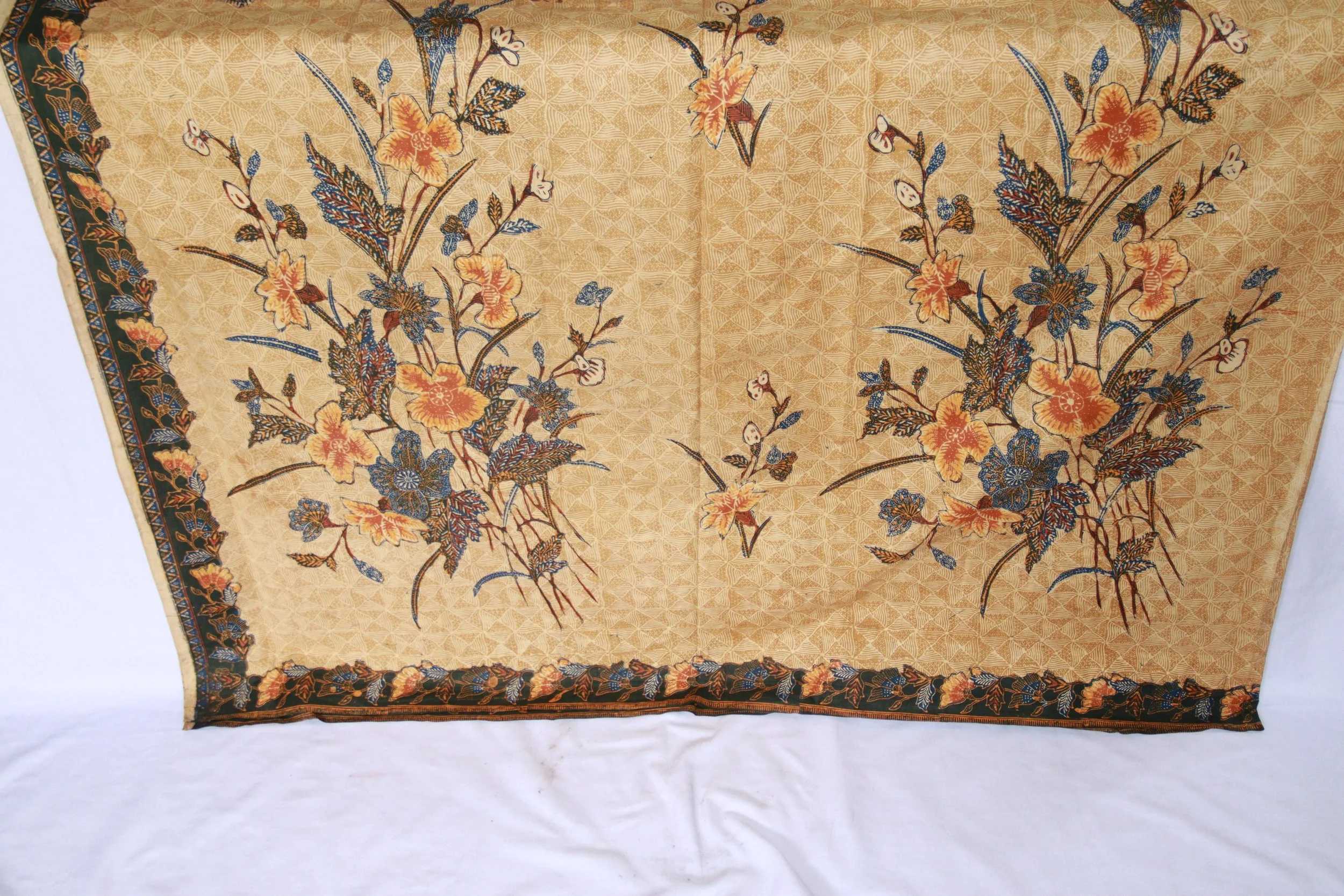
archive number: r-2-012 object reference: Lasem Batik origin: Java date: 1900s notes: Although this specific piece was created in the 19th century, similar batik cloth was often used as a barter item by traders from peoples across the Indonesian archipelago and the people of Banda during earlier periods.
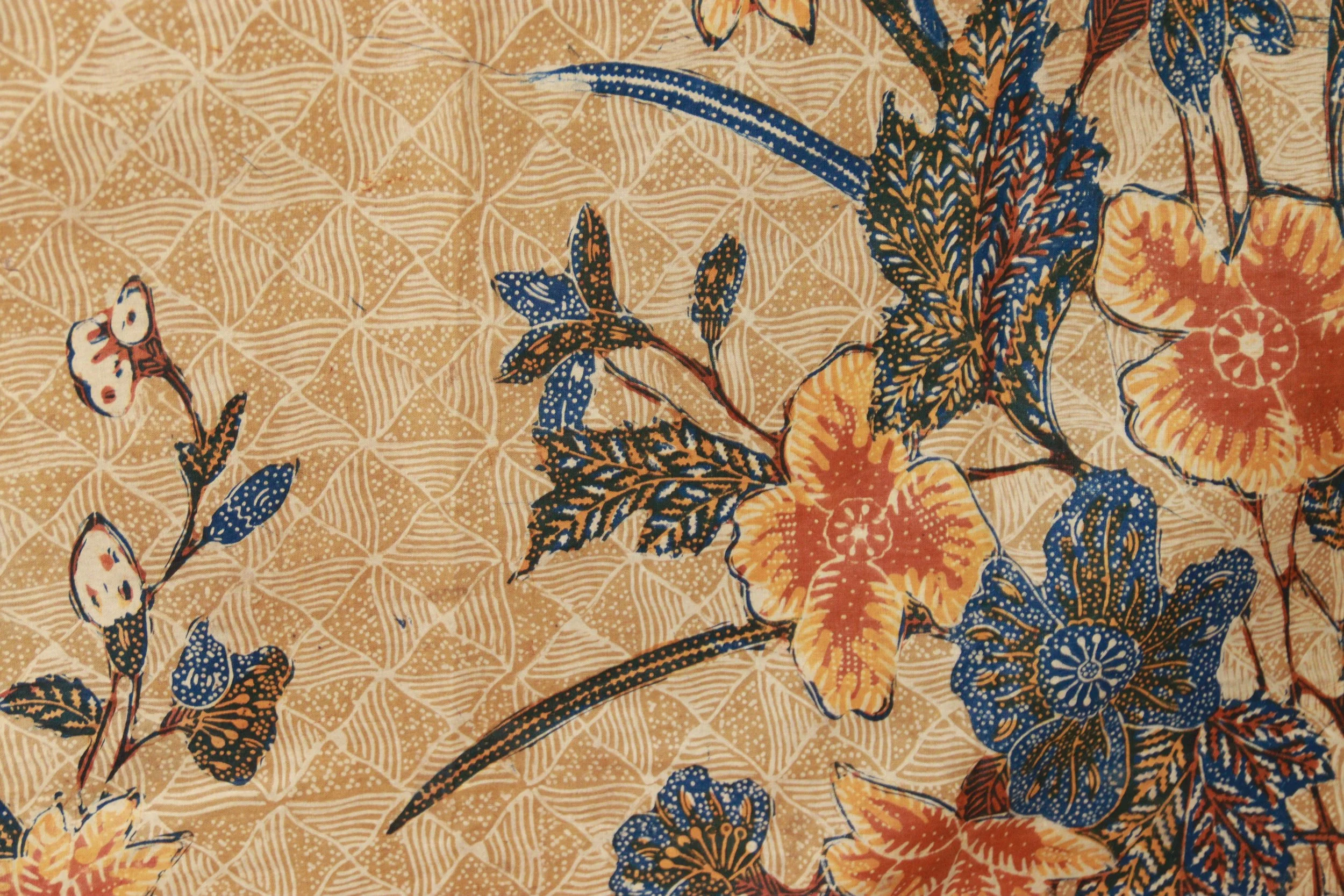
archive number: r-2-012 object reference: Lasem Batik origin: Java date: 1900s notes: Although this specific piece was created in the 19th century, similar batik cloth was often used as a barter item by traders from peoples across the Indonesian archipelago and the people of Banda during earlier periods.
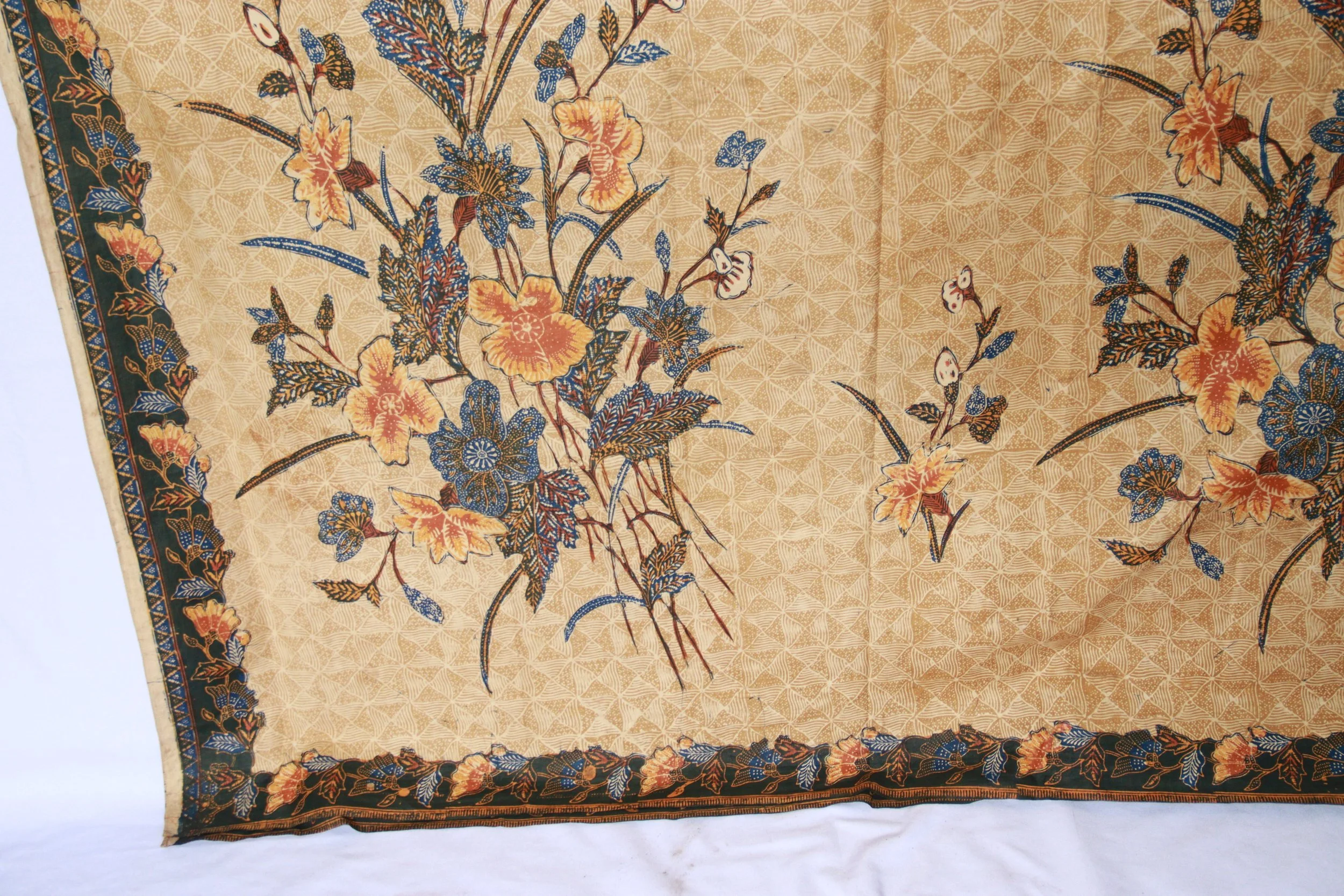
archive number: r-2-012 object reference: Lasem Batik origin: Java date: 1900s notes: Although this specific piece was created in the 19th century, similar batik cloth was often used as a barter item by traders from peoples across the Indonesian archipelago and the people of Banda during earlier periods.
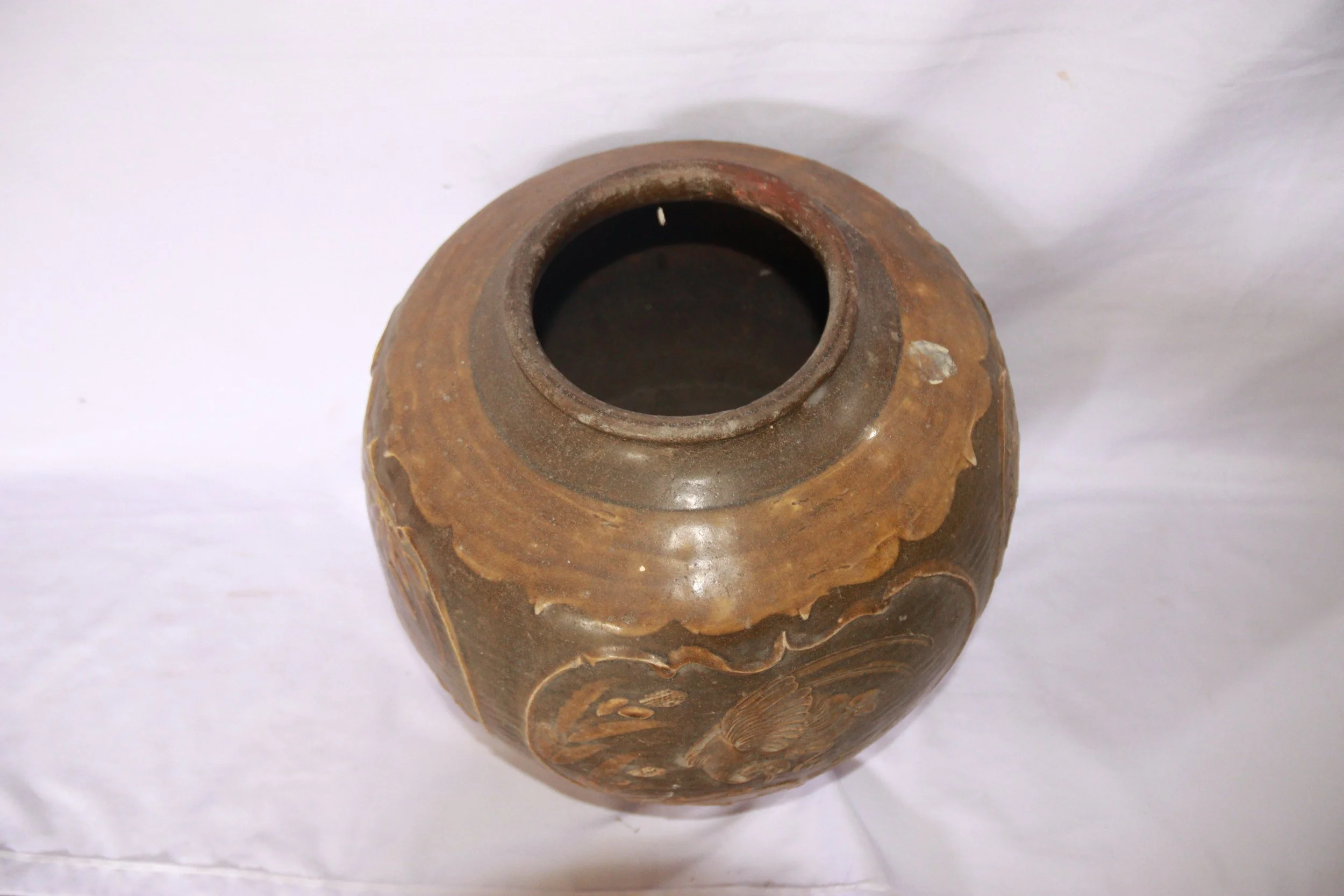
archive number: r-2-013 object reference: Kendi Jugs origin: Europe (assumed) date: notes: Jugs were used by the Bandanese people and also by traders to store valuables, especially liquids like wine or oil. In Banda, jugs originated mostly from China, the Malay states, and other cultures. After the spice trade era, many larger kendi jugs were also used as household water tanks.
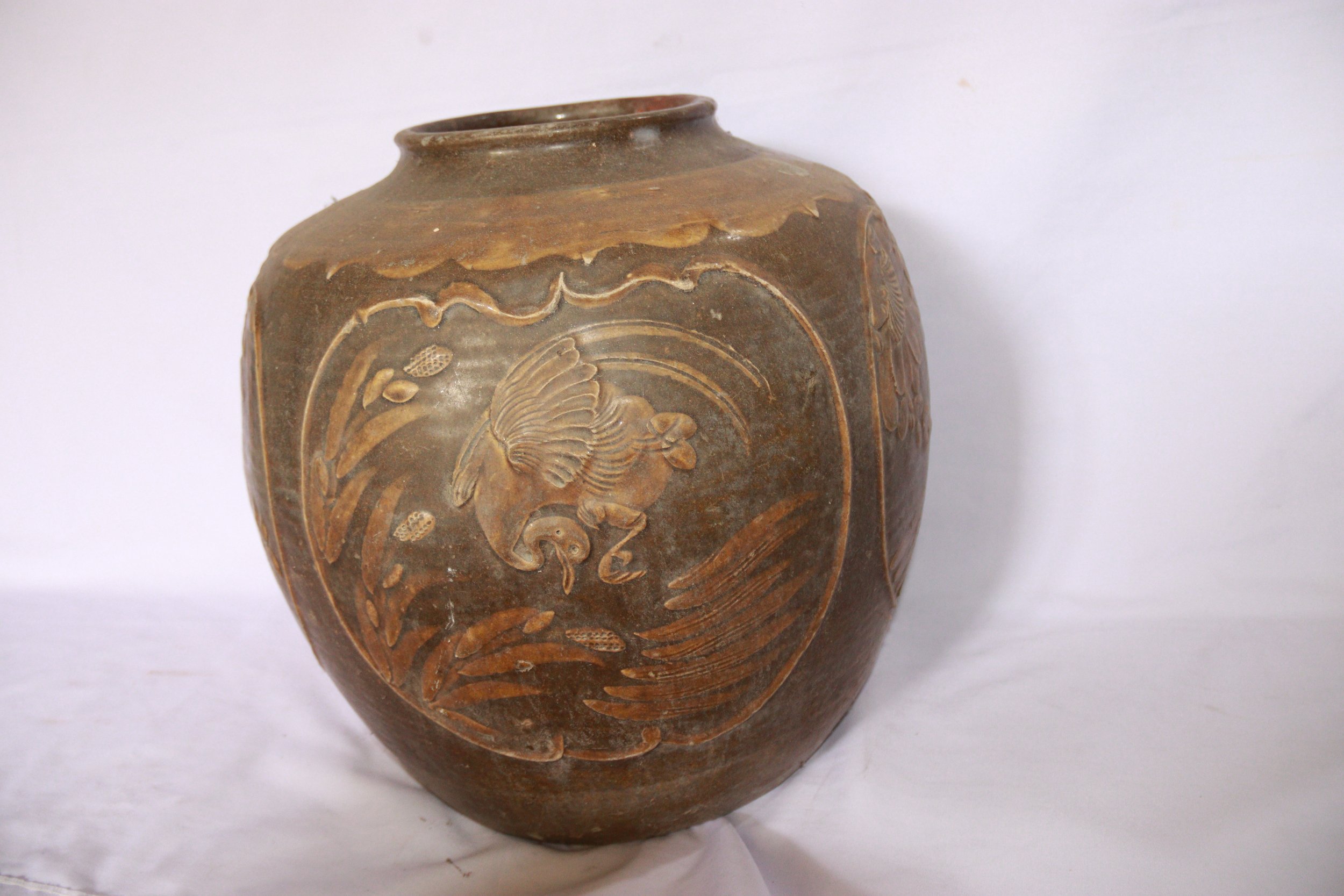
archive number: r-2-013 object reference: Kendi Jugs origin: Europe (assumed) date: notes: Jugs were used by the Bandanese people and also by traders to store valuables, especially liquids like wine or oil. In Banda, jugs originated mostly from China, the Malay states, and other cultures. After the spice trade era, many larger kendi jugs were also used as household water tanks.
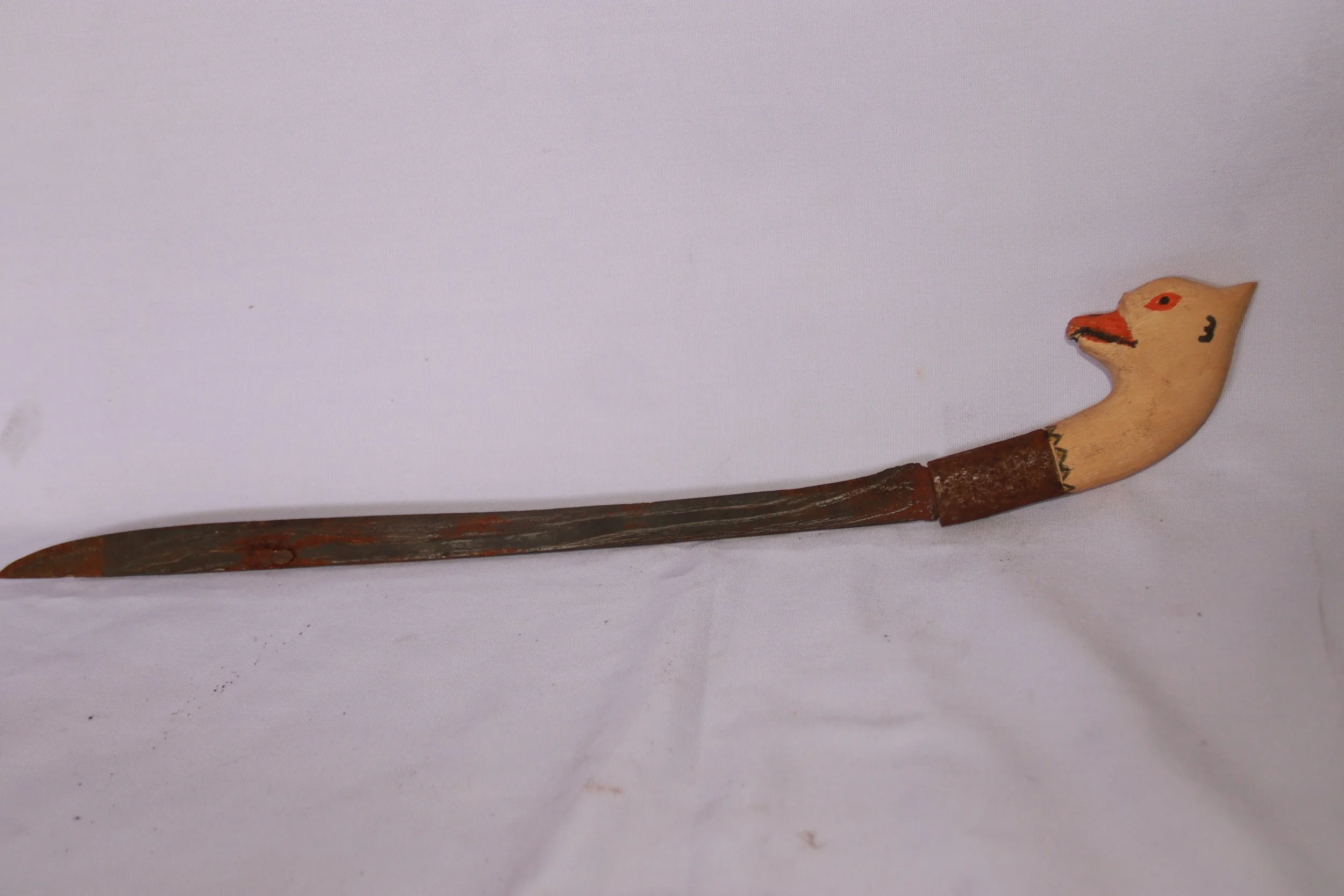
archive number: r-2-014 object reference: Parang Blade origin: - date: - notes: This artefact was likely brought to Banda by migrants during the colonial era, but they represent the type of craftsmanship that was often exchanged for spices by traders from other Indonesian islands.
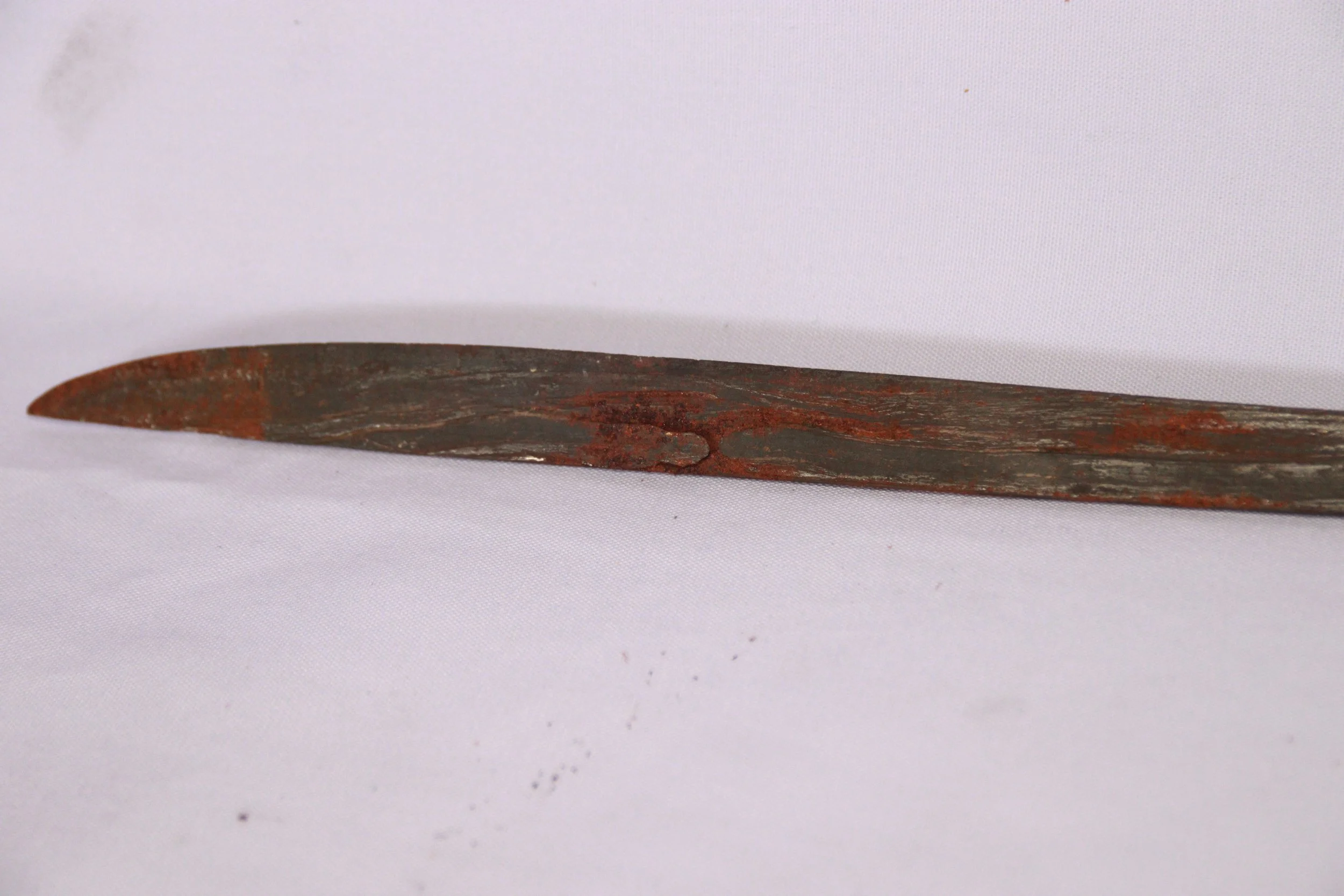
archive number: r-2-014 object reference: Parang Blade origin: - date: - notes: This artefact was likely brought to Banda by migrants during the colonial era, but they represent the type of craftsmanship that was often exchanged for spices by traders from other Indonesian islands.
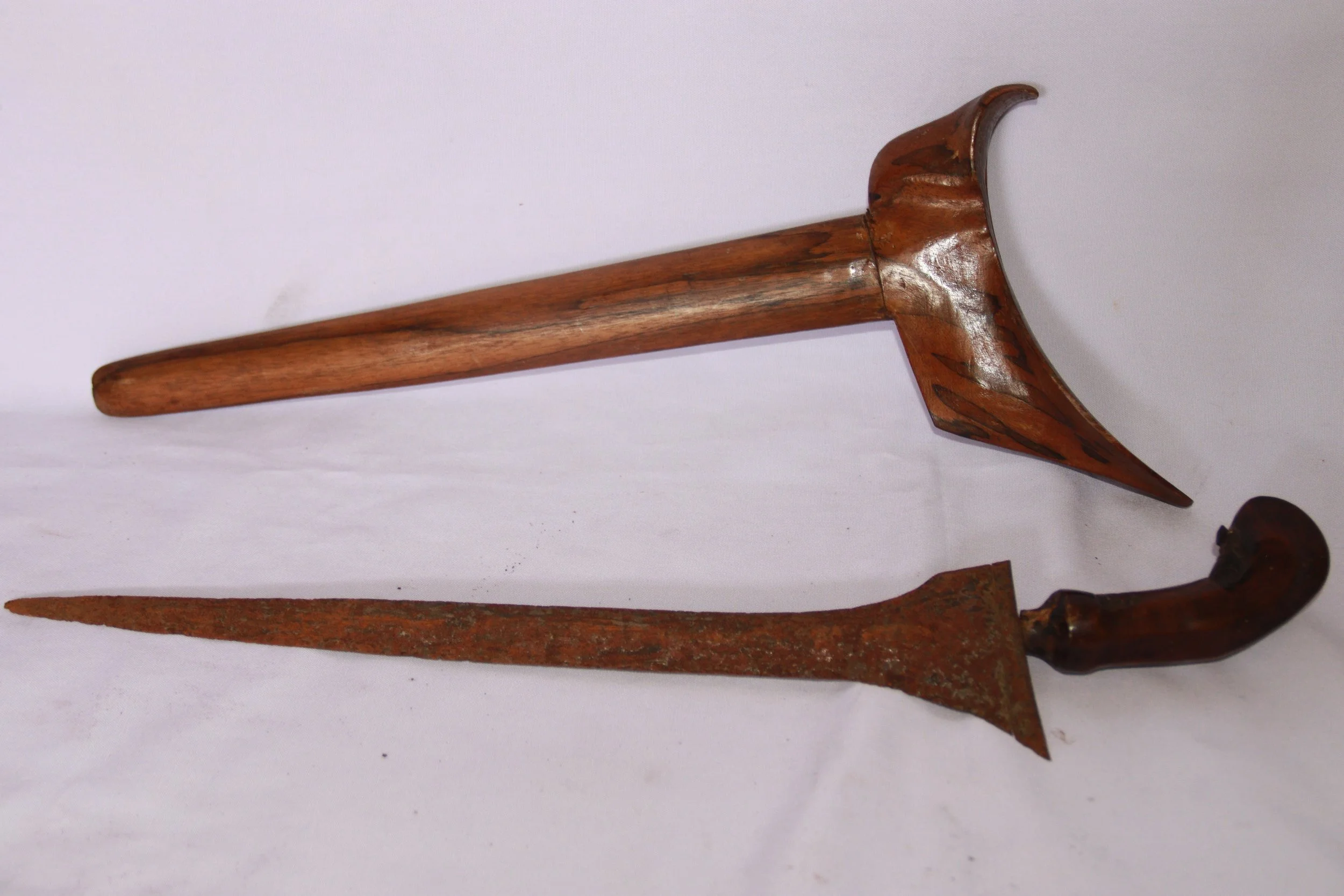
archive number: r-2-015 object reference: Keris Blade & Sheath origin: - date: - notes: This artefact was likely brought to Banda by migrants during the colonial era, but they represent the type of craftsmanship that was often exchanged for spices by traders from other Indonesian islands.
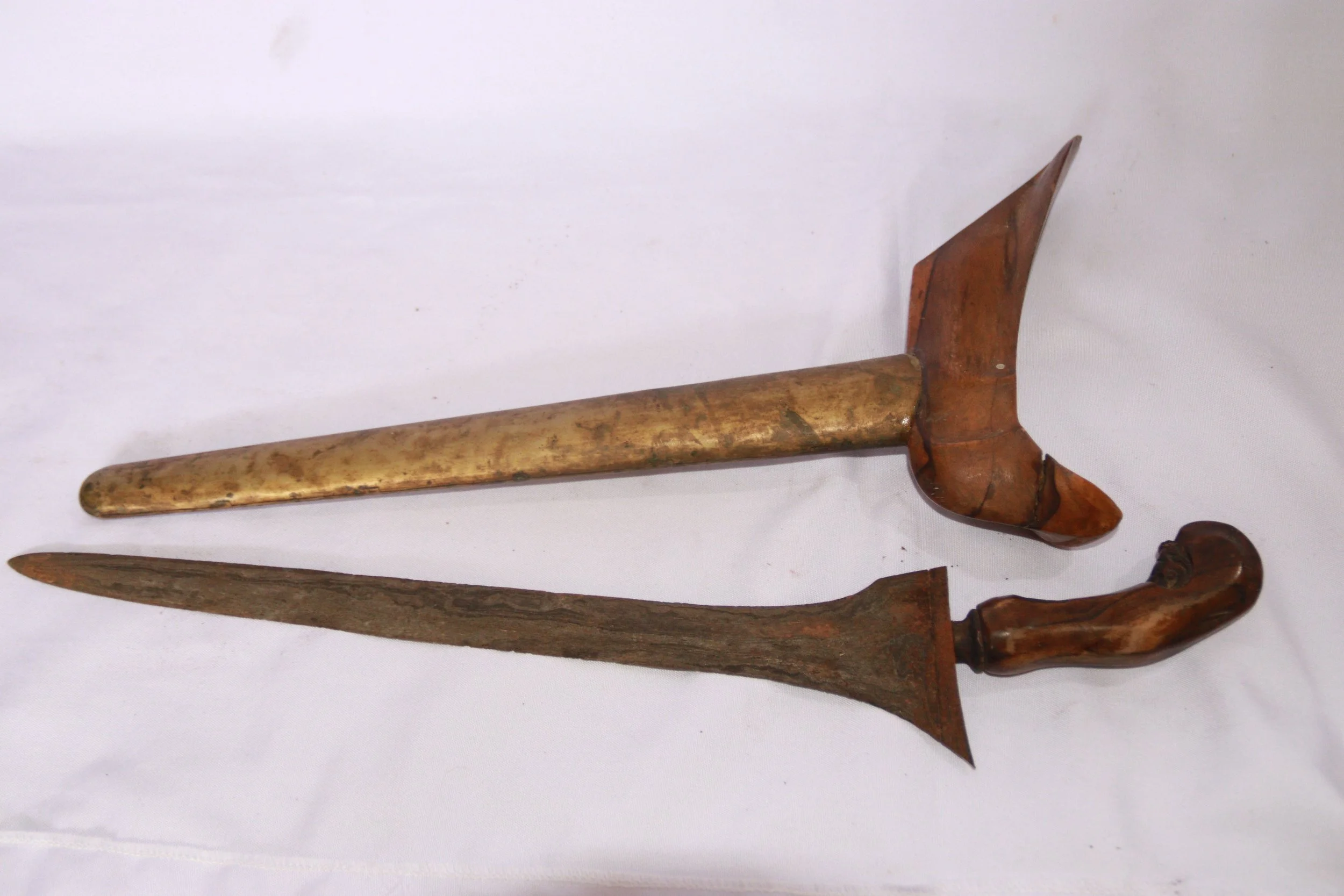
archive number: r-2-016 object reference: Keris Blade & Sheath origin: - date: - notes: This artefact was likely brought to Banda by migrants during the colonial era, but they represent the type of craftsmanship that was often exchanged for spices by traders from other Indonesian islands.
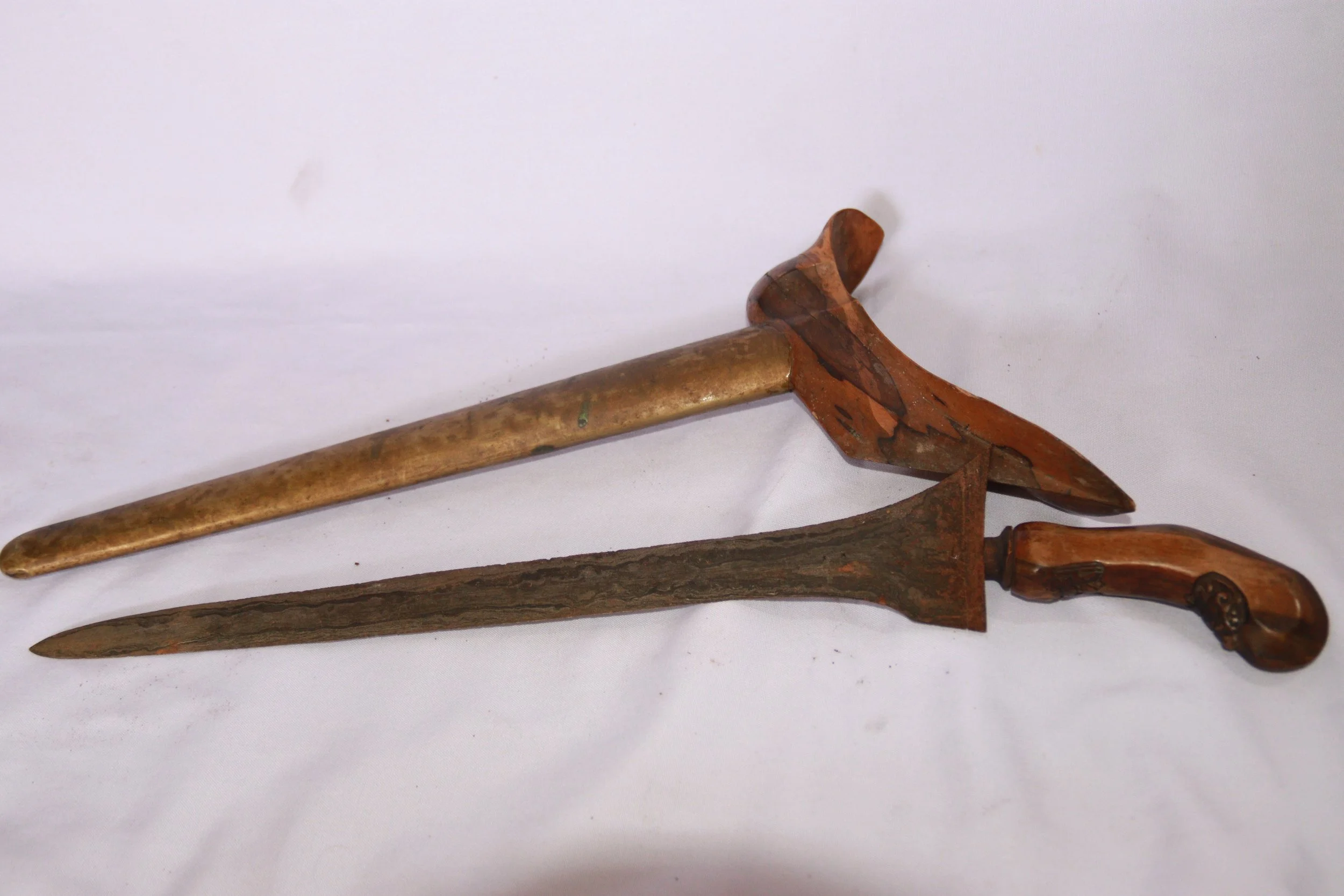
archive number: r-2-016 object reference: Keris Blade & Sheath origin: - date: - notes: This artefact was likely brought to Banda by migrants during the colonial era, but they represent the type of craftsmanship that was often exchanged for spices by traders from other Indonesian islands.
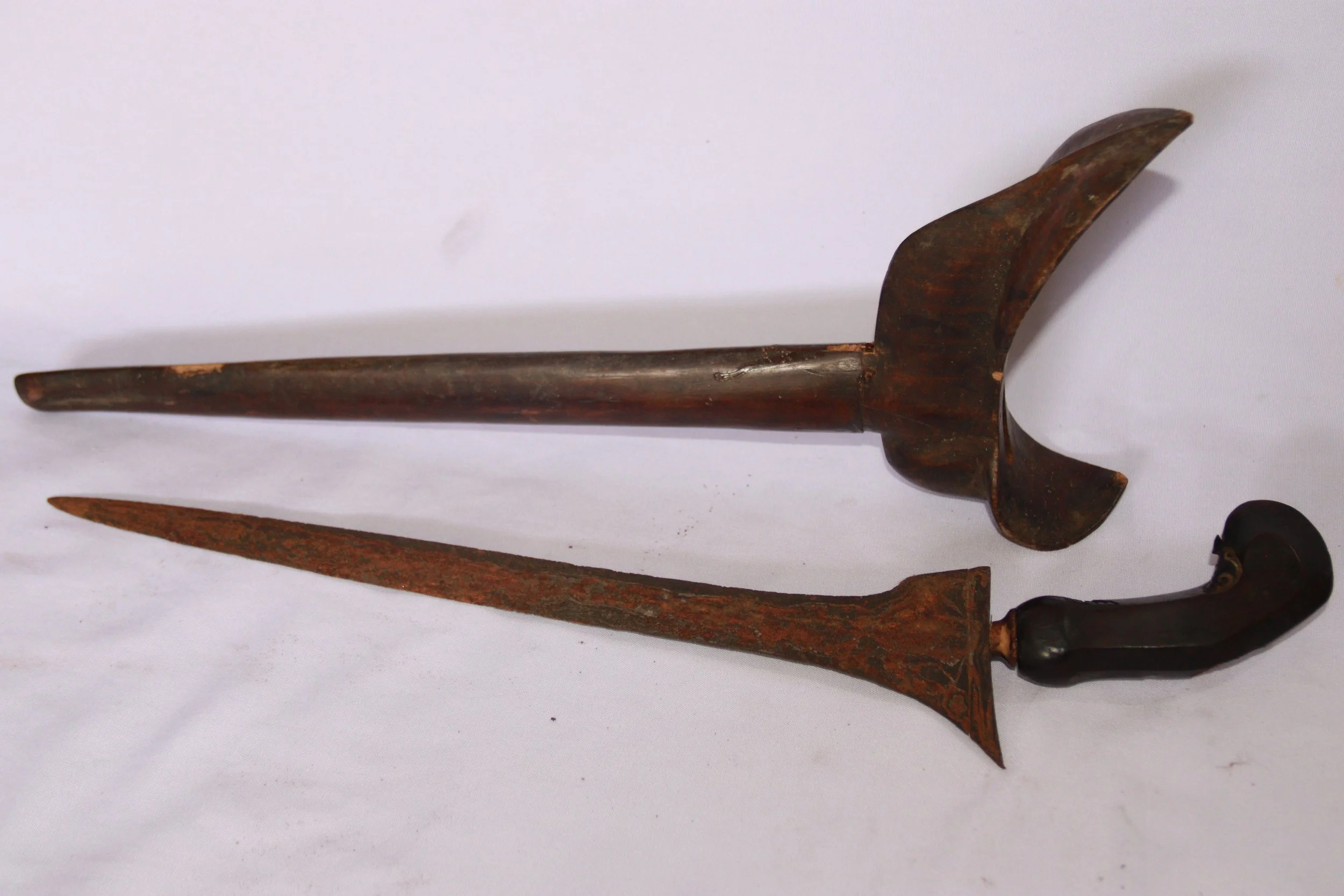
archive number: r-2-017 object reference: Keris Blade & Sheath origin: - date: - notes: This artefact was likely brought to Banda by migrants during the colonial era, but they represent the type of craftsmanship that was often exchanged for spices by traders from other Indonesian islands.
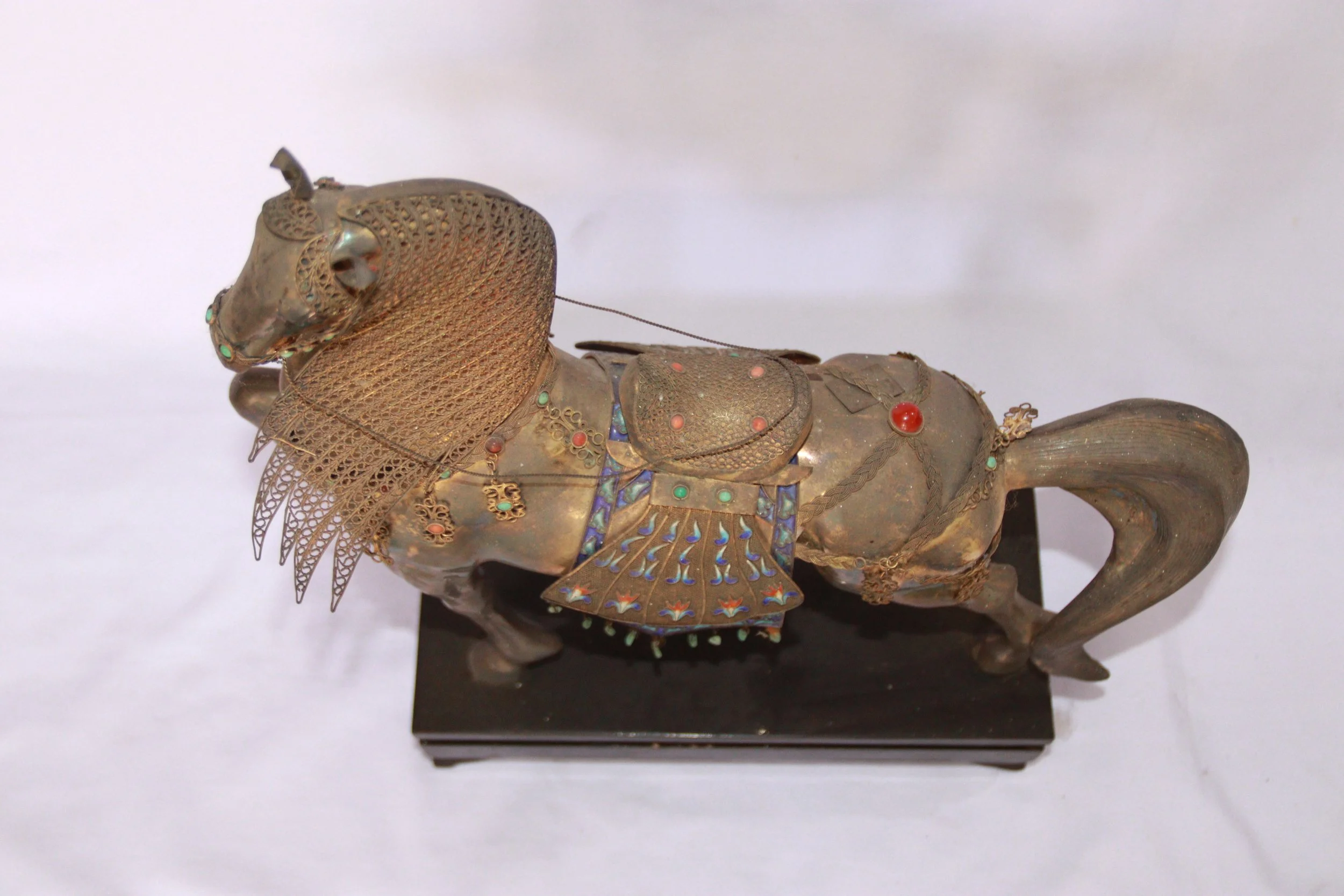
archive number: r-2-017 object reference: Horse Statue (Middle Eastern Style) origin: Middle East (assumed) date: - notes: This horse statue has distinctive Middle Eastern characteristics and represents an example of works of art often used to barter between foreign traders and the Banda people.
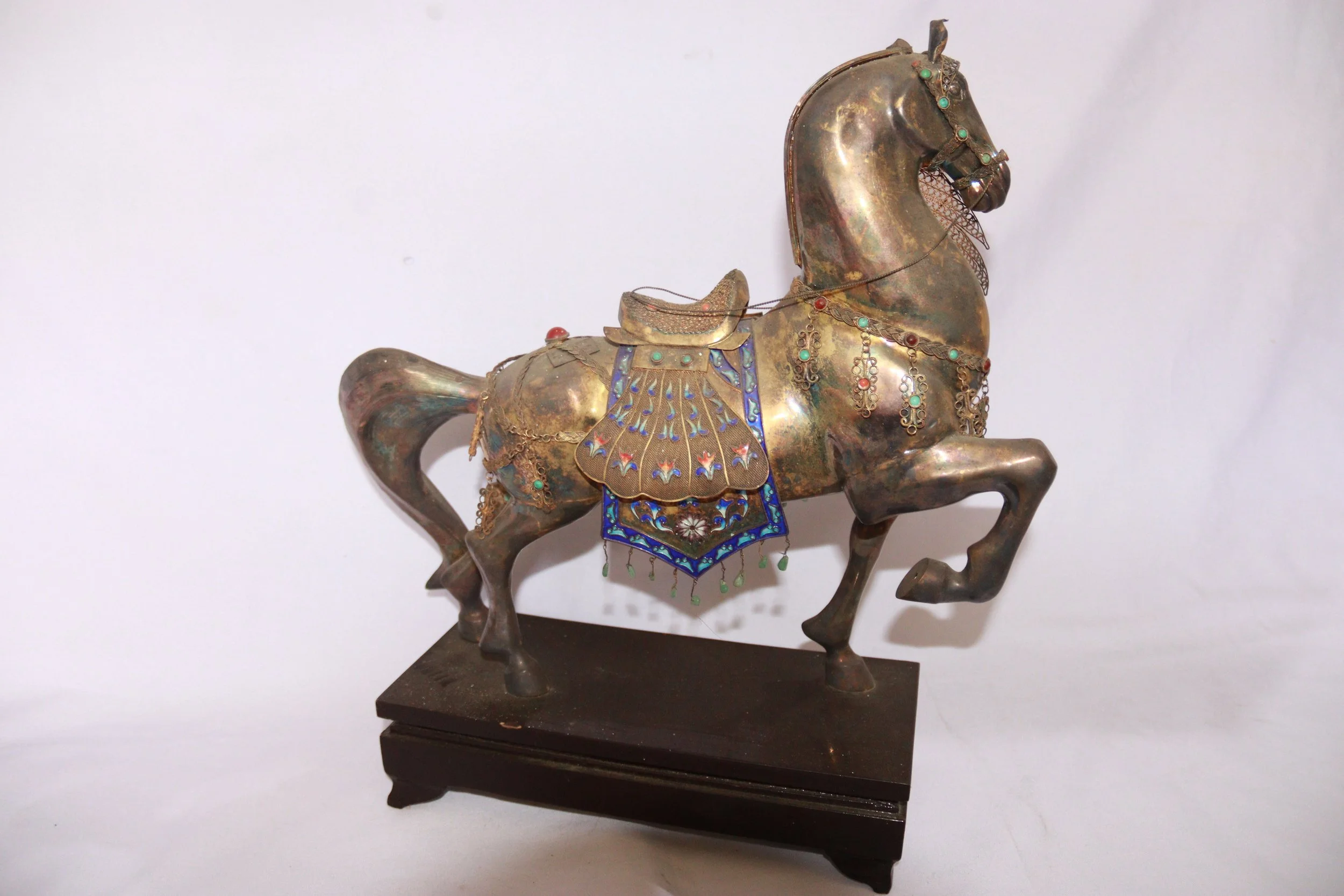
archive number: r-2-017 object reference: Horse Statue (Middle Eastern Style) origin: Middle East (assumed) date: - notes: This horse statue has distinctive Middle Eastern characteristics and represents an example of works of art often used to barter between foreign traders and the Banda people.
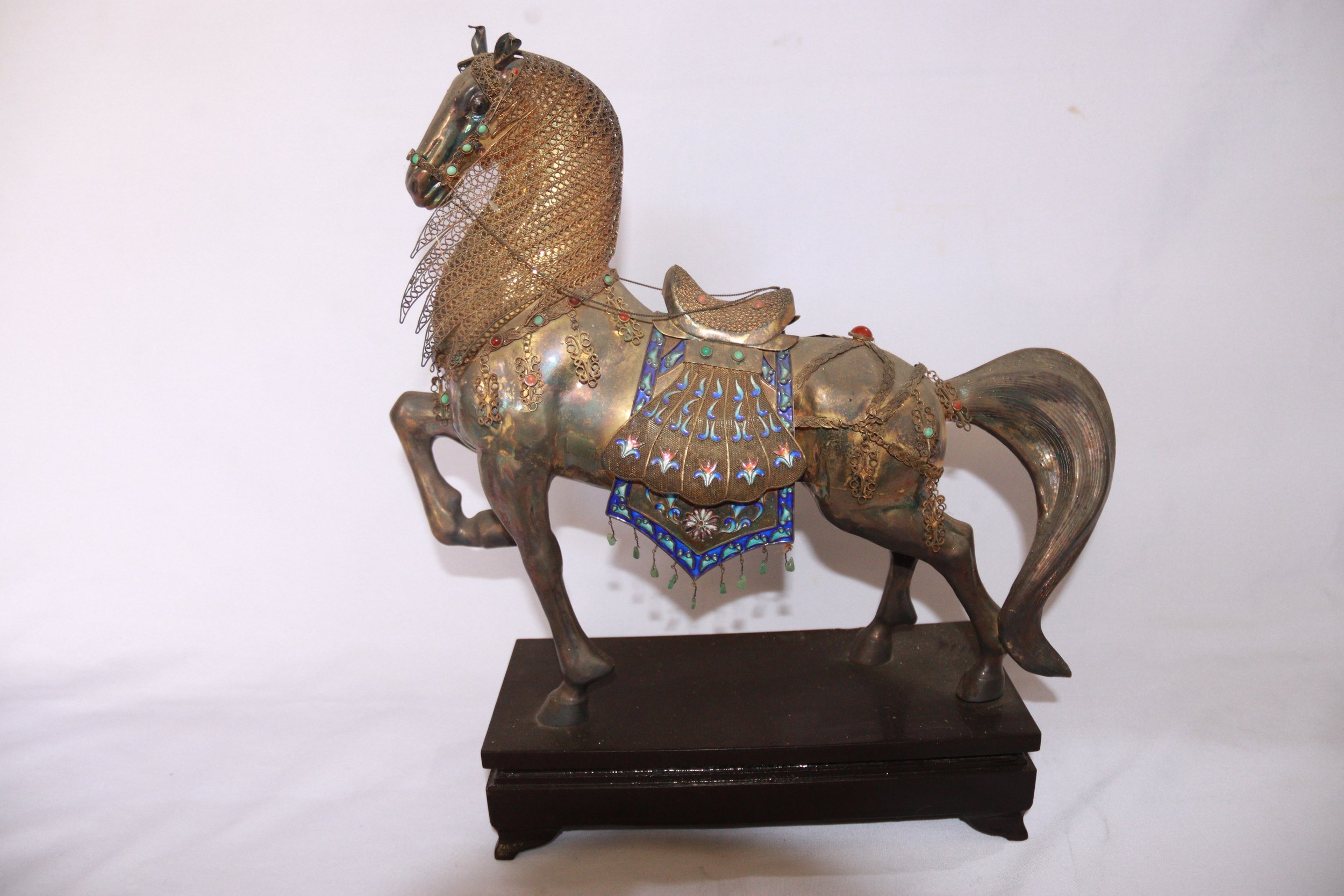
archive number: r-2-017 object reference: Horse Statue (Middle Eastern Style) origin: Middle East (assumed) date: - notes: This horse statue has distinctive Middle Eastern characteristics and represents an example of works of art often used to barter between foreign traders and the Banda people.
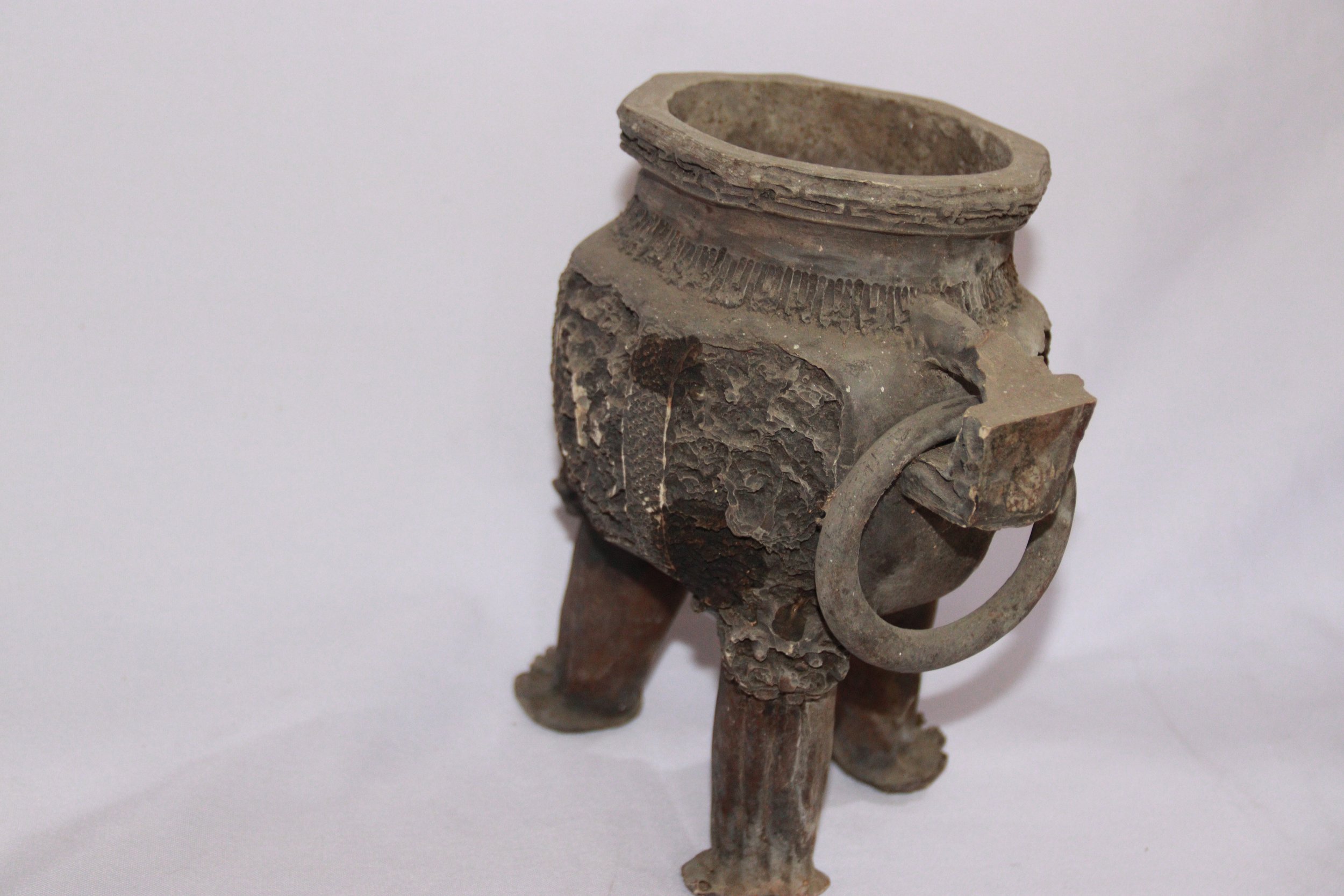
archive number: r-2-018 object reference: Incense Burner origin: China (assumed) date: - notes: Incense burners, likely inspired by Buddhist or East Asian styles, are used to hold various forms of incense, such as sticks, cones, or powder, and are used for religious purposes, meditation, or simply to create a calming atmosphere.
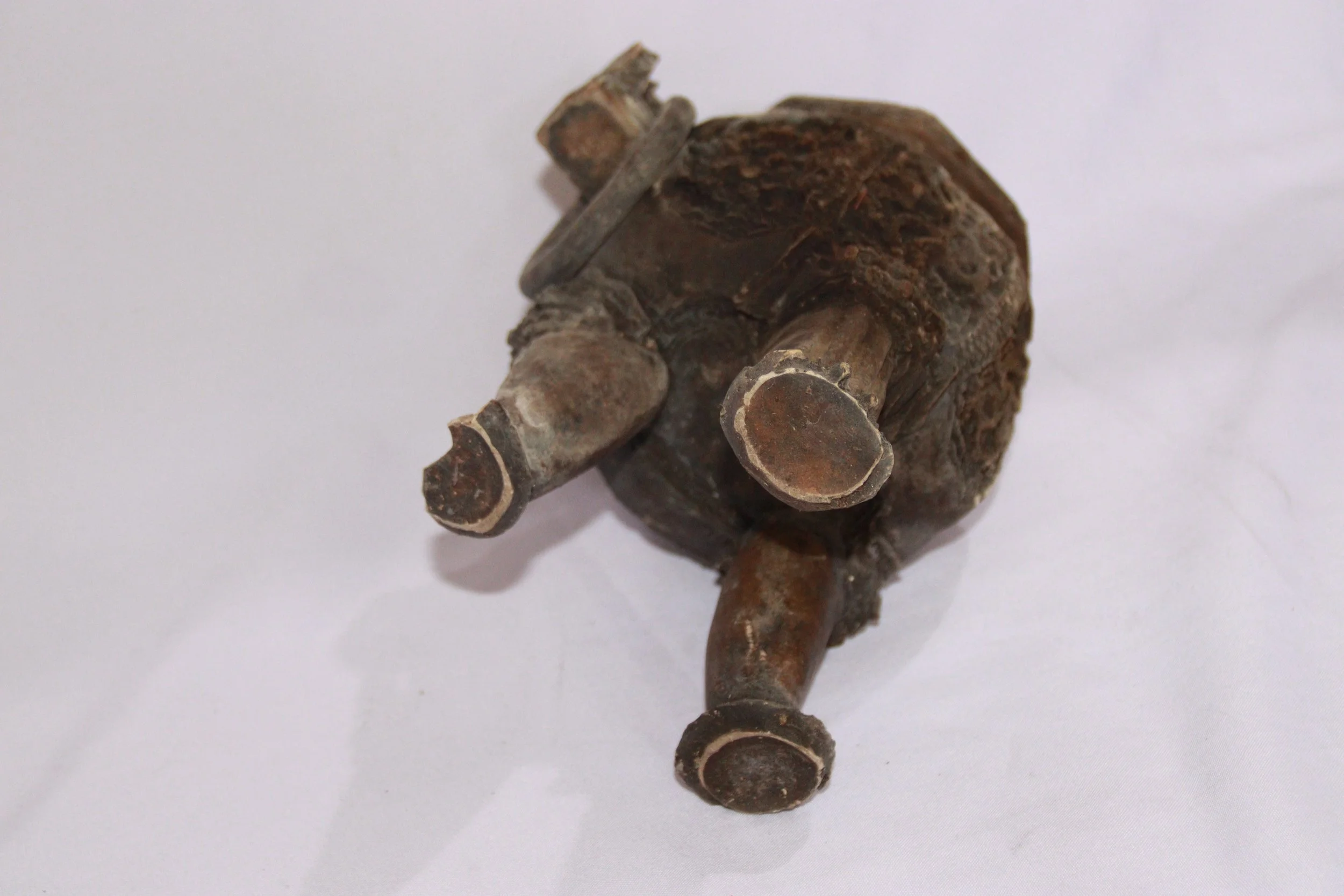
archive number: r-2-018 object reference: Incense Burner origin: China (assumed) date: - notes: Incense burners, likely inspired by Buddhist or East Asian styles, are used to hold various forms of incense, such as sticks, cones, or powder, and are used for religious purposes, meditation, or simply to create a calming atmosphere.
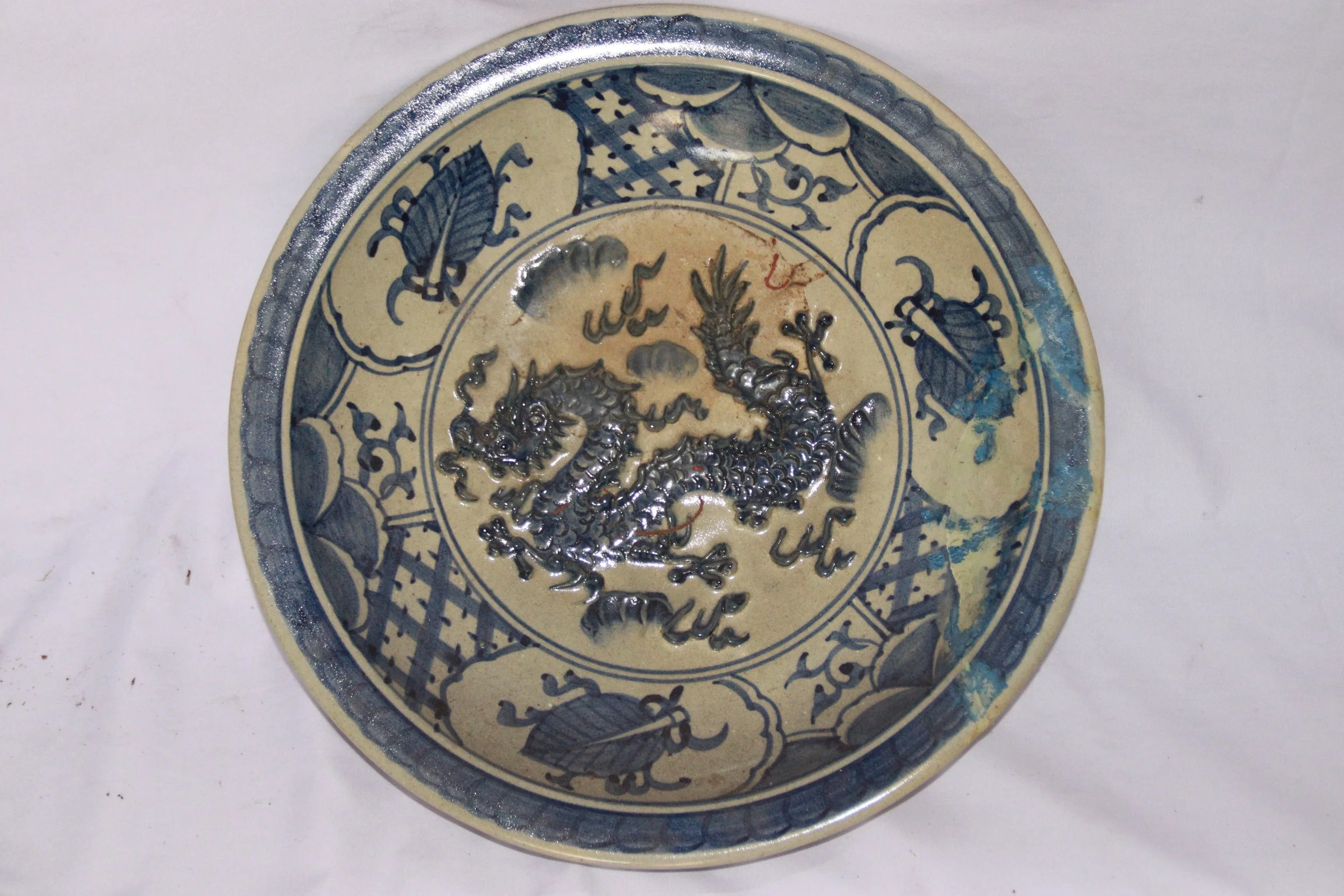
archive number: r-2-019 object reference: Large Ceramic Plate origin: China (assumed) date: - notes: Ceramics were among the most common trade goods bartered with the Banda Islands during the pre-colonial period, although this piece may date from much later.
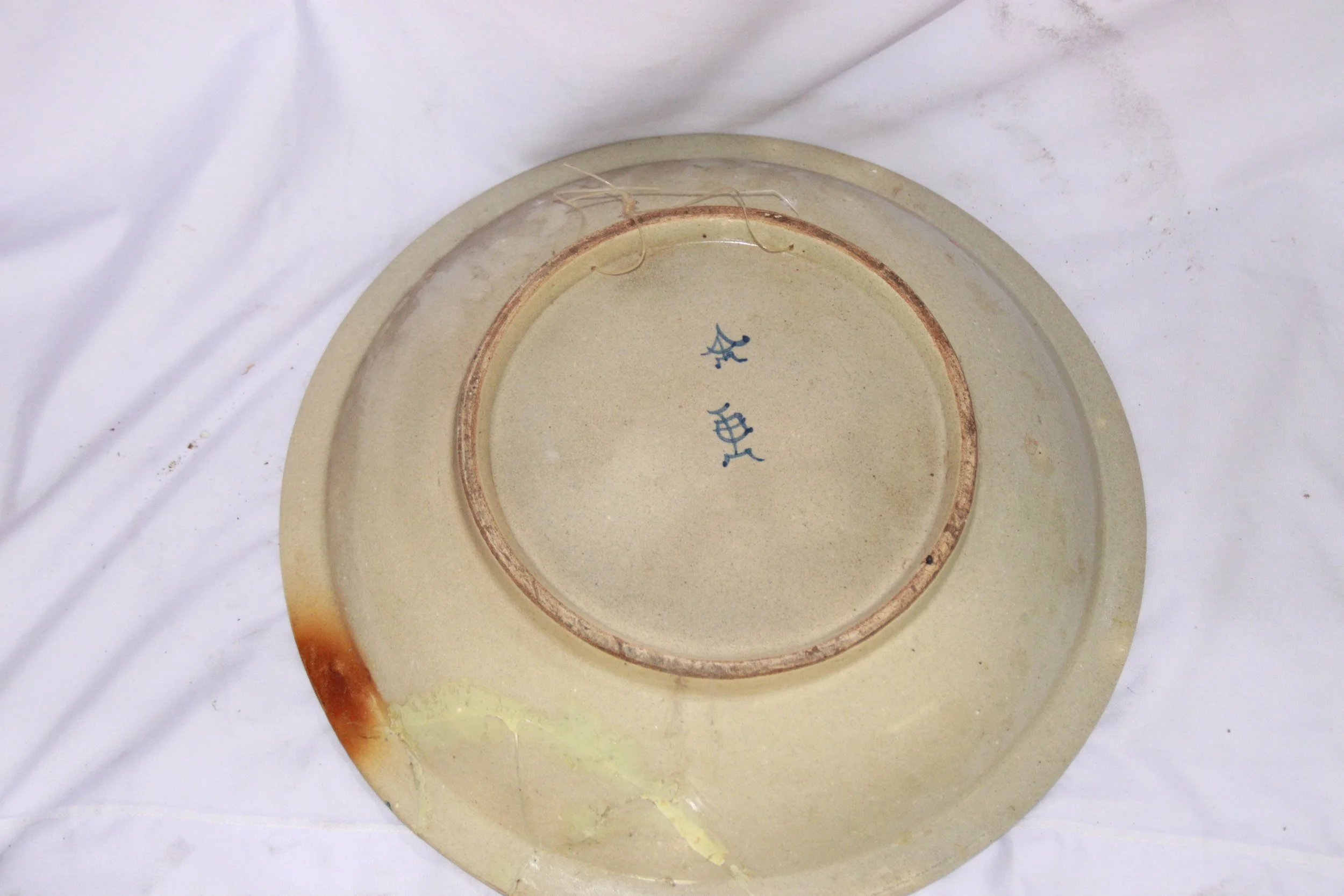
archive number: r-2-019 object reference: Large Ceramic Plate origin: China (assumed) date: - notes: Ceramics were among the most common trade goods bartered with the Banda Islands during the pre-colonial period, although this piece may date from much later.
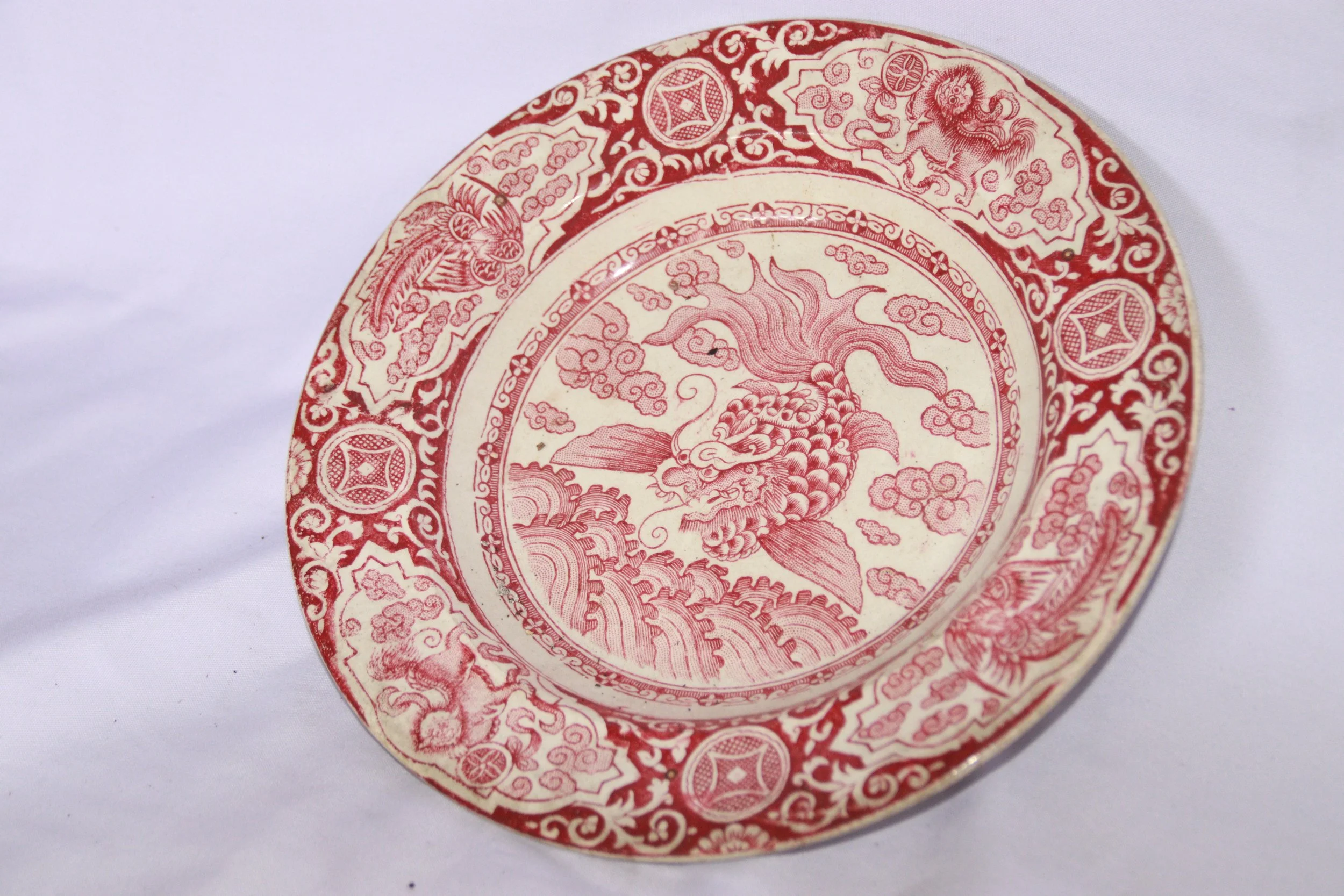
archive number: r-2-020 object reference: Large Ceramic Plate origin: China (assumed) date: - notes: Antique plate in the 'Chinoiserie' style, which is a European decorative style inspired by Chinese and other East Asian art and design.
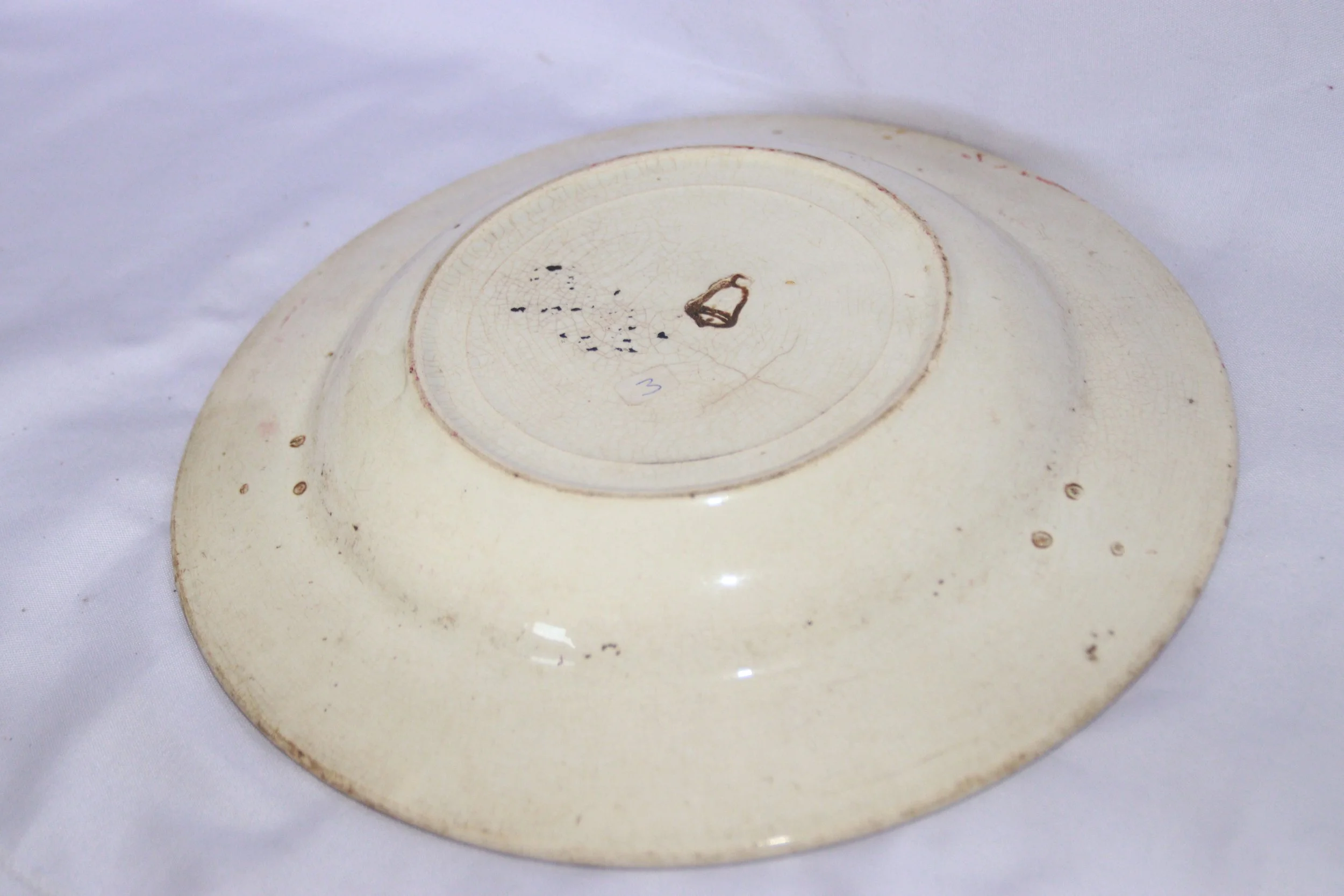
archive number: r-2-020 object reference: Large Ceramic Plate origin: China (assumed) date: - notes: Antique plate in the 'Chinoiserie' style, which is a European decorative style inspired by Chinese and other East Asian art and design.
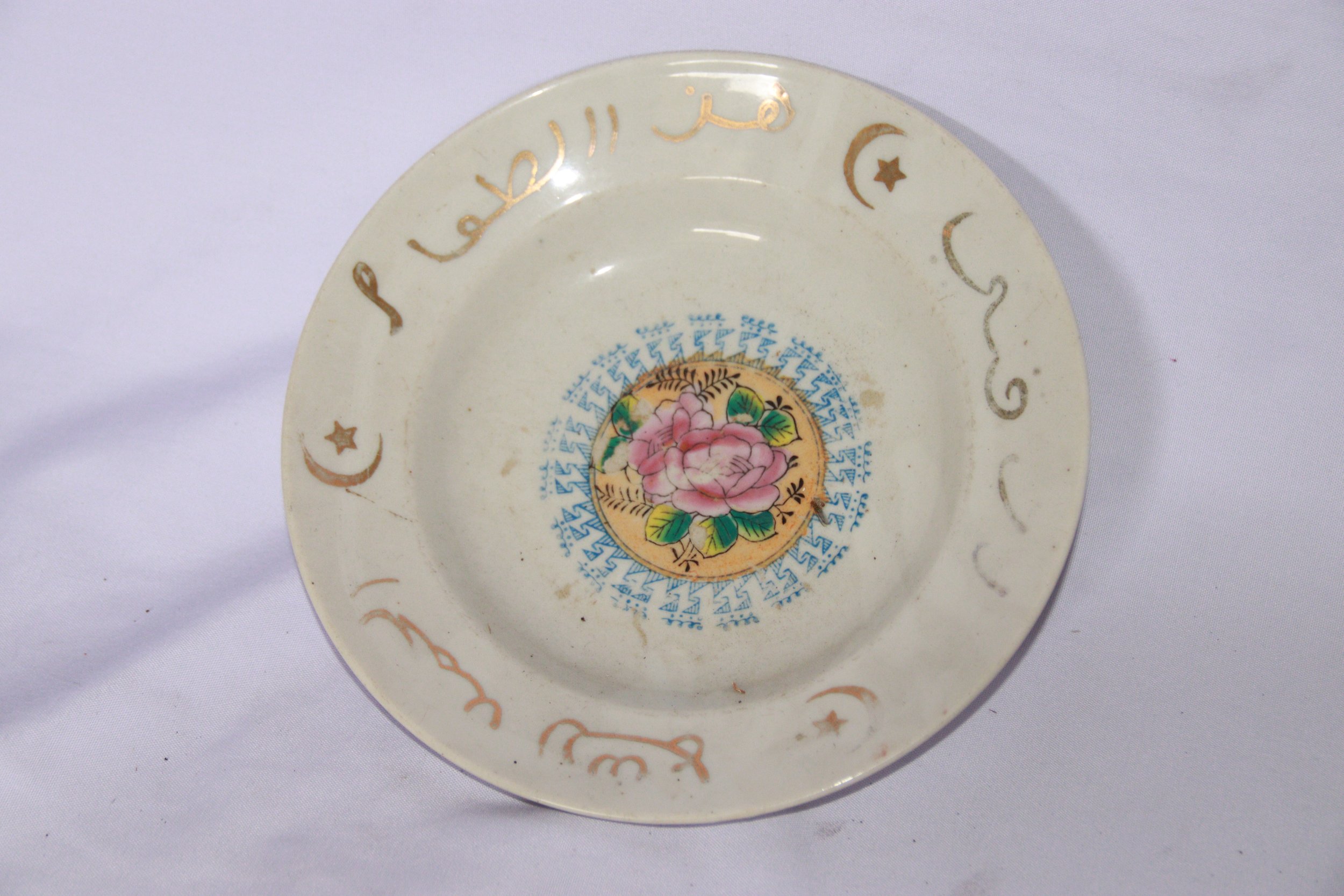
archive number: r-2-021 object reference: Malay-style plate origin: Malacca (assumed) date: - notes: This plate is most likely a serving plate or a purely decorative plate, judging by the calligraphy motifs and religious symbols.
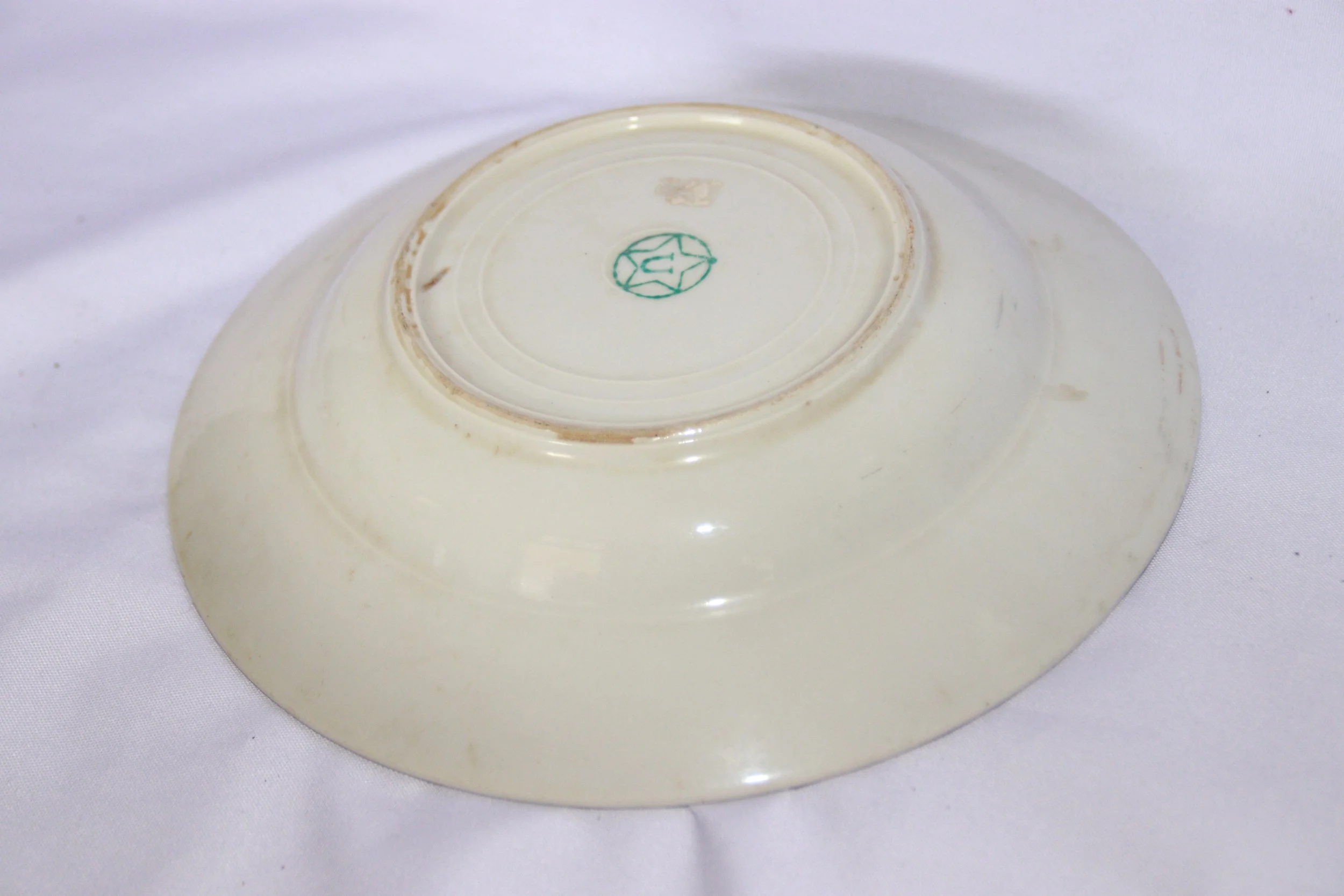
archive number: r-2-021 object reference: Malay-style plate origin: Malacca (assumed) date: - notes: This plate is most likely a serving plate or a purely decorative plate, judging by the calligraphy motifs and religious symbols.
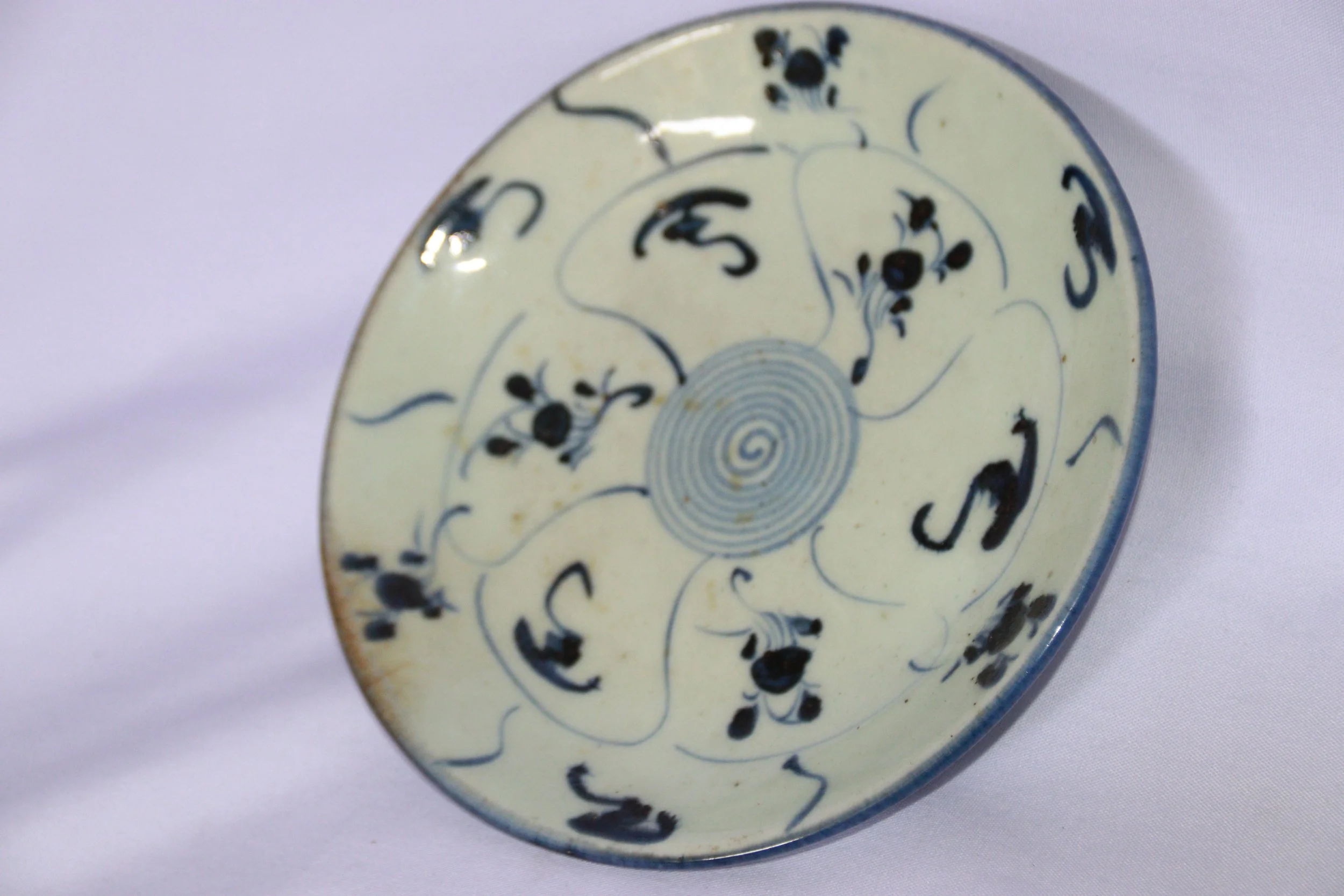
archive number: r-2-022 object reference: Chinese-style plate origin: China (assumed) date: - notes: This plate is decorated with floral motifs and a circular pattern in the center. These motifs are often found on ancient Chinese ceramics. Based on the style and motifs, this plate is likely Chinese, known for the highest quality porcelain.
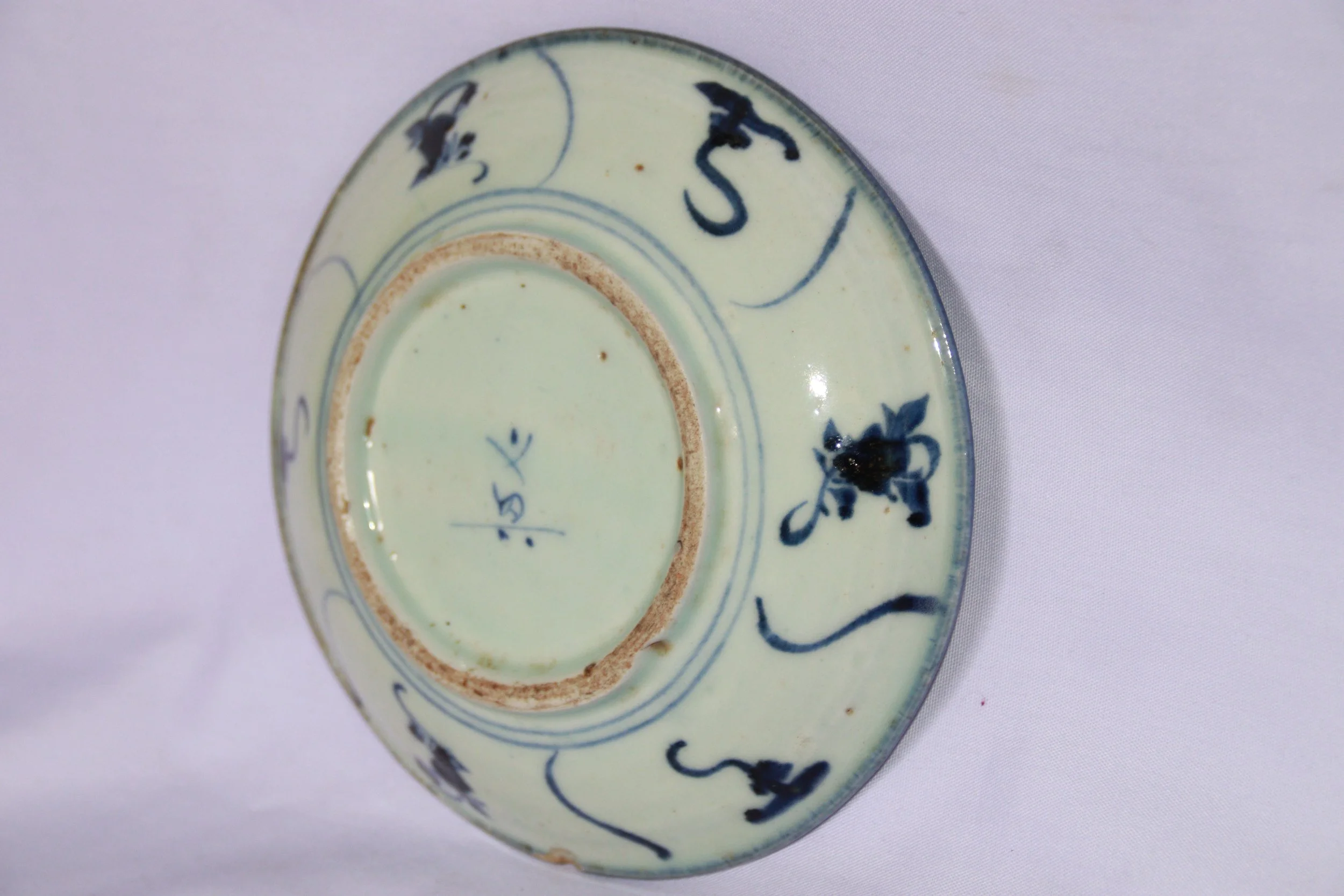
archive number: r-2-022 object reference: Chinese-style plate origin: China (assumed) date: - notes: This plate is decorated with floral motifs and a circular pattern in the center. These motifs are often found on ancient Chinese ceramics. Based on the style and motifs, this plate is likely Chinese, known for the highest quality porcelain.
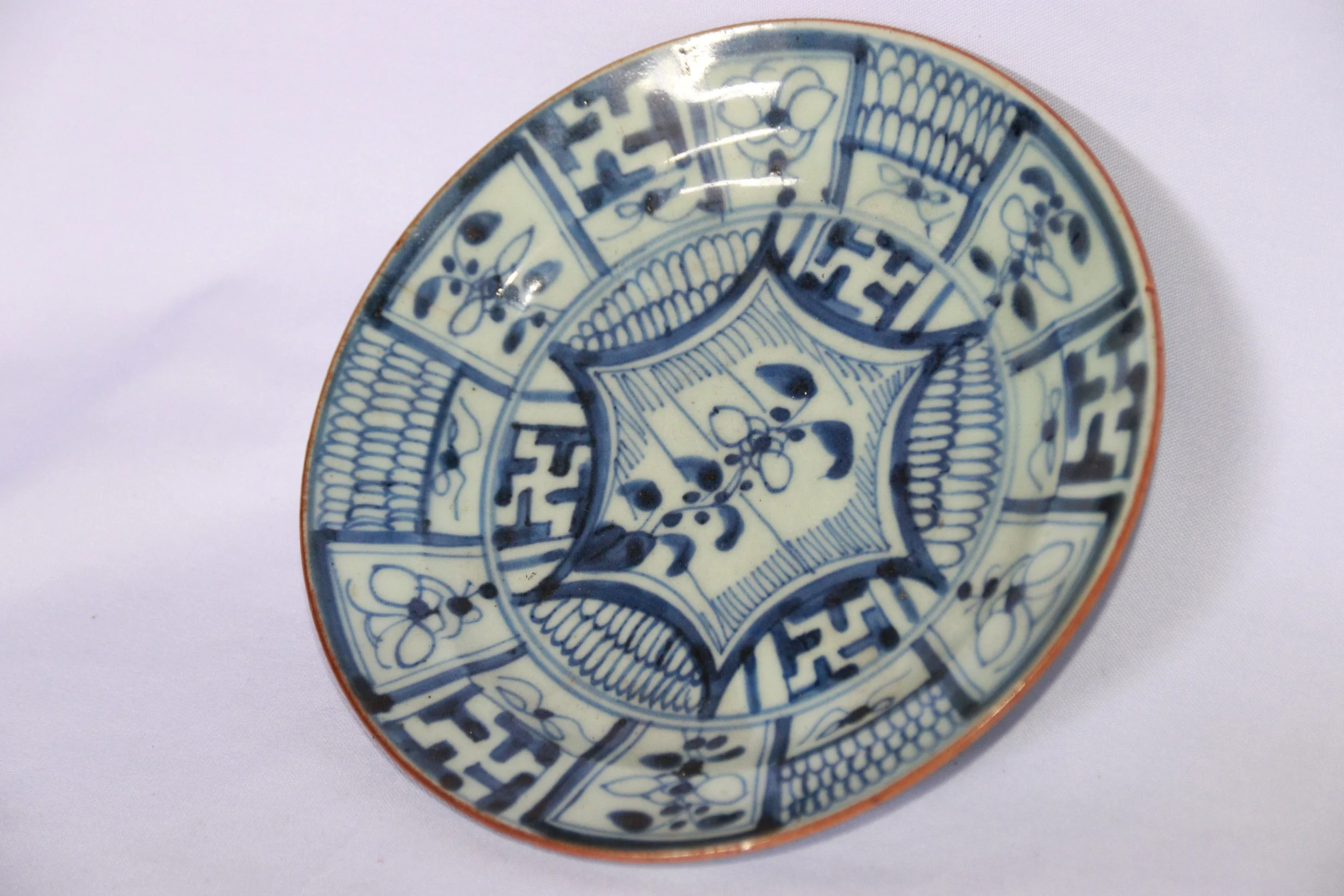
archive number: r-2-023 object reference: Qing-style plate origin: China (assumed) date: Qing Dynasty notes: This plate is most likely Chinese, made during the Qing Dynasty (1644–1912). These plates were traded to various regions, including the Indonesian archipelago, on Chinese merchant ships.
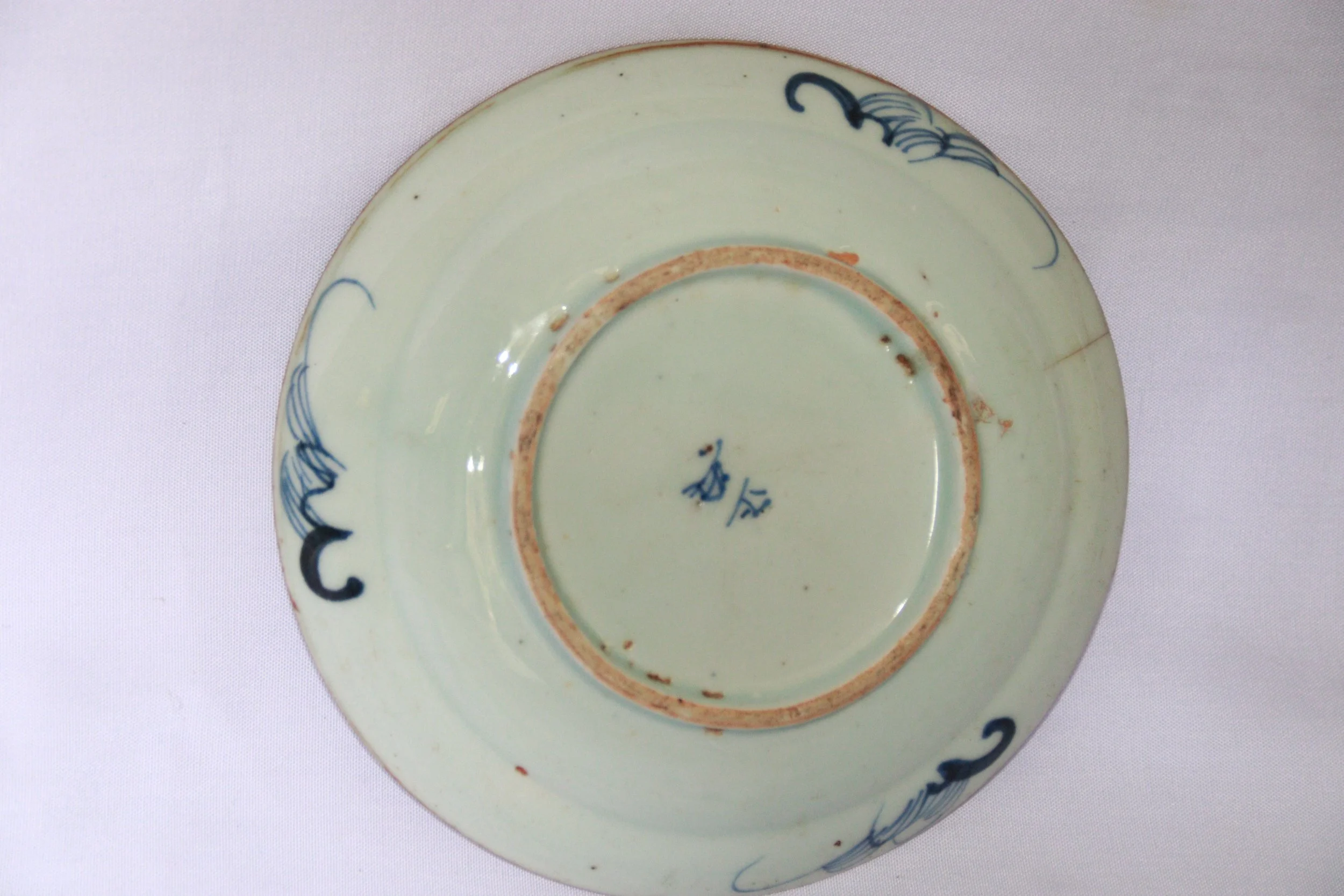
archive number: r-2-023 object reference: Qing-style plate origin: China (assumed) date: Qing Dynasty notes: This plate is most likely Chinese, made during the Qing Dynasty (1644–1912). These plates were traded to various regions, including the Indonesian archipelago, on Chinese merchant ships.
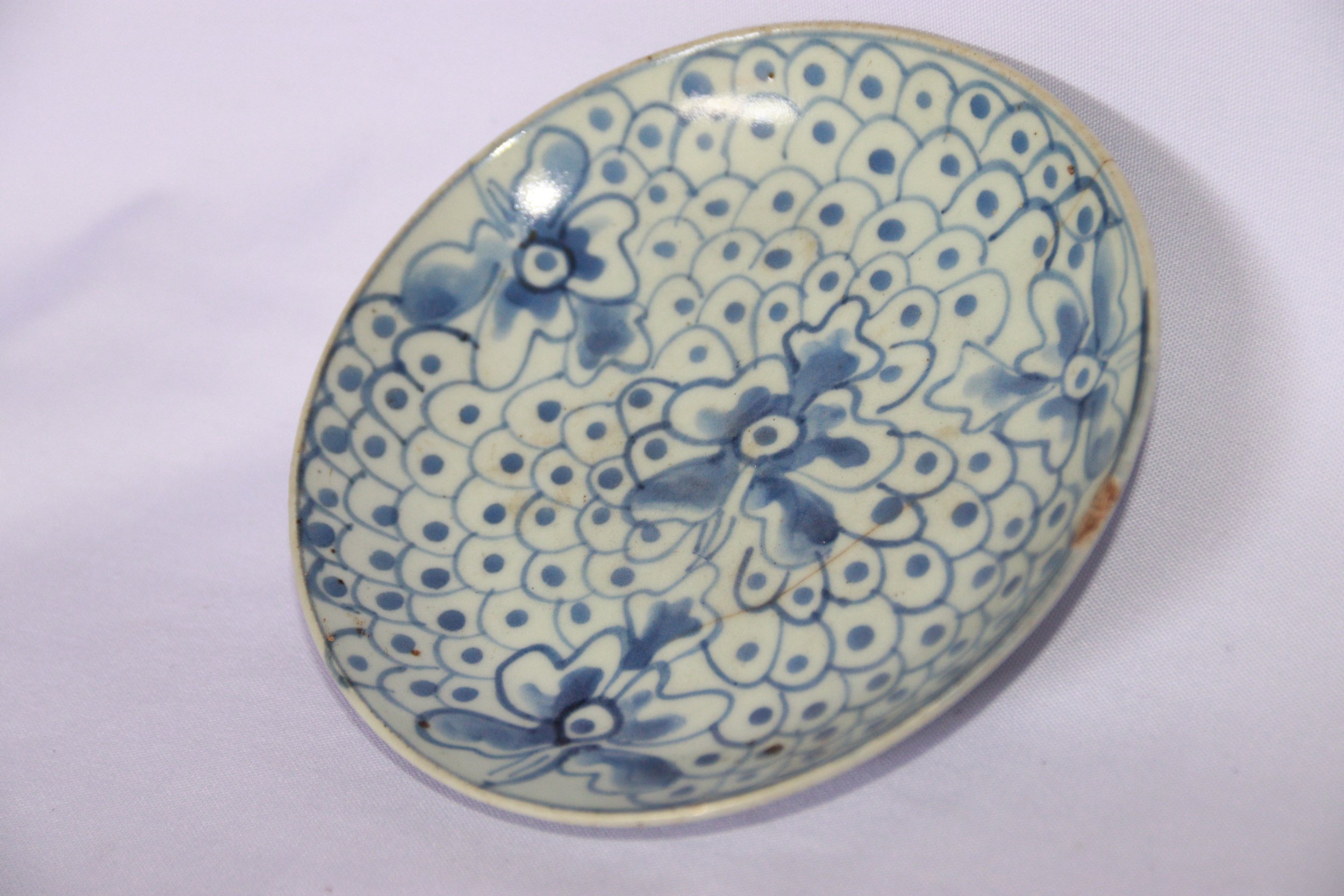
archive number: r-2-024 object reference: Qing-style plate origin: China (assumed) date: Qing Dynasty notes: This plate is made of ceramic, predominantly white with a blue motif. The main motif is a pattern of overlapping circles or scales, creating a repeating texture across the entire surface. Among the circles are several four-petaled floral motifs, arranged symmetrically.
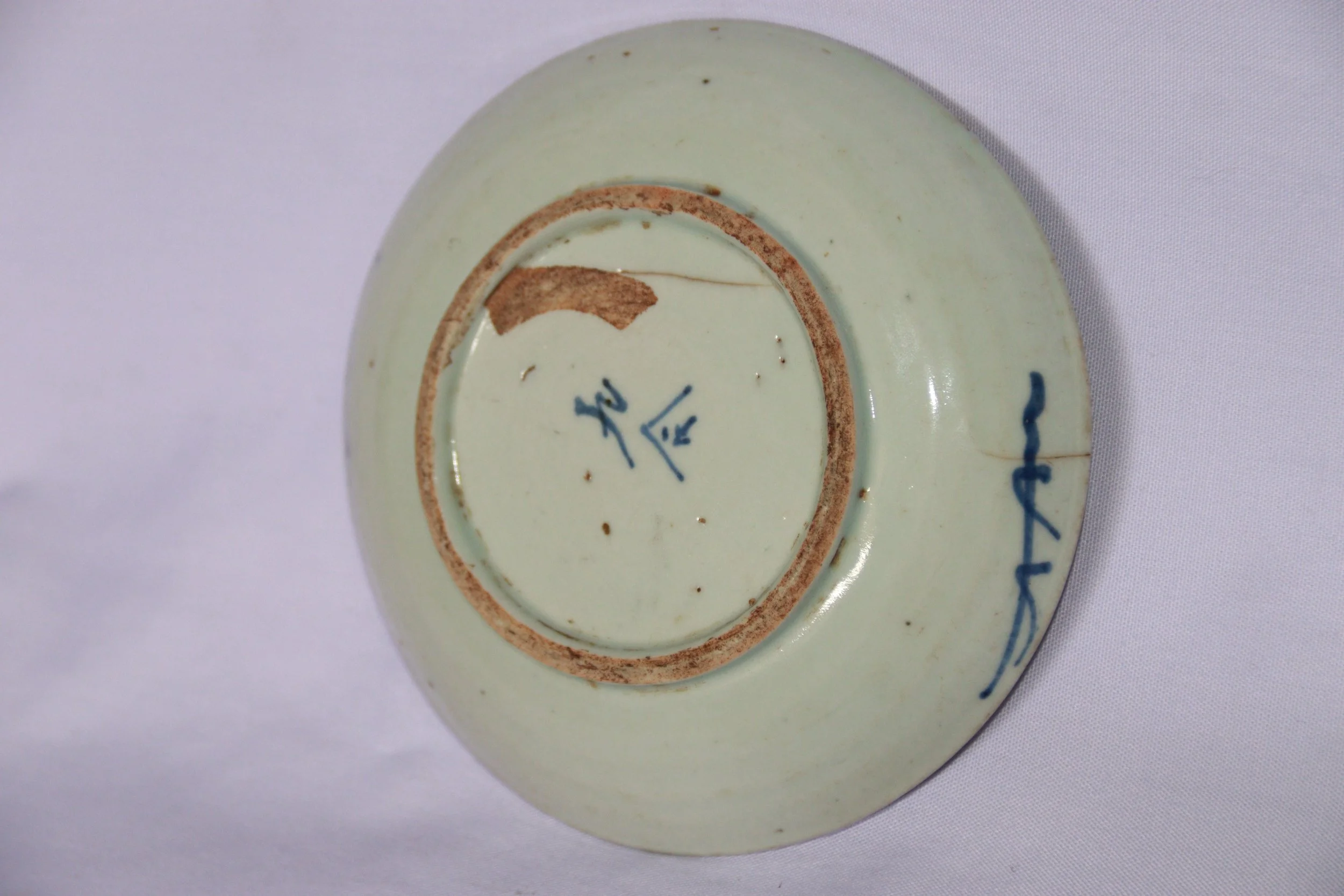
archive number: r-2-024 object reference: Qing-style plate origin: China (assumed) date: Qing Dynasty notes: This plate is made of ceramic, predominantly white with a blue motif. The main motif is a pattern of overlapping circles or scales, creating a repeating texture across the entire surface. Among the circles are several four-petaled floral motifs, arranged symmetrically.
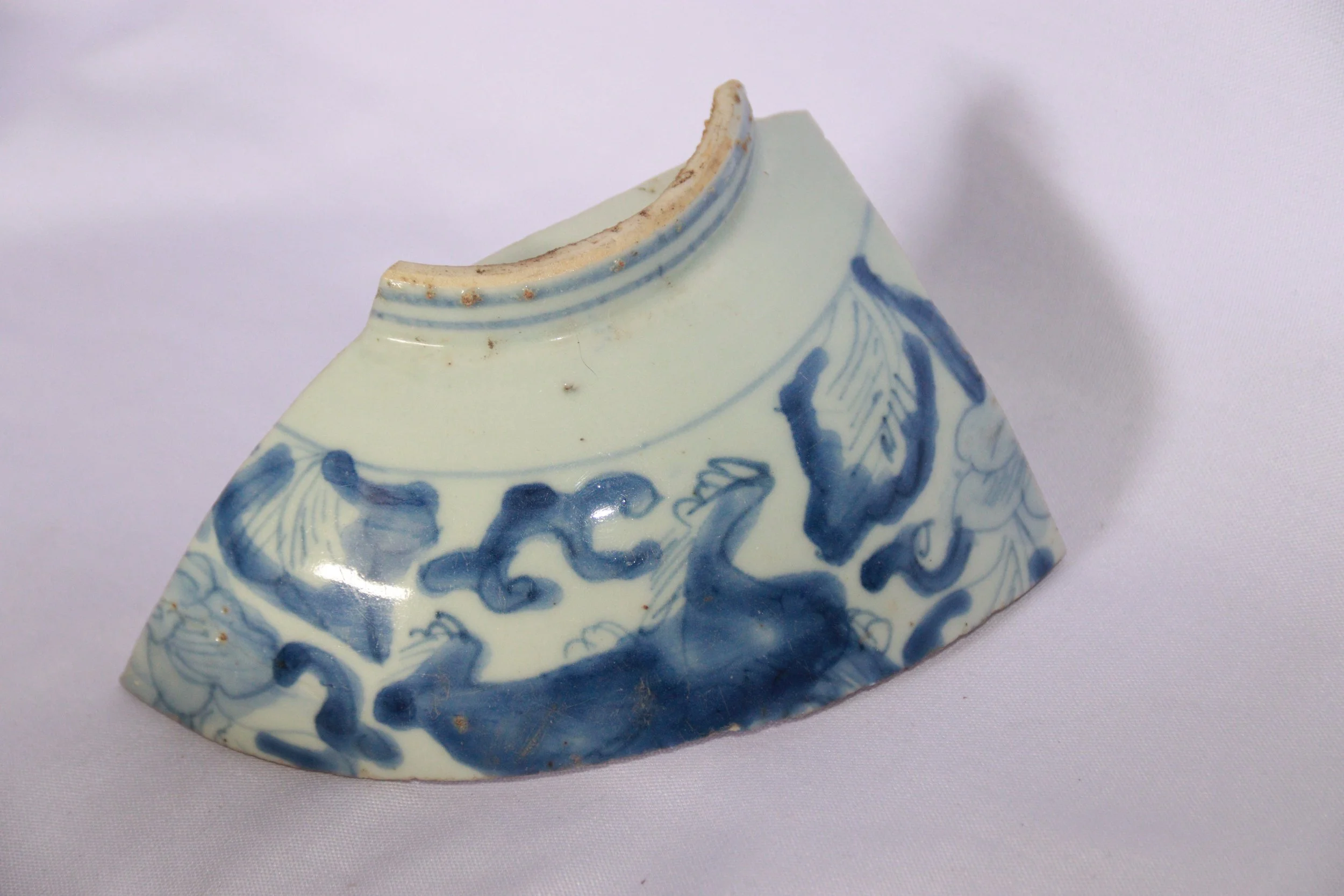
archive number: r-2-025 object reference: Plate Fragments origin: - date: - notes: These ceramic fragments are of unknown origin, but their style suggests Chinese, Vietnamese or other East Asian influences
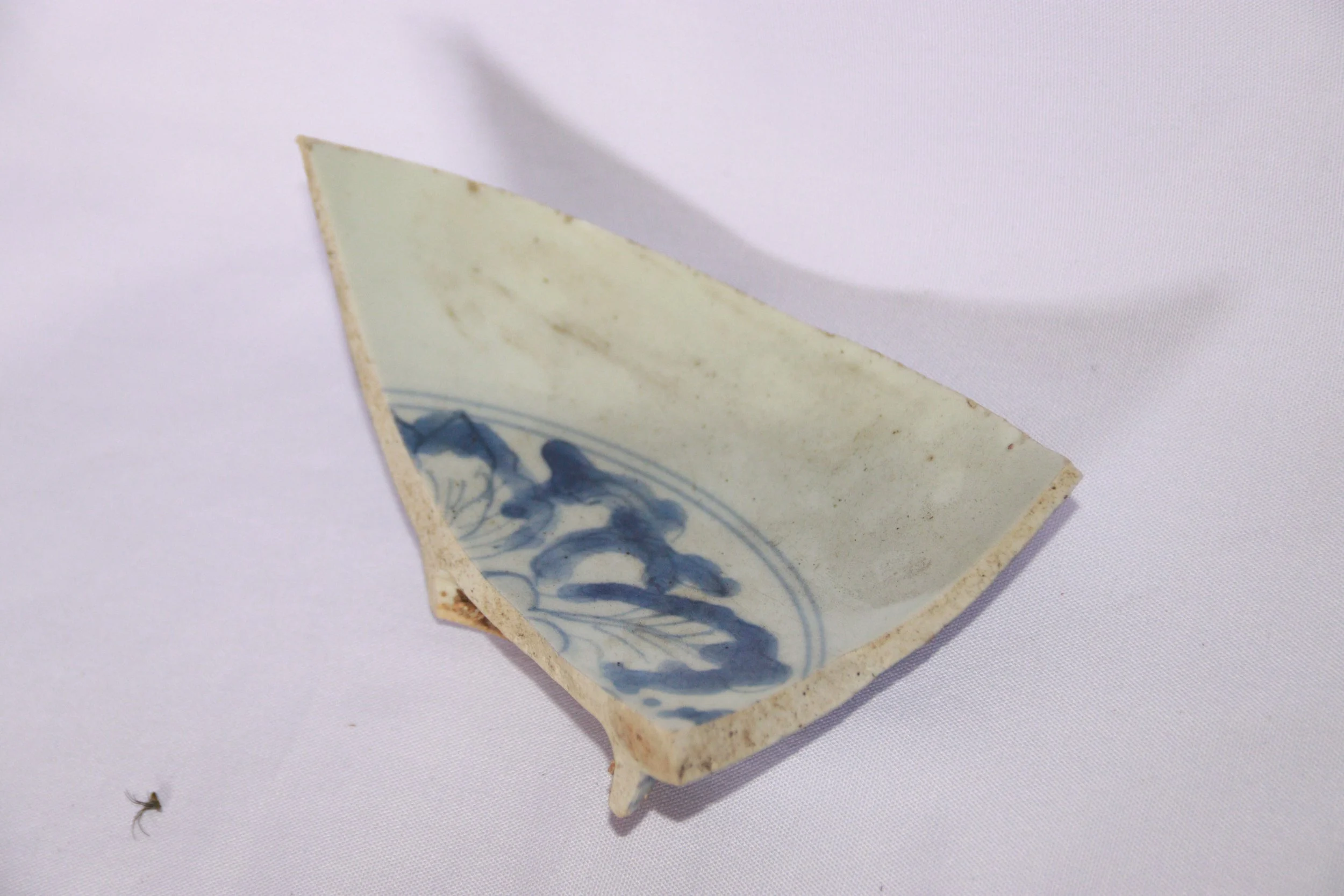
archive number: r-2-026 object reference: Plate Fragments origin: - date: - notes: These ceramic fragments are of unknown origin, but their style suggests Chinese, Vietnamese or other East Asian influences