

THE BANDA ISLANDS
The Banda Islands have been extraordinary since long before indigenous spices and foreign empires made them famous around the world. Rising from the depths of our deepest ocean, these remote volcanic islands have been a sanctuary for unique plants and animals since before recorded history.
The unique position of the Banda Islands in such deep waters attracts migrating ocean life, including tuna, hammerhead sharks, whales and dolphins. It also isolates the archipelago from other islands, giving space for unique species such as nutmeg to grow without competition. The earliest evidence of human civilisation in Banda relates directly to their interaction with the plants, animals, and physical geography of their local environment.
This exhibition explores Banda’s natural history, where the islands’ incredible story begins.
Note: The Rumah Budaya Banda collection combines objects and artefacts from a range of sources, many of which have been selected to represent historical change in Banda. They may not directly originate from the time periods associated with the archive. We are working to expand the collection and confirm historical data of individual objects. If you have additional information or inputs regarding any of the objects and artefacts in the collection, we invite you to join our open-source curatorial initiative using the input form at the bottom of this page and contribute to Rumah Budaya Banda’s ongoing revitalisation.
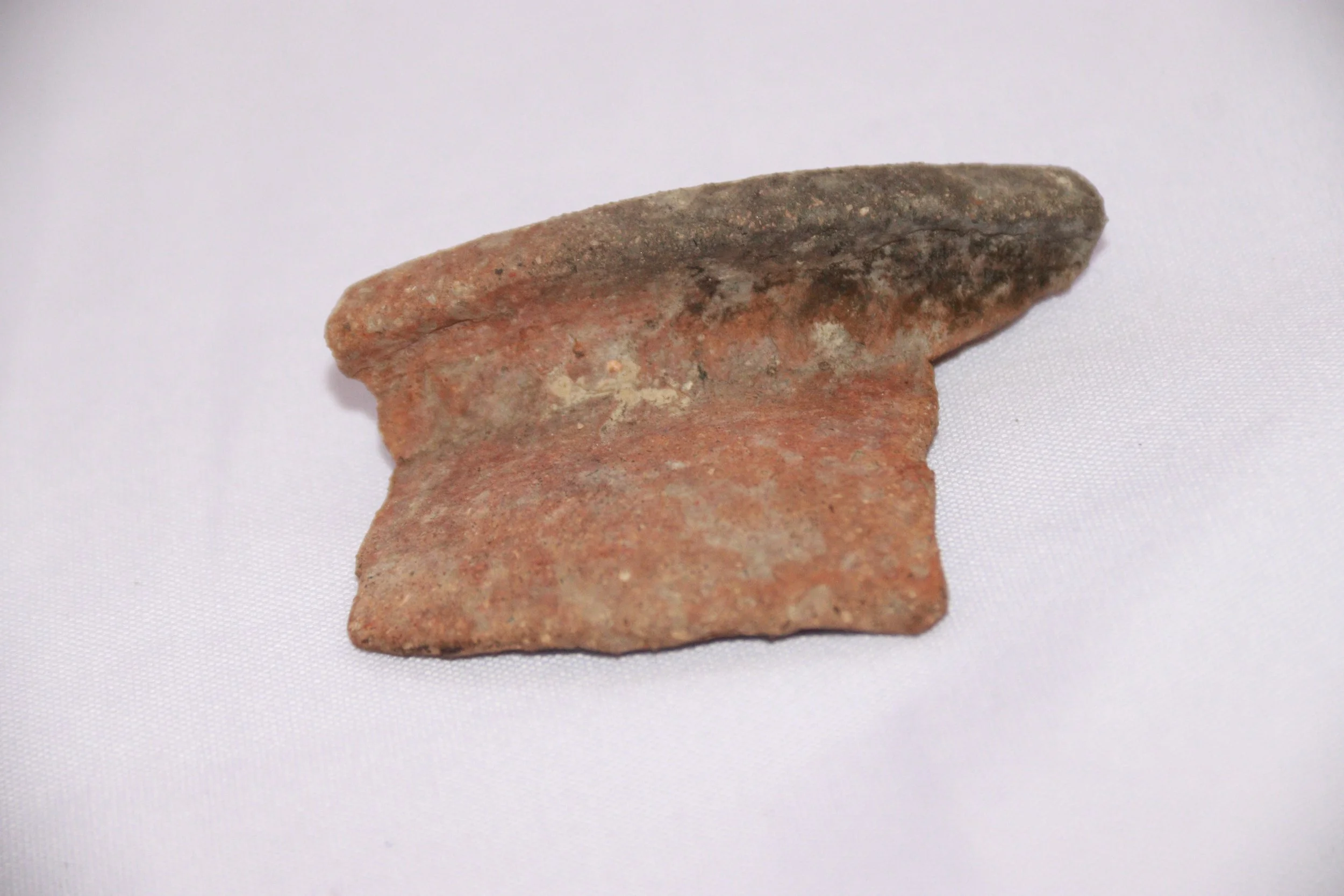
archive number: r-1-001 object reference: Pottery Shards origin: Banda date: - notes: Pottery was one of the most important items in ancient Banda, made from Banda's unique clay, the highest quality in Maluku.
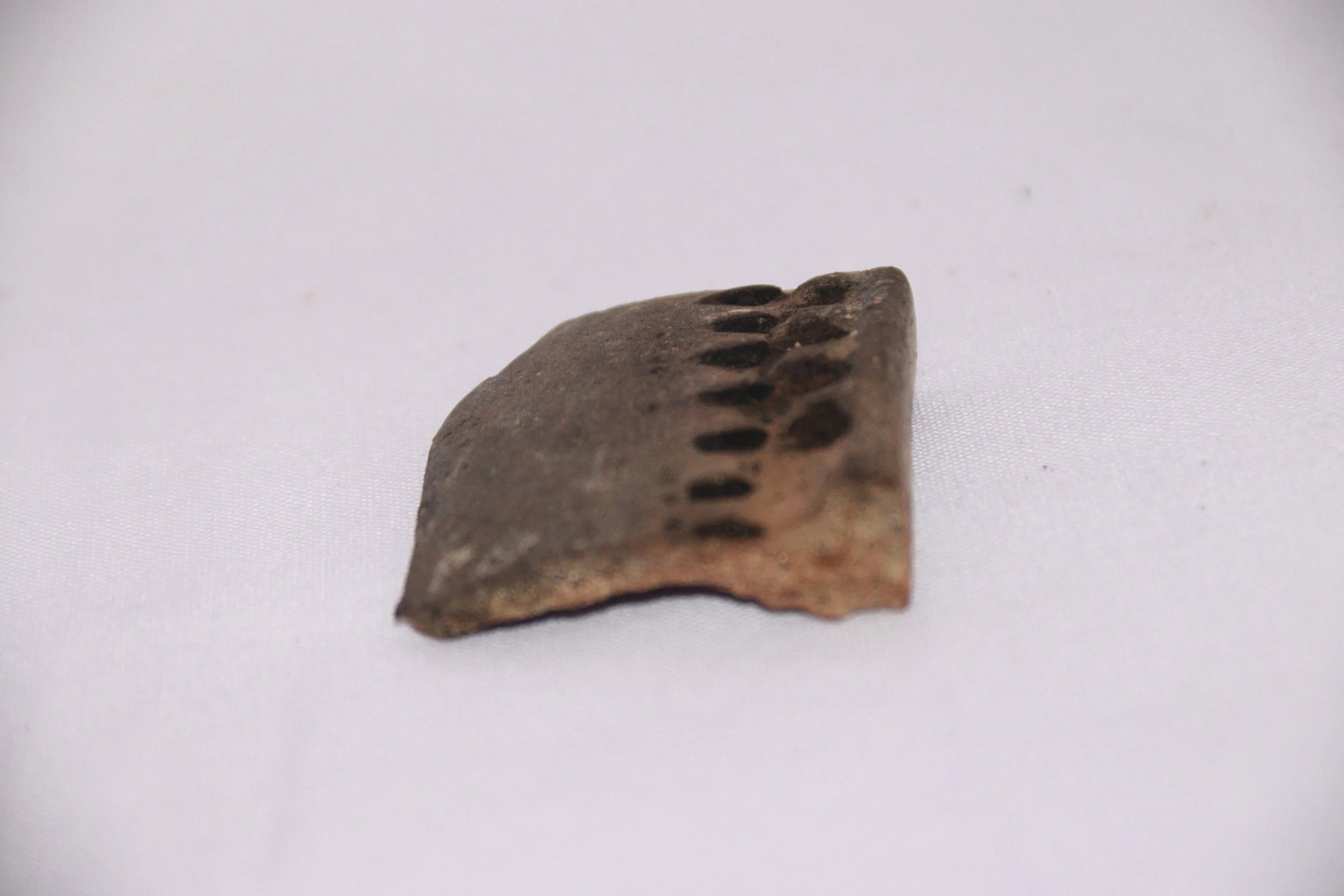
archive number: r-1-002 object reference: Pottery Shards origin: Banda date: - notes: Pottery was one of the most important items in ancient Banda, made from Banda's unique clay, the highest quality in Maluku.
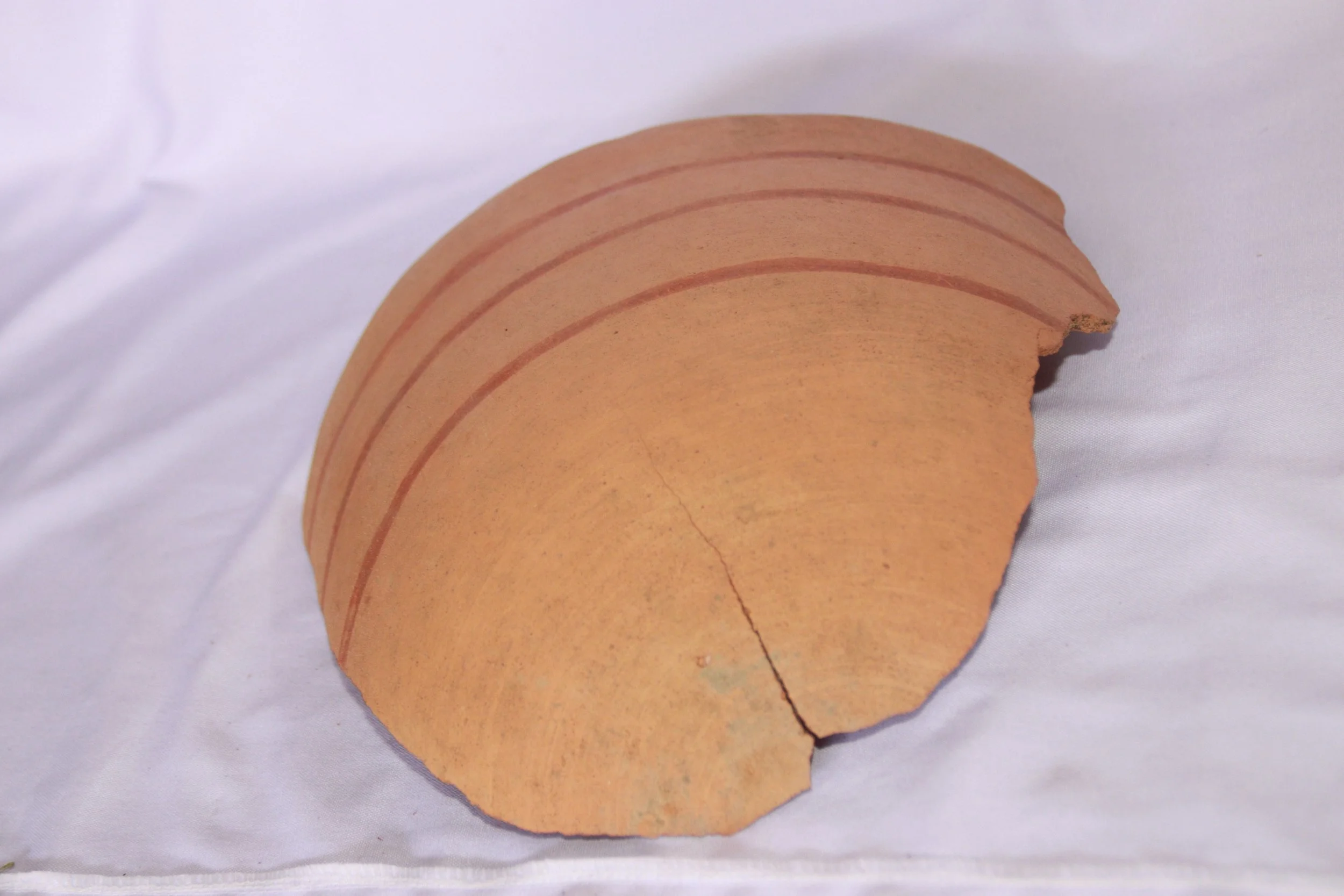
archive number: r-1-003 object reference: Pottery Shards origin: Banda date: - notes: Pottery was one of the most important items in ancient Banda, made from Banda's unique clay, the highest quality in Maluku.
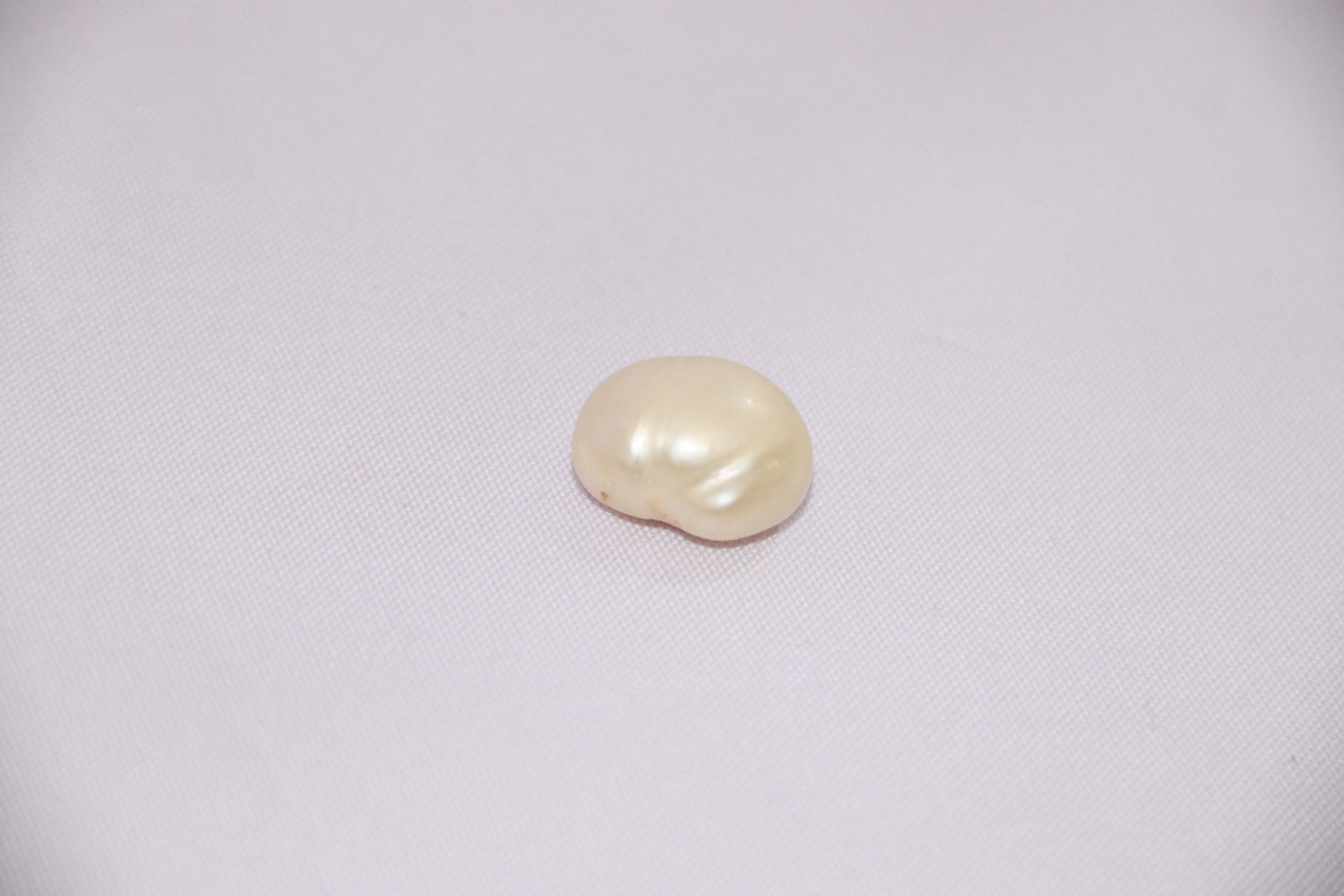
archive number: r-1-004 object reference: Pearl Ornaments origin: Banda date: - notes: Pearls originally from native oysters were often used decoratively, including in the salawaku, Maluku’s traditional handheld shield. The Banda Sea is an ideal habitat for pearl oyster growth.
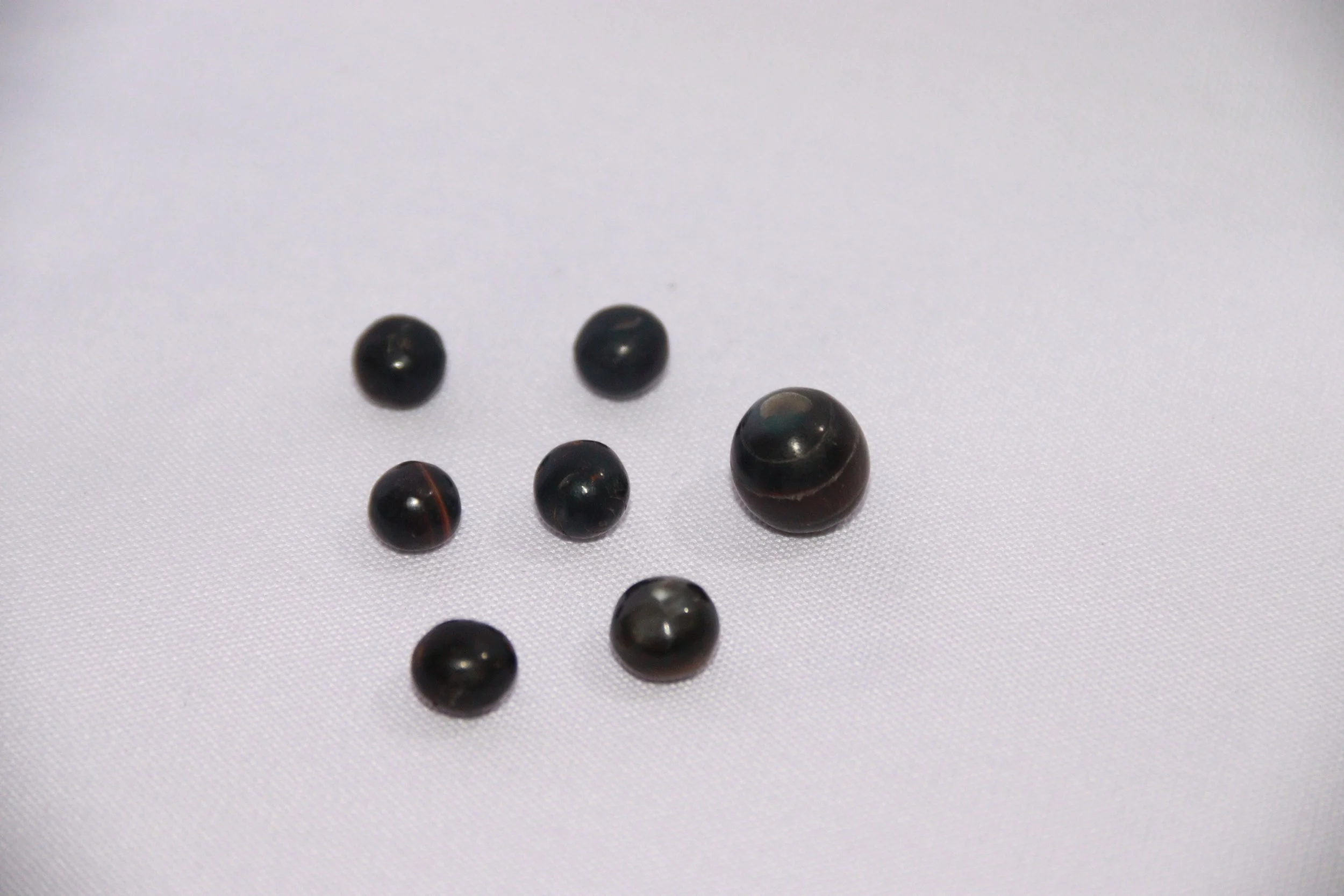
archive number: r-1-005 object reference: Pearl Ornaments origin: Banda date: - notes: Pearls originally from native oysters were often used decoratively, including in the salawaku, Maluku’s traditional handheld shield. The Banda Sea is an ideal habitat for pearl oyster growth.
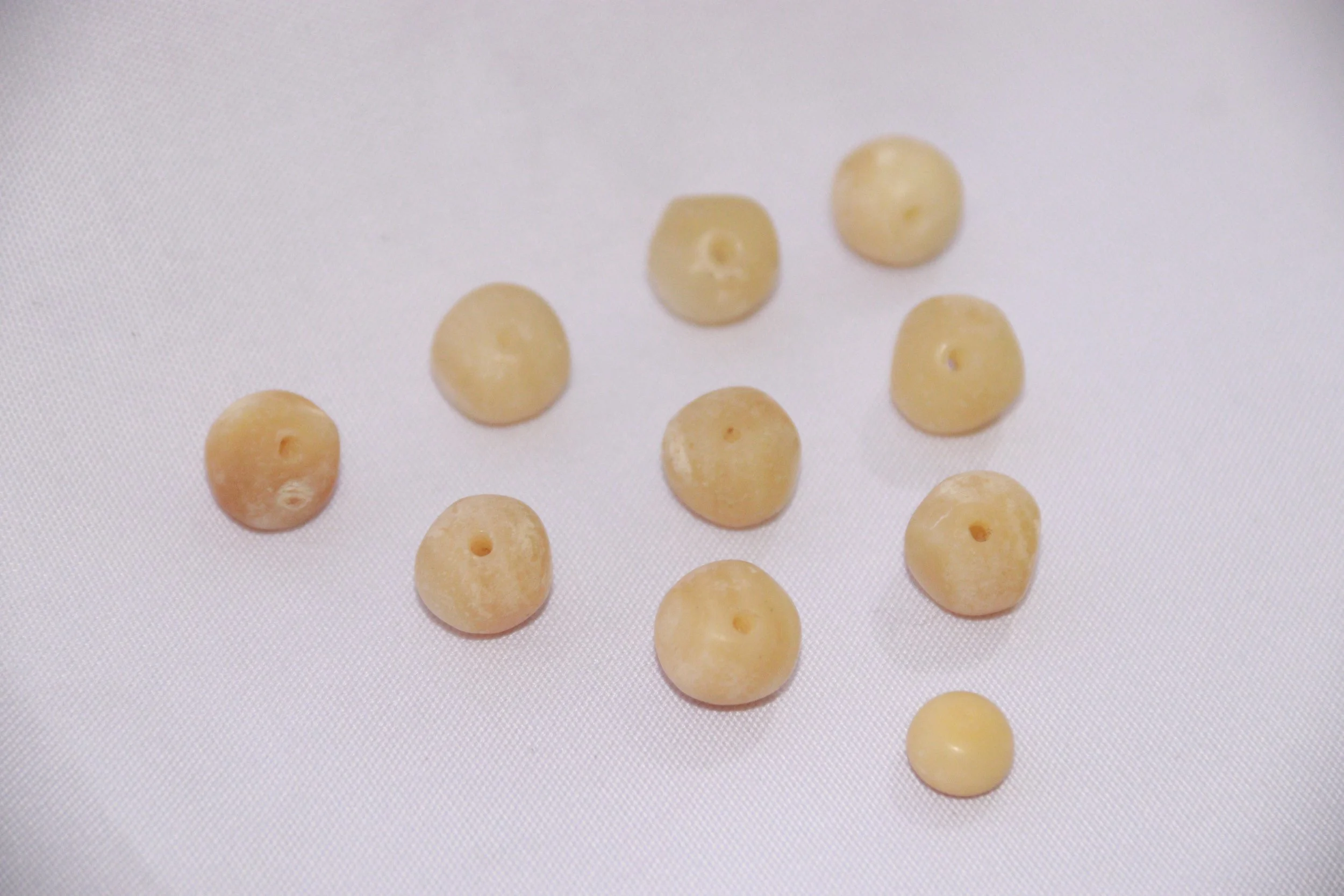
archive number: r-1-006 object reference: Ornaments origin: Banda date: - notes: Ornamental Bandanese decorative beads made from unconfirmed material
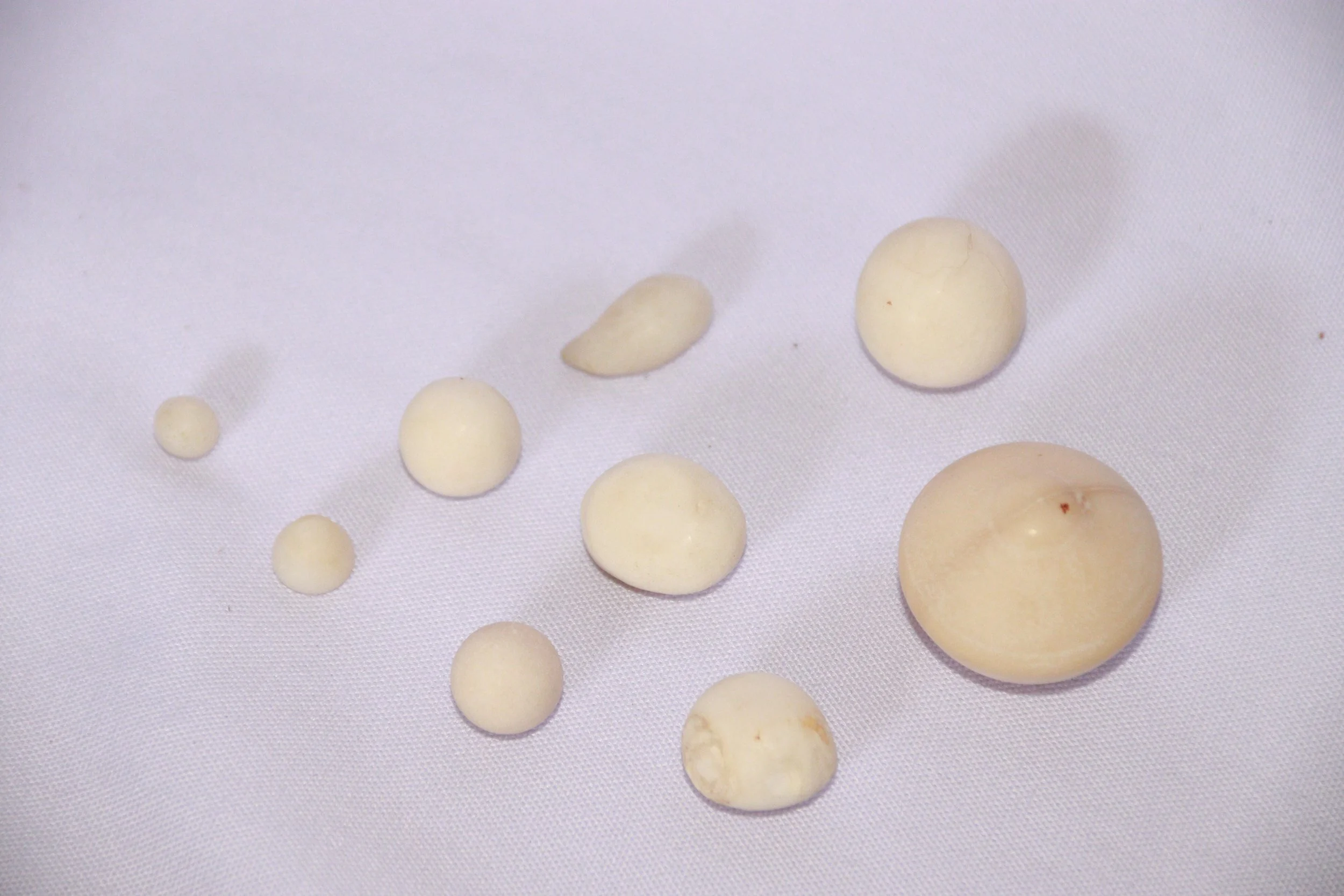
archive number: r-1-007 object reference: Ornaments origin: Banda date: - notes: Ornamental Bandanese decorative beads made from unconfirmed material
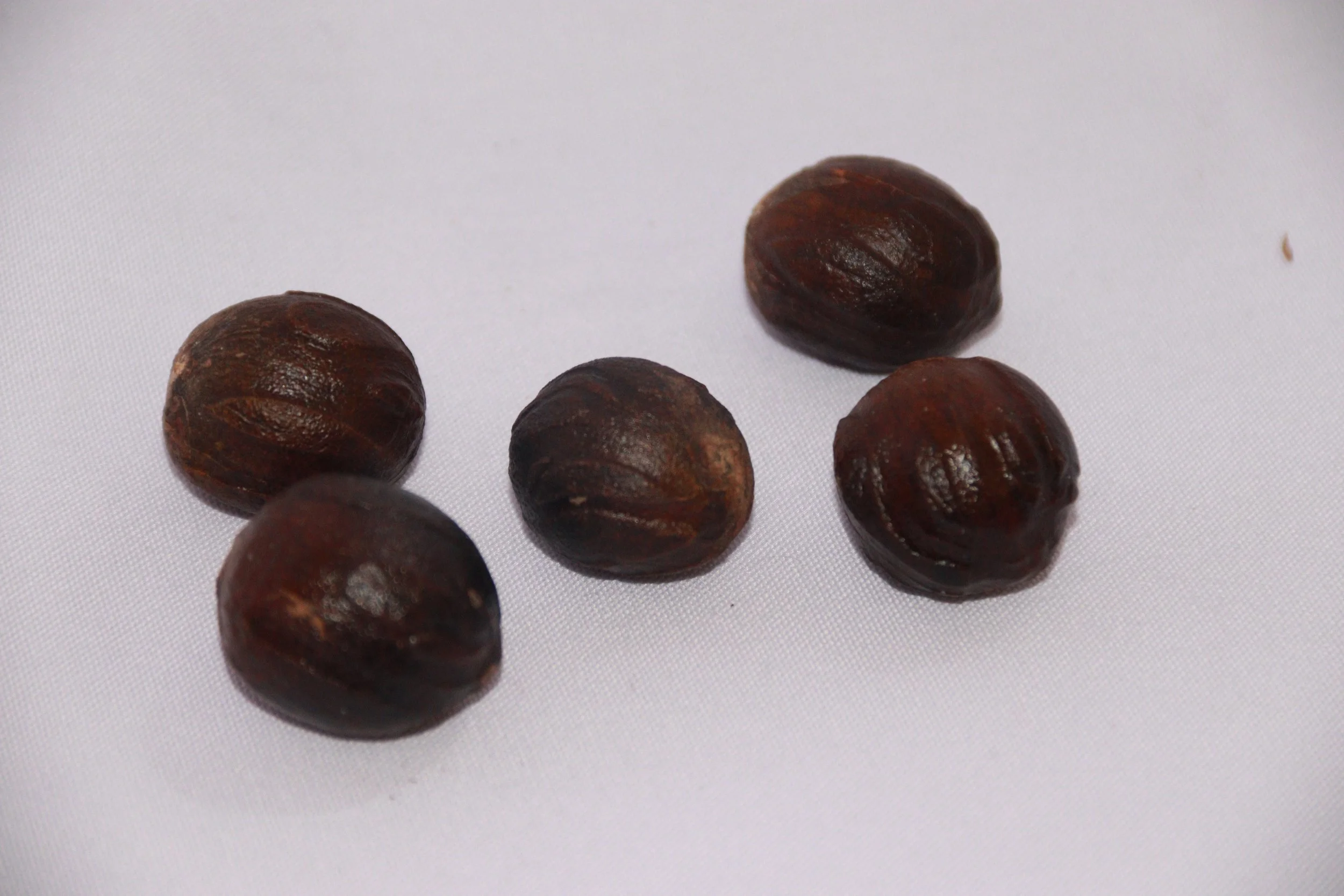
archive number: r-1-008 object reference: Nutmeg seeds (dried) origin: Banda date: - notes: Although the spice trade had yet to reach its peak, Banda’s native nutmeg was already an important commodity in ancient times.
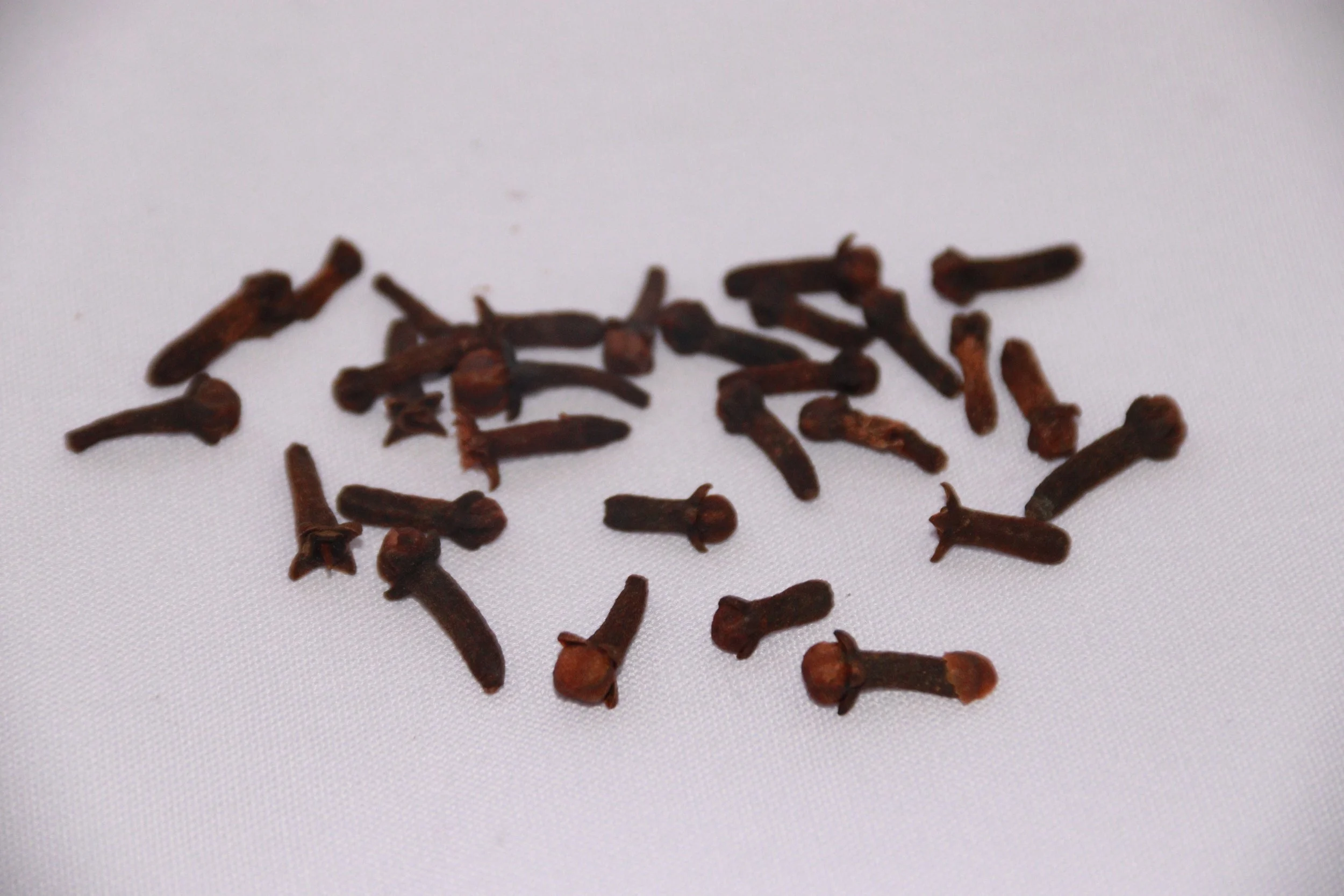
archive number: r-1-009 object reference: Cloves (dried) origin: Banda date: - notes: Cloves are the dried flower buds of the Syzygium aromaticum tree, native to the Maluku Islands, Indonesia. Cloves have been used for thousands of years as a spice, traditional medicine, and natural preservative.
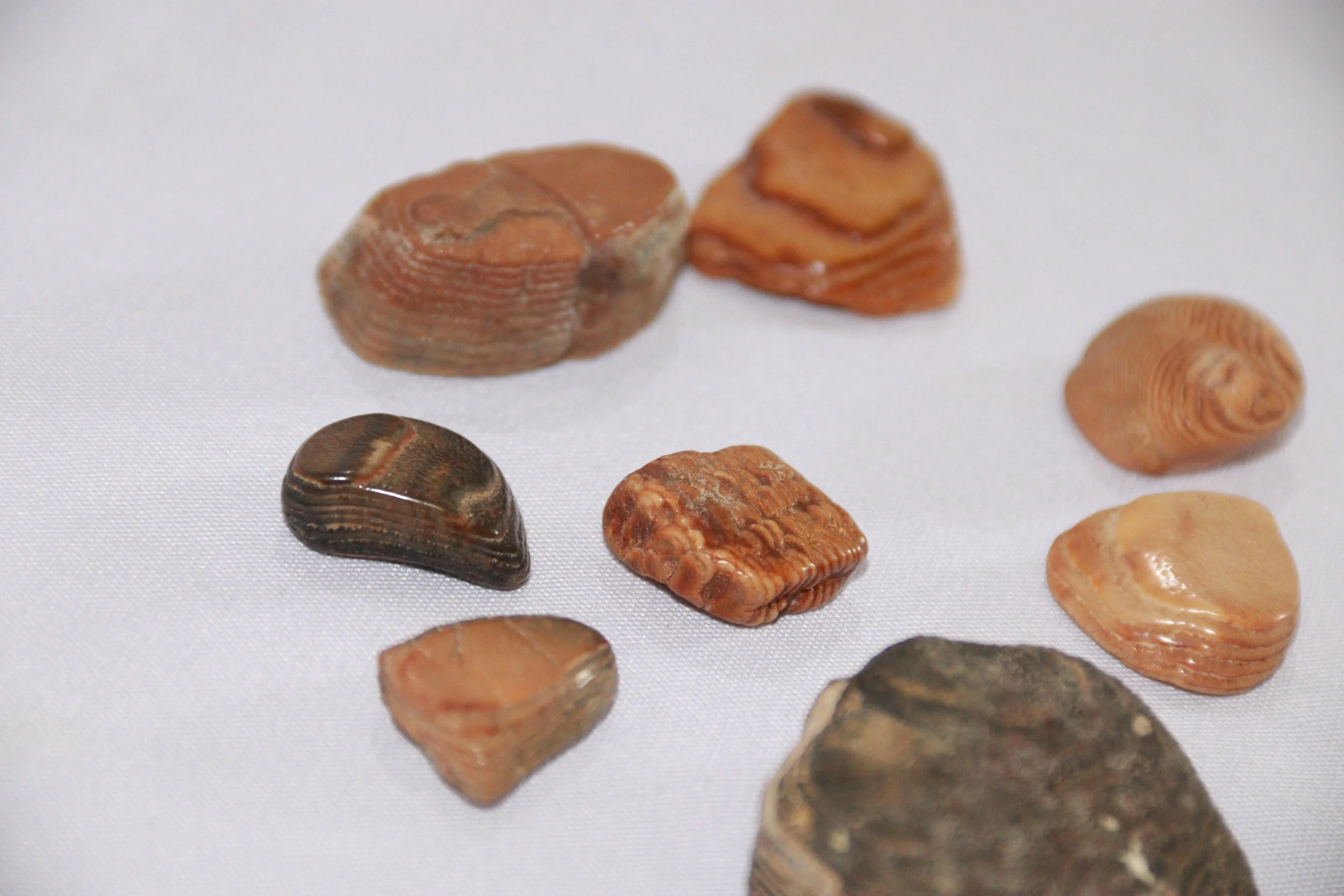
archive number: r-1-010 object reference: Fish fossils (assumed) origin: Banda date: - notes: Fossils found in the Banda Islands from an unconfirmed marine species (assumed)
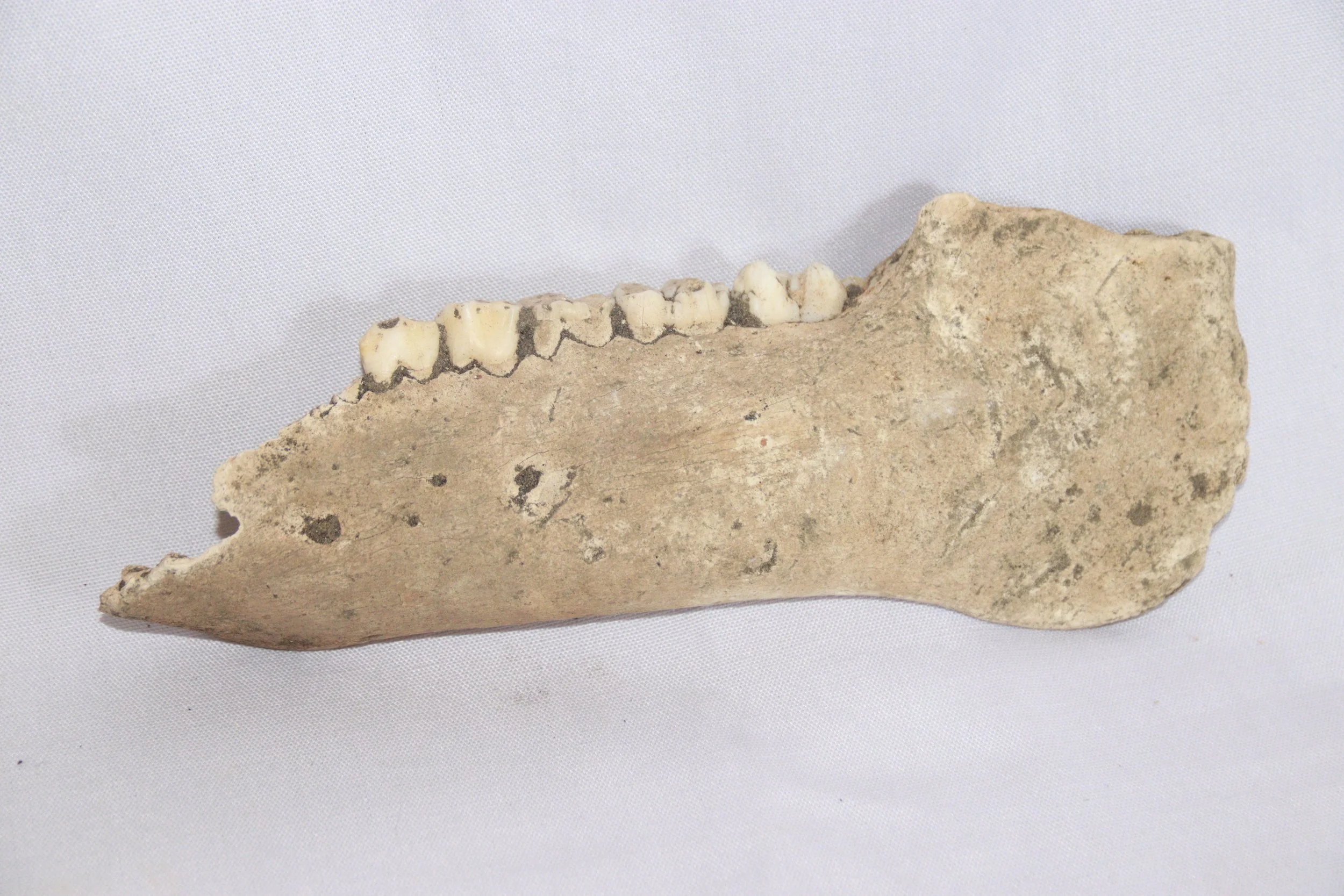
archive number: r-1-011 object reference: Pig Jaw Bones origin: Banda date: - notes: One indicator of changing eras across Indonesia is the different composition of bones often found around settlement sites. After the arrival of Islam, most people stopped eating pork, resulting in the replacement of pig bones with other animals, such as goats. This cave painting, from South Sulawesi, reflects the importance of pigs in that ancient era.
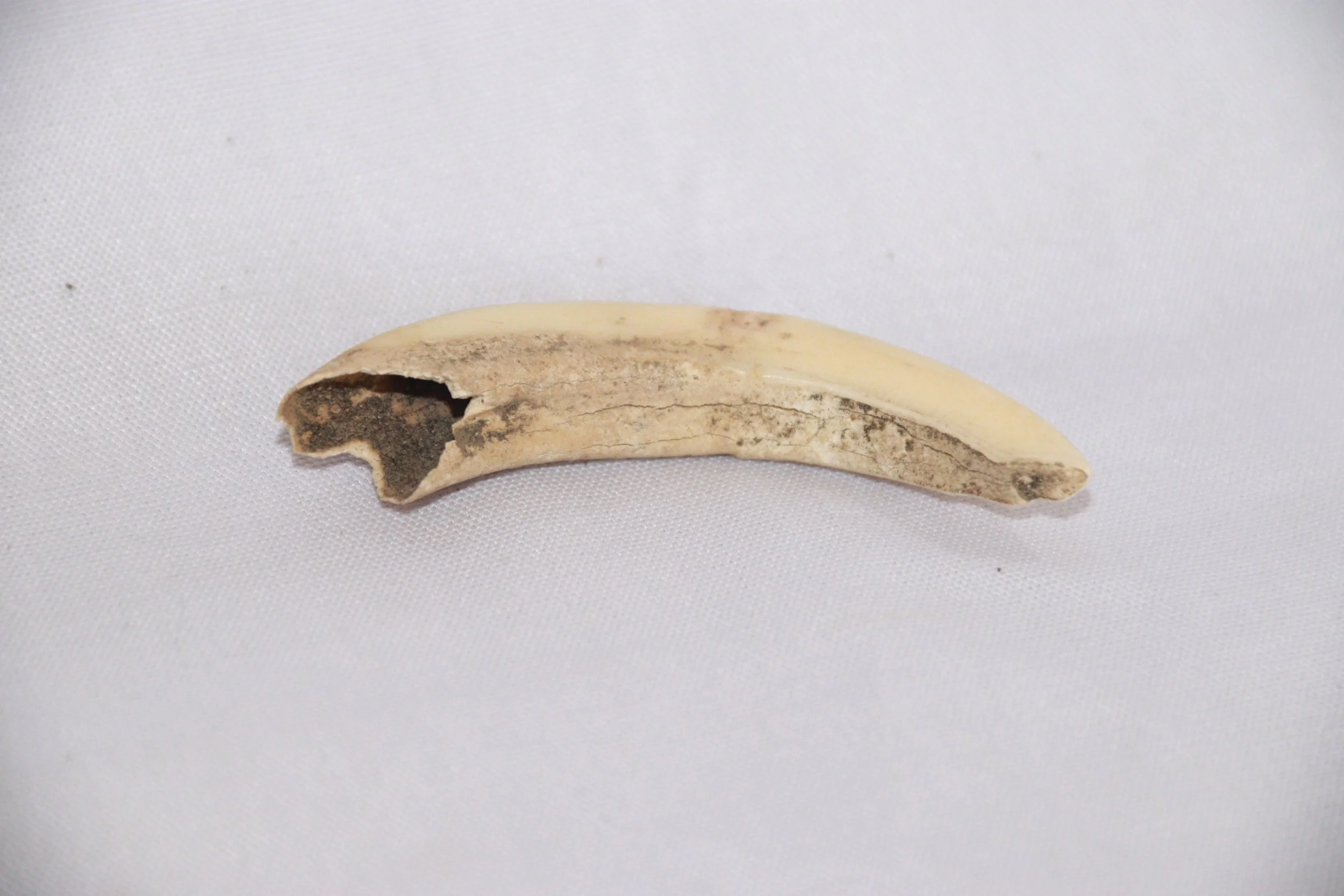
archive number: r-1-012 object reference: Pig Tusk origin: Banda date: - notes: One indicator of changing eras across Indonesia is the different composition of bones often found around settlement sites. After the arrival of Islam, most people stopped eating pork, resulting in the replacement of pig bones with other animals, such as goats. This cave painting, from South Sulawesi, reflects the importance of pigs in that ancient era.
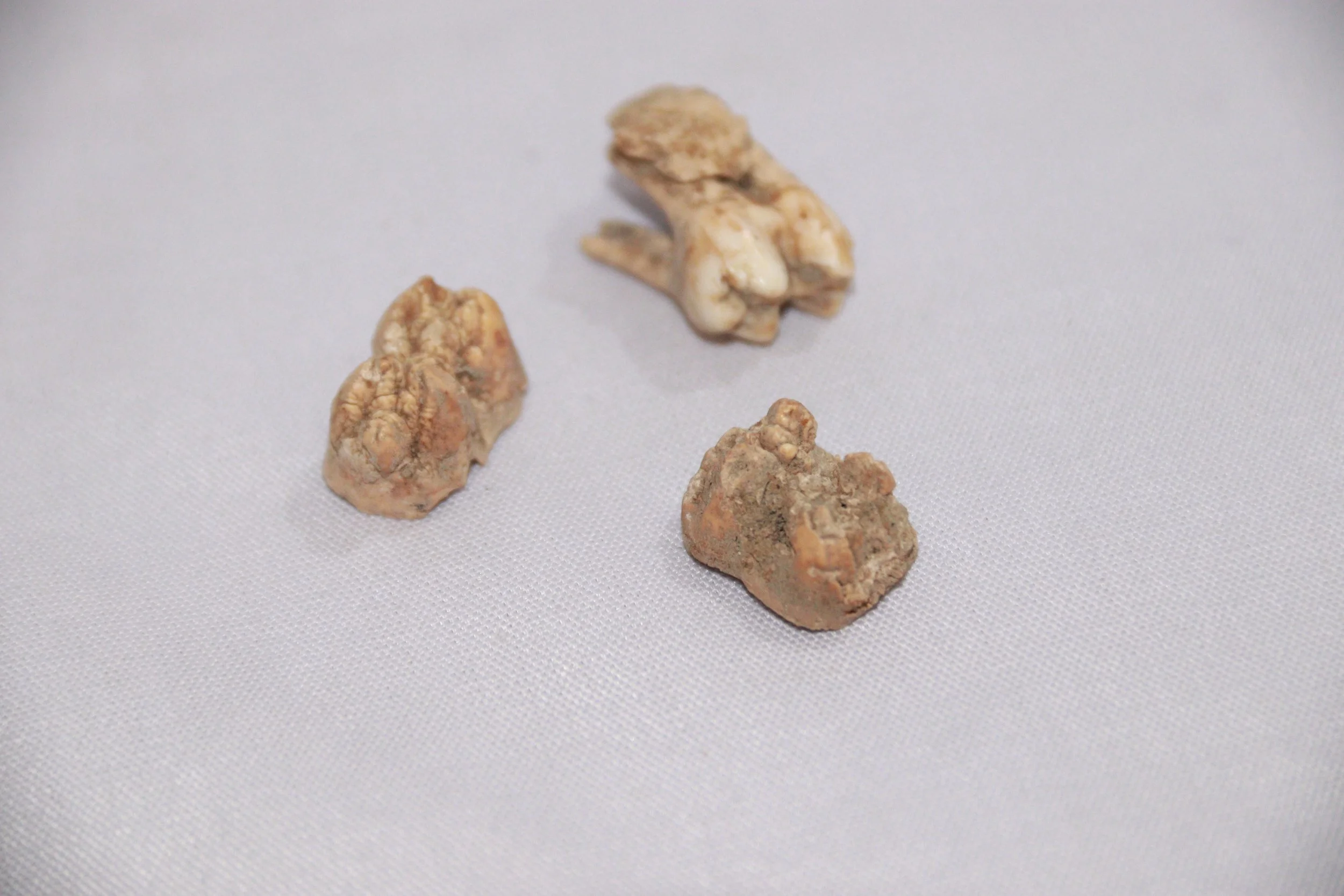
archive number: r-1-013 object reference: Pig Teeth origin: Banda date: - notes: One indicator of changing eras across Indonesia is the different composition of bones often found around settlement sites. After the arrival of Islam, most people stopped eating pork, resulting in the replacement of pig bones with other animals, such as goats. This cave painting, from South Sulawesi, reflects the importance of pigs in that ancient era.
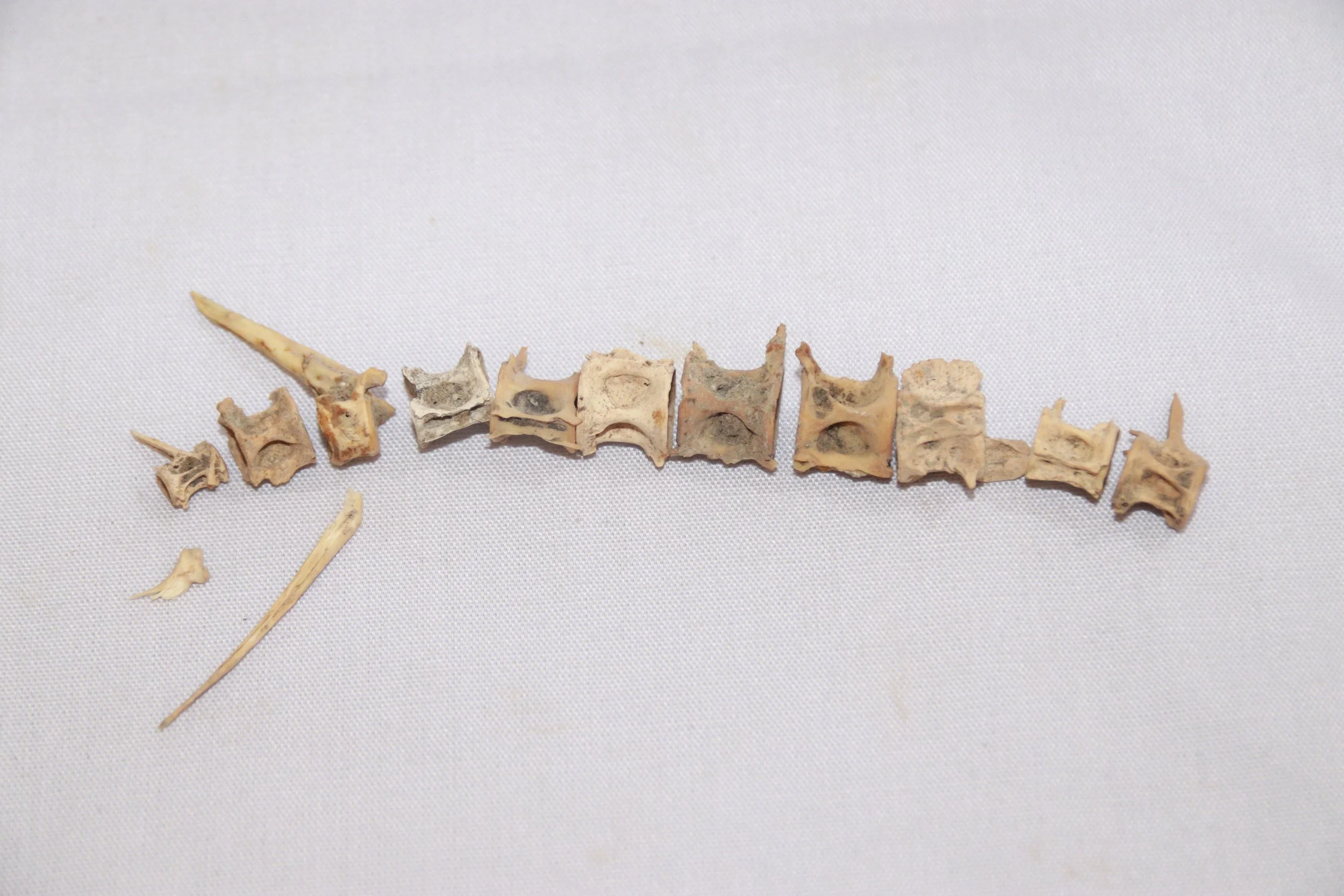
archive number: r-1-014 object reference: Fish Bones origin: Banda date: - notes: Ancient Bandanese consumed a variety of agricultural and marine products
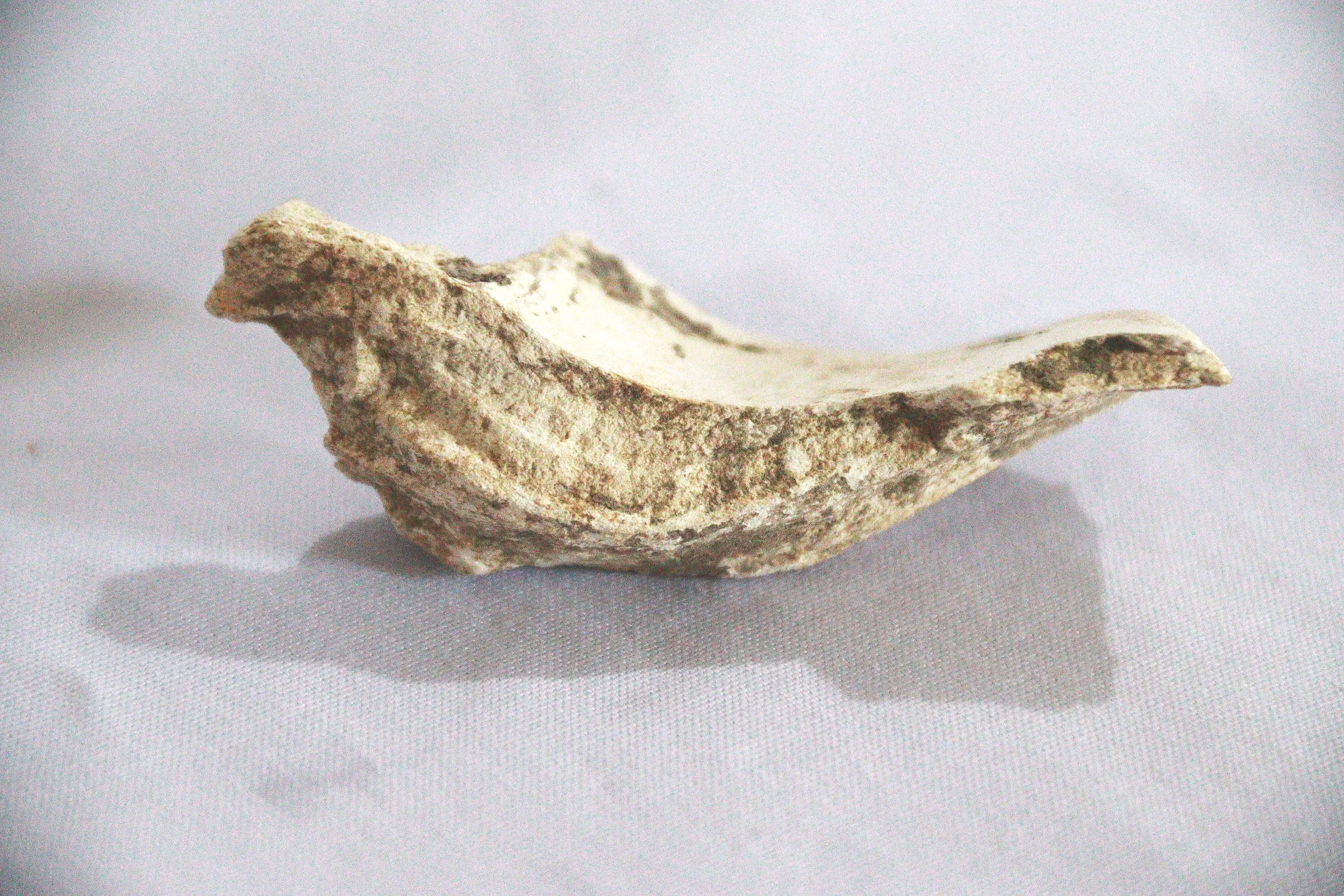
archive number: r-1-015 object reference: Fish Bones origin: Banda date: - notes: Ancient Bandanese consumed a variety of agricultural and marine products
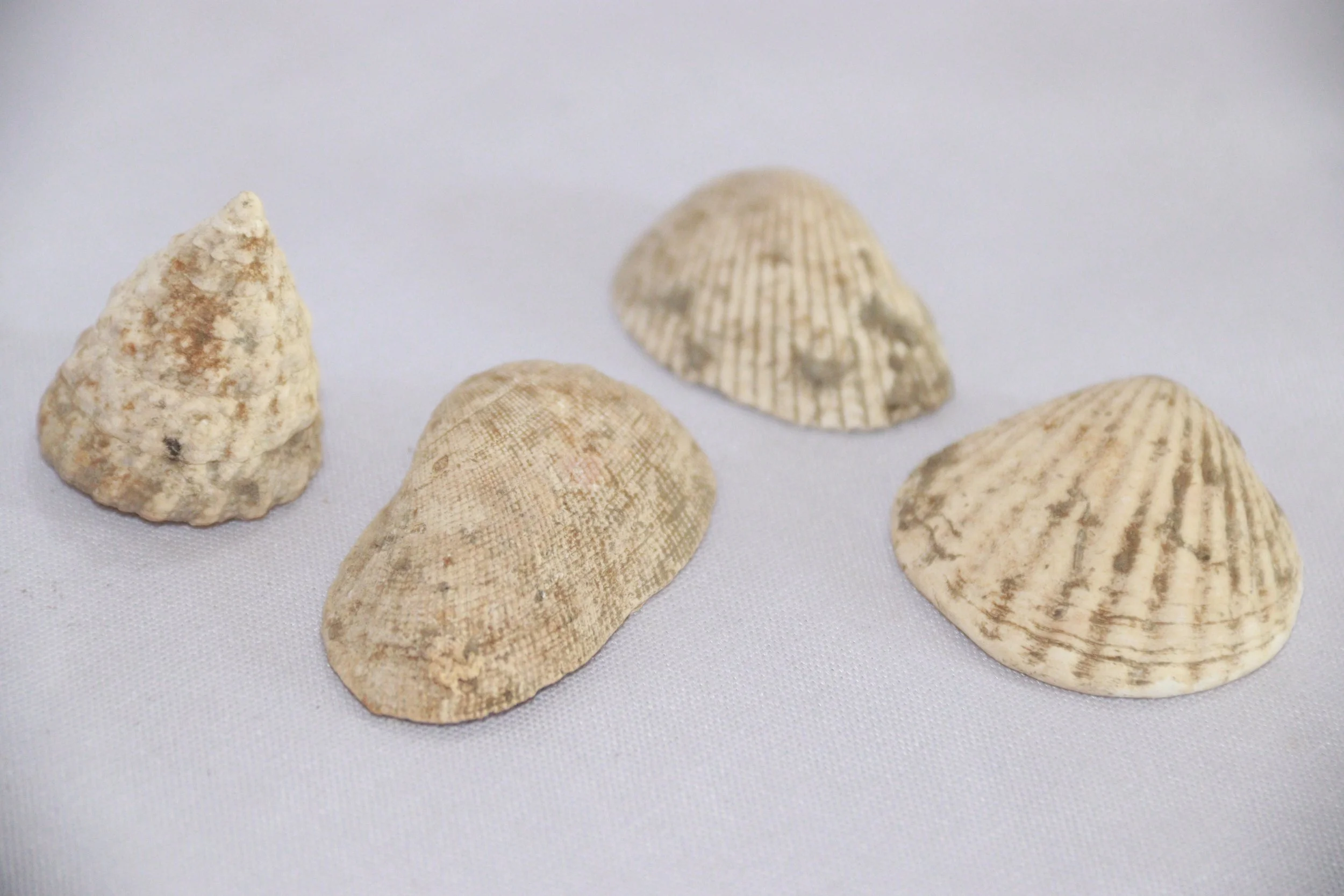
archive number: r-1-016 object reference: Marine Mollusc Shells origin: Banda date: - notes: Ancient Bandanese consumed a variety of agricultural and marine products
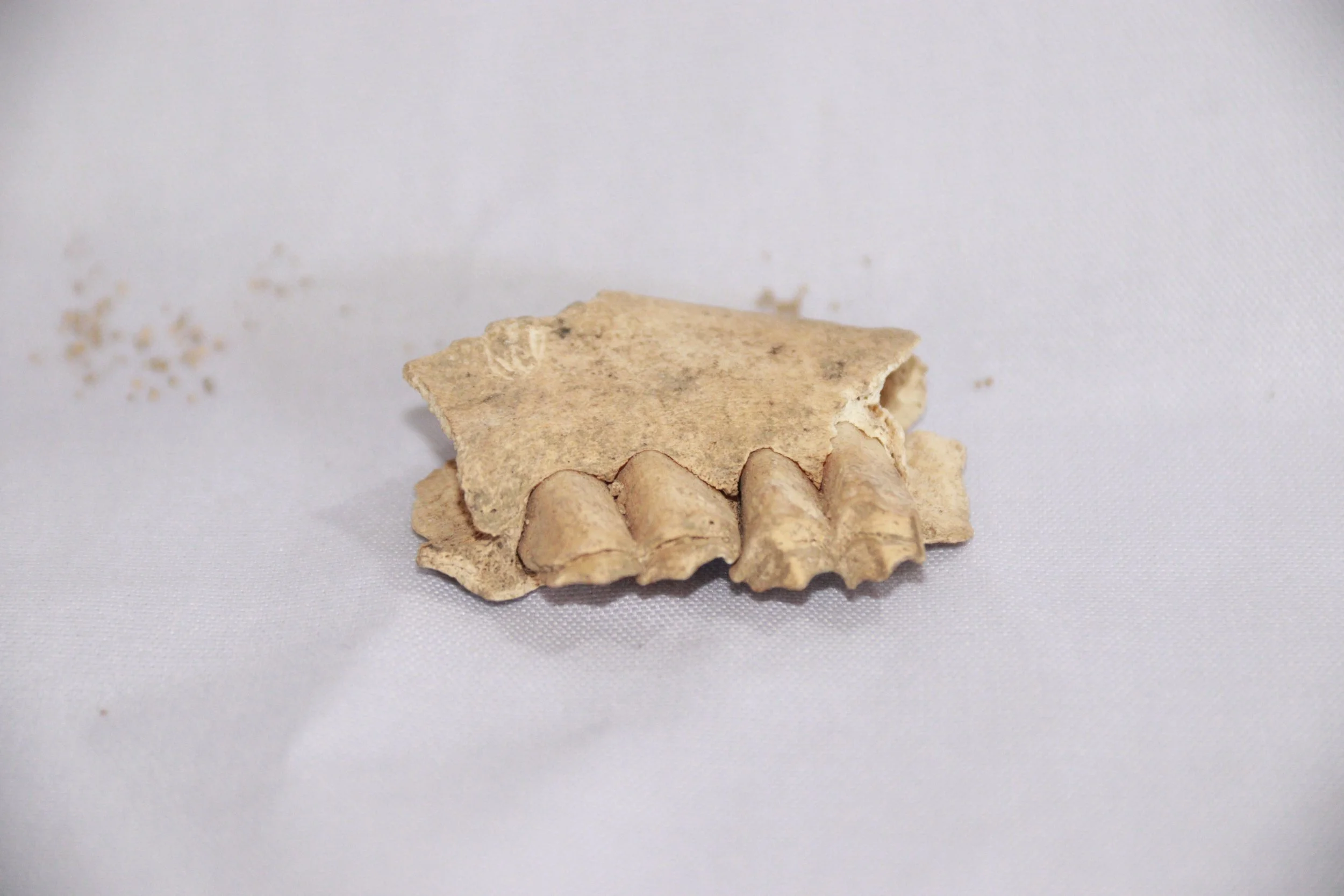
archive number: r-1-017 object reference: Goat (possible sheep) teeth origin: Banda date: - notes: Ancient Bandanese consumed a variety of agricultural and marine products
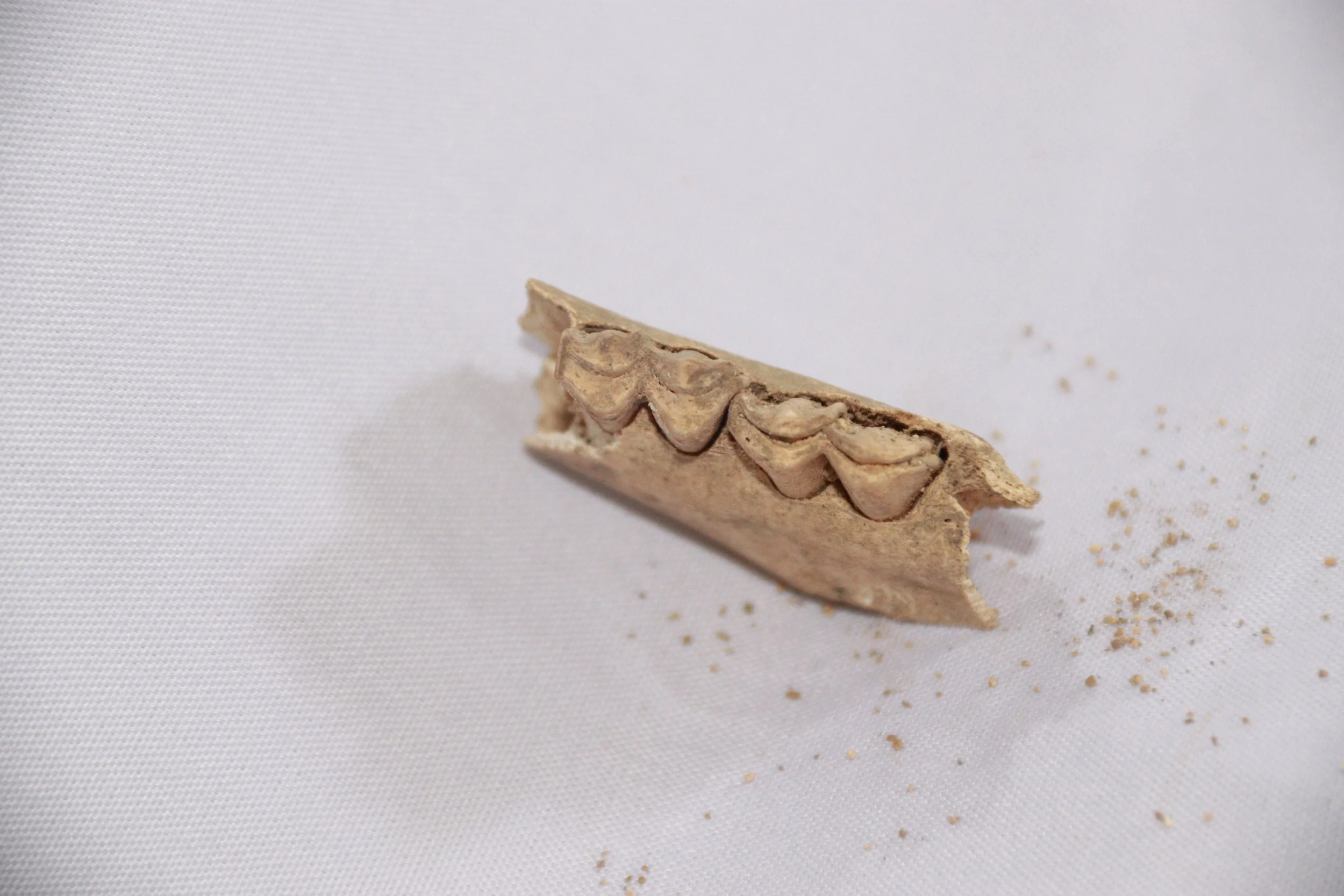
archive number: r-1-017 object reference: Goat (possible sheep) teeth origin: Banda date: - notes: Ancient Bandanese consumed a variety of agricultural and marine products
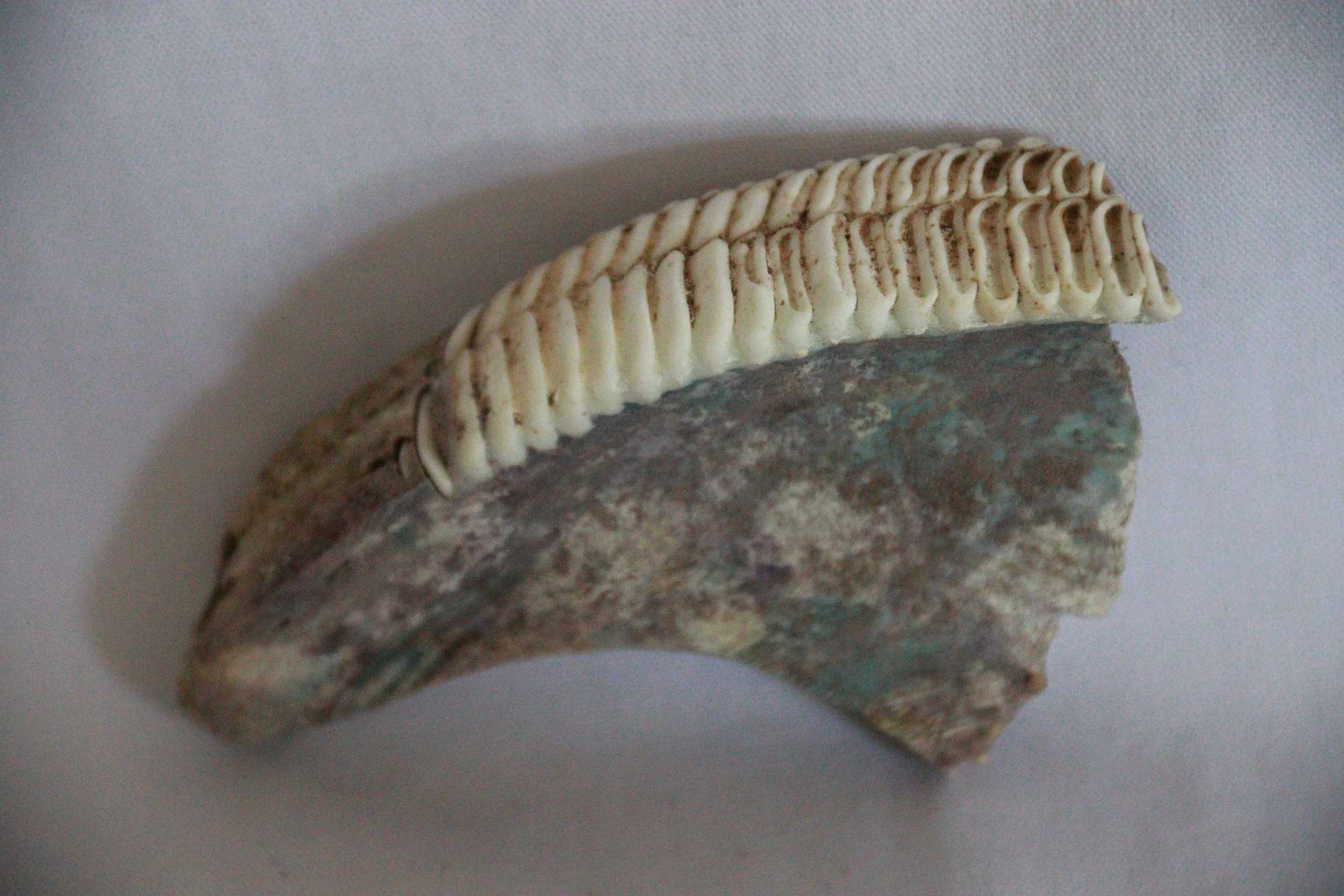
archive number: r-1-017 object reference: Fish teeth (Diploda, assumed) origin: Banda date: - notes: Ancient Bandanese consumed a variety of agricultural and marine products
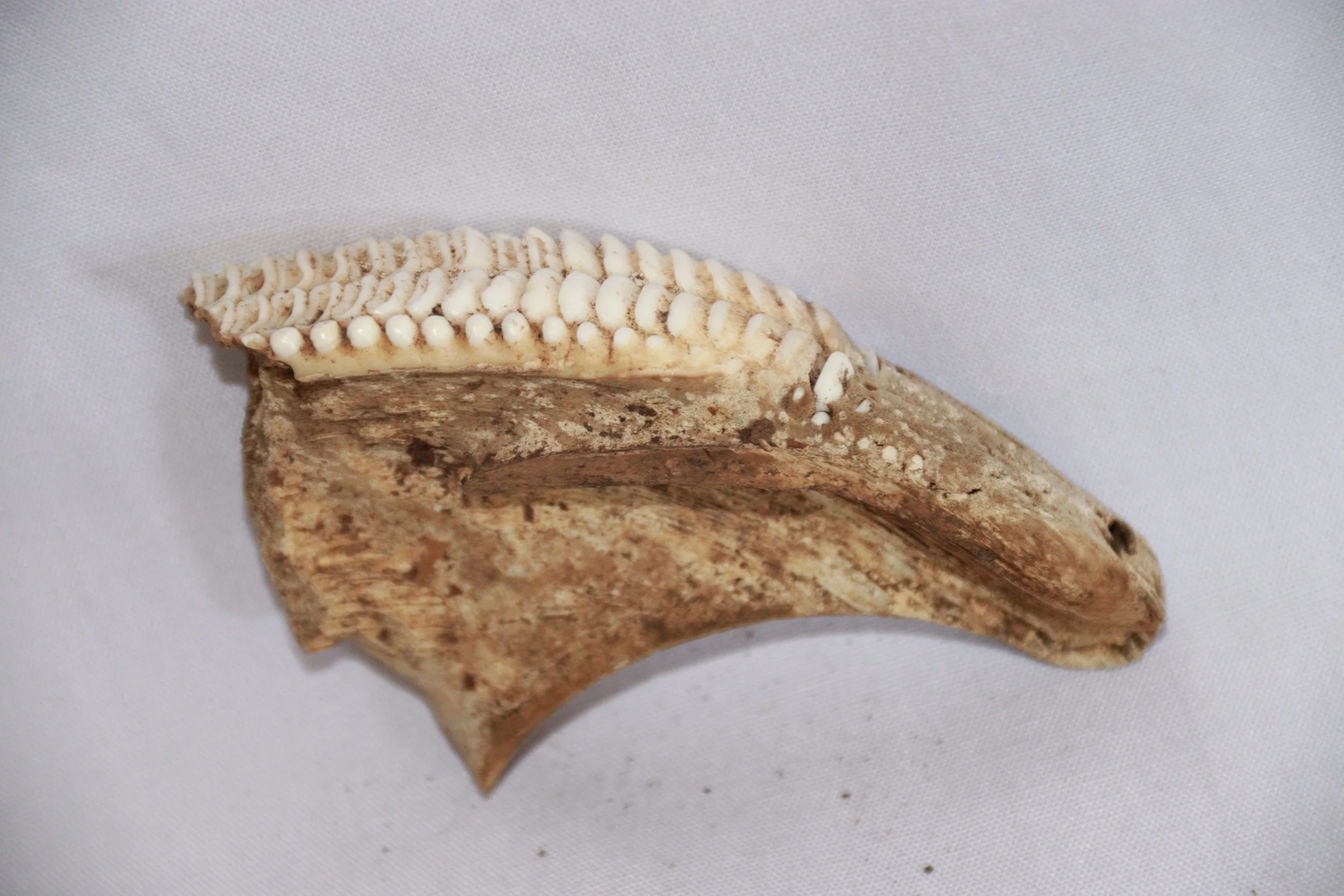
archive number: r-1-017 object reference: Fish teeth (Diploda, assumed) origin: Banda date: - notes: Ancient Bandanese consumed a variety of agricultural and marine products
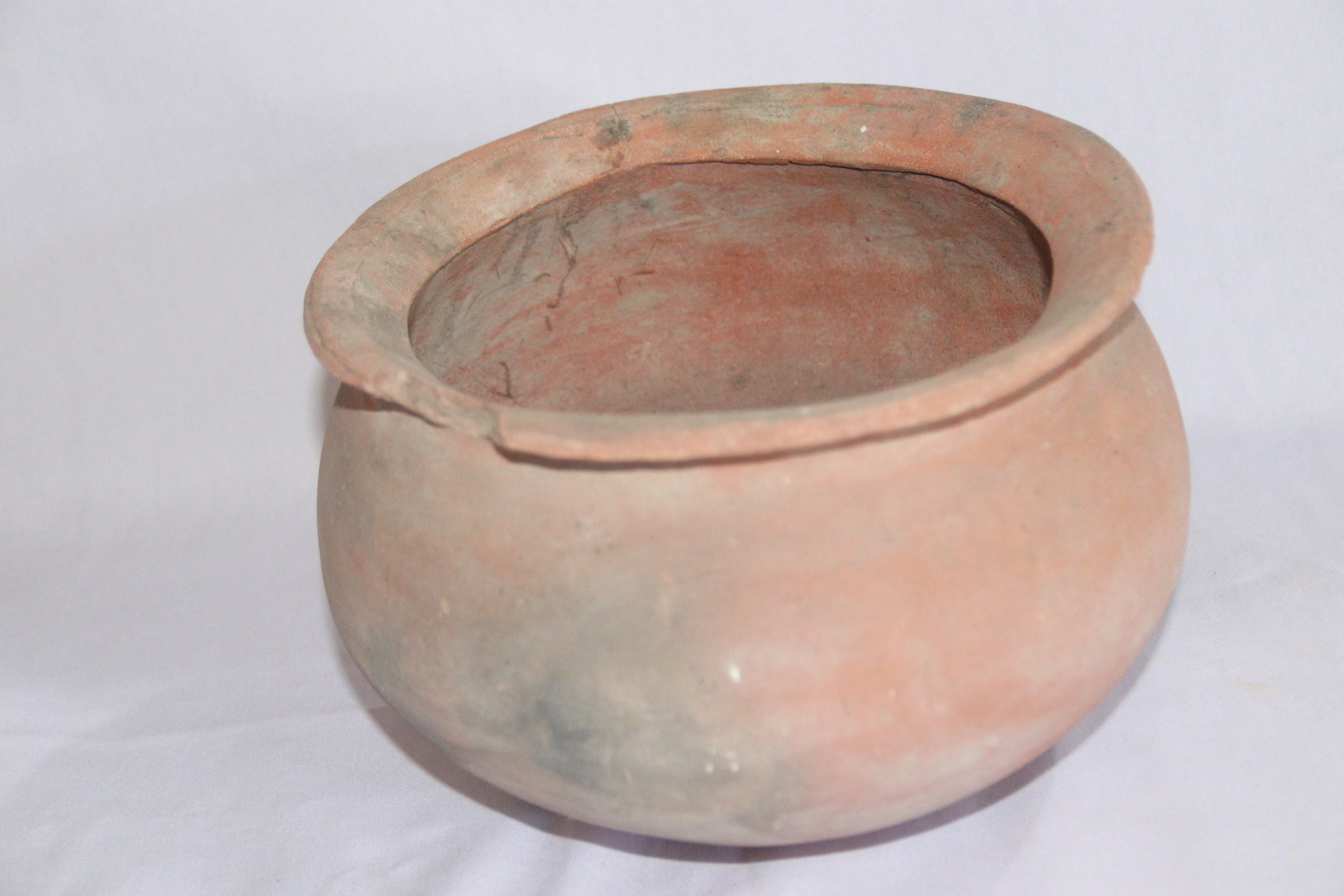
archive number: r-1-018 object reference: Banda Ely Pottery origin: Banda Ely (Kei Islands) date: - notes: This pottery, crafted in Banda Ely, one of the villages where the original Bandanese people fled from the Dutch conquest, represents the Bandanese pottery style, considered the highest quality in Maluku at the time.
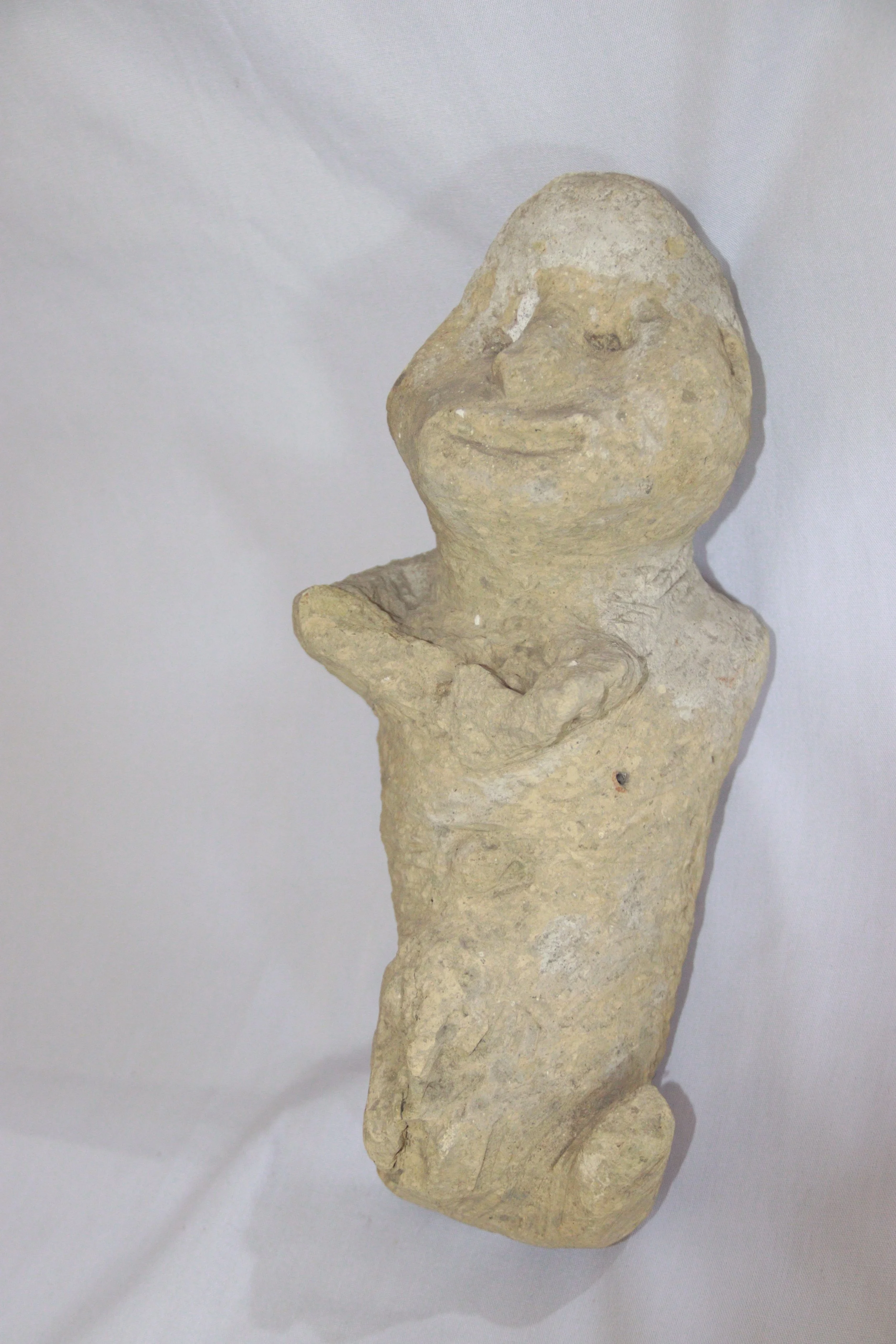
archive number: r-1-019 object reference: Megalithic Sculptures (assumed) origin: Banda date: - notes: These statues are made of limestone, andesite, and other local rocks, made using simple tools. Because there is no definitive data on these statues, their historical identification cannot yet be considered comprehensive.
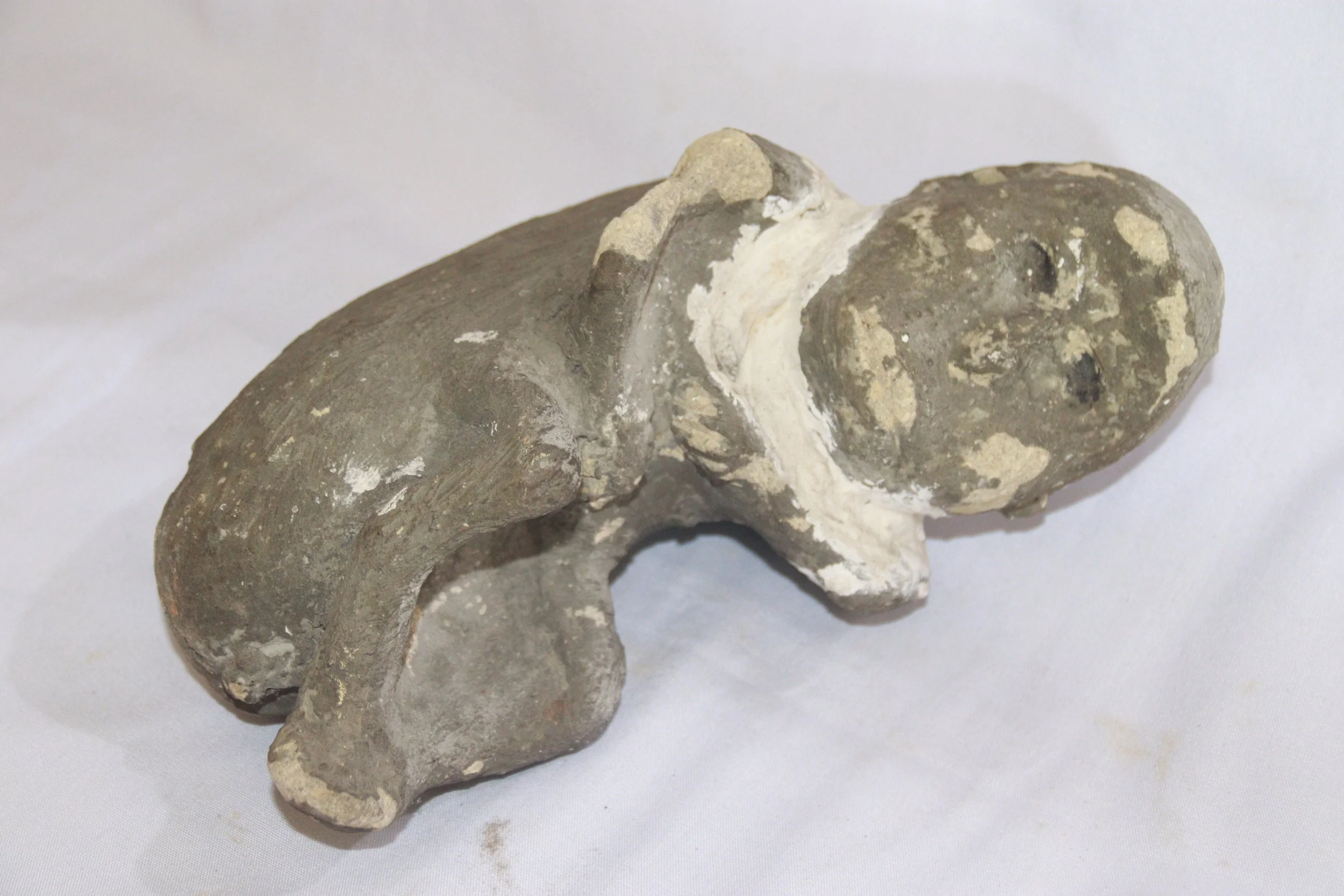
archive number: r-1-020 object reference: Megalithic Sculptures (assumed) origin: Banda date: - notes: These statues are made of limestone, andesite, and other local rocks, made using simple tools. Because there is no definitive data on these statues, their historical identification cannot yet be considered comprehensive.
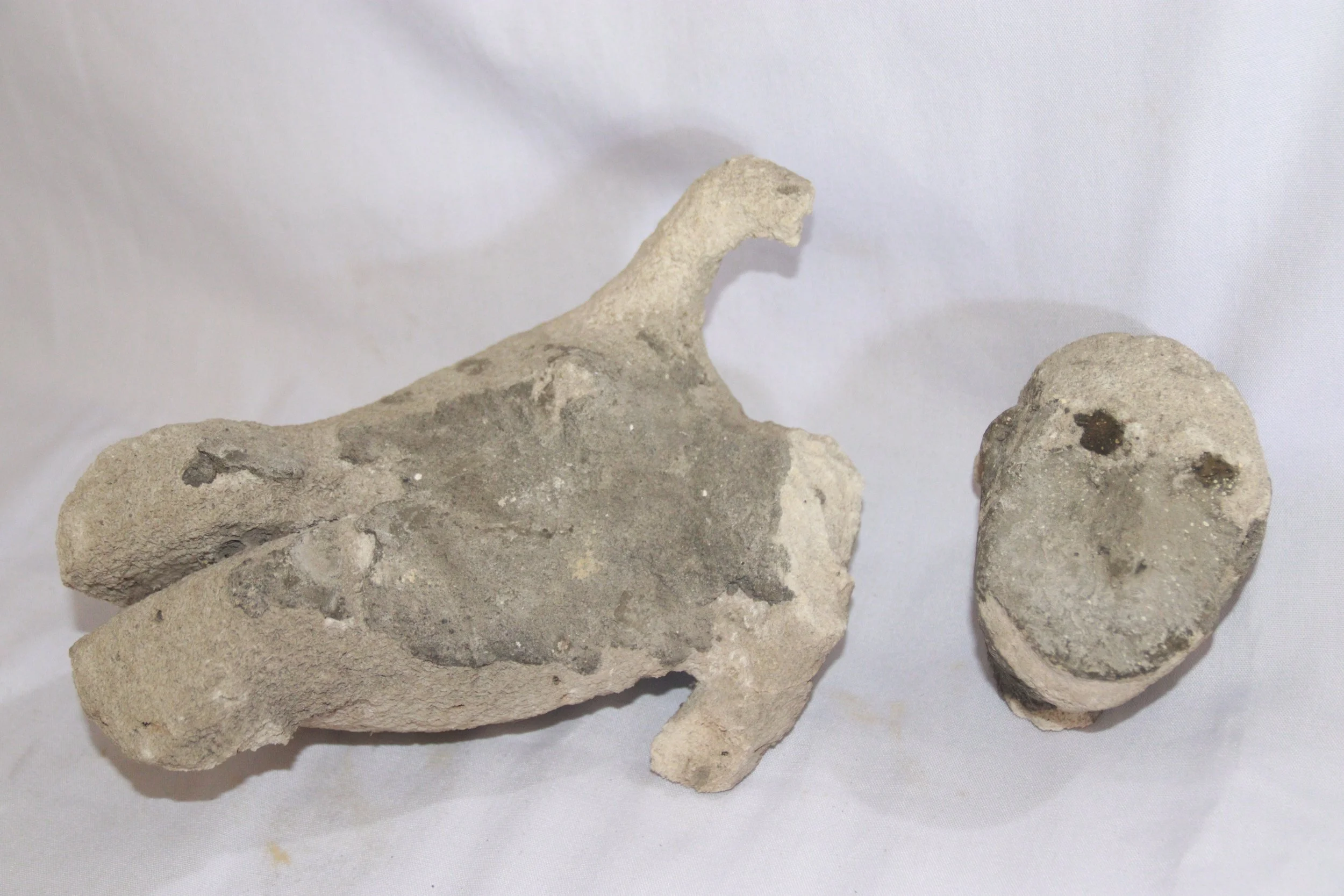
archive number: r-1-0121 object reference: object reference: Megalithic Sculptures (assumed) origin: Banda date: - notes: These statues are made of limestone, andesite, and other local rocks, made using simple tools. Because there is no definitive data on these statues, their historical identification cannot yet be considered comprehensive.
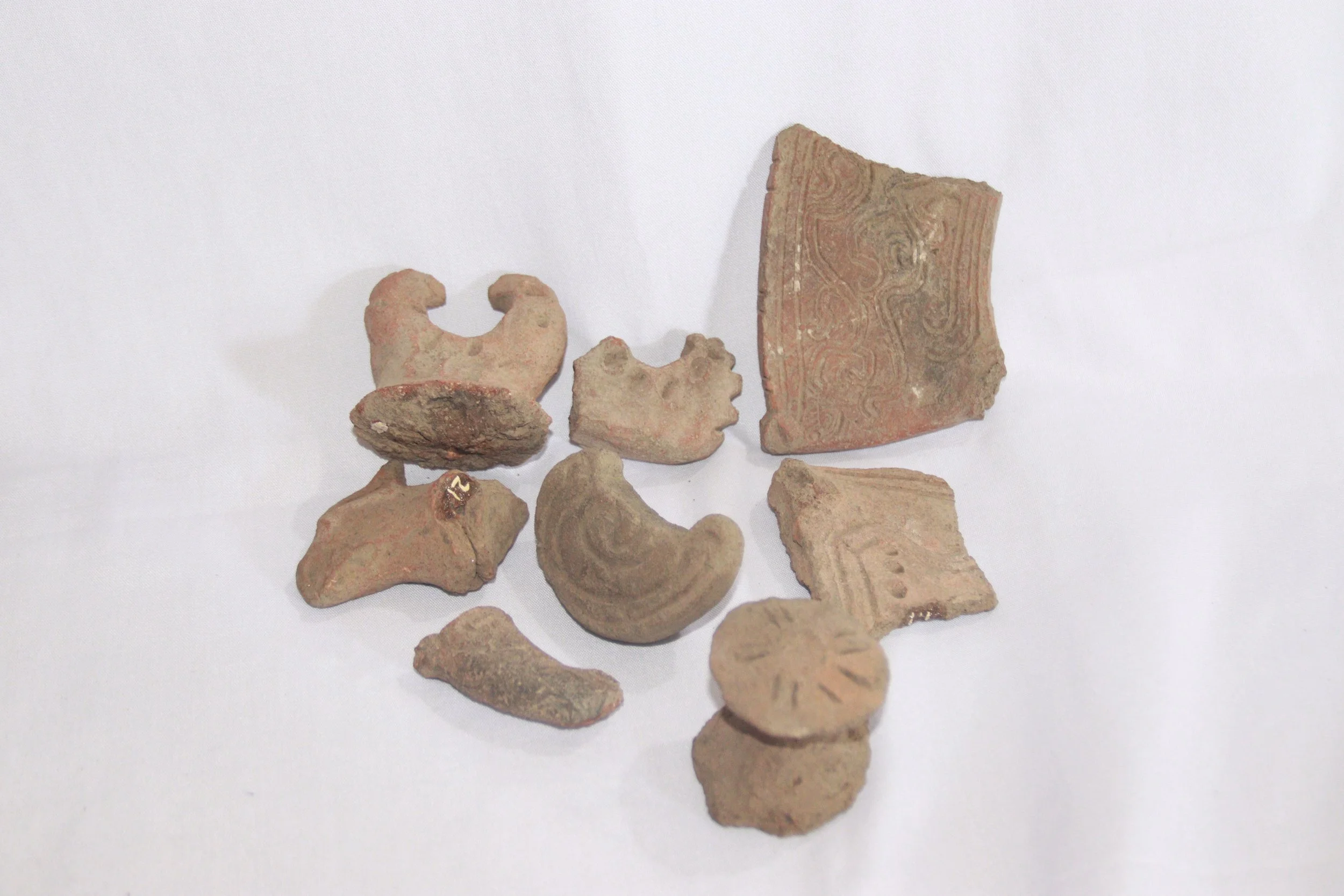
archive number: r-1-022 object reference: Pottery fragments origin: Banda date: - notes: Many of these pottery pieces are shaped like bird heads and ears, usually used as handles on clay vessels. On the pottery fragments we can see decorative patterns, such as flowers and water patterns, indicating that the artisanship in ancient Banda Naira was inspired by natural patterns in the surrounding environment.
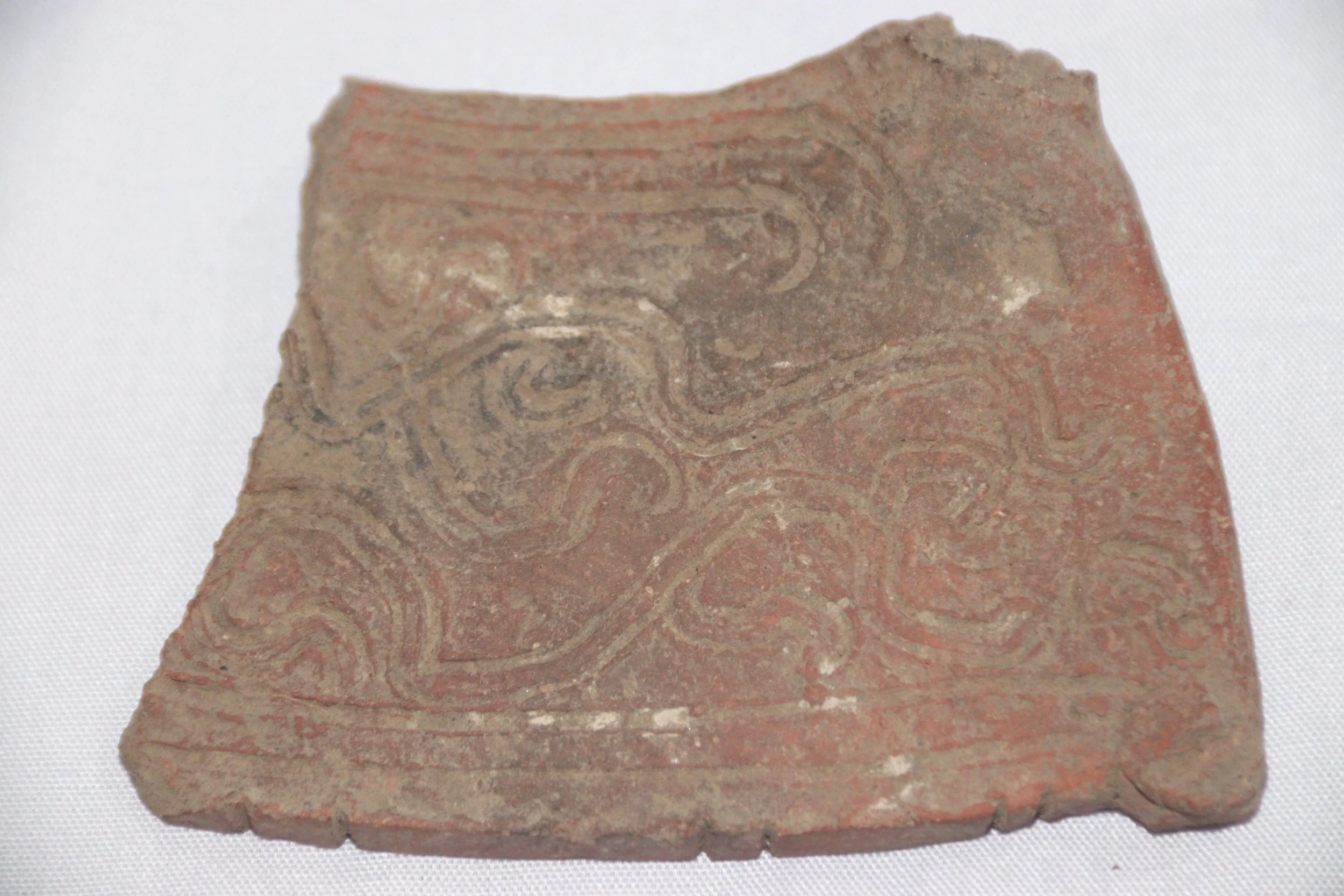
archive number: r-1-022a object reference: Pottery fragments origin: Banda date: - notes: Many of these pottery pieces are shaped like bird heads and ears, usually used as handles on clay vessels. On the pottery fragments we can see decorative patterns, such as flowers and water patterns, indicating that the artisanship in ancient Banda Naira was inspired by natural patterns in the surrounding environment.
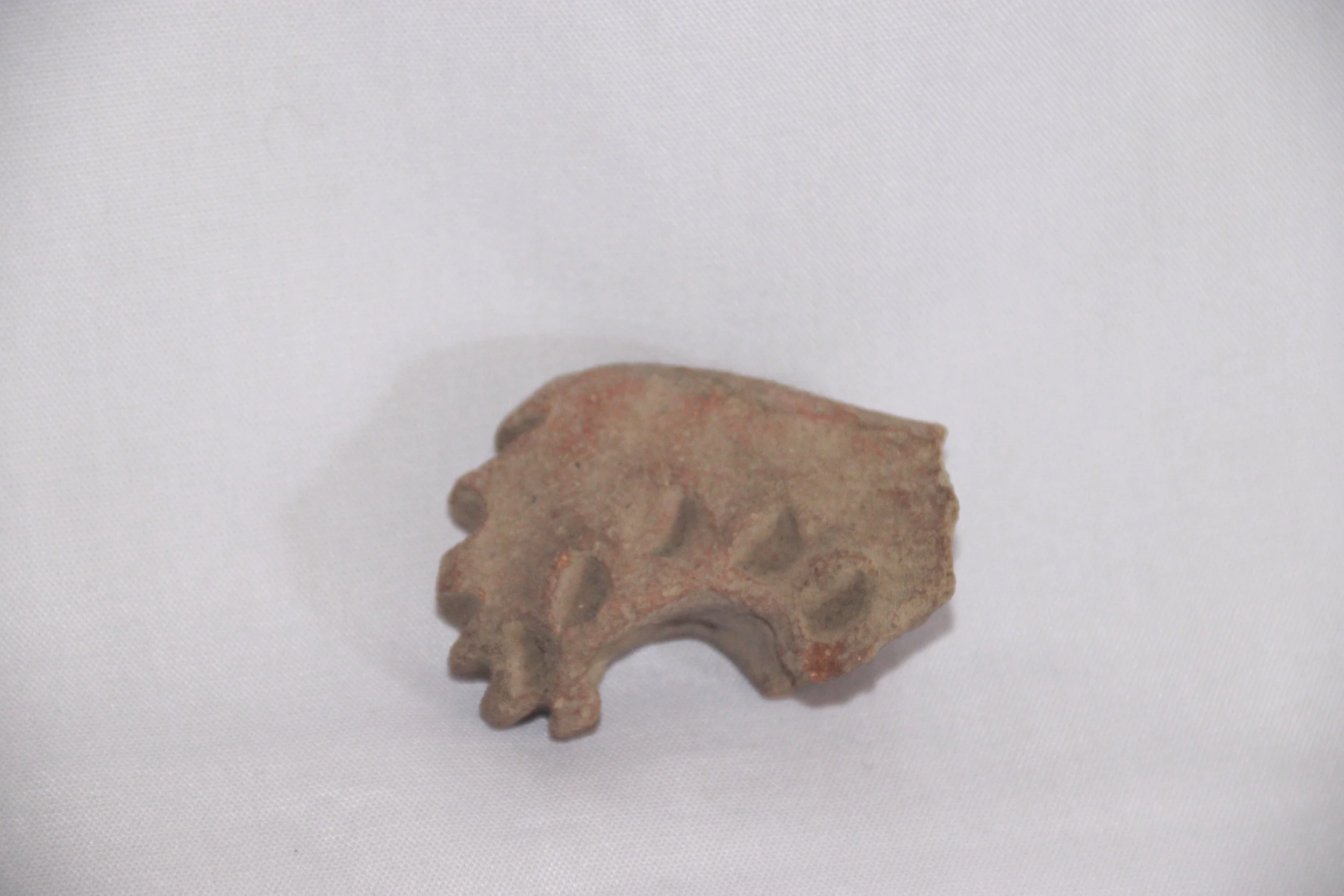
archive number: r-1-022b object reference: Pottery fragments origin: Banda date: - notes: Many of these pottery pieces are shaped like bird heads and ears, usually used as handles on clay vessels. On the pottery fragments we can see decorative patterns, such as flowers and water patterns, indicating that the artisanship in ancient Banda Naira was inspired by natural patterns in the surrounding environment.
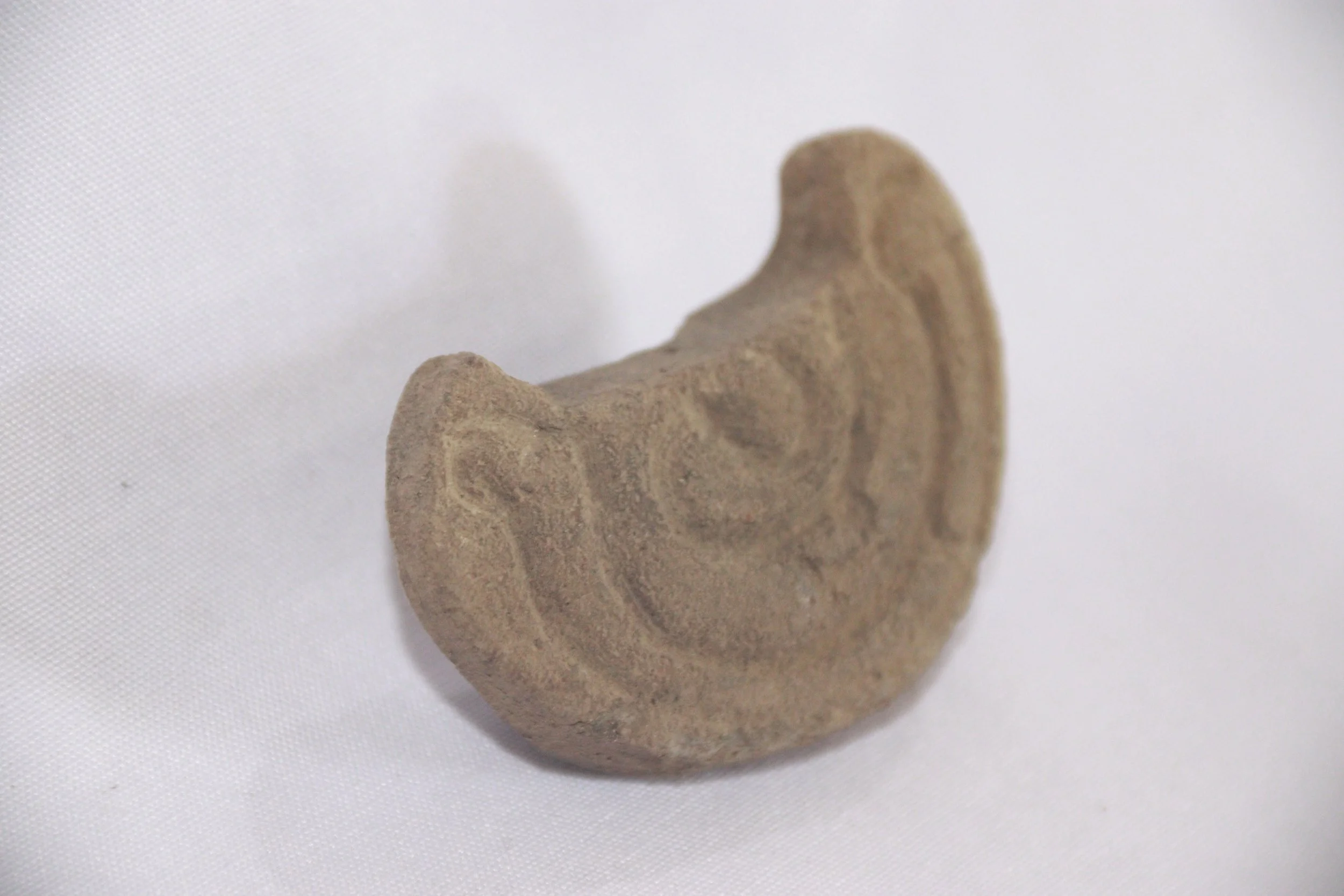
archive number: r-1-022c object reference: Pottery fragments origin: Banda date: - notes: Many of these pottery pieces are shaped like bird heads and ears, usually used as handles on clay vessels. On the pottery fragments we can see decorative patterns, such as flowers and water patterns, indicating that the artisanship in ancient Banda Naira was inspired by natural patterns in the surrounding environment.
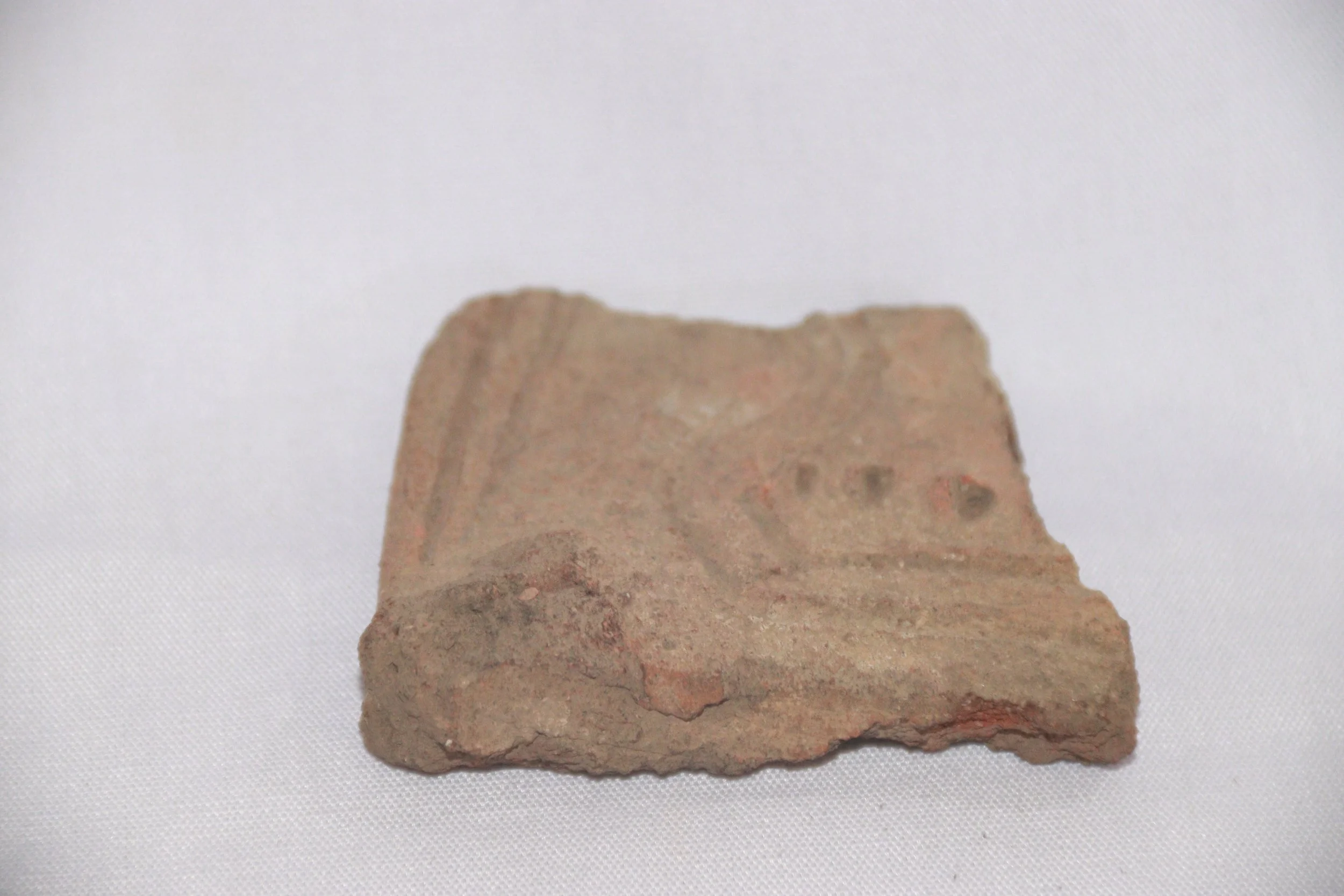
archive number: r-1-022d object reference: Pottery fragments origin: Banda date: - notes: Many of these pottery pieces are shaped like bird heads and ears, usually used as handles on clay vessels. On the pottery fragments we can see decorative patterns, such as flowers and water patterns, indicating that the artisanship in ancient Banda Naira was inspired by natural patterns in the surrounding environment.
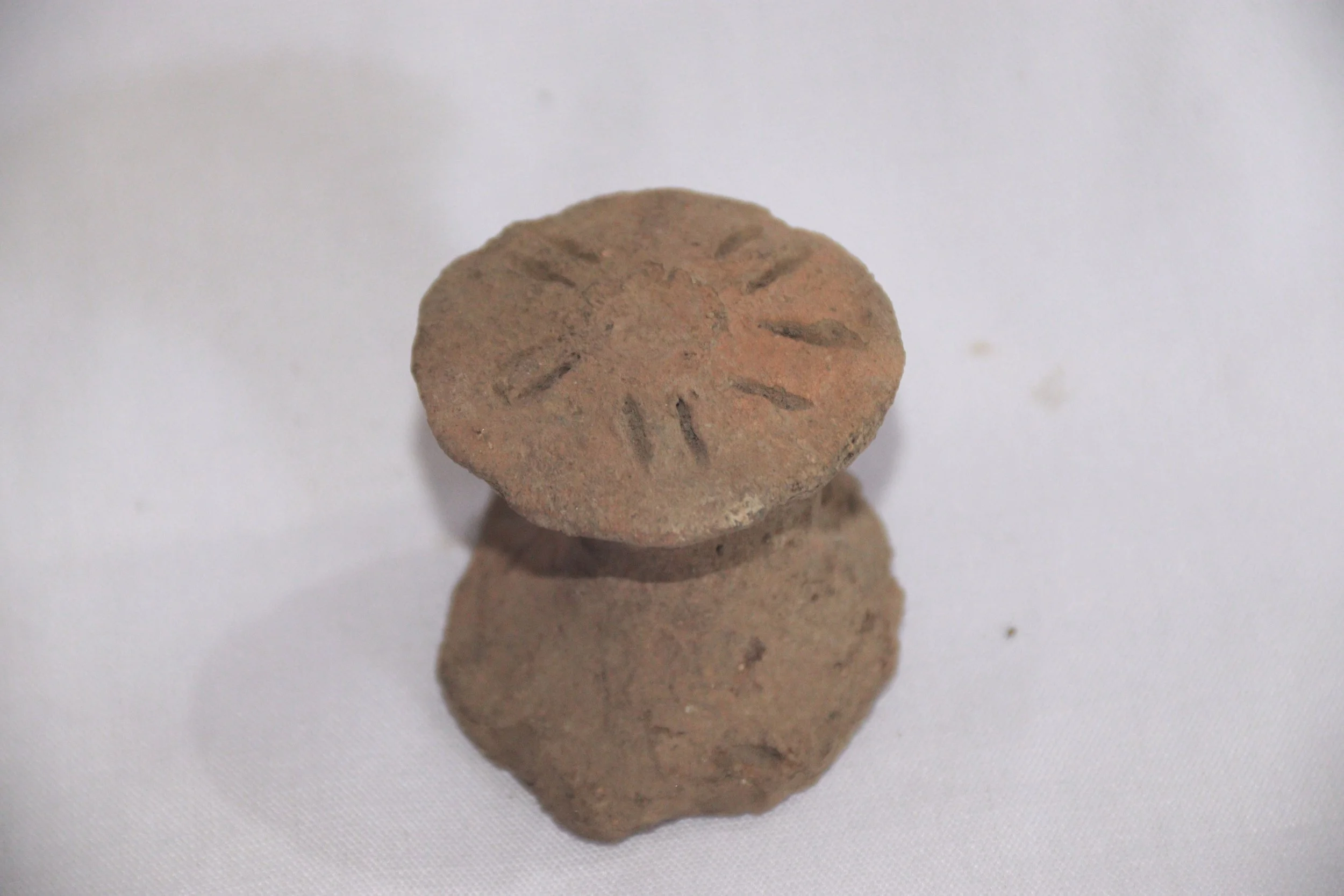
archive number: r-1-022e object reference: Pottery fragments origin: Banda date: - notes: Many of these pottery pieces are shaped like bird heads and ears, usually used as handles on clay vessels. On the pottery fragments we can see decorative patterns, such as flowers and water patterns, indicating that the artisanship in ancient Banda Naira was inspired by natural patterns in the surrounding environment.
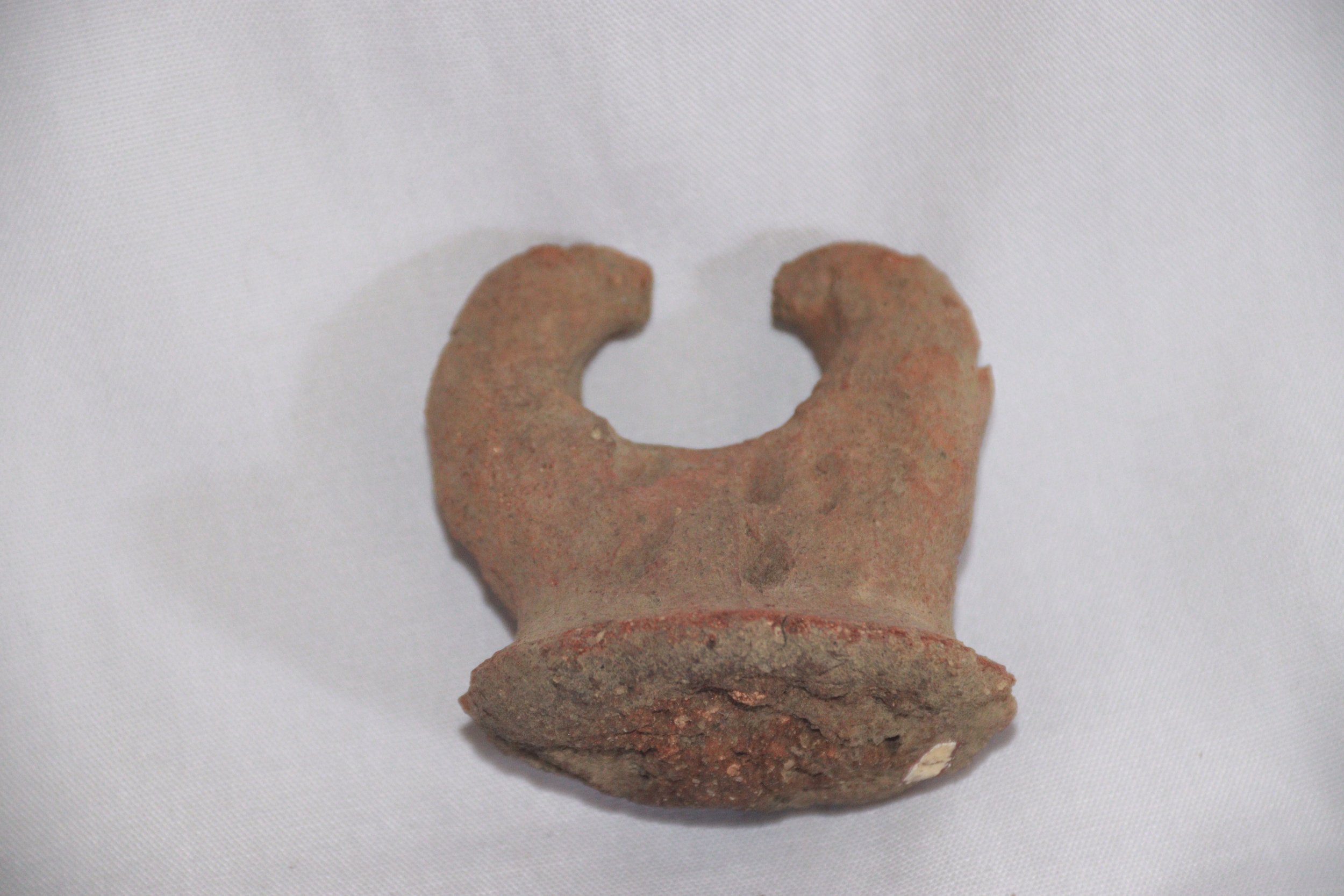
archive number: r-1-022f object reference: Pottery fragments origin: Banda date: - notes: Many of these pottery pieces are shaped like bird heads and ears, usually used as handles on clay vessels. On the pottery fragments we can see decorative patterns, such as flowers and water patterns, indicating that the artisanship in ancient Banda Naira was inspired by natural patterns in the surrounding environment.
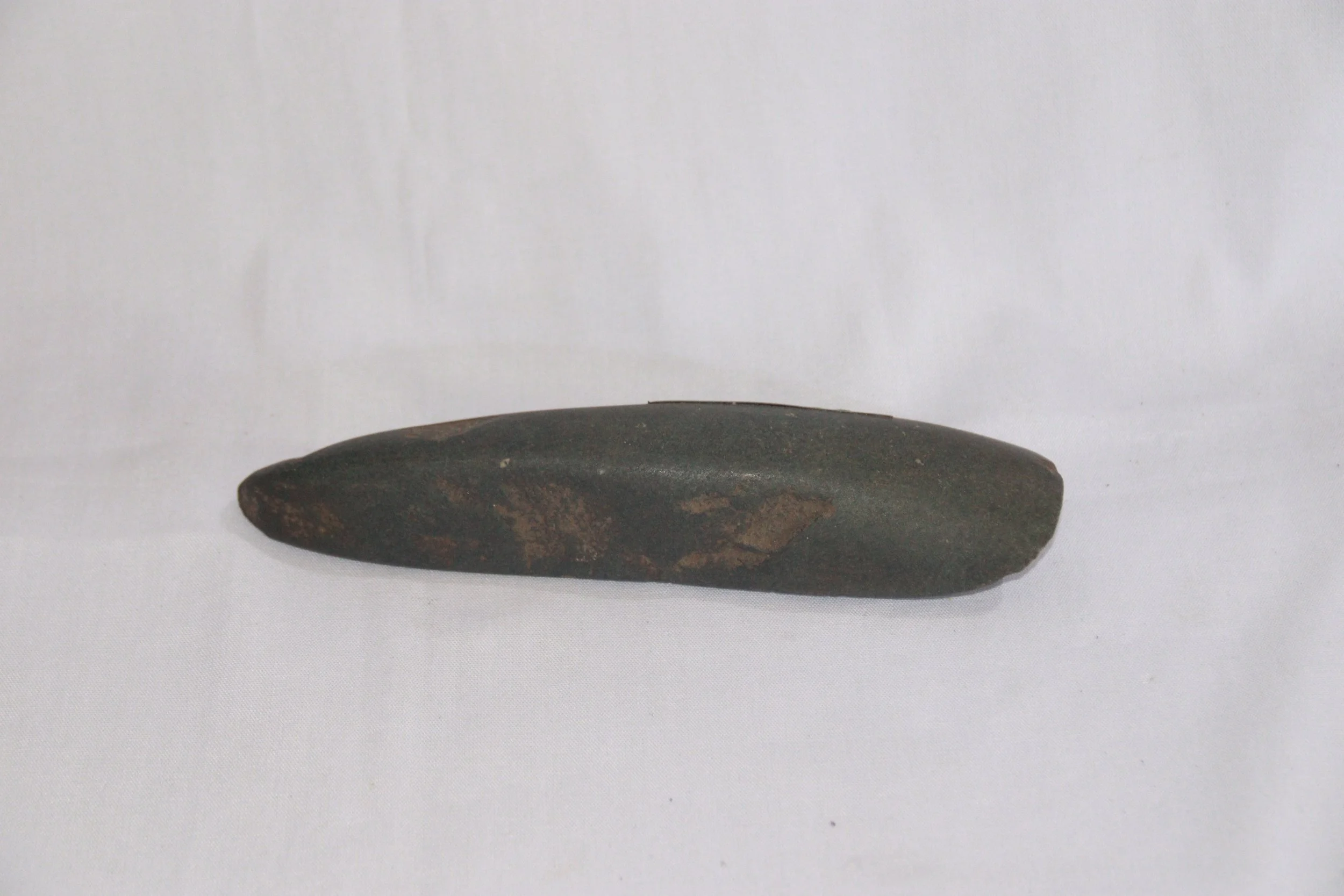
archive number: r-1-023 object reference: Prehistoric stone axe origin: Banda date: - notes: A stone tool used to dig holes to plant crops and break wood by the ancient Bandanese.
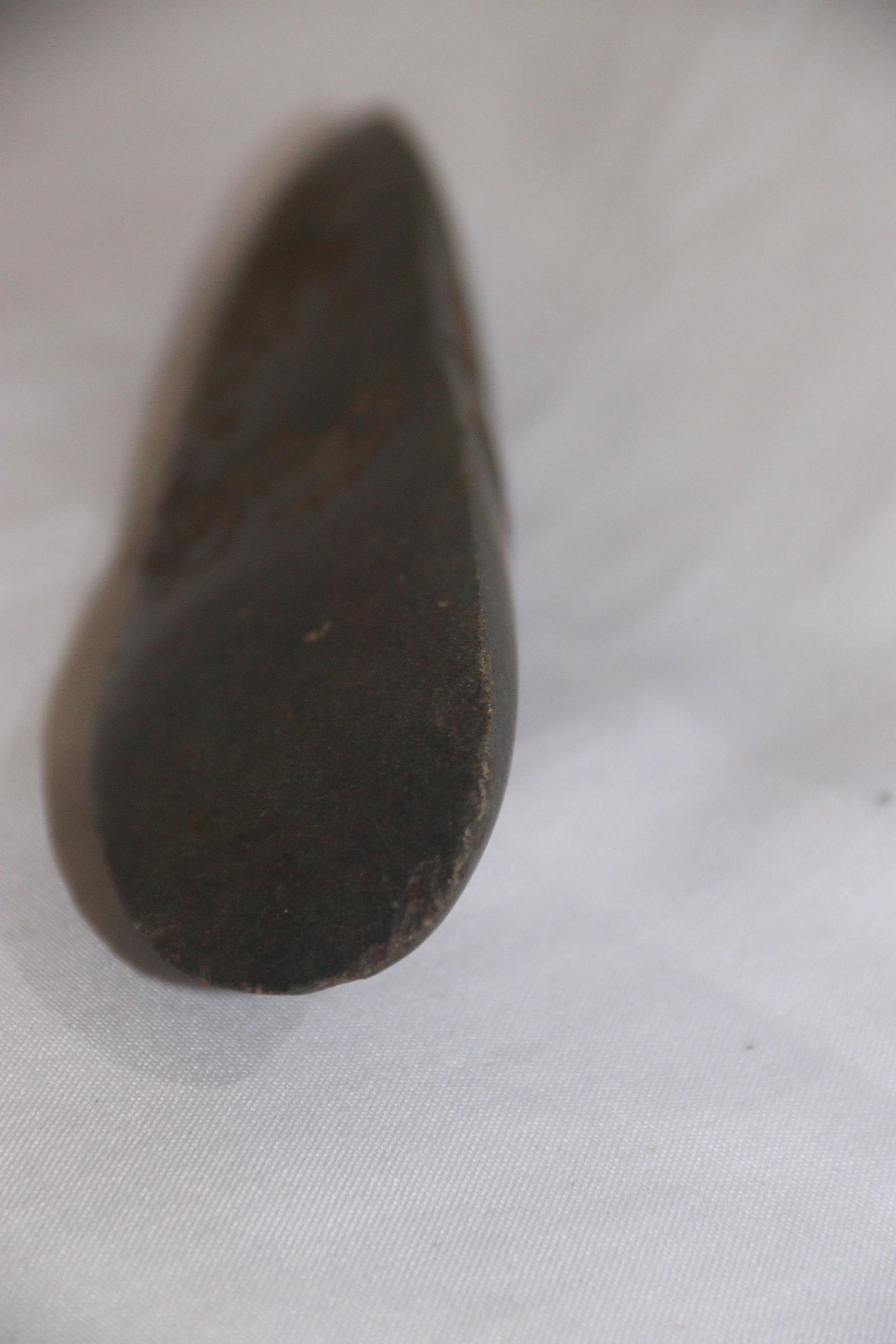
archive number: r-1-023 object reference: Prehistoric stone axe origin: Banda date: - notes: A stone tool used to dig holes to plant crops and break wood by the ancient Bandanese.
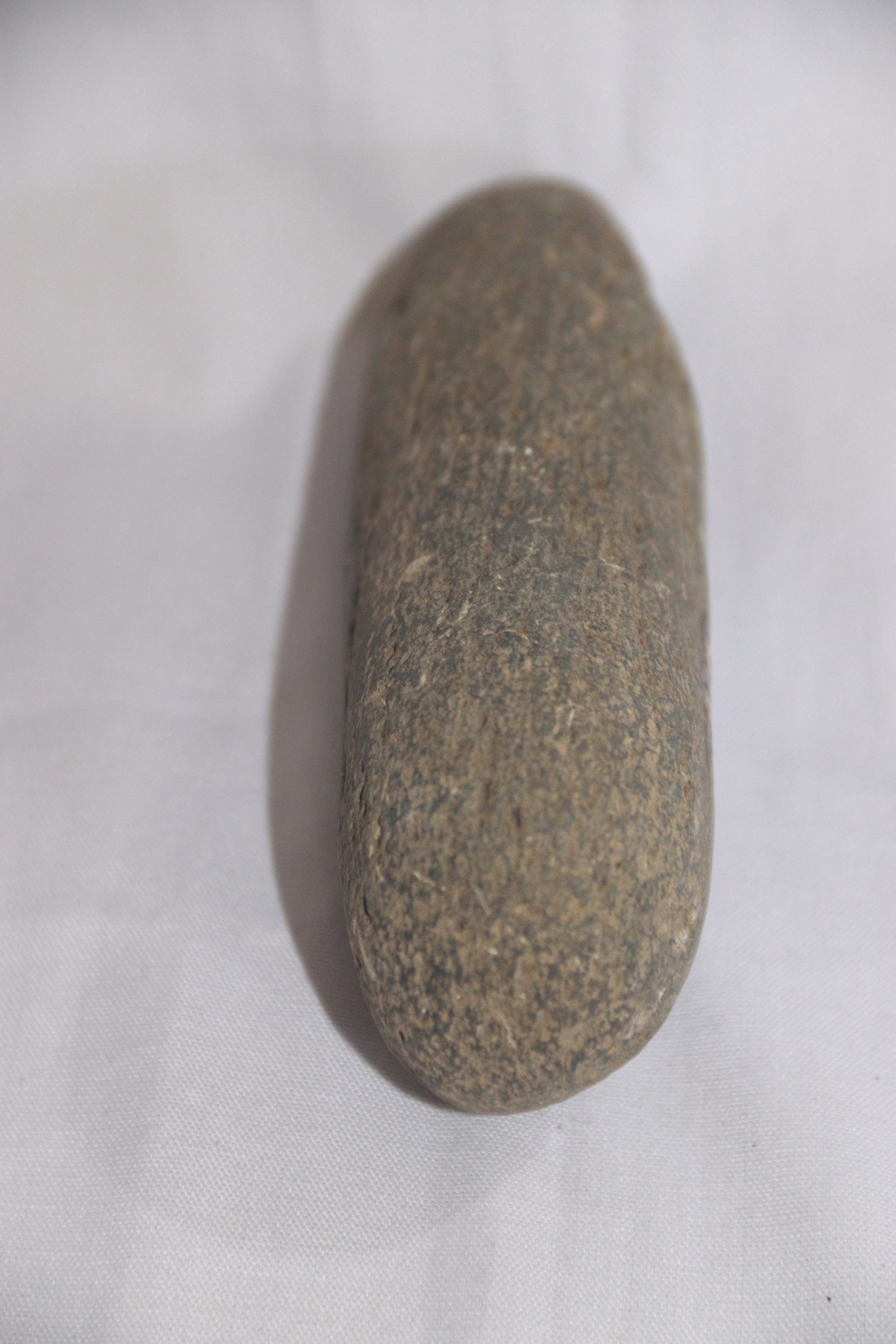
archive number: r-1-024 object reference: Prehistoric stone axe origin: Banda date: - notes: A stone tool used to dig holes to plant crops and break wood by the ancient Bandanese.
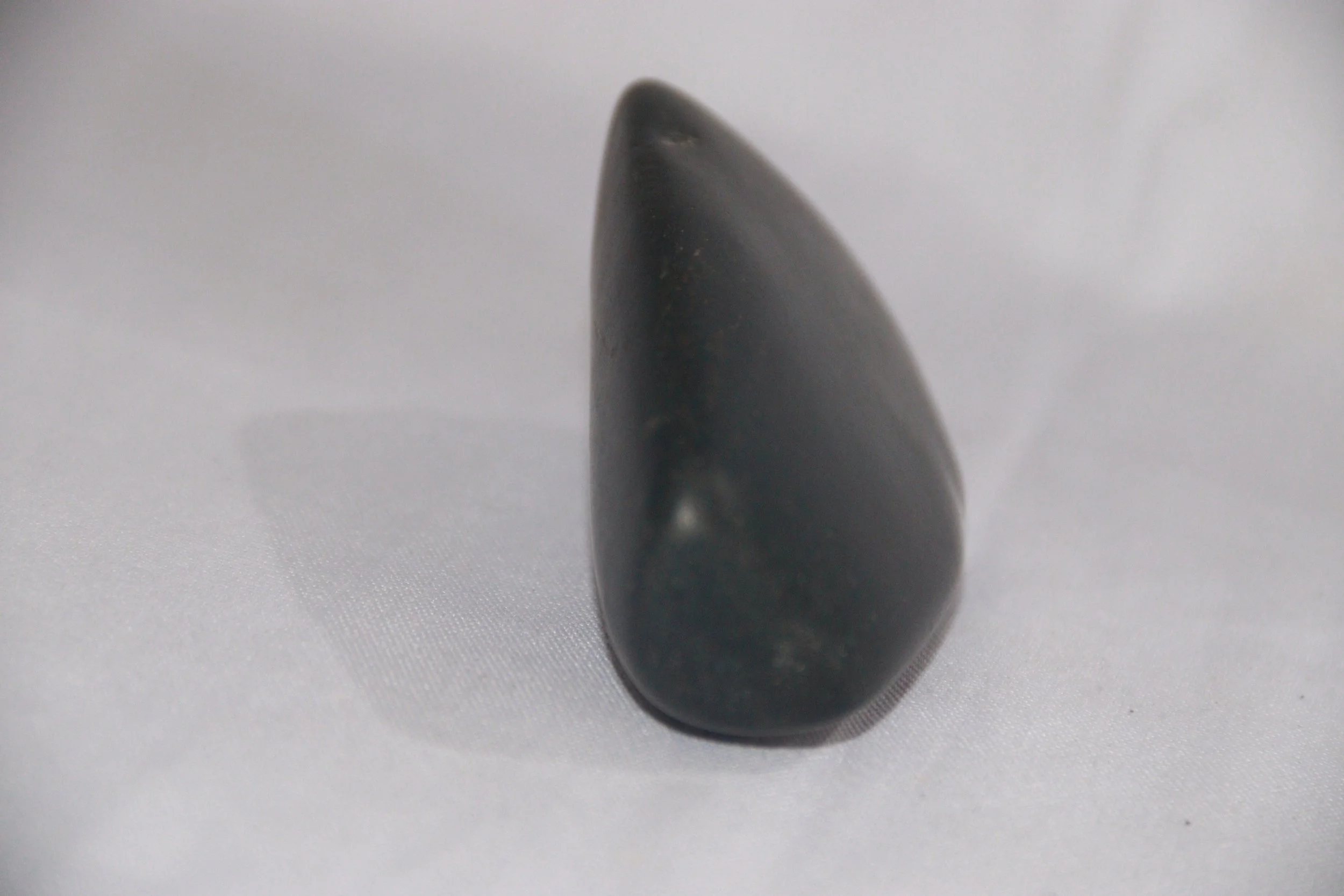
archive number: r-1-025 object reference: Prehistoric stone axe origin: Banda date: - notes: A stone tool used to dig holes to plant crops and break wood by the ancient Bandanese.
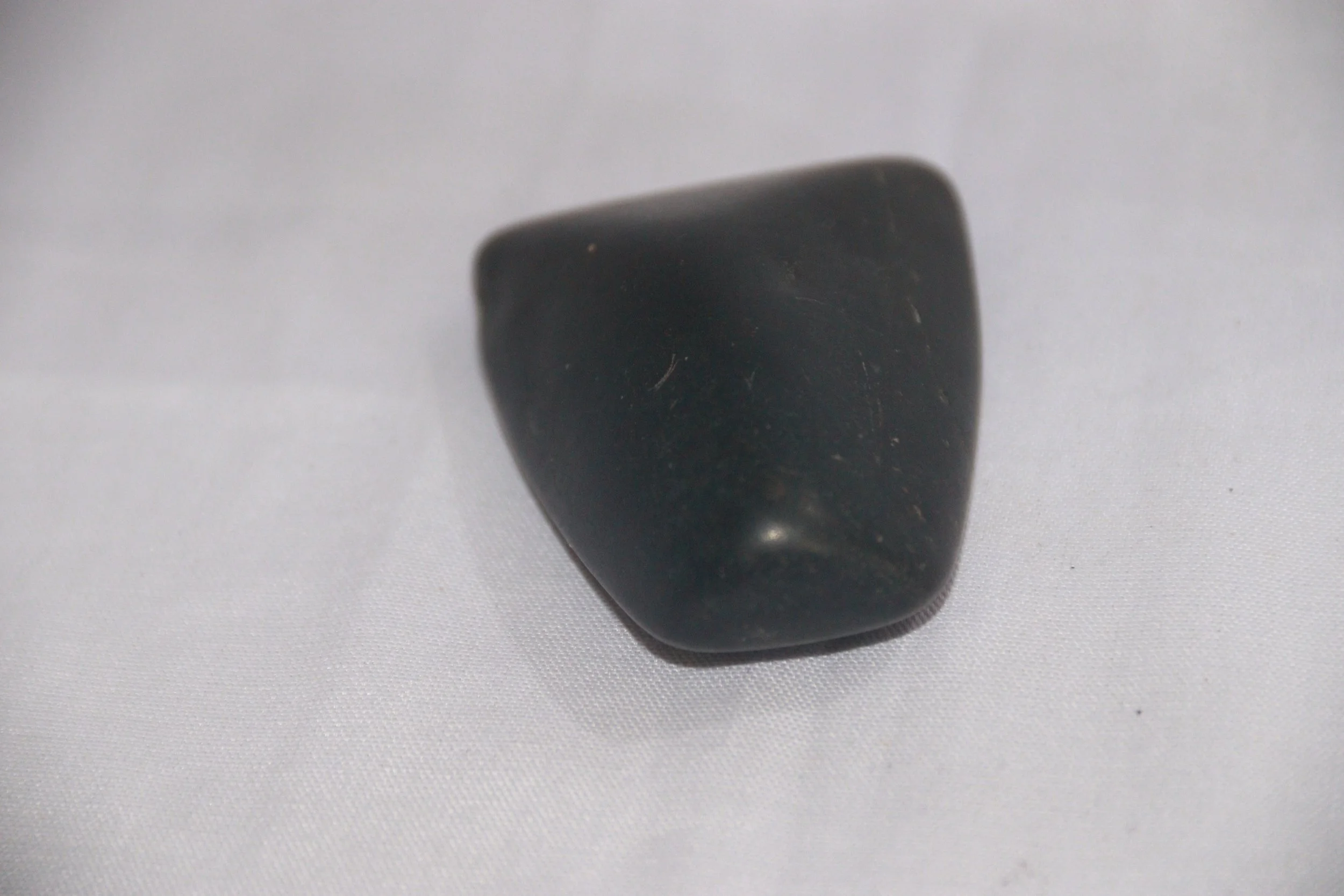
archive number: r-1-025 object reference: Prehistoric stone axe origin: Banda date: - notes: A stone tool used to dig holes to plant crops and break wood by the ancient Bandanese.
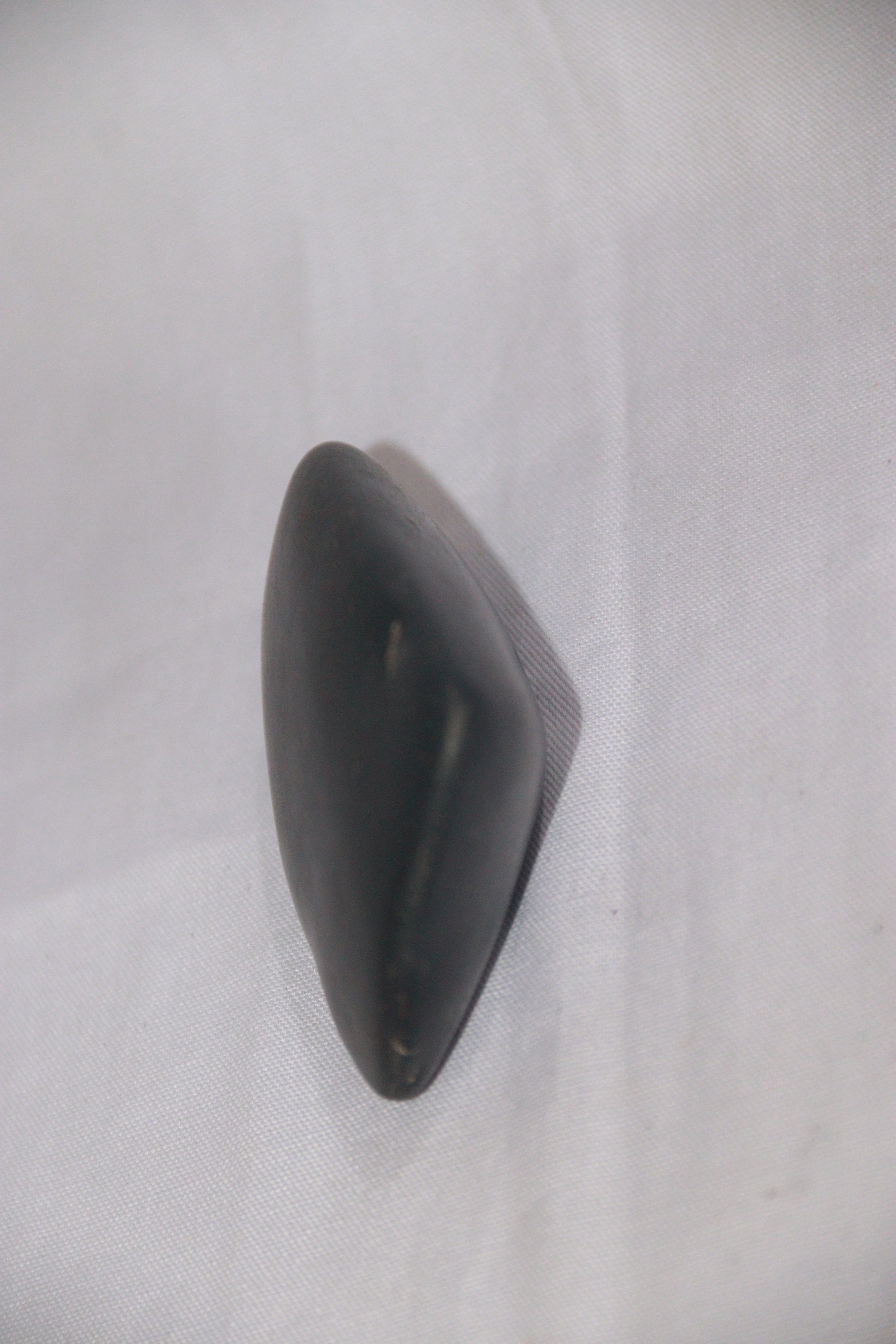
archive number: r-1-025 object reference: Prehistoric stone axe origin: Banda date: - notes: A stone tool used to dig holes to plant crops and break wood by the ancient Bandanese.
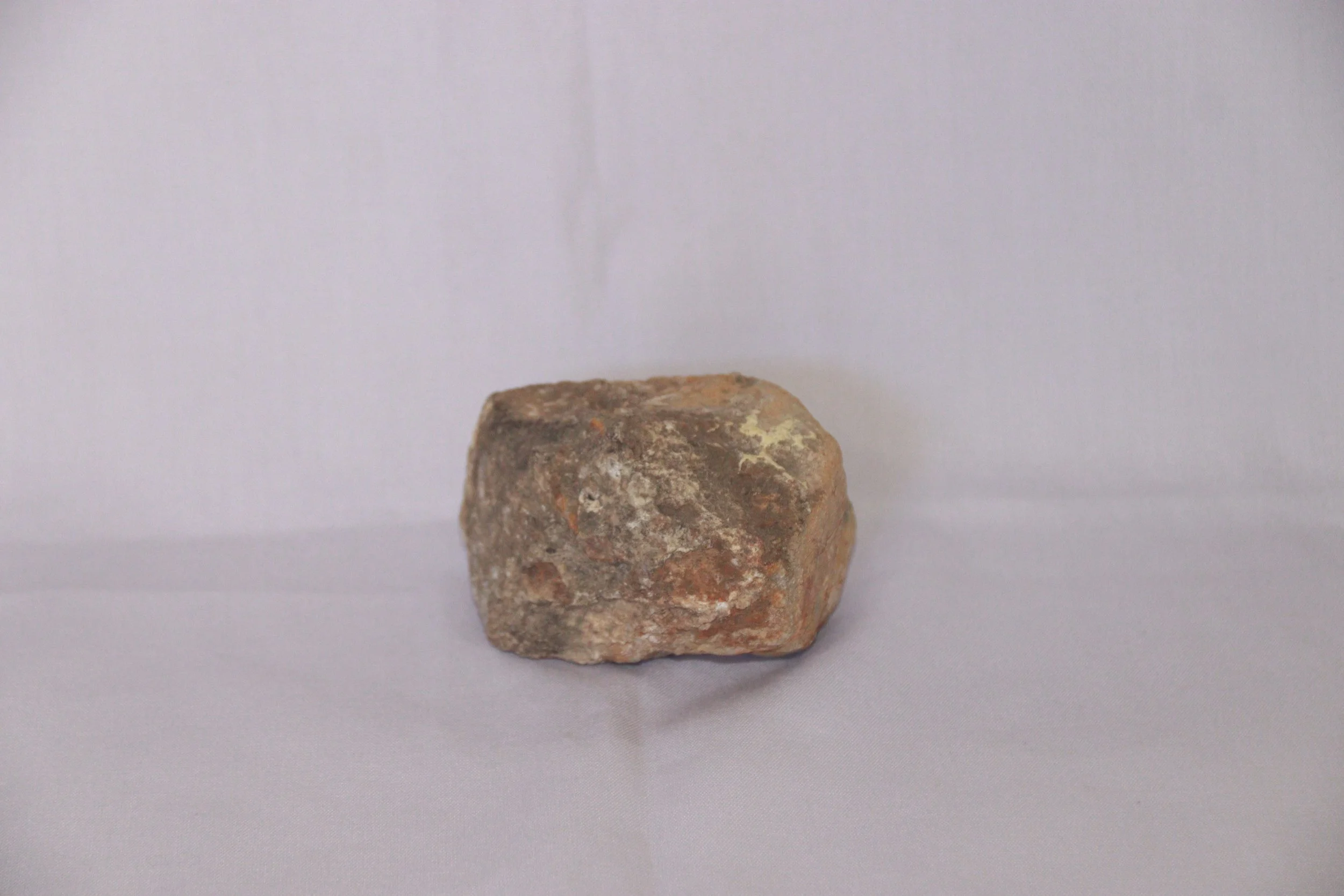
archive number: r-1-026 object reference: Volcanic rocks (various) origin: Banda date: - notes: The geology of the Banda Sea region is renowned for being one of the most complex anywhere in the world, resulting in a wide variety of rock types found here. Analysis has yet to be conducted to identify specific types.
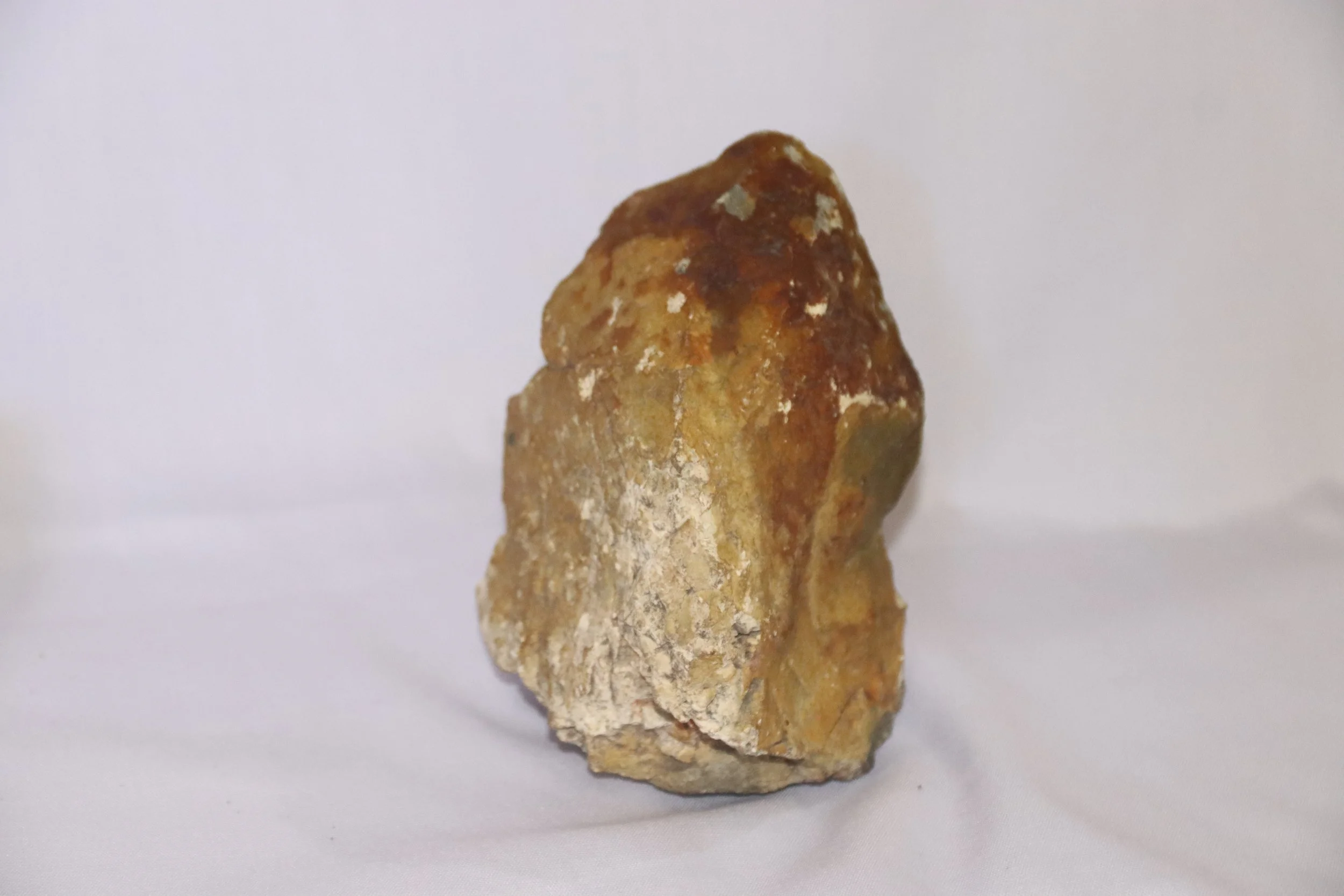
archive number: r-1-027 object reference: Volcanic rocks (various) origin: Banda date: - notes: The geology of the Banda Sea region is renowned for being one of the most complex anywhere in the world, resulting in a wide variety of rock types found here. Analysis has yet to be conducted to identify specific types.
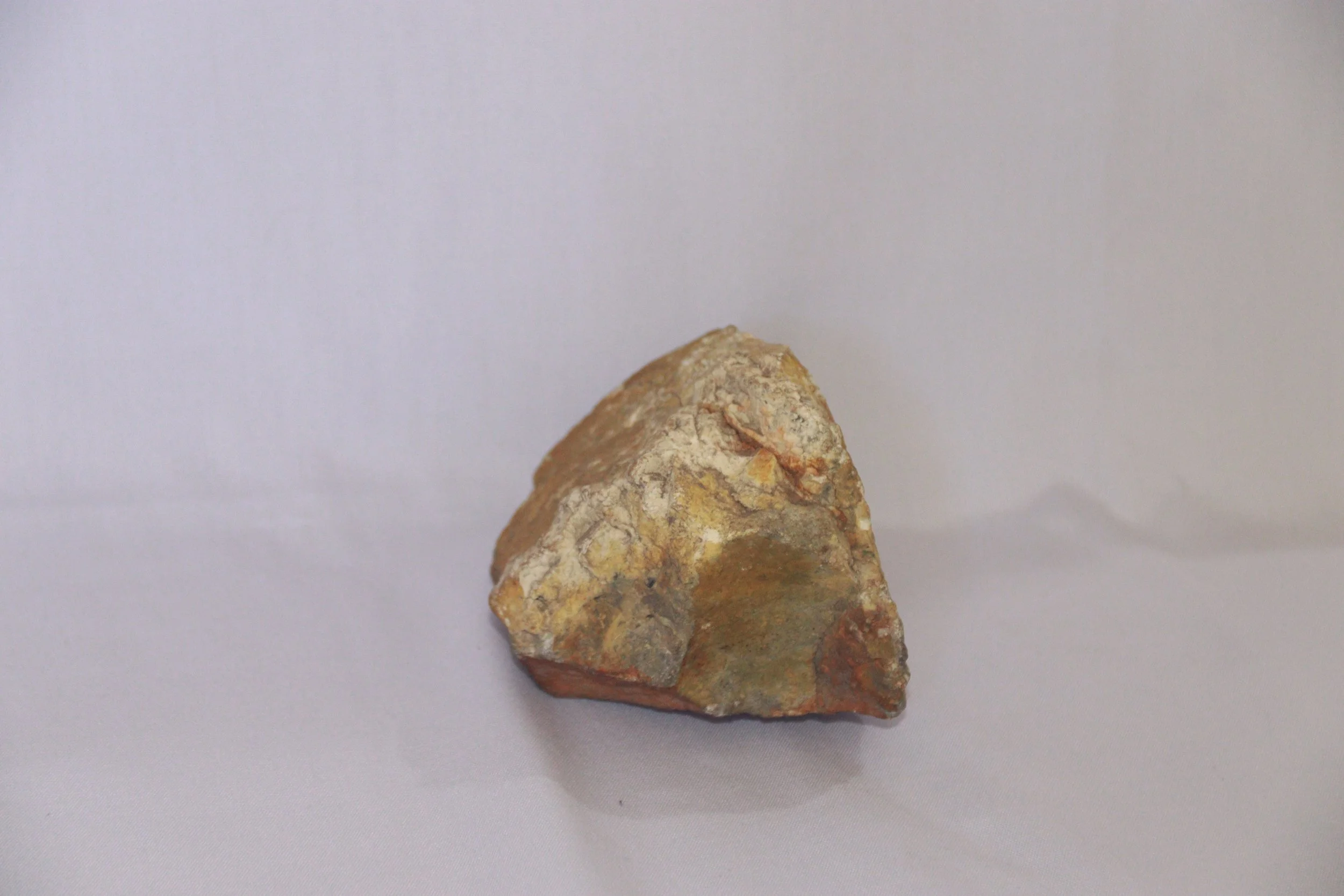
archive number: r-1-028 object reference: object reference: Volcanic rocks (various) origin: Banda date: - notes: The geology of the Banda Sea region is renowned for being one of the most complex anywhere in the world, resulting in a wide variety of rock types found here. Analysis has yet to be conducted to identify specific types.
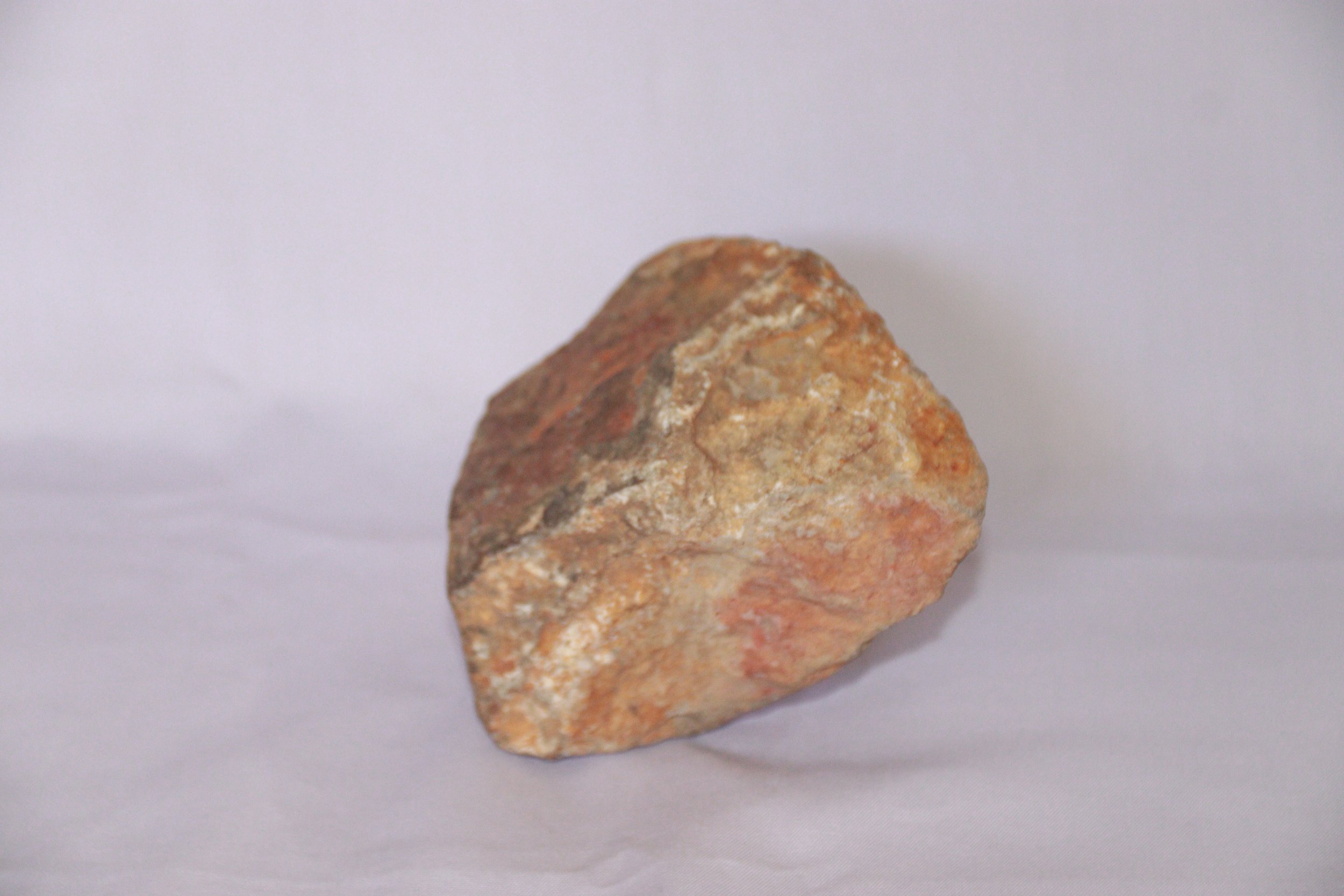
archive number: r-1-029 object reference: Volcanic rocks (various) origin: Banda date: - notes: The geology of the Banda Sea region is renowned for being one of the most complex anywhere in the world, resulting in a wide variety of rock types found here. Analysis has yet to be conducted to identify specific types.
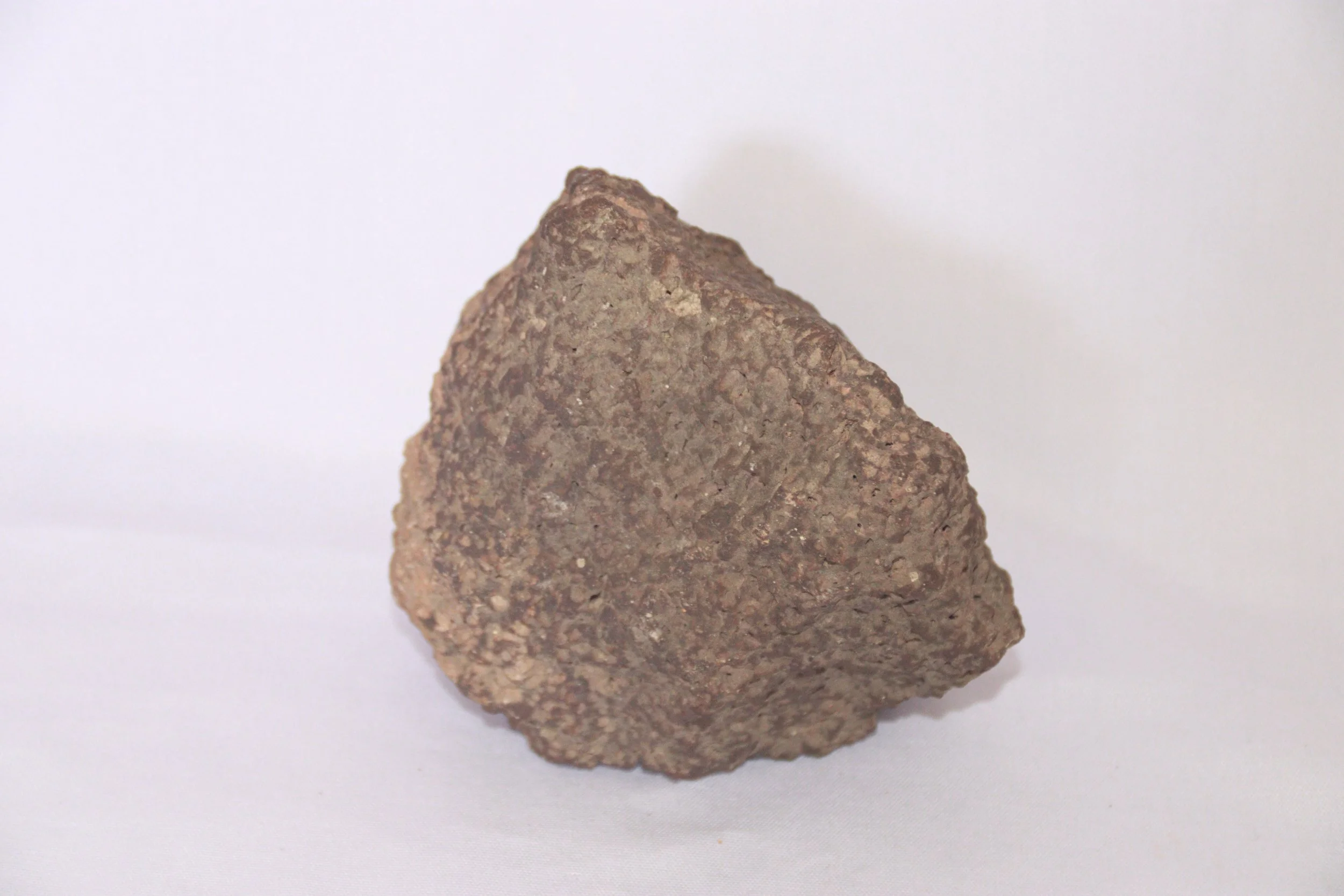
archive number: r-1-030 object reference: Volcanic rocks (various) origin: Banda date: - notes: The geology of the Banda Sea region is renowned for being one of the most complex anywhere in the world, resulting in a wide variety of rock types found here. Analysis has yet to be conducted to identify specific types.
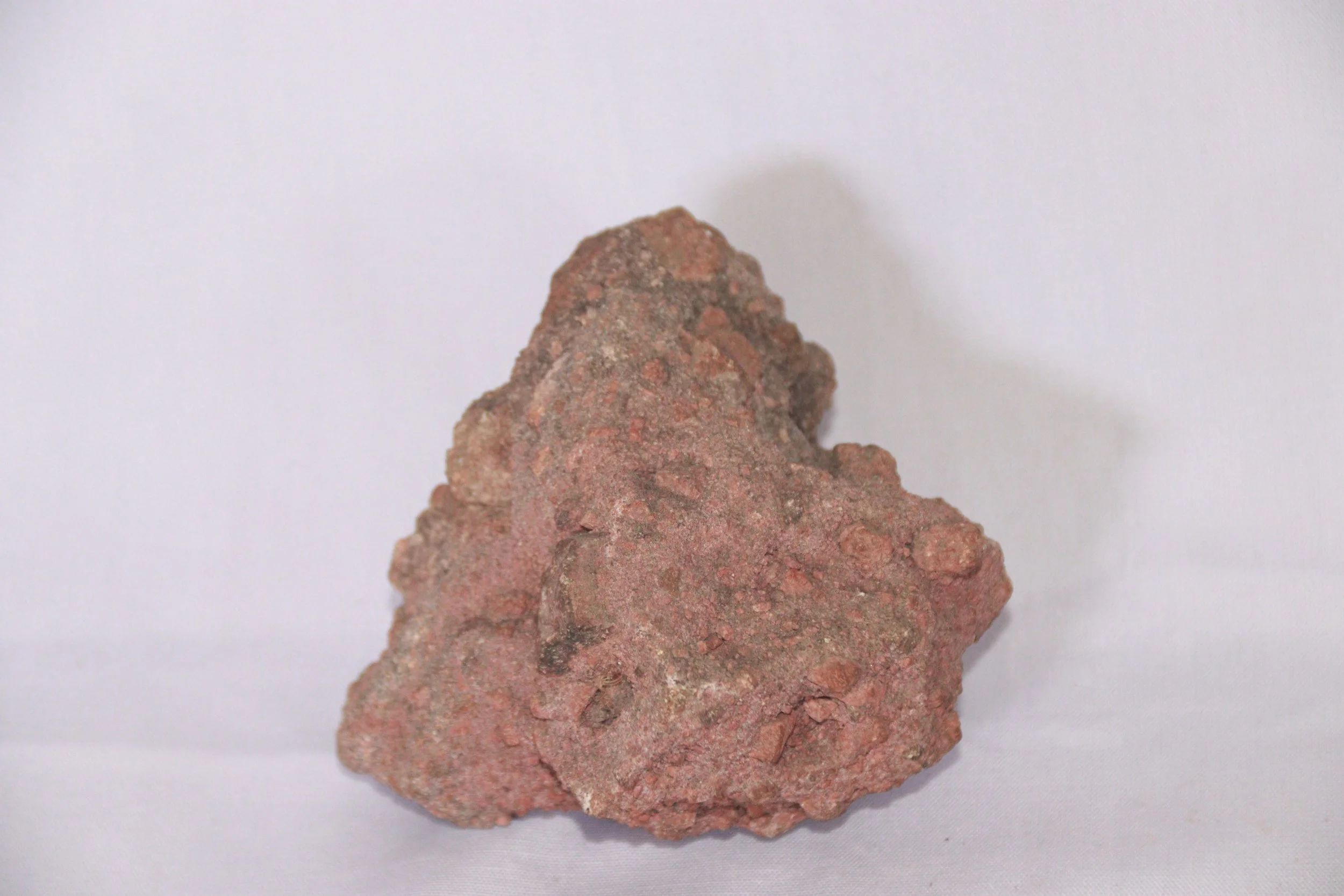
archive number: r-1-031 object reference: Volcanic rocks (various) origin: Banda date: - notes: The geology of the Banda Sea region is renowned for being one of the most complex anywhere in the world, resulting in a wide variety of rock types found here. Analysis has yet to be conducted to identify specific types.
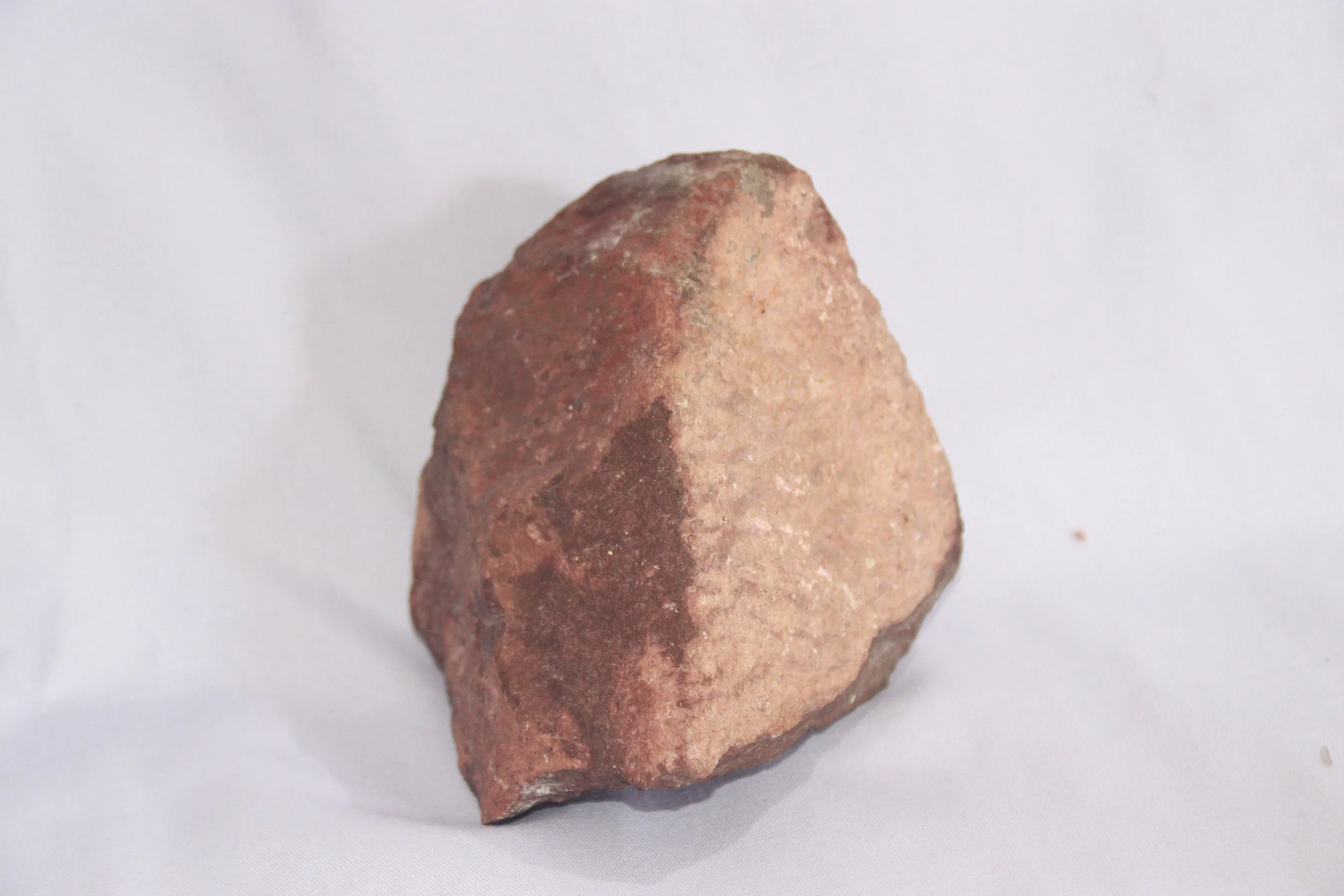
archive number: r-1-032 object reference: Volcanic rocks (various) origin: Banda date: - notes: The geology of the Banda Sea region is renowned for being one of the most complex anywhere in the world, resulting in a wide variety of rock types found here. Analysis has yet to be conducted to identify specific types.
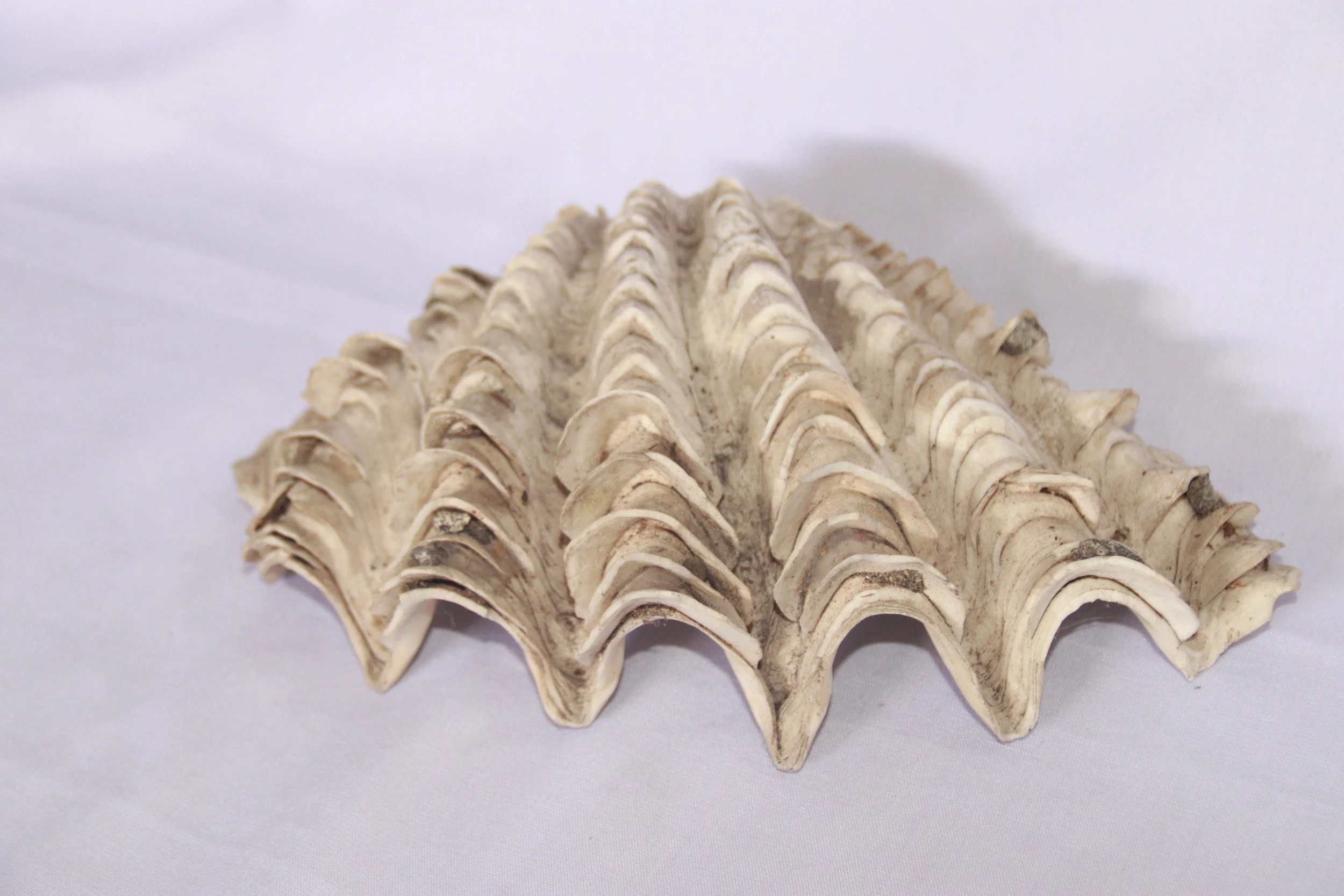
archive number: r-1-033 object reference: Shells from marine molluscs origin: Banda date: - notes: Marine ecosystems play a crucial role in shaping the landscape of the Banda Islands, in addition to volcanic activity. Coral reefs grow on the slopes of volcanic islands such as Gunung Api, contributing to the formation of the limestone bedrock of many of the Banda Islands.
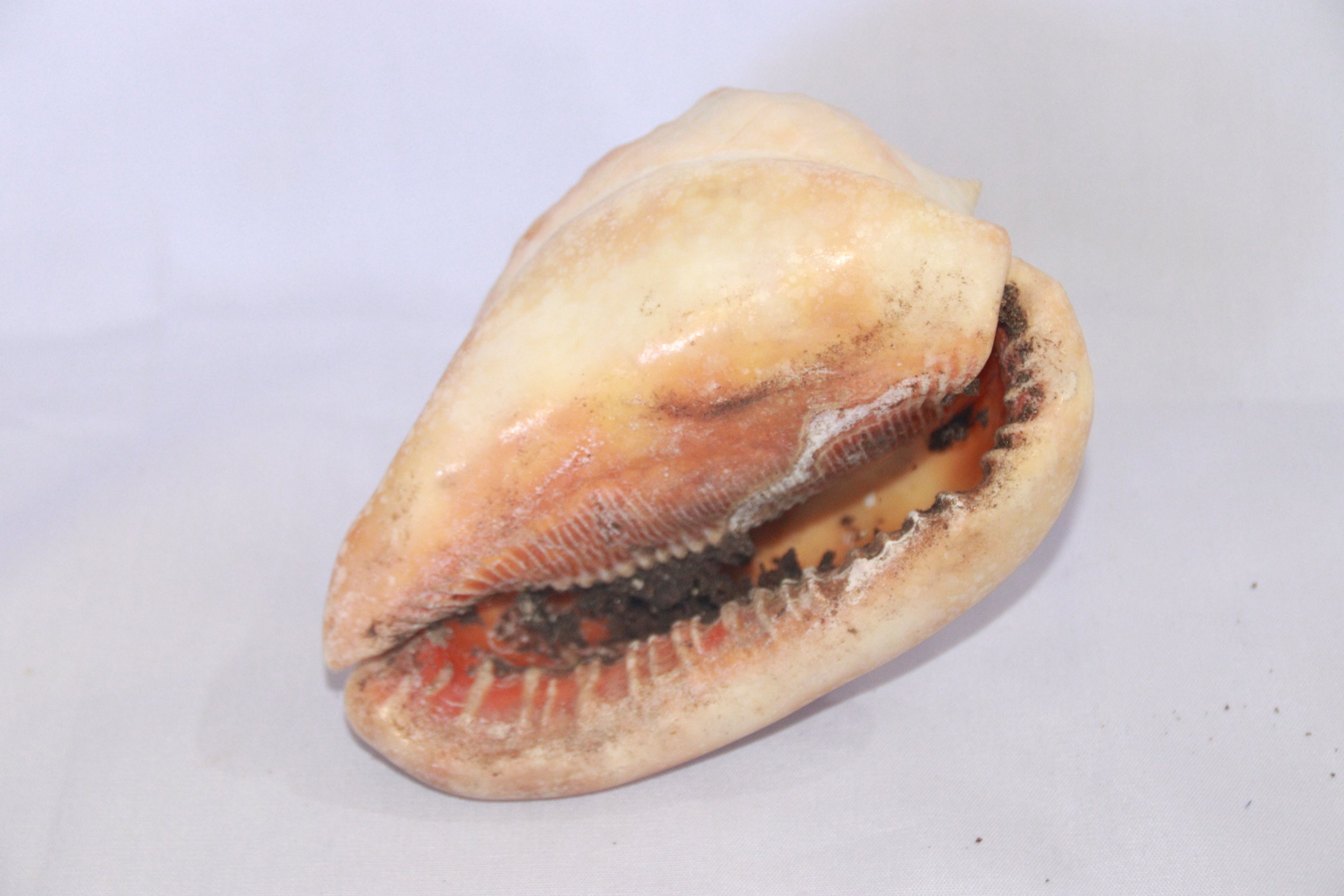
archive number: r-1-034 archive number: r-1-033 object reference: Shells from marine molluscs origin: Banda date: - notes: Marine ecosystems play a crucial role in shaping the landscape of the Banda Islands, in addition to volcanic activity. Coral reefs grow on the slopes of volcanic islands such as Gunung Api, contributing to the formation of the limestone bedrock of many of the Banda Islands.
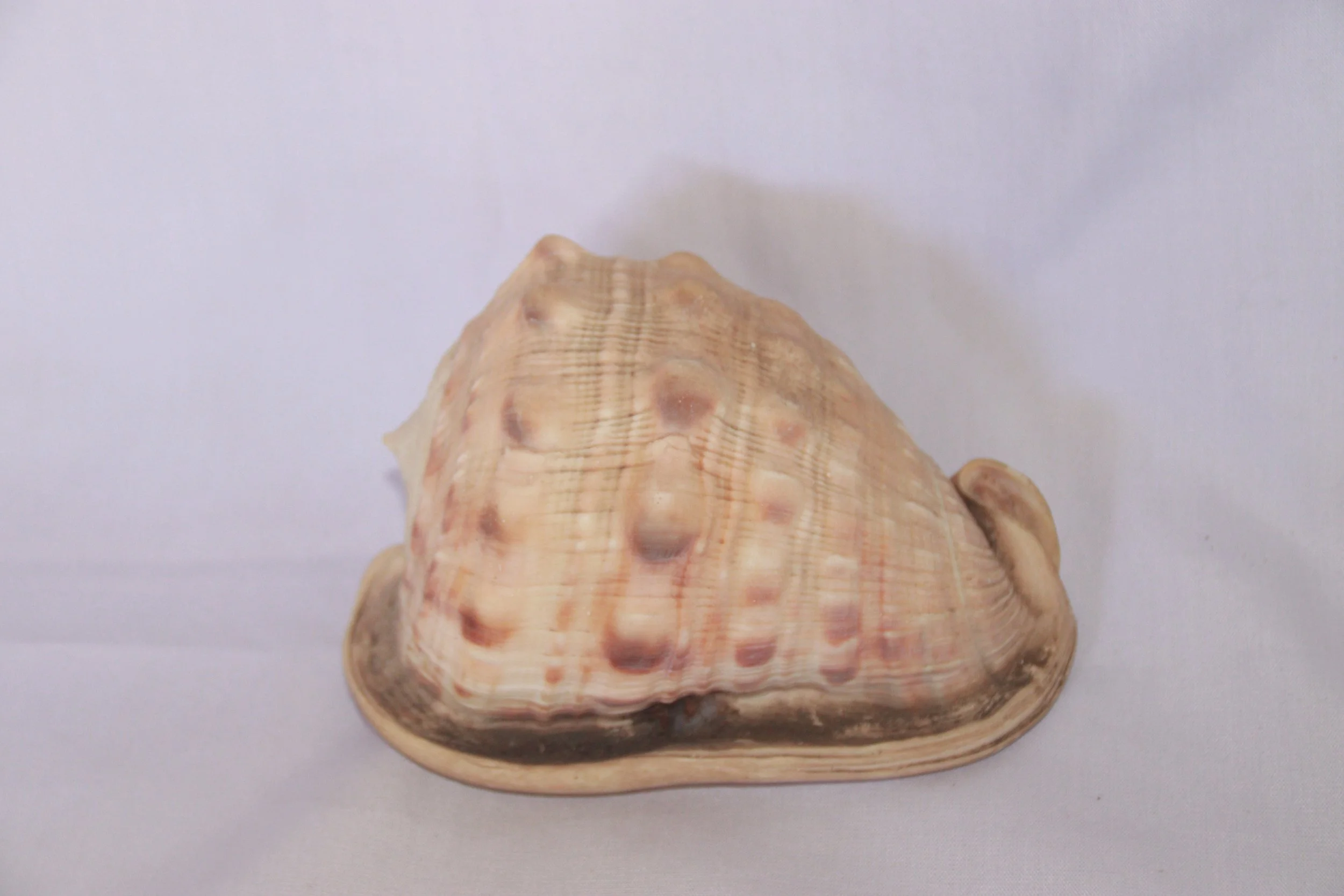
archive number: r-1-035 archive number: r-1-033 object reference: Shells from marine molluscs origin: Banda date: - notes: Marine ecosystems play a crucial role in shaping the landscape of the Banda Islands, in addition to volcanic activity. Coral reefs grow on the slopes of volcanic islands such as Gunung Api, contributing to the formation of the limestone bedrock of many of the Banda Islands.
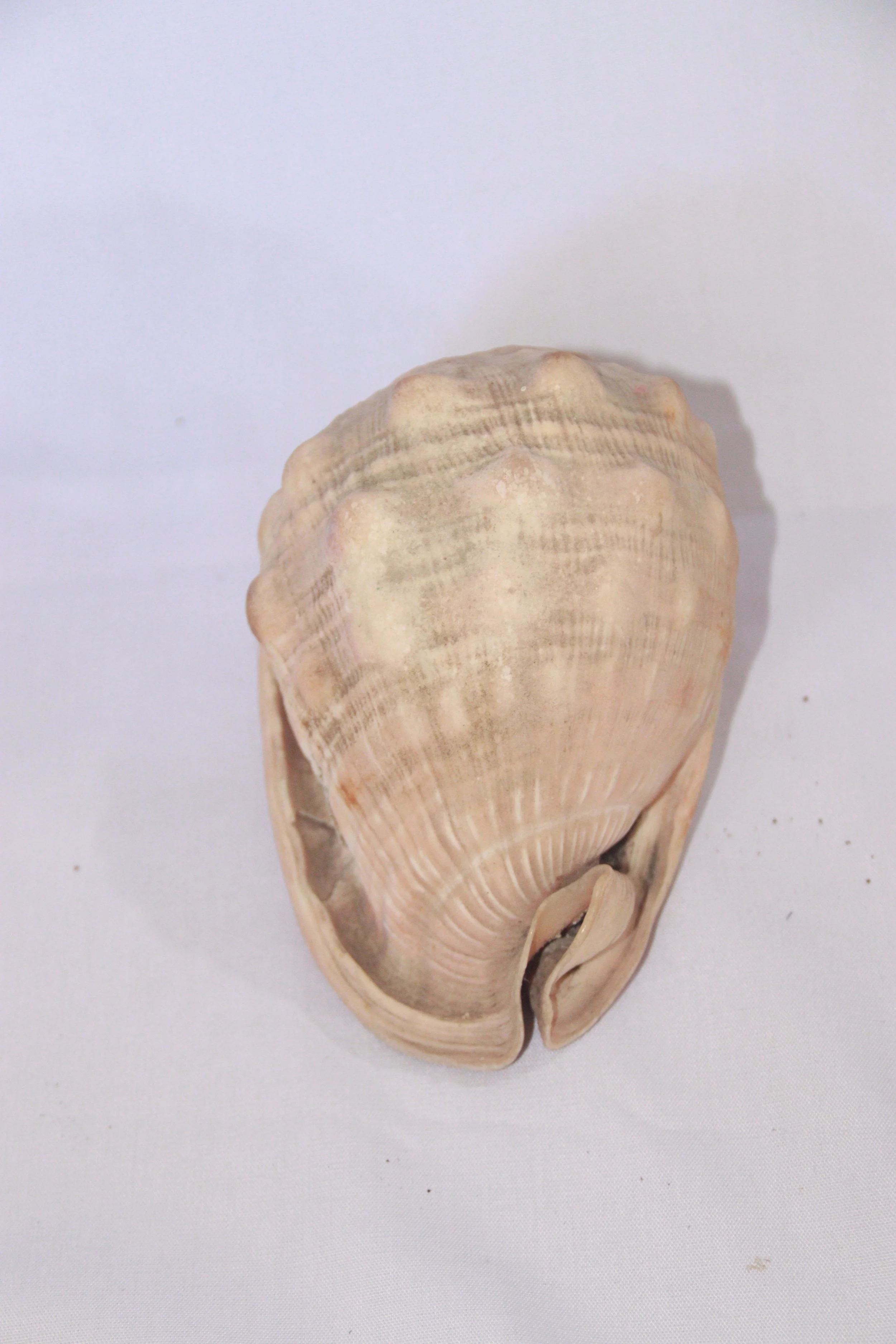
archive number: r-1-036 archive number: r-1-033 object reference: Shells from marine molluscs origin: Banda date: - notes: Marine ecosystems play a crucial role in shaping the landscape of the Banda Islands, in addition to volcanic activity. Coral reefs grow on the slopes of volcanic islands such as Gunung Api, contributing to the formation of the limestone bedrock of many of the Banda Islands.