

Welcome to the revitalised Banda Cultural Museum
When we talk about Banda, we are talking about spices and
colonialism, the wonder of nature and the power of history.
The Banda Cultural Museum (Rumah Budaya Banda) - founded by the celebrated historian and diplomat Des Alwi - displays a collection which speaks to the fascinating story of the islands often called ‘ground zero for colonialism’ in Indonesia. Between May-August 2025, the curatorial team of Luna H. (Curator) and Kris K. (Researcher) were given the opportunity to revitalise Rumah Budaya Banda.
We have attempted to restructure the museum’s collection from a decolonial perspective, bringing local knowledge and critical reflections to the forefront for locals and visitors alike. What makes Rumah Budaya Banda so important as a cultural and historical institution?
To understand Banda is to understand the relationship between mankind and the natural world. What happens when a natural bounty leads to war and conquest, and how globalisation threatens remote islands and their communities with oppression and even extinction. Today’s world of political and climatic instability raises many of these same questions. Perhaps, if there’s anywhere we might start looking for answers, it could be in Banda.
On the other hand, Banda is as much a place of resilience and hope, a place which reckons with the trauma of its past while keeping its eyes on the future. A place where the value of unity is not secondary to the recognition of diversity. We, too, recognise that history is never just the telling of a single story, but a bringing together of different perspectives, interpretations and approaches. This process never ends, and the revitalisation of Rumah Budaya Banda Naira is not a one-off event, but an ongoing process of dialogue and discovery which will continue evolving over time.
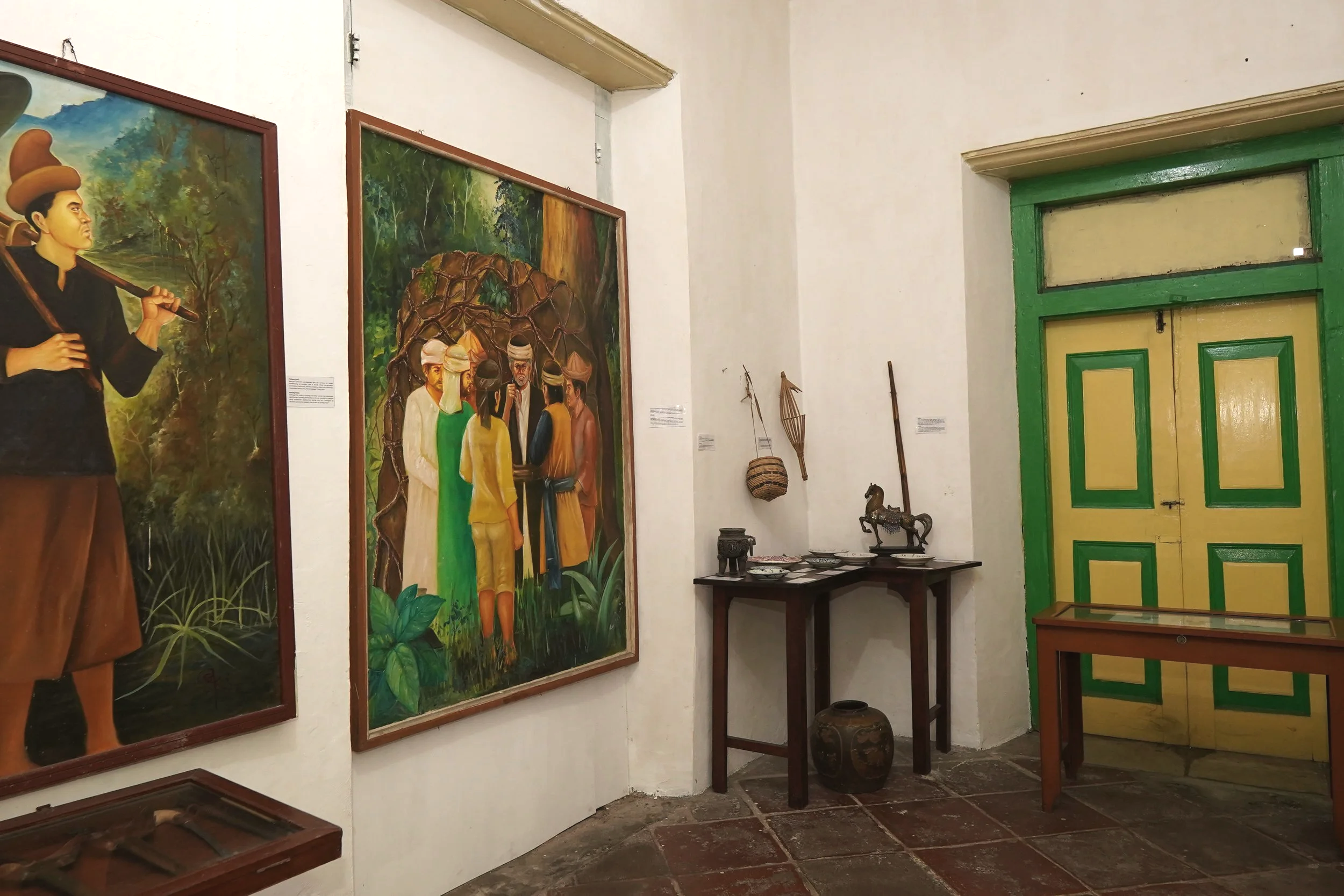
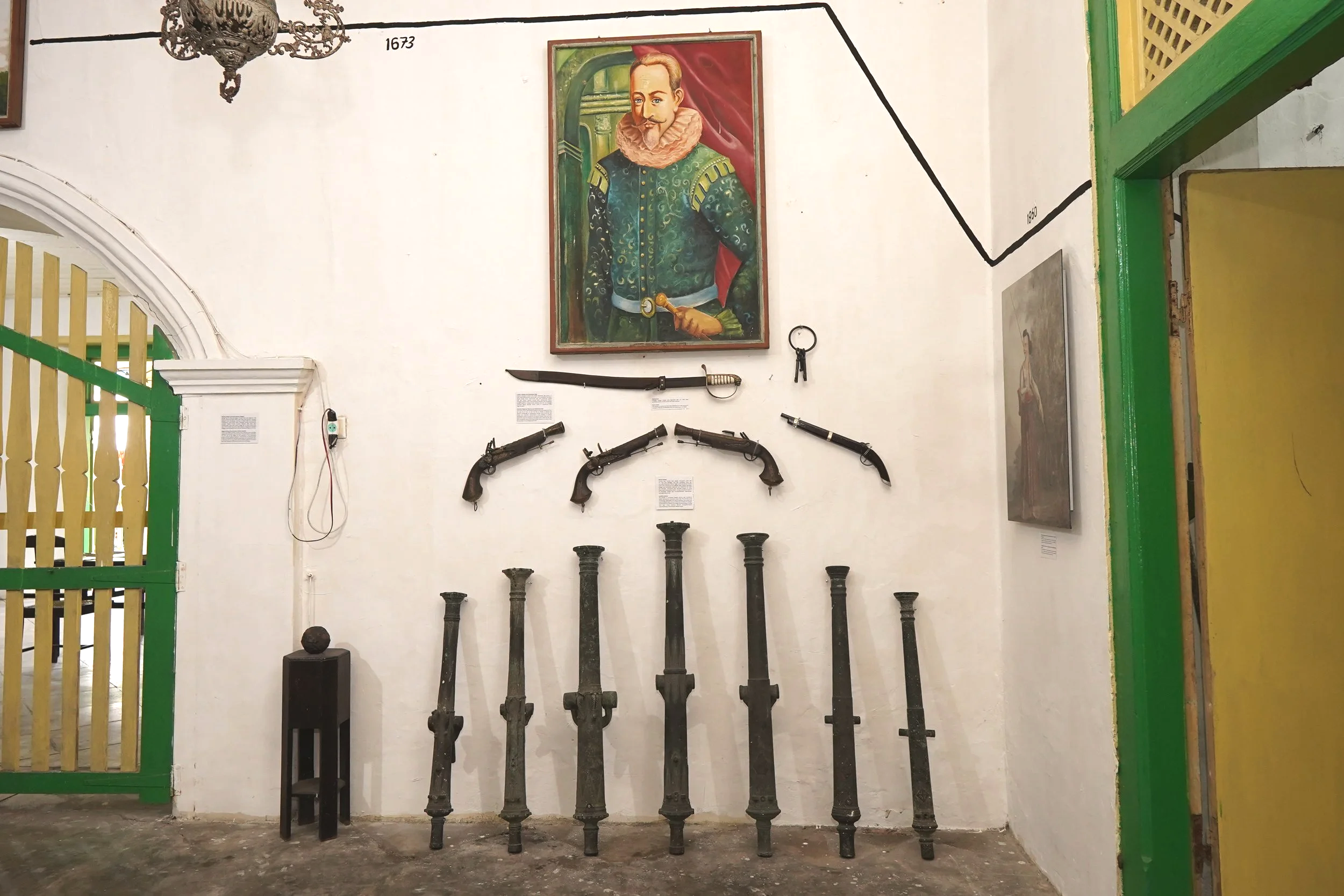
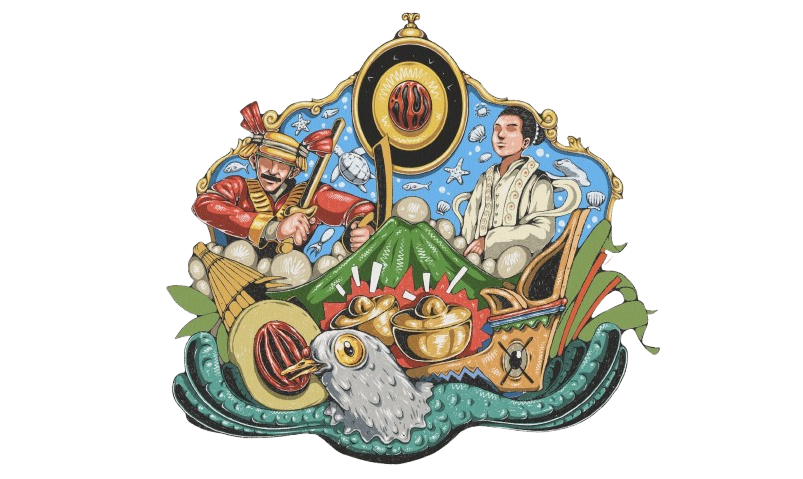
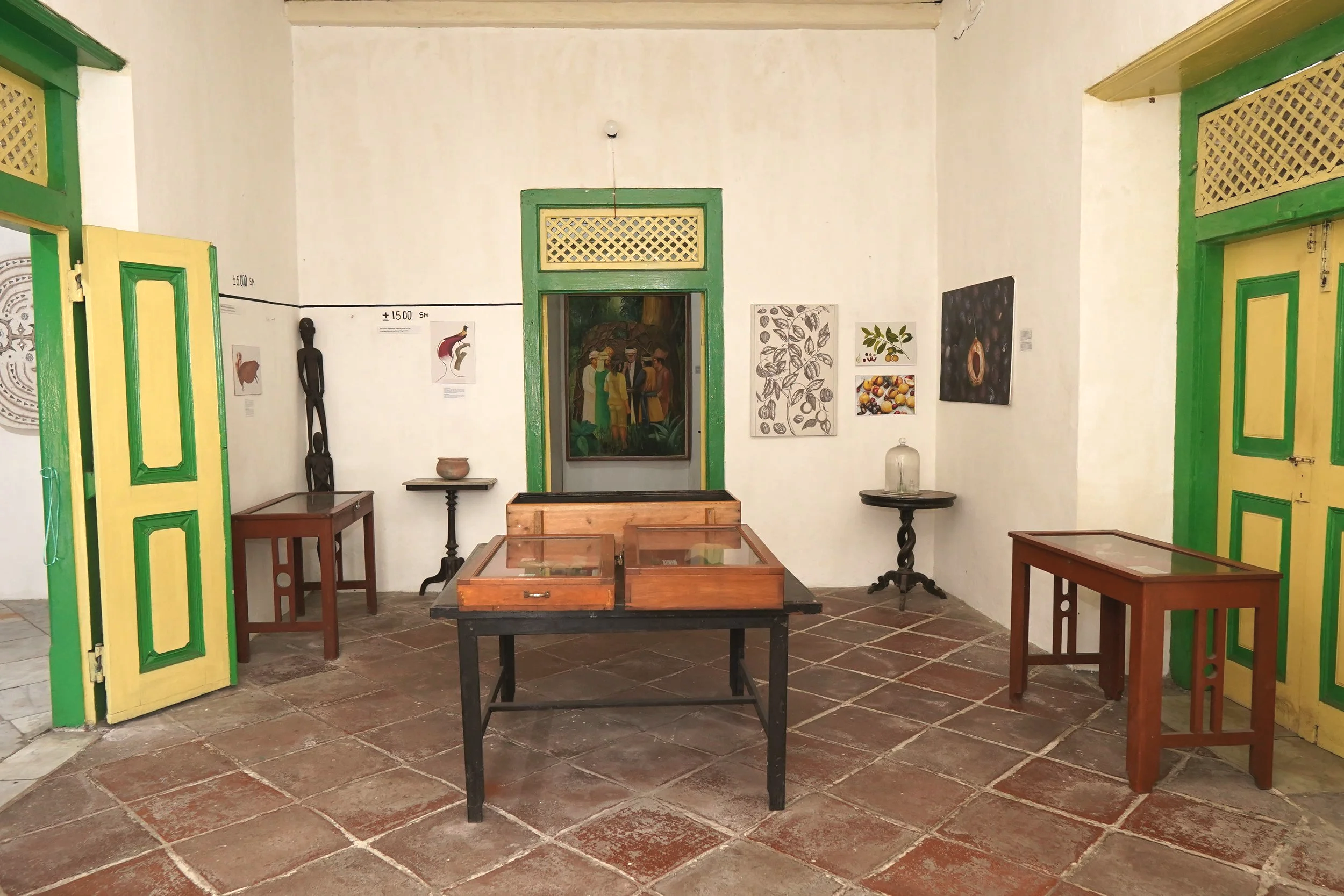
Before we visit the museum itself, let’s explore the revitalised Rumah Budaya Banda virtually. The curatorial team have implemented a ‘narrative museum’ concept in which each gallery has a specific focus, which together provide a comprehensive visitor experience. Using the timeline displayed on the left hand side of the walk-through spaces, we can follow historical change in Banda from era to era.
In the first gallery we witness the wonder of the Banda Islands’ natural history, where nutmeg is celebrated as a botanical oddity, not a market commodity, alongside the islands’ other endemic species of plants and animals.
The second gallery takes us into the era of Banda’s earliest spice trade, highlighting connections with distant lands, and the cosmopolitan character of these remote islands long before colonialism destroyed their way of life.
The impact of colonialism is the focus of the museum’s third gallery space, where the dark and bloody history of foreign domination on these islands becomes far more significant than the ruined forts and buildings they left behind.
The fourth gallery is dedicated to the Museum’s founder Des Alwi, who was born in the late colonial era but would go on to shape not only modern Banda, but the nation of Indonesia itself. As the colonial era began to crumble, the Banda Islands played a critical role in the struggle for independence. The fifth gallery explores the importance of these remote islands in the birth of the Indonesian Republic.
The final museum space is dedicated to the contemporary people of Banda, highlighting their resilience, creativity, rituals and social life. The Banda islands’ historical legacy continues through all of those which call them home. This narrative format was inspired by the book ‘The History of Banda Naira’ written by Des Alwi.
The revitalisation of Rumah Budaya Banda (Banda Cultural Museum) is intended to provide an accessible, informative and inclusive space for historical learning and cultural preservation. We are proud of all that has been achieved so far, particularly given the resource restraints and challenges of working in such a remote location. We also recognise that there is much work still to be done.
We are currently developing the museum’s digital archive, preserving the artefacts in case of loss, damage, or natural disaster. We hope this program will lead to broader interest and more mutually beneficial collaborations in the future.
This revitalisation is an ongoing process that we invite everyone to be a part of. The curatorial team is actively seeking feedback, inputs, contributions and criticism for how we can continue to improve this vital cultural institution. Thank you for reading, and sampai baku dapa!